
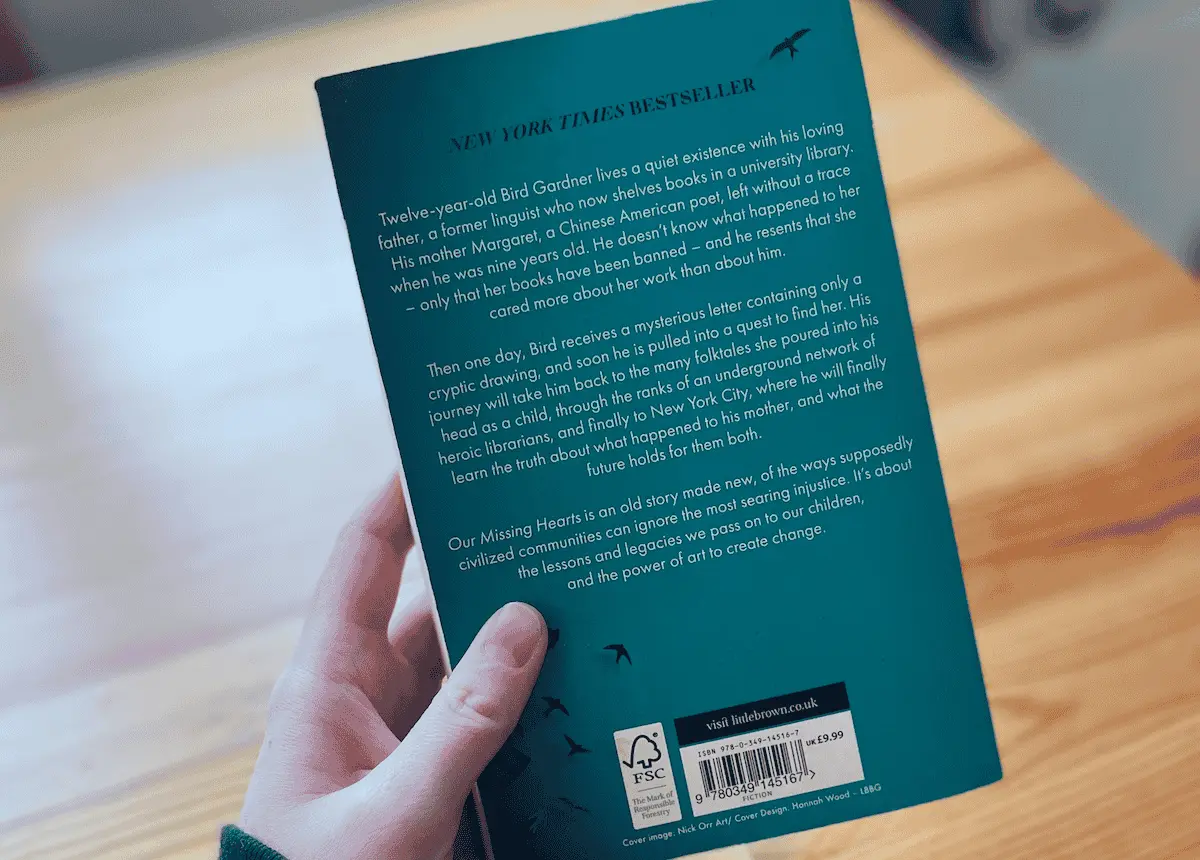
In the competitive landscape of the publishing industry, a book is more than just a collection of words; it is a product that must be marketed effectively to survive. Among the various tools available to authors and publishers, the blurb stands out as one of the most critical elements of a book’s branding strategy. Often found on the back cover or within the digital product description of an online retailer, the blurb is the primary sales pitch that converts a casual browser into a committed reader.
The Strategic Anatomy of a Book Blurb
A blurb is not a summary, nor is it a biography or a simple review. In the context of brand strategy and marketing, the blurb serves as a high-stakes “elevator pitch.” Its core objective is to distill the essence of a manuscript into a compelling narrative hook that aligns with the target audience’s expectations.
Defining the Value Proposition
When crafting a blurb, the author or publisher must identify the unique value proposition of the book. In branding terms, this means understanding exactly what the reader is “buying.” If the book is a thriller, the blurb must sell the tension and the stakes. If it is a self-help manual, the blurb must sell the transformation. By focusing on the emotional or intellectual promise of the book, the blurb establishes a brand identity that differentiates the work from the millions of other titles currently flooding the market.
Mastering the Hook and the Pivot
The most effective blurbs utilize a three-act structure condensed into a few paragraphs. The first section introduces the protagonist or the core concept. The second section, the “pivot,” introduces the conflict or the problem that the reader must solve. Finally, the concluding sentences should pose a question or set up a dilemma that necessitates reading the book to find the resolution. This is classic copy-driven marketing; it creates a “curiosity gap” that is psychologically difficult for the consumer to ignore.
Branding Your Book for Market Penetration
From a marketing perspective, the blurb is the final gatekeeper of the conversion process. Whether a customer is browsing a physical bookstore or scrolling through an e-commerce platform, the blurb is the bridge between visual attraction (the cover art) and the final purchase.
Target Audience Alignment
Effective branding requires a deep understanding of the ideal consumer persona. A blurb written for a young adult fantasy novel uses a vastly different tone and vocabulary than one written for a dense historical biography. If the brand voice is inconsistent, the target audience will disengage. The blurb must speak the “language” of the intended reader. For instance, genre-specific keywords and tropes are not just descriptive elements; they are marketing signals that tell the reader, “This book belongs in the category you already enjoy.”
The Psychology of Scarcity and Urgency
Smart marketers use the blurb to infuse a sense of urgency. Even in a digital world where books are never “sold out,” the blurb can create a sense of importance. By highlighting high-stakes scenarios or the uniqueness of the perspective offered, the blurb elevates the perceived value of the book. It transforms the book from a mere commodity into a necessary experience. When the copy is written with professional precision, it builds immediate trust, positioning the author as an authority or a storyteller worth the reader’s limited time.

Digital Marketing and the SEO Component
In the modern digital economy, a book’s blurb performs a dual function: it must appeal to human readers, and it must satisfy the algorithmic requirements of online retail platforms. This is where brand strategy intersects with digital visibility.
Optimizing for Retail Algorithms
Retailers like Amazon rely on algorithms to suggest books to potential buyers. These algorithms scan the text of the blurb for relevance. If a blurb fails to include the essential tropes, themes, or category-specific terminology that readers use when searching, the book will remain invisible. Therefore, the blurb is a piece of search-optimized marketing copy. It must be woven with natural language that informs human readers while providing the metadata necessary for the platform to categorize the book correctly.
The A/B Testing of Copy
Marketing professionals often approach blurbs as a living asset. Unlike a static piece of literature, a blurb can—and should—be tested. Through A/B testing on digital storefronts, authors can track conversion rates. If a certain version of a blurb results in a higher click-through rate to the “Buy Now” button, that copy becomes the new standard. This iterative approach to book marketing reflects the broader shift in the publishing industry toward data-driven decision-making. By refining the blurb based on real-world sales performance, the author treats their book as a brand that evolves to meet market demands.
Common Blurb Pitfalls and How to Avoid Them
Even with a clear strategy, many blurbs fail because they succumb to common branding mistakes. Avoiding these pitfalls is essential for maintaining a professional image and maximizing market reach.
The Over-Explanation Trap
One of the most frequent errors is treating the blurb like a full summary. Including every plot twist or every secondary character confuses the potential reader. A brand should focus on a singular, powerful message. When a blurb provides too much information, it dilutes the hook and diminishes the mystery. The goal is to provide enough information to intrigue, not enough to provide complete satisfaction.
Lack of Professional Polish
A blurb filled with grammatical errors, poor formatting, or a lack of clear structure is a reflection of the book itself. If the marketing copy is poorly executed, the reader will assume the manuscript is similarly neglected. From a corporate identity standpoint, the blurb is a proxy for the quality of the product. Investing time, or even hiring professional copywriters, to craft a sharp, punchy blurb is a foundational element of any author’s business model.
Ignoring the “Call to Action”
While the blurb does not always need a literal “Buy Now” button embedded in the text, it must contain a psychological call to action. The ending should be definitive. It must leave the reader feeling that their life, knowledge, or entertainment experience will be incomplete without engaging with the text. Without this subtle nudge toward a decision, the reader may simply move on to the next product.

Conclusion: The Blurb as a Strategic Asset
The blurb is far more than a blurb—it is a sophisticated marketing tool that anchors a book’s identity in a crowded marketplace. Whether viewed through the lens of brand strategy, search visibility, or psychological marketing, the blurb is the frontline of the sales process. By treating it with the same care as the manuscript itself, authors and publishers can ensure their work reaches its intended audience. In an era where attention is the most valuable currency, a well-crafted blurb is the investment that pays the highest dividends, turning casual interest into long-term brand loyalty. Professionalism in these few short paragraphs defines the difference between a book that remains on a digital shelf and one that becomes a staple for its target readership.
aViewFromTheCave is a participant in the Amazon Services LLC Associates Program, an affiliate advertising program designed to provide a means for sites to earn advertising fees by advertising and linking to Amazon.com. Amazon, the Amazon logo, AmazonSupply, and the AmazonSupply logo are trademarks of Amazon.com, Inc. or its affiliates. As an Amazon Associate we earn affiliate commissions from qualifying purchases.