
In the landscape of personal finance, a vehicle is often the second-largest purchase a consumer will make, surpassed only by a home. Unlike real estate, however, an automobile is a depreciating asset that requires diligent financial tracking. For decades, the “Blue Book Value” has served as the gold standard for determining what a vehicle is worth in the current market. Originally popularized by Kelley Blue Book (KBB), the term has evolved into a broader financial concept that represents the fair market price of a used car.

Understanding the Blue Book value of your car is not merely a matter of curiosity; it is a critical component of wealth management. Whether you are looking to sell, trade in for a newer model, or ensure your insurance coverage is adequate, knowing the precise value of your automotive assets allows you to make informed decisions that protect your net worth.
1. The Financial Significance of Automotive Valuation
When managing a personal balance sheet, it is easy to focus on liquid assets like savings accounts or appreciating assets like stocks and bonds. However, a vehicle represents a significant portion of many individuals’ total equity. Understanding its value is the first step in effective asset management.
The Role of Depreciation in Personal Finance
Depreciation is the silent killer of automotive wealth. From the moment a new car is driven off the lot, it begins to lose value, often shedding 20% or more within the first year. By the five-year mark, many vehicles retain only 40% of their original MSRP. By tracking the Blue Book value, you can monitor this rate of depreciation and decide the optimal time to exit the investment. For instance, selling a car before it hits a major mileage milestone (like 60,000 or 100,000 miles) can often save a owner thousands of dollars in lost resale value.
Integrating Vehicle Value into Your Net Worth
For a holistic view of your financial health, you must account for all liabilities and assets. If you have an outstanding auto loan, knowing the Blue Book value is essential to determine if you have positive or negative equity. If the car is worth $15,000 but you owe $18,000, you are “underwater” or have “negative equity.” Recognizing this allows you to adjust your savings goals or perhaps accelerate loan payments to mitigate financial risk.
2. Factors That Dictate Your Car’s Market Worth
A Blue Book value is not a static number; it is a data-driven estimate based on a multitude of variables. To get an accurate assessment, one must look beyond the make and model and evaluate the specific nuances of the individual asset.
Mechanical Condition and Maintenance History
The financial value of a car is inextricably linked to its mechanical integrity. A vehicle with a documented history of regular oil changes, brake services, and belt replacements will command a premium. In the eyes of a buyer or a dealership, a well-maintained car represents a lower risk. Conversely, “Fair” or “Poor” condition ratings significantly slash the Blue Book value because the next owner must budget for impending repairs. From a personal finance perspective, keeping meticulous records is an investment in the car’s eventual resale value.
Geographic and Seasonal Market Trends
Value is often determined by local demand. For example, a convertible will likely have a higher Blue Book value in Miami during the spring than it would in Minneapolis during a blizzard. Similarly, four-wheel-drive SUVs see a value spike in mountainous regions or ahead of winter months. When checking your car’s value, ensure you are using your specific zip code, as the financial climate for used cars varies drastically across different regions.
The Impact of Optional Equipment and Technology
Not all upgrades offer a good return on investment (ROI). While a premium sound system or a sunroof might increase the Blue Book value slightly, they rarely recoup their original cost. However, certain “safety tech” features, such as blind-spot monitoring or adaptive cruise control, have become highly desirable in the secondary market, helping to buoy the vehicle’s value against depreciation better than purely aesthetic modifications like custom rims or aftermarket paint.

3. Navigating the Pricing Tiers: Trade-In vs. Private Party vs. Retail
One of the most common points of confusion for car owners is seeing multiple values listed for the same vehicle. Understanding these tiers is vital for maximizing your financial return during a transaction.
Maximizing ROI through Private Party Sales
The “Private Party Value” is the amount you can expect to receive if you sell the car yourself to another individual. This is almost always the highest value you can get for your asset. However, it requires a higher “cost of entry” in terms of time and effort—cleaning the car, listing it, and meeting with potential buyers. For those focused on squeezing every bit of equity out of their vehicle, the private party route is the superior financial strategy.
The Liquidity Advantage of Dealer Trade-In Values
The “Trade-In Value” is what a dealership will offer you toward the purchase of another vehicle. This figure is invariably lower than the private party value, often by several thousand dollars. The reason is simple: the dealer must account for the cost of reconditioning the car and a profit margin for resale. While you take a financial hit on the sale price, the “Money” benefit here is convenience and potential tax advantages. In many states, you only pay sales tax on the difference between the new car price and the trade-in value, which can partially offset the lower offer.
Understanding the Retail and CPO Premiums
If you are looking at Blue Book values to buy a car, you will see “Suggested Retail” and “Certified Pre-Owned (CPO)” prices. These are the highest prices in the market. From a buyer’s financial perspective, a CPO vehicle offers a hedge against risk through extended warranties and rigorous inspections. While the upfront cost is higher, the long-term financial stability provided by reduced repair costs can make it a wise choice for the risk-averse investor.
4. Leveraging Valuation Tools for Better Financial Decisions
Once you have determined the Blue Book value of your car, the next step is using that data as a tool for financial leverage. Information is power, especially in the high-stakes environment of automotive sales and insurance.
Negotiating with Confidence
Whether you are at a dealership or a private driveway, having a printed or digital copy of your car’s Blue Book valuation changes the dynamic of the negotiation. It moves the conversation from subjective opinion to objective market data. If a dealer offers you $10,000 for a trade-in, but your research shows a Blue Book value of $12,500, you have a financial baseline to demand a better deal or walk away.
Insurance and Total Loss Protections
In the unfortunate event of an accident where the car is “totaled,” your insurance company will issue a payout based on the car’s Actual Cash Value (ACV). This value is closely aligned with Blue Book figures. By knowing your car’s value beforehand, you can ensure you aren’t being lowballed by an insurance adjuster. Furthermore, if you find that your car’s value has dropped significantly below what you owe on your loan, you may need to purchase “Gap Insurance” to protect yourself from a devastating financial shortfall.
Refinancing and Equity Assessment
For those looking to optimize their monthly cash flow, knowing the Blue Book value is essential for refinancing an auto loan. Lenders will only refinance a loan if the car’s value supports the new loan amount (the Loan-to-Value ratio). If your car has held its value well, you may be able to refinance at a lower interest rate, reducing your monthly expenses and freeing up capital for other investments or debt repayment.
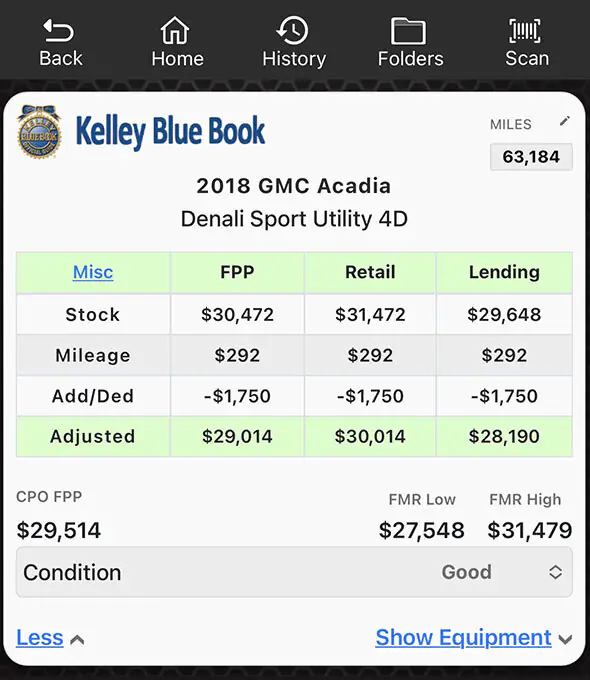
Conclusion: The Car as a Component of Your Financial Legacy
While a car is rarely an investment in the sense that it grows in value, it is a significant financial tool that requires active management. The “Blue Book Value” is the compass that guides you through the complexities of ownership, from the initial purchase to the final sale.
By regularly checking your vehicle’s value, maintaining its condition to preserve equity, and understanding the different market tiers, you transform a simple mode of transportation into a well-managed asset. In the world of personal finance, every dollar counts. Whether you are saving $500 on a trade-in negotiation or avoiding $2,000 in negative equity, being an informed consumer in the automotive market is a hallmark of financial literacy. Always remember: you don’t just drive your car; you manage it on your balance sheet.
aViewFromTheCave is a participant in the Amazon Services LLC Associates Program, an affiliate advertising program designed to provide a means for sites to earn advertising fees by advertising and linking to Amazon.com. Amazon, the Amazon logo, AmazonSupply, and the AmazonSupply logo are trademarks of Amazon.com, Inc. or its affiliates. As an Amazon Associate we earn affiliate commissions from qualifying purchases.