
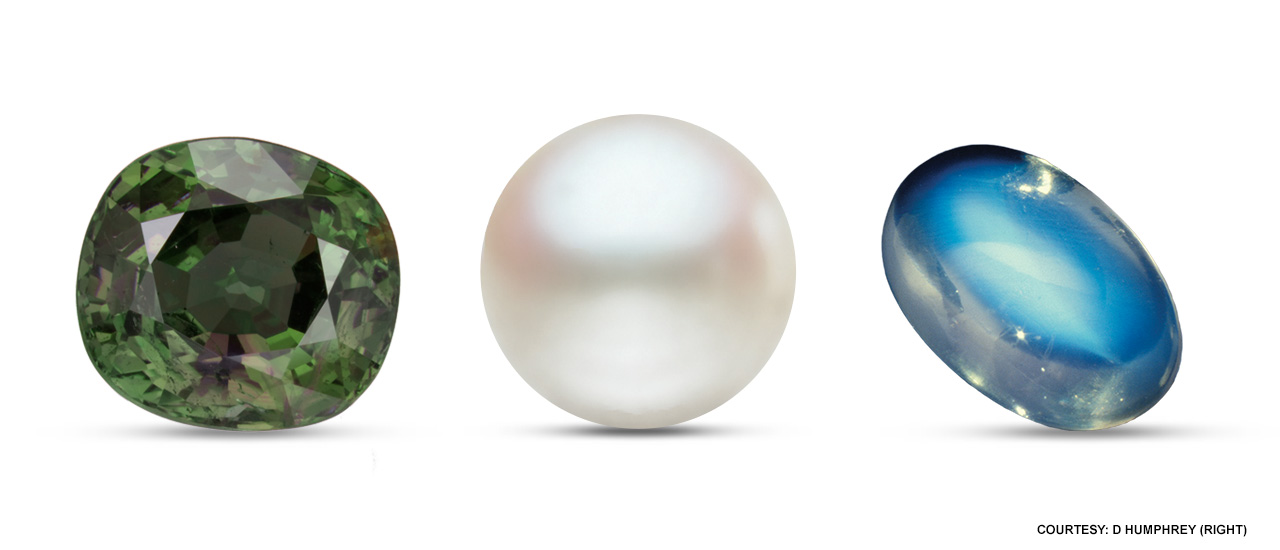
While most months claim a single gemstone to represent those born within their thirty days, the month of June is a rare demographic anomaly in the world of gemology and luxury retail. June is one of the few months that boasts three distinct birthstones: the Pearl, the Alexandrite, and the Moonstone. From a financial and investment perspective, this trinity offers a fascinating case study in asset diversification, market volatility, and the economics of rarity.
For the modern investor looking beyond traditional equities and bonds, high-end gemstones—particularly those as unique as June’s offerings—represent a “hard asset” category that has historically acted as a hedge against inflation. This article explores the economic landscape of June’s birthstones, examining their market drivers, their performance as alternative investments, and the structural factors that determine their capital value.

The Economics of Rarity: Alexandrite as a High-Yield Alternative Investment
Among the three birthstones of June, Alexandrite stands as the pinnacle of financial value. Discovered in the Ural Mountains of Russia in the 1830s, this chrysoberyl variety is famous for its “color-change” properties—appearing green in daylight and purplish-red under incandescent light. In the world of “Money,” color change isn’t just a visual trick; it is a primary driver of price-per-carat.
Scarcity and Market Valuation
The primary factor governing the price of Alexandrite is its extreme scarcity. Unlike diamonds, which have a controlled but relatively abundant supply, top-quality natural Alexandrite is exceptionally rare. From a supply-chain perspective, the original Russian mines are largely exhausted, leaving Brazil, Sri Lanka, and East Africa as the primary sources.
For an investor, the “premium” on Alexandrite is determined by the percentage of color change and the clarity of the stone. A specimen showing a 100% color shift can command prices that exceed $50,000 per carat, often outpacing the growth rate of high-grade colorless diamonds. This makes Alexandrite a “concentrated wealth” asset—a small physical object that can hold immense liquid value.
Historical Appreciation and Auction Performance
When analyzing Alexandrite through the lens of historical financial performance, one must look at the results of major auction houses like Sotheby’s and Christie’s. Over the last two decades, the “investment grade” Alexandrite market has seen a steady upward trajectory. Because these stones are not pegged to the same market fluctuations as gold or silver, they provide a level of “de-correlation” for a diversified portfolio. As emerging markets in Asia increase their demand for rare “collector stones,” the resale value of certified, untreated Alexandrite continues to show robust resilience against global economic downturns.
Cultivating Value: The Global Market Dynamics of Pearls
The pearl is perhaps the most iconic of June’s birthstones, but from a financial standpoint, it operates under a completely different market structure than mined gemstones. The transition from “natural” pearls to “cultured” pearls in the early 20th century revolutionized the industry, moving it from a pure commodity hunt to a sophisticated agricultural and biotech business model.
Natural vs. Cultured: The Pricing Chasm
In the “Money” niche, understanding the distinction between natural and cultured pearls is essential for asset valuation. Natural pearls—those formed in the wild without human intervention—are incredibly rare and are traded primarily at high-end auctions as “antique” or “estate” assets. A single strand of natural pearls can fetch millions of dollars, as seen in the historic sale of the Marie Antoinette pearl pendant.
Conversely, the cultured pearl market (Akoya, South Sea, Tahitian, and Freshwater) is a volume-driven industry. For the business-minded consumer, the value here lies in the “Lustre, Surface, and Nacre” (the LSN framework). High-end South Sea pearls, particularly those from Australia and the Philippines, are considered the “blue chips” of the pearl world, maintaining their value due to the long growth cycles and the high operational costs associated with their cultivation.
Environmental Risks and Asset Liquidity
Investing in the pearl market requires an understanding of “Environmental ESG” (Environmental, Social, and Governance) factors. Because pearls are biological products, their supply is highly sensitive to ocean temperatures and water quality. Climate change and ocean acidification pose a direct threat to pearl yields. From a financial forecasting perspective, this environmental volatility suggests that high-quality, existing pearl stock may become more valuable as future supply chains face disruption. For the investor, this means that “heritage” pearls of verified quality are increasingly viewed as a finite resource.
Moonstone and the Growth of the Semi-Precious Market
The third birthstone for June, the Moonstone, represents a different segment of the financial landscape: the “accessible luxury” or “semi-precious” market. While it does not command the five-figure-per-carat prices of Alexandrite, its economic significance lies in its massive consumer demand and its role in the “mid-tier” jewelry economy.
Adularescence and Consumer Sentiment
The value of a moonstone is derived from “adularescence”—the billowy blue light that seems to glide across its surface. From a marketing and sales perspective, Moonstone has benefited immensely from the rise of “bohemian luxury” and “metaphysical retail” trends. For business owners in the jewelry space, Moonstone offers high margins; the raw material cost is relatively low compared to the “Big Three” (Ruby, Sapphire, Emerald), yet the finished design can be sold at a significant markup due to its visual appeal and the popularity of the June birthstone designation.
The Rise of Ethical Sourcing and Market Premiums
As modern consumers—particularly Millennials and Gen Z—become more financially conscious of where their money goes, “Ethical Sourcing” has become a value-added metric. Moonstone mines in Sri Lanka and India are increasingly being audited for fair labor practices. In the world of business finance, a “certified ethical” Moonstone can command a 20% to 30% premium over non-certified stones. This shift indicates that “social capital” is now being priced directly into the gemstone’s market value.
Portfolio Diversification through Hard Assets
For those looking at June’s birthstones not just as ornaments but as part of a broader financial strategy, it is vital to understand the mechanics of “Hard Asset” investing. Unlike stocks, gemstones do not pay dividends, and they require specific management to maintain their value.
Storage, Insurance, and Maintenance Costs
The “carry cost” of a gemstone investment includes secure storage (often in bank vaults) and specialized insurance premiums. For an Alexandrite valued at $100,000, insurance can cost between 1% and 2% of the value annually. These expenses must be subtracted from the projected appreciation to calculate the true Net Present Value (NPV) of the investment. Furthermore, pearls require specific humidity-controlled environments to prevent the organic matter from “dying” or cracking, which adds a layer of maintenance risk that must be accounted for in a financial plan.
The Role of Certification in Protecting Capital
In the gemstone business, “Paper is the Price.” An uncertified Alexandrite is a liability; a GIA (Gemological Institute of America) or Gübelin certified stone is a liquid asset. These certificates provide the “provenance” and “technical specs” required for a high-value transaction. For an investor, the cost of certification is a necessary capital expenditure that protects the exit strategy. When the time comes to liquidate the asset—whether through a private sale, a jeweler buy-back, or an auction—the certificate serves as the “due diligence” report that justifies the asking price.

Conclusion: The Strategic Value of June’s Gems
The question “What is the birthstone for the month of June?” yields an answer that is as much about financial strategy as it is about mineralogy. June offers a unique spectrum of investment opportunities: the high-growth potential and extreme rarity of Alexandrite, the historical prestige and biological scarcity of Pearls, and the high-margin, consumer-driven market of Moonstone.
For the savvy individual, these stones represent more than just a birth month tradition. They are a window into the complex world of luxury commodities, where value is dictated by rarity, beauty, and the cold hard facts of supply and demand. Whether you are a corporate buyer for a luxury brand or a private investor looking to diversify into tangible assets, the gemstones of June provide a multi-faceted approach to wealth preservation and capital appreciation in an ever-changing global economy.
aViewFromTheCave is a participant in the Amazon Services LLC Associates Program, an affiliate advertising program designed to provide a means for sites to earn advertising fees by advertising and linking to Amazon.com. Amazon, the Amazon logo, AmazonSupply, and the AmazonSupply logo are trademarks of Amazon.com, Inc. or its affiliates. As an Amazon Associate we earn affiliate commissions from qualifying purchases.