
The Biltmore Estate, nestled in the Blue Ridge Mountains of Asheville, North Carolina, stands as a monumental achievement of the Gilded Age. Built by George Washington Vanderbilt II between 1889 and 1895, the chateauesque mansion is famously known as the largest privately owned house in the United States. However, from a financial and investment perspective, the Biltmore is far more than a historical curiosity; it is a complex asset involving massive real estate holdings, a high-revenue hospitality business, an extensive art collection, and a diversified brand portfolio.
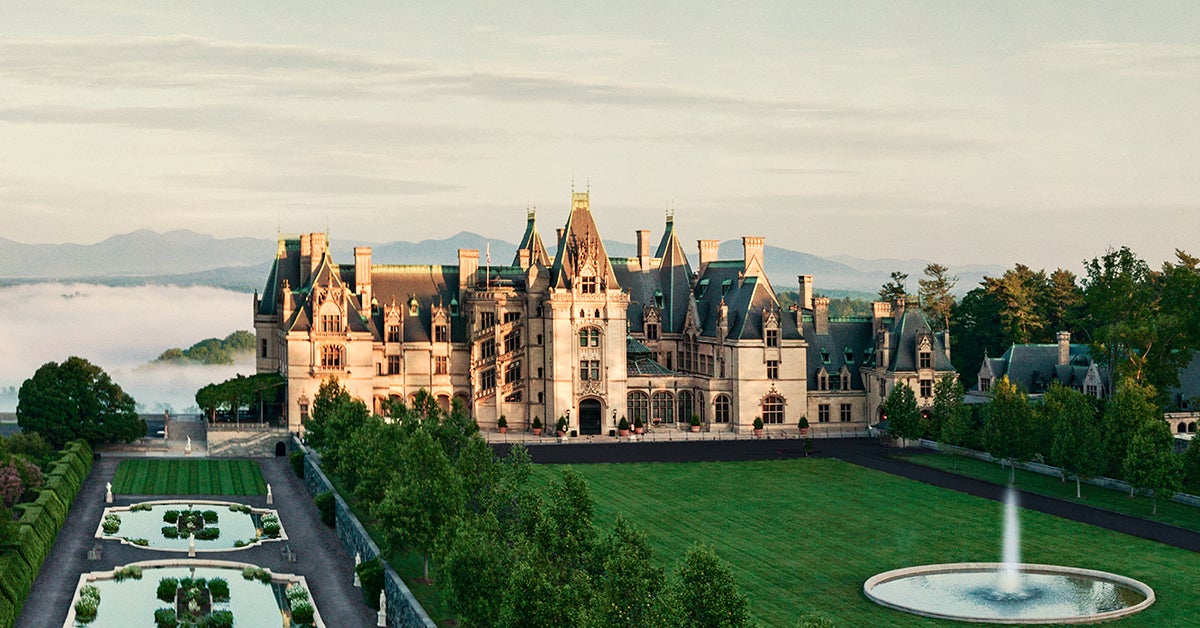
To determine what the Biltmore Estate is actually worth, one must look beyond the physical structure and analyze the property through several lenses: its real estate replacement cost, its valuation as a going-concern business, and the intrinsic value of its world-class collection of antiquities.
The Real Estate Valuation: More Than Just Brick and Mortar
When assessing the value of any real estate asset, appraisers typically look at comparable sales. However, the Biltmore presents a unique challenge: there are no true “comparables” for a 175,000-square-foot limestone mansion set on thousands of acres. Therefore, valuation must be approached through a combination of replacement costs and land value.
The Landmark Mansion
The house itself features 250 rooms, including 35 bedrooms, 43 bathrooms, and 65 fireplaces. In the 1890s, Vanderbilt spent approximately $6 million to construct the estate. When adjusted for inflation, that figure sits around $200 million. However, inflation adjustments do not account for the scarcity of materials or the specialized craftsmanship required today. To replicate the Indiana limestone exterior, the hand-carved wood paneling, the massive indoor pool, and the intricate masonry would likely cost upwards of $500 million to $700 million in today’s construction market, assuming such master craftsmen could even be found.
The Land and Acreage
At its peak, the Biltmore Estate encompassed 125,000 acres. Today, the estate has been consolidated to approximately 8,000 acres. This land is some of the most desirable real estate in Western North Carolina. While much of it is protected or used for agriculture and forestry, its potential for development is staggering. In the Asheville market, raw land can vary significantly, but large, contiguous tracts with established infrastructure are rare. Conservative estimates place the value of the land alone between $250 million and $400 million, though its “highest and best use” value could be significantly higher if it were ever subdivided for luxury residential development.
The Biltmore Company: A Diversified Revenue Engine
Unlike many historic European estates that rely on government subsidies or struggle to maintain their roofs, the Biltmore is a highly profitable, privately owned business. The Vanderbilt descendants, specifically the Cecil family, have transformed the estate into a vertically integrated hospitality and lifestyle brand. This “going-concern” value is perhaps the largest component of the estate’s total worth.
Tourism and Hospitality
The Biltmore is a powerhouse in the tourism sector, attracting over 1.4 million visitors annually. With adult tickets ranging from $70 to over $100 depending on the season, the gate revenue alone is estimated to exceed $100 million per year. However, the business model extends far beyond ticket sales. The estate operates multiple hotels, including The Inn on Biltmore Estate and the Village Hotel, which command premium nightly rates. When you add on-site dining, retail shops, and outdoor adventure activities, the gross annual revenue for The Biltmore Company likely sits between $250 million and $300 million.
Using a standard EBITDA multiple for the hospitality and leisure industry—typically between 8x and 12x—the business operations of the Biltmore could be valued at $1 billion or more. This valuation accounts for the brand’s ability to generate consistent cash flow regardless of broader economic fluctuations, as the Biltmore has become a “bucket list” destination for American travelers.
The Biltmore Estate Wine Company
A significant contributor to the estate’s financial health is its winery. Established in the early 1970s, the Biltmore Winery is the most visited winery in the United States. It produces approximately 150,000 cases of wine annually. While the vineyard acreage is relatively small compared to California giants, the Biltmore brand allows for premium pricing and high-margin direct-to-consumer sales through its wine club and on-site tasting room. As a standalone business, the winery adds tens of millions of dollars to the estate’s total enterprise value.
Assessing the Intangible and Tangible Assets
Beyond the real estate and the operating business, a significant portion of the Biltmore’s worth is tied up in its “contents.” George Vanderbilt was a prolific collector, and the estate serves as a de facto museum of high art and rare artifacts.

The Art and Antiques Collection
The mansion houses thousands of objects ranging from 16th-century Flemish tapestries to original works by Pierre-Auguste Renoir and John Singer Sargent. The library contains over 23,000 volumes, many of which are rare first editions and beautifully bound masterpieces. In the world of high-end auctions, individual pieces within the Biltmore—such as the chess set owned by Napoleon Bonaparte or the Ming Dynasty vases—could fetch millions of dollars each.
Valuing such a collection is notoriously difficult because much of the value is tied to the provenance of being part of the Biltmore collection. However, art historians and appraisers have suggested that the total value of the interior furnishings, art, and library could easily exceed $300 million on the open market.
Brand Equity and Intellectual Property
The “Biltmore” name itself carries immense financial weight. The company has successfully leveraged its brand through licensing agreements, including furniture lines, home décor, and even residential neighborhood branding. This intellectual property allows the family to generate passive income from the Biltmore “aesthetic.” In a corporate valuation, this brand equity is an intangible asset that would be worth tens of millions, representing the premium consumers are willing to pay for the Biltmore name.
Tax Assessments vs. True Market Value
There is often a wide gap between what the local government says a property is worth and what a buyer would pay. For tax purposes, Buncombe County has historically struggled to value the Biltmore accurately. In recent years, the tax assessment for the main house and surrounding immediate acreage has hovered around $300 million.
However, tax assessments are rarely a reflection of true market value for unique assets. Property tax valuations often utilize formulas that don’t account for the “trophy asset” premium. If the Biltmore were ever to hit the open market—an unlikely scenario given the family’s commitment to preservation—it would likely be marketed to the world’s ultra-high-net-worth individuals or sovereign wealth funds. In such a scenario, the prestige of owning the “largest home in America” would drive the price well beyond any calculated appraisal.
The Financial Challenges of Maintenance and Sustainability
To understand the net worth of the Biltmore, one must also consider the liability side of the balance sheet. Operating an estate of this magnitude is astronomically expensive. It is estimated that the daily maintenance and payroll for the estate’s 2,000+ employees cost tens of thousands of dollars.
The “worth” of the Biltmore is sustained only because it is a functioning business. If the tourism revenue were to dry up, the mansion would quickly become a “white elephant”—an asset whose upkeep exceeds its utility. Therefore, the estate’s value is intrinsically linked to its continued success as a commercial enterprise. The family has mitigated this risk by diversifying into commercial real estate (Biltmore Park) and extensive retail licensing, ensuring that the estate is not solely dependent on foot traffic through the front door.

Final Valuation: The Billion-Dollar Legacy
When we aggregate these various components, a clearer picture of the Biltmore’s total worth emerges.
- Real Estate & Infrastructure: $500 million – $700 million
- Business Operations (Hospitality, Winery, Retail): $1 billion – $1.5 billion
- Art and Private Collections: $300 million
- Brand Equity and Intellectual Property: $100 million
While these figures are estimates based on market trends and available financial data, it is safe to conclude that the Biltmore Estate, as a comprehensive entity, is worth between $2 billion and $2.5 billion.
This valuation places the Biltmore among the most valuable privately held assets in the United States. It stands as a masterclass in how a family can leverage historical legacy to build a modern, sustainable financial empire. George Vanderbilt’s “country home” was never intended to be a profit-generating machine, yet through careful management and strategic diversification, his descendants have ensured that the Biltmore remains not just a monument to the past, but a thriving, high-value asset for the future.
aViewFromTheCave is a participant in the Amazon Services LLC Associates Program, an affiliate advertising program designed to provide a means for sites to earn advertising fees by advertising and linking to Amazon.com. Amazon, the Amazon logo, AmazonSupply, and the AmazonSupply logo are trademarks of Amazon.com, Inc. or its affiliates. As an Amazon Associate we earn affiliate commissions from qualifying purchases.