
The evolution of travel has shifted from a logistical chore to a high-precision exercise in systems optimization. In an era dominated by the digital nomad lifestyle and short-term remote work assignments, packing is no longer just about fitting garments into a box; it is about managing a mobile ecosystem of hardware, software, and personal assets. To determine the best way to pack a suitcase today, one must look past traditional folding methods and embrace a tech-centric approach that prioritizes data-driven organization, hardware protection, and IoT integration.
The Hardware of Travel: Smart Luggage and Structural Engineering
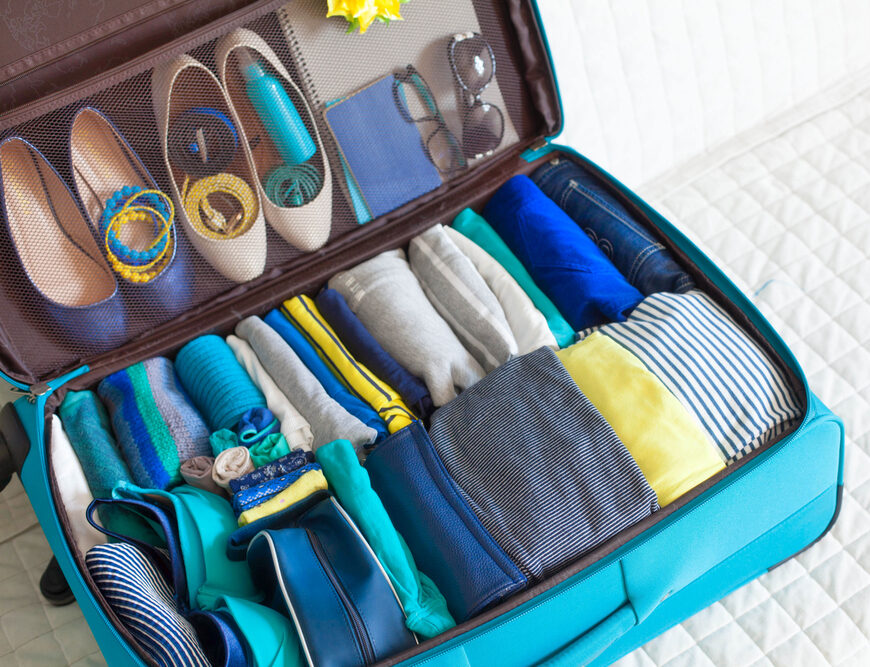
The foundation of an efficient packing strategy begins with the hardware itself. The “best” way to pack is heavily influenced by the architecture of the suitcase. Modern luggage has transitioned from simple storage containers to sophisticated pieces of equipment designed with specific structural integrity and integrated technology.
Integration of IoT and GPS Tracking
One of the greatest stressors in travel is the loss of a suitcase. The modern tech-first traveler solves this not through hope, but through redundancy and tracking. High-end suitcases now often feature integrated GPS modules, but the more flexible approach—and the one favored by tech enthusiasts—is the deployment of discrete Bluetooth and Ultra-Wideband (UWB) trackers like Apple AirTags or Tile Pro units.
When packing, these devices should be placed in a specialized internal pocket or secured within the lining of the suitcase. This creates a “findable” asset that integrates with a global mesh network. The best packing method involves assigning a digital identity to the suitcase, allowing the traveler to monitor the bag’s proximity from a smartphone or smartwatch, ensuring that the hardware is always accounted for during transit.
Weight Management and Integrated Scales
Efficiency is often dictated by the constraints of airline regulations. Overpacking leads to significant surcharges or the need to redistribute items at a crowded check-in counter. The best way to pack involves utilizing suitcases with built-in digital scales integrated into the handle. These sensors provide real-time weight data, which can often be synced via Bluetooth to a travel management app. By monitoring weight as you add components—especially heavy hardware like portable monitors, power stations, or camera rigs—you can optimize the distribution of mass to ensure the bag remains within legal and ergonomic limits.
Software-Driven Organization: Apps and Digital Checklists
Before the first item is placed inside the suitcase, the “best” way to pack begins with a digital audit. Relying on memory is a failure-prone system; instead, leveraging algorithmic packing tools ensures that every piece of tech and every necessary cable is accounted for based on the destination’s climate, the duration of the trip, and the specific technological requirements of the journey.
Algorithmic Packing Lists and AI Integration
Applications such as PackPoint or specialized Notion templates utilize data scraping to cross-reference your itinerary with weather forecasts and scheduled activities. By inputting “business conference in San Francisco” or “remote coding in Bali,” these tools generate a comprehensive list of requirements.
The sophisticated traveler uses these apps to categorize items into “Critical Hardware,” “Peripherals,” and “Soft Goods.” This digital blueprint dictates the physical layout of the suitcase. By following a software-generated list, you eliminate the redundancy of “just in case” packing, which is the primary cause of inefficiency and clutter.
Digital Inventory Management for High-Value Gear
For those traveling with significant tech stacks—laptops, tablets, drones, and specialized sensors—the best way to pack includes creating a digital inventory. This involves cataloging serial numbers, insurance documents, and purchase receipts within a secure, encrypted cloud environment or a dedicated vault like 1Password.
Each item in the suitcase should correspond to an entry in this digital log. This not only aids in the event of theft or loss for insurance purposes but also assists in navigating customs. Many professional travelers now include a printed QR code inside the suitcase that links to a non-sensitive version of this inventory, facilitating a faster recovery process if the bag is misplaced by an airline.
The Physics of Space Optimization: Compression Technology and Modular Systems

Once the digital planning is complete, the physical execution requires a modular approach. The “best” way to pack is not a monolithic stack of items, but a series of interconnected modules that protect delicate electronics while maximizing volume.
Advanced Compression Cubes and Vacuum Seals
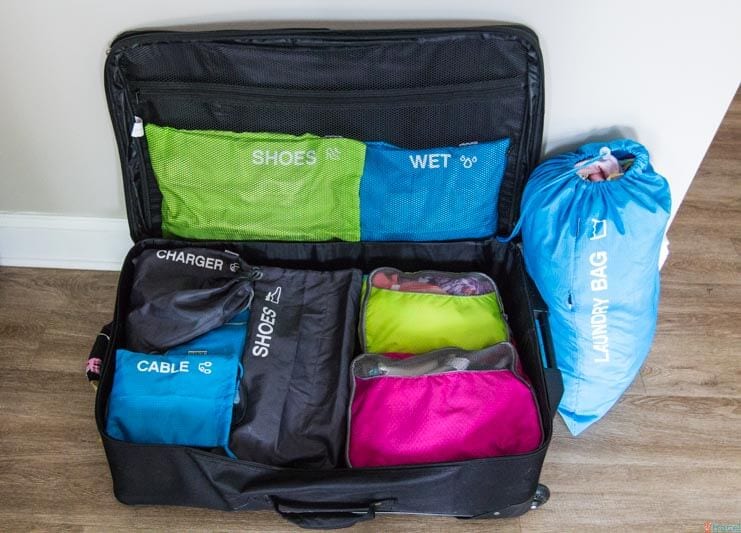
Traditional folding is inefficient because it leaves “dead air” between fabric layers. The tech-savvy approach utilizes compression cubes—ultralight nylon pouches with secondary zippers designed to expel excess air. This is the “zip-file” of the physical world.
By categorizing clothing into these cubes, you create a modular system where every “file” (cube) has a specific size and location. This allows for a “Last-In, First-Out” (LIFO) or “First-In, First-Out” (FIFO) organization strategy based on your itinerary. More importantly, it creates a structured buffer zone around fragile tech items. Placing a laptop sleeve between two soft, compressed cubes provides a layer of shock absorption that a standard suitcase wall cannot offer.
Tech-Focused Interior Architecture
The best way to pack tech gear is to treat the suitcase like a server rack. Hard-shell cases with customizable foam inserts or modular dividers allow for the secure placement of peripherals. For cables, adapters, and dongles, the “best practice” is to use a dedicated tech organizer—a small, structured pouch with elastic loops and mesh pockets.
This prevents “cable nesting,” where wires become tangled and damaged during vibration. By centralizing all connectivity tools into a single module, you reduce the time spent searching for a specific USB-C to HDMI adapter, maintaining a high level of operational efficiency upon arrival at a remote workspace.
Power Management and Digital Security in Your Carry-On
Packing is not just about the check-in luggage; it is about the “Command Center”—the carry-on bag. The best way to pack this piece of luggage involves a deep understanding of battery regulations and digital security protocols.
Power Bank Compliance and Distribution
International aviation regulations (FAA/EASA) strictly dictate how lithium-ion batteries must be transported. They must be in carry-on luggage to mitigate fire risks in the cargo hold. The best way to pack these is in an easily accessible, padded compartment.
For high-capacity power banks (those approaching the 100Wh limit), it is vital to keep them in a “Ready-to-Deploy” state. If you are traveling with multiple devices, use a multi-port GaN (Gallium Nitride) charger. GaN technology allows for higher power delivery in a significantly smaller form factor than traditional silicon chargers, saving valuable space in your tech pouch.
Protecting Digital Assets: RFID and Faraday Pockets
Physical security is inextricably linked to digital security. The best suitcases now include RFID-blocking pockets to prevent unauthorized scanning of passports and credit cards. However, for those carrying high-security hardware or sensitive corporate data, packing also involves “signal hygiene.”
Utilizing Faraday pouches for devices when they are not in use prevents remote hacking or tracking in high-risk environments like international airports. This layer of packing ensures that while your physical suitcase is secure, your digital footprint is equally shielded.
Future Trends: Robotics and AI-Assisted Packing
Looking forward, the “best” way to pack is trending toward total automation. We are seeing the emergence of autonomous suitcases that not only follow the traveler through the terminal using computer vision but also feature internal sensors that monitor the “health” of the contents—checking for temperature fluctuations or moisture levels that could damage sensitive electronics.
Furthermore, AI-integrated closets are being developed that can suggest packing configurations based on your previous travel data and current mission objectives. The goal is a frictionless transition from the home environment to the mobile environment.
In summary, the best way to pack a suitcase is to treat the process as a systems engineering challenge. By combining the structural advantages of smart hardware, the organizational precision of specialized software, and the spatial efficiency of modular compression systems, you transform your luggage into a highly optimized, mobile workstation. In the modern world, successful travel is defined by the seamless integration of your physical belongings and your digital needs.
aViewFromTheCave is a participant in the Amazon Services LLC Associates Program, an affiliate advertising program designed to provide a means for sites to earn advertising fees by advertising and linking to Amazon.com. Amazon, the Amazon logo, AmazonSupply, and the AmazonSupply logo are trademarks of Amazon.com, Inc. or its affiliates. As an Amazon Associate we earn affiliate commissions from qualifying purchases.