
The Financial Imperative Behind Used Car Purchases
Purchasing a vehicle is one of the most significant financial decisions an individual or family will make, often second only to buying a home. For many, a used car presents a financially savvy alternative to a new one, as it bypasses the precipitous depreciation that new vehicles experience in their first few years. Opting for a used car can lead to lower purchase prices, reduced insurance premiums, and a more favorable total cost of ownership over its lifespan. However, navigating the vast and often complex used car market requires more than just identifying a desirable make and model; it demands a strategic approach to personal finance, keen insight into market value, and robust tools to mitigate risk.
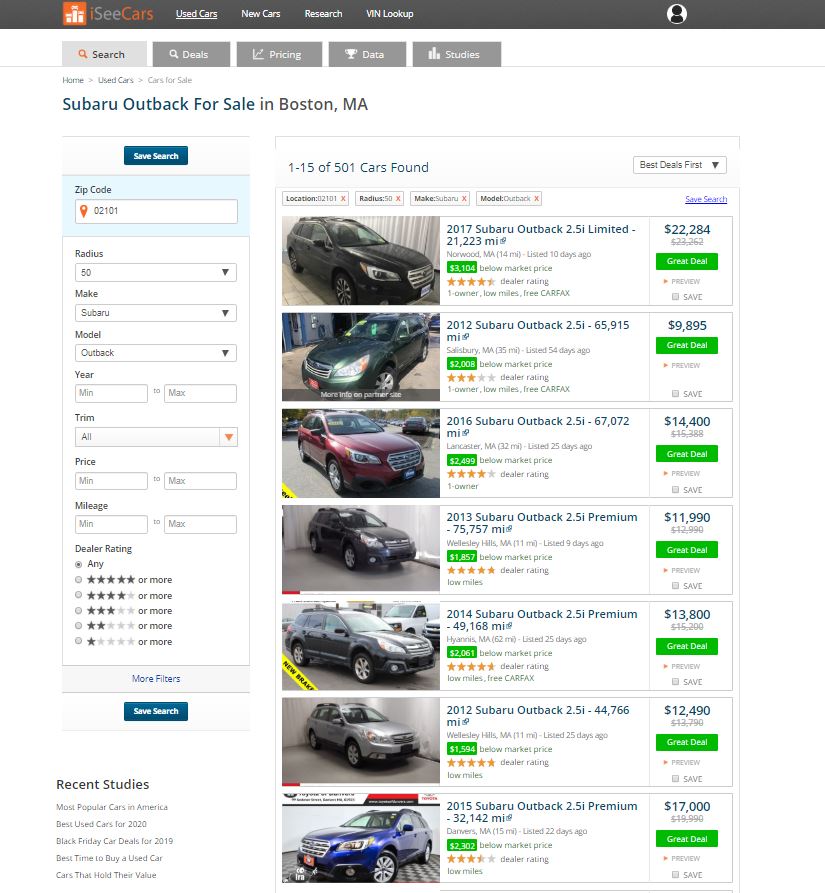
In this context, used car websites transcend being mere listing platforms; they become indispensable financial tools. The “best” used car website is not just one with the most listings, but one that empowers the consumer with the data, transparency, and functionalities necessary to make a financially sound decision. It should facilitate budget adherence, help identify genuine value, expose potential hidden costs, and streamline a transaction that protects your financial interests. Understanding which websites excel in these areas is crucial for maximizing your investment and avoiding costly pitfalls in the used car acquisition process.
Key Financial Metrics and Features to Look For on Used Car Websites
When evaluating used car websites through a financial lens, certain features stand out as critical for making an informed and cost-effective purchase. These tools and data points directly influence your budget, protect your investment, and simplify the complex financial aspects of buying a used vehicle.
Transparent Pricing and Cost Analysis
A premier used car website provides clear, upfront pricing without hidden fees, empowering buyers to accurately budget. Look for platforms that not only display the asking price but also offer context, such as how that price compares to market averages for similar vehicles (e.g., Kelley Blue Book, Edmunds True Market Value). Tools that allow users to filter by price range, calculate estimated monthly payments, or even project total ownership costs are invaluable. This transparency helps users identify over-priced listings, negotiate effectively, and ensure their purchase aligns with their personal finance goals, preventing budget overruns.
Comprehensive Vehicle History Reports
One of the most significant financial risks in buying a used car is inheriting unforeseen problems. The best websites integrate or provide easy access to comprehensive vehicle history reports from services like CARFAX or AutoCheck. These reports are a financial safeguard, revealing crucial data such as accident history, flood damage, salvage titles, odometer discrepancies, previous owners, and service records. This information is vital for assessing a vehicle’s long-term reliability and potential future repair costs, directly impacting its financial value and your financial outlay. A clean history minimizes future financial surprises, while a problematic one can be a powerful negotiation tool or a clear signal to walk away.
Financing Tools and Calculators
For many, buying a used car involves financing. A truly beneficial used car website offers on-site loan calculators that allow users to adjust down payments, interest rates, and loan terms to understand their potential monthly payments and total interest paid. Some platforms go further by offering pre-qualification options with various lenders, enabling buyers to compare interest rates and secure financing before even contacting a seller. This pre-emptive financial planning is critical, as it provides a clear picture of the total cost of ownership beyond the sticker price, helping buyers avoid unfavorable loan terms and manage their debt responsibly.
Dealer and Private Seller Scrutiny
The source of the used car has significant financial implications. Reputable websites offer tools to evaluate both dealerships and private sellers, such as customer reviews, ratings, and even accreditation badges. Buying from a highly-rated dealer might offer more consumer protection, potentially a limited warranty, and a more streamlined process, which can provide financial peace of mind. Conversely, private sales, often found on platforms like Craigslist, can offer significant financial savings due to lower overheads, but they typically come with higher risks and less recourse. Websites that provide guidance on secure payment methods or offer escrow services for private transactions add a valuable layer of financial security.
Top Contenders in the Used Car Website Landscape: A Financial Lens
When assessing the leading used car websites, their utility to a financially savvy buyer becomes the primary metric. Each platform offers distinct advantages that cater to different aspects of financial planning and risk management in the car-buying process.
Autotrader: Extensive Inventory and Comparison Tools

Autotrader stands out for its immense inventory, listing millions of vehicles from both dealerships and private sellers. From a financial perspective, this extensive selection is invaluable. It allows buyers to cast a wide net, increasing the probability of finding a specific make and model within their budget, or discovering a better deal on an alternative vehicle. Its advanced search filters—including price range, mileage, year, and even features—empower users to narrow down options that strictly adhere to their financial parameters. This breadth of choice fosters robust comparison shopping, a cornerstone of smart financial decision-making, by enabling buyers to benchmark prices across numerous similar listings.
CarGurus: Market Value Analysis and Deal Ratings
CarGurus revolutionized used car shopping with its proprietary “deal ratings,” categorizing listings as “Great Deal,” “Good Deal,” “Fair Deal,” “High Price,” or “Overpriced.” This algorithm compares a car’s listed price to its estimated market value based on similar listings, historical sales data, and vehicle specifics. For the financially conscious buyer, these ratings are a powerful tool, providing instant insight into whether a vehicle represents good financial value. Furthermore, CarGurus displays how long a car has been on the lot and any price drops, arming buyers with critical information for negotiation and identifying motivated sellers, ultimately leading to potential financial savings.
Edmunds: In-Depth Reviews and Pricing Insights
Edmunds is renowned for its comprehensive vehicle reviews and deep market insights, particularly its True Market Value® (TMV®) pricing tool. The TMV® provides an estimated fair market price for specific vehicles, factoring in local market conditions, condition, mileage, and features. This data is an indispensable financial benchmark, helping buyers determine a fair offer price and avoid overpaying. Beyond initial purchase price, Edmunds also offers detailed True Cost to Own® data, projecting costs for depreciation, insurance, fuel, maintenance, and repairs over five years. This holistic financial outlook is crucial for budgeting and understanding the long-term monetary implications of owning a particular vehicle, extending financial foresight beyond the initial transaction.
Carvana/Vroom: Streamlined Online Transactions and Delivery
Platforms like Carvana and Vroom cater to buyers seeking a fully online, haggle-free experience. Their “no-haggle” pricing model means the listed price is the final price, offering transparency and eliminating the stress of negotiation, which can be a financial advantage for those who struggle with bargaining. While this removes the potential for negotiating a lower price, it also ensures a consistent and predictable cost. These platforms often provide their own financing options and facilitate trade-ins, streamlining the entire financial transaction. Their limited return policies (e.g., a 7-day money-back guarantee) also offer a valuable financial safety net, allowing buyers to thoroughly inspect the car post-purchase without immediate financial commitment.
Craigslist/Facebook Marketplace: Direct Deals and Negotiation Potential
For those willing to undertake more due diligence, Craigslist and Facebook Marketplace offer the potential for significant financial savings. These platforms connect private sellers directly with buyers, often resulting in lower prices due to the absence of dealership overheads. The direct interaction also opens the door to greater negotiation potential, allowing financially astute buyers to leverage market research and vehicle inspection findings to secure a better deal. However, this comes with increased financial risk, as transactions typically lack warranties, consumer protections, or escrow services. Buyers must be highly vigilant, arranging independent inspections and ensuring secure payment methods to mitigate the risk of fraud or purchasing a problematic vehicle.
Maximizing Your Financial Return and Minimizing Risk
Beyond selecting the right website, several strategies are paramount for securing the best financial outcome in your used car purchase. These steps ensure you not only find a good deal but also protect your investment long-term.
Pre-Purchase Inspections and Warranties
A professional pre-purchase inspection (P.P.I.) by an independent mechanic is a non-negotiable financial safeguard. Even if a vehicle looks pristine on a website, a P.P.I. can uncover hidden mechanical issues, frame damage, or other problems that could lead to thousands in unexpected repairs down the line. The small cost of an inspection pales in comparison to the potential financial disaster of buying a lemon. Similarly, understanding warranty options—whether a remaining manufacturer’s warranty, a dealer-provided limited warranty, or an extended service contract—is crucial. Certified Pre-Owned (CPO) vehicles, offered by dealerships, often come with extended warranties and rigorous inspections, providing added financial security, though at a potentially higher upfront cost. Weighing the cost of a warranty against the potential financial impact of future repairs is a key personal finance decision.
Understanding Total Cost of Ownership
The true financial impact of a car extends far beyond its purchase price. A financially savvy buyer meticulously calculates the total cost of ownership (TCO). This includes not only the loan payments but also fuel, insurance premiums, routine maintenance, unexpected repairs, registration fees, and the often-overlooked cost of depreciation. Websites like Edmunds, with their True Cost to Own® data, are invaluable in providing these projections. By considering TCO, you can avoid the trap of a seemingly cheap car that proves exorbitantly expensive to own. Choosing a vehicle known for reliability and fuel efficiency, even if slightly more expensive upfront, can lead to significant financial savings over several years.

Negotiating Strategies
Equipped with market data from websites like CarGurus and Edmunds, comprehensive vehicle history reports, and the results of a P.P.I., you are in a strong negotiating position. Use market value comparisons to justify your offer, point out any flaws or required repairs identified in the inspection to argue for a price reduction, and be prepared to walk away if the deal isn’t right. Understanding your maximum budget and sticking to it is crucial. The financial benefit of thorough preparation and informed negotiation can amount to hundreds or even thousands of dollars in savings, solidifying your used car purchase as a truly sound financial decision.
aViewFromTheCave is a participant in the Amazon Services LLC Associates Program, an affiliate advertising program designed to provide a means for sites to earn advertising fees by advertising and linking to Amazon.com. Amazon, the Amazon logo, AmazonSupply, and the AmazonSupply logo are trademarks of Amazon.com, Inc. or its affiliates. As an Amazon Associate we earn affiliate commissions from qualifying purchases.