
Determining the “best” Toyota car is not merely a question of mechanical specifications or acceleration times; it is an exploration of one of the most successful brand strategies in industrial history. In the world of global marketing and corporate identity, the “best” car is the one that most accurately reflects the brand’s core promise to its consumers. For Toyota, that promise is built on the pillars of reliability, durability, and a philosophy known as Kaizen—continuous improvement.
When we evaluate the Toyota lineup through the lens of brand strategy, we see a company that has masterfully segmented the market to ensure that “best” means something different to every demographic while maintaining a unified corporate identity. From the rugged legacy of the Land Cruiser to the efficiency-first messaging of the Prius, Toyota’s brand strength lies in its ability to deliver a consistent experience across diverse product lines.
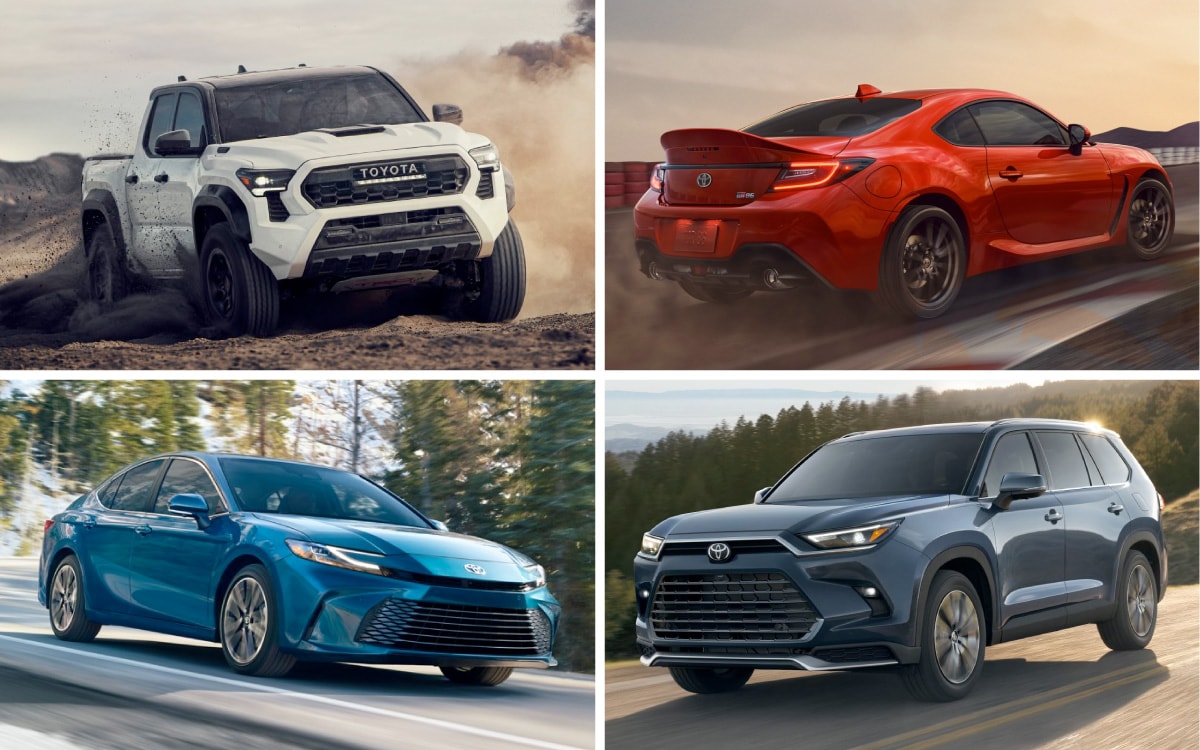
The Brand Identity of Reliability: Defining the Toyota Archetype
To understand which Toyota car stands at the pinnacle of the brand, one must first understand the Toyota Production System (TPS) and the “Toyota Way.” This corporate identity is not just internal jargon; it is the primary marketing message the company conveys to the world. Unlike brands that sell speed (Ferrari) or luxury (Mercedes-Benz), Toyota sells the concept of “unbreakable” utility.
The Corolla: A Case Study in Global Brand Ubiquity
If “best” is defined by market dominance and brand trust, the Toyota Corolla is the undisputed champion. Since its introduction in 1966, the Corolla has become the best-selling nameplate in automotive history. From a brand strategy perspective, the Corolla represents the “Democratic Brand.” It is designed to be the universal choice—a car that transcends borders, socioeconomic status, and age groups.
The Corolla’s branding success is rooted in its predictability. In marketing, predictability is often equated with boredom, but Toyota flipped this narrative. They branded predictability as a premium asset. By ensuring that a Corolla in Bangkok performs with the same reliability as a Corolla in New York, Toyota created a global shorthand for “the sensible choice.” This positioning has allowed the brand to capture the largest possible market share, making the Corolla the most important vehicle for the company’s bottom line and global identity.
The Camry and the Strategy of “Mid-Market Dominance”
While the Corolla captures the entry-level and global markets, the Camry represents Toyota’s mastery of the mid-sized sedan segment. The brand strategy here is focused on “Sophisticated Practicality.” For decades, the Camry has been marketed as the reward for the sensible professional. Its identity is built on quietness, space, and a refusal to be flashy. In a world of aggressive marketing, Toyota’s “stealth wealth” approach with the Camry—emphasizing total cost of ownership and resale value—has created a loyalist base that views the car as a financial tool as much as a mode of transportation.
The Halo Effect: How Heritage Models Protect Brand Equity
In brand architecture, a “Halo Model” is a vehicle that may not sell in the highest volumes but defines the prestige and capability of the entire brand. For Toyota, two models serve this purpose: the Land Cruiser and the GR Supra.
The Land Cruiser: The Brand’s Moral Compass
The Land Cruiser is perhaps the most authentic representation of Toyota’s brand identity. It is marketed not as a luxury SUV, but as a survival tool. The brand strategy for the Land Cruiser focuses on “QDR”—Quality, Durability, and Reliability. By positioning the Land Cruiser as the vehicle used by NGOs, explorers, and emergency services in the world’s most inhospitable environments, Toyota sprinkles that aura of toughness onto its more pedestrian models like the RAV4 or the Highlander.
When a consumer buys a Toyota RAV4, they are subconsciously buying into the Land Cruiser’s legacy. They may never cross a desert, but they want to know their car was built by the same company that builds the world’s most rugged off-roaders. This is a classic example of brand association, where the “best” car in terms of capability elevates the perceived value of the entire fleet.
The GR Supra and the “Emotional Pivot”
Historically, Toyota faced a brand challenge: it was perceived as reliable but “soulless.” To combat this, the brand introduced the Gazoo Racing (GR) sub-brand. The GR Supra and the GR Corolla are strategic attempts to inject “waku-doki”—a Japanese phrase for “heart-pumping excitement”—into the corporate identity. These cars are not meant for the masses; they are meant for the enthusiasts and the influencers. By producing high-performance machines, Toyota ensures its brand remains relevant to a younger, more design-conscious audience, preventing the identity from becoming “the car your grandparents drive.”
The Hybrid Revolution: The Prius as an Innovation Benchmark
If the “best” Toyota is the one that changed the world, then the Prius holds the title. From a brand strategy standpoint, the Prius was a masterclass in “First-Mover Advantage.” When it debuted, it wasn’t just a car; it was a statement of values.
The Power of “Virtue Signaling” in Marketing
In the early 2000s, Toyota did something revolutionary: they gave the Prius a unique, recognizable shape. This was a strategic design choice. It allowed owners to signal their environmental consciousness to the world. The Prius became the vehicle of choice for Hollywood celebrities and tech innovators, not because it was the fastest or most luxurious, but because it represented “The Future.”
Toyota successfully branded “Hybrid” as a proprietary synonym for the company itself. For over a decade, when consumers thought of eco-friendly driving, they didn’t think of a category; they thought of the Prius. This established Toyota as the leader in green technology long before “sustainability” became a corporate buzzword. Even as the market shifts toward fully electric vehicles (EVs), the Prius remains the benchmark for how a single model can redefine a global brand’s reputation.
The Multi-Pathway Strategy
Today, the Prius’s legacy continues through Toyota’s “Multi-Pathway” brand strategy. Unlike competitors who have pivoted exclusively to EVs, Toyota’s marketing emphasizes a mix of hybrids, plug-in hybrids, and hydrogen fuel cells. This strategy reinforces the brand’s identity as a “Practical Innovator”—a company that refuses to chase trends if they compromise the customer’s need for reliability and infrastructure readiness.
Segment Leadership: Why the RAV4 is the Modern Brand Standard
If we look at current market trends, the RAV4 has arguably become the “best” Toyota for the modern era. As consumer preferences shifted from sedans to SUVs, the RAV4 became the vessel for Toyota’s core brand values in the most competitive segment in the world.
Designing for the “Active Lifestyle” Brand
The RAV4’s success is a result of “Lifestyle Branding.” Toyota’s marketing for the RAV4 focuses on the “weekend warrior”—the individual who needs a commuter during the week but wants the freedom to explore on the weekends. By offering the RAV4 in a variety of trims—from the rugged Trail version to the efficient Hybrid and the powerful Prime (PHEV)—Toyota has created a “brand within a brand.”
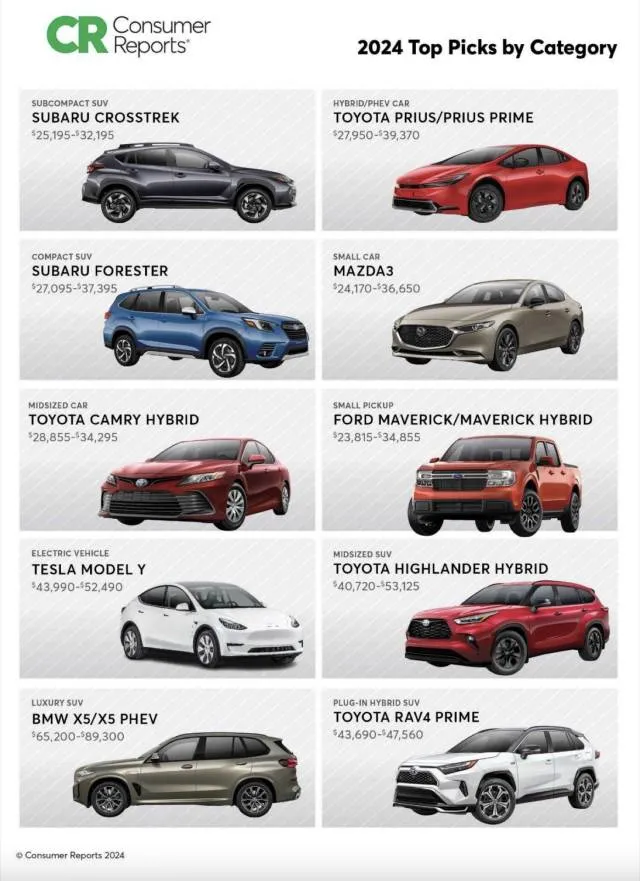
The RAV4 Prime, in particular, represents the current technical “best” of the brand. It combines the efficiency of the Prius, the practicality of a crossover, and a level of performance that rivals sports cars. This convergence of all Toyota’s strengths into a single package makes it the most well-rounded representative of the brand’s current strategic direction.

Conclusion: The Synergy of Product and Promise
So, what is the best Toyota car? From a brand strategy perspective, there is no single answer, but rather a hierarchy of excellence based on different corporate objectives:
- For Brand Volume and Trust: The Corolla remains the gold standard of global consistency.
- For Brand Heritage and Authority: The Land Cruiser is the ultimate expression of the company’s “unbreakable” promise.
- For Innovation and Ethics: The Prius is the model that redefined Toyota as a forward-thinking, responsible leader.
- For Modern Market Relevance: The RAV4 is the perfect execution of contemporary consumer desires.
The “best” Toyota is ultimately the one that best serves its intended purpose. Toyota’s genius lies not in making a single perfect car, but in creating a brand ecosystem where every model—from the humblest hatchback to the most expensive SUV—is perceived as the “best” in its respective class for reliability and value. By staying true to the philosophy of Kaizen and focusing on long-term brand equity over short-term trends, Toyota has ensured that the “best” car is always the one with the three-oval logo on the grille.
aViewFromTheCave is a participant in the Amazon Services LLC Associates Program, an affiliate advertising program designed to provide a means for sites to earn advertising fees by advertising and linking to Amazon.com. Amazon, the Amazon logo, AmazonSupply, and the AmazonSupply logo are trademarks of Amazon.com, Inc. or its affiliates. As an Amazon Associate we earn affiliate commissions from qualifying purchases.