
In the intricate world of personal finance, every expenditure presents an opportunity for optimization. Travel, often a significant line item in a household budget, is no exception. The seemingly straightforward act of booking a flight can, in fact, be a sophisticated financial maneuver, determining whether your next adventure is a budget-friendly escape or an exorbitant splurge. Understanding “what is the best time to book a flight” is not merely about convenience; it’s a strategic imperative for savvy financial planning, directly impacting your discretionary income and overall wealth management. This guide delves into the data-driven insights and expert recommendations that empower you to minimize airfare costs, transforming potential savings into additional investment capital, debt reduction, or simply more enjoyable travel experiences.
Unlocking Savings: The Financial Sweet Spot for Flight Bookings
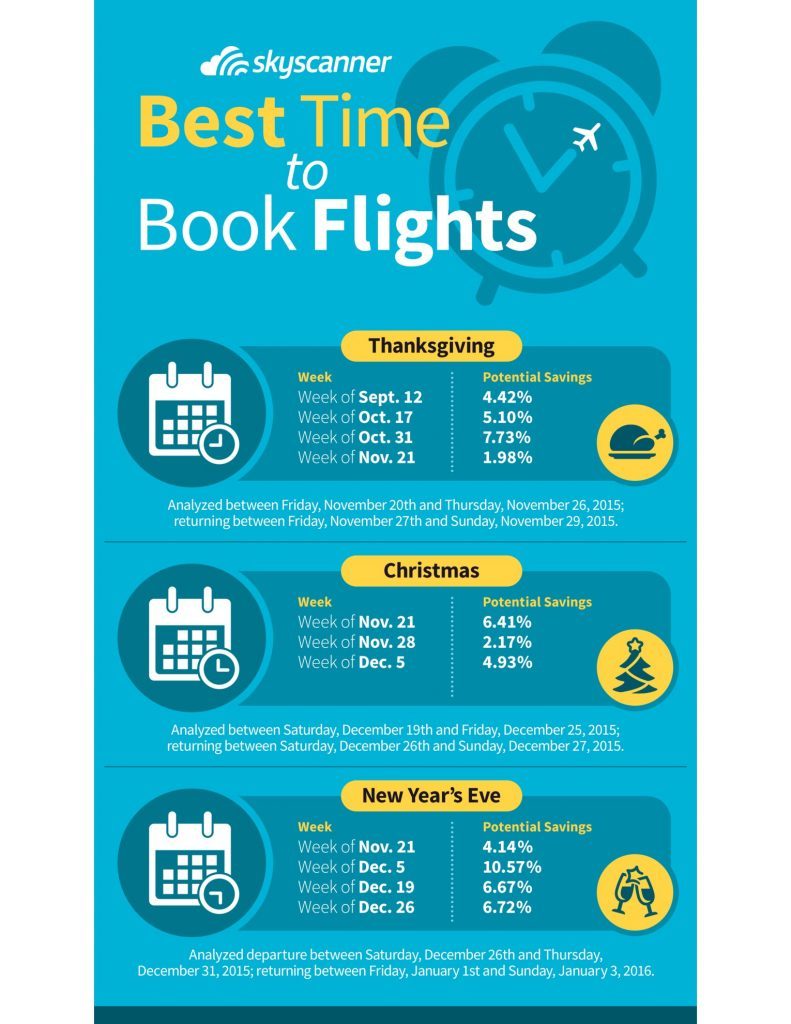
The core of financially prudent flight booking lies in identifying the optimal window – the “sweet spot” – where demand and supply align to produce the most favorable prices. This isn’t a fixed date but rather a dynamic range influenced by myriad factors, from flight distance to destination popularity. Mastering this timing is paramount for any individual or family looking to stretch their travel budget further.
The “Goldilocks Zone” for Domestic Travel: Balancing Advance Booking with Optimal Pricing
For domestic flights, data consistently points to a booking window that is neither too early nor too late, much like the “Goldilocks Zone.” Booking too far in advance, say six months out, often means airlines haven’t yet released their full spectrum of promotional fares. Conversely, waiting until the last minute typically results in significantly higher prices as airlines capitalize on urgent demand.
The sweet spot for domestic travel generally falls between one to three months (30-90 days) prior to departure. Within this window, airlines are typically adjusting fares based on initial bookings and anticipated demand, frequently offering competitive prices to fill seats. For peak travel seasons or popular routes, extending this window slightly to two to four months might yield better results, offering a buffer against rising costs. From a financial perspective, this period allows you to secure a good deal without tying up your funds too early or risking a last-minute budget shock. It provides ample time for price tracking and comparison, essential components of a disciplined financial strategy.
Navigating International Fares: Strategic Booking for Long-Haul Journeys
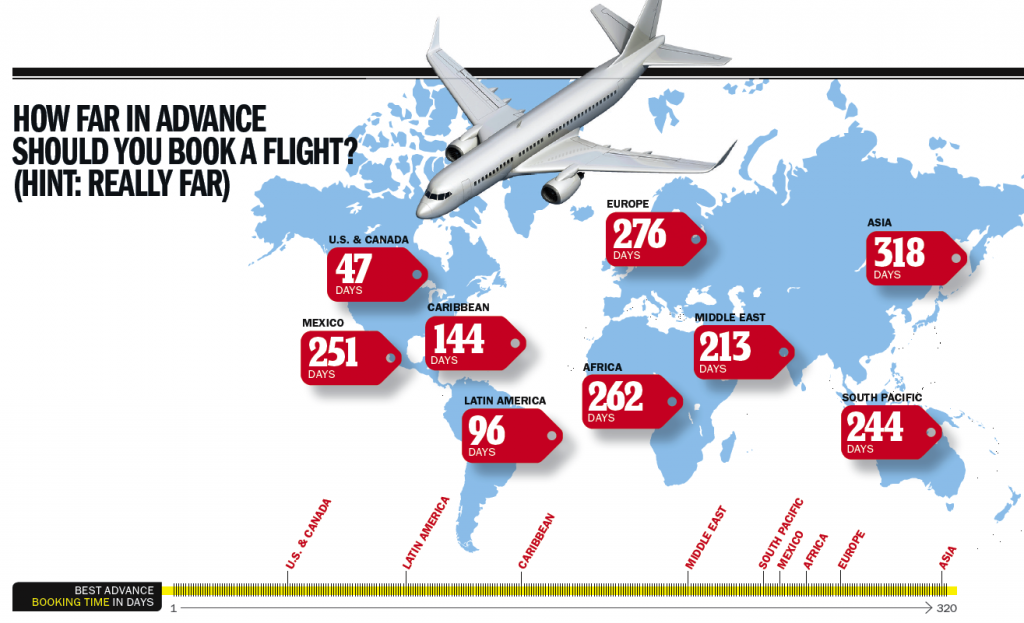
International flights introduce a different set of dynamics due to greater complexity in route planning, inter-airline agreements, and global demand patterns. The booking window for optimal international fares tends to be considerably longer than for domestic travel, reflecting the higher average cost and lead time required for such journeys.
For most international destinations, the financially prudent approach is to book between three to six months (90-180 days) in advance. Some ultra-popular or long-haul routes, particularly during peak seasons, might even necessitate booking up to eight to twelve months out to capture the best prices. The rationale here is simple: international flights have fewer seats subject to dynamic pricing changes and greater competition among carriers, but also face higher baseline costs. Early booking allows you to lock in a favorable exchange rate (if paying in a foreign currency), avoid the inevitable price hikes closer to departure, and integrate the larger expenditure into your long-term financial plan without strain. Missing this window can lead to hundreds, if not thousands, of dollars in additional costs, directly impacting other financial goals.
Myth vs. Reality: Debunking Booking Day Legends
For years, travelers have debated the “best day to book a flight,” with Tuesday often championed as the ultimate money-saving day. The theory was that airlines would release sales on Monday evenings, and competing airlines would match these prices by Tuesday morning. While there might have been some historical truth to this, modern airline pricing algorithms are far more sophisticated and dynamic.
Today, thanks to advanced revenue management systems, prices can fluctuate multiple times a day, every day of the week, based on real-time demand, competitor pricing, and inventory levels. While you might occasionally find a good deal on a Tuesday, attributing consistent savings to a specific day of the week for booking is largely a myth. The more impactful factor is when the fare is released and how quickly it’s booked by others.
From a financial perspective, what truly matters is consistency in tracking prices rather than reliance on an outdated superstition. Using price alert tools and checking fares regularly across different platforms will yield far greater financial benefits than waiting for a specific calendar day. Focus your financial energy on diligent monitoring within the sweet spot, not on outdated booking lore.
Strategic Timing: When to Fly for Maximum Savings
Beyond when you book your flight, when you actually choose to travel holds immense financial power. Adjusting your travel dates by even a single day can result in substantial savings, freeing up funds that can be reallocated to other financial priorities.
The Power of Mid-Week Departures: Exploiting Off-Peak Travel Patterns
A fundamental principle of airline pricing is demand. Weekends, particularly Friday departures and Sunday returns, are universally popular due to work schedules, leading to inflated prices. For the financially astute traveler, shifting departure and arrival days away from these peak periods is a cornerstone strategy.
Mid-week flights – typically Tuesday, Wednesday, and sometimes Thursday – are consistently cheaper. These days experience lower business and leisure travel demand, prompting airlines to offer more competitive fares to fill seats. Flying out on a Tuesday and returning on a Wednesday, for example, can often be significantly less expensive than a Friday-Sunday round trip. This strategy is particularly powerful for those with flexible schedules, like retirees, remote workers, or students, offering direct and tangible cost reductions. By exploiting these off-peak patterns, you effectively leverage economic principles to your financial advantage.
Seasonal Impact on Airfare: Understanding Demand-Driven Price Fluctuations
Airline pricing is profoundly seasonal, mirroring broader economic trends in tourism and travel. Peak seasons, driven by school holidays, summer vacations, and major cultural events, inevitably lead to higher airfares. Conversely, shoulder seasons and off-peak periods present the greatest opportunities for financial savings.
For example, booking a flight to Europe in July or August will almost always be more expensive than traveling in April, May, September, or October. Similarly, domestic travel around Thanksgiving, Christmas, or Spring Break will command premium prices. Understanding these predictable demand cycles allows you to plan your travel strategically. If your primary goal is cost savings, targeting the shoulder seasons (e.g., late spring, early autumn) or off-peak seasons (e.g., late January through early March, mid-September through October) for your destination can reduce airfare costs by hundreds of dollars. This deliberate timing is a crucial element of a cost-conscious travel budget.
Avoiding Peak Holiday Surges: Proactive Planning for Major Travel Periods
Major holidays are the bane of the budget traveler. New Year’s, Christmas, Easter, Thanksgiving, and other public holidays universally drive up airfare prices due to concentrated demand. While some travel during these times is unavoidable for family or personal reasons, proactive financial planning can mitigate the impact.
If you must travel during a major holiday, the key is to book exceptionally early – often 6-12 months out for the best rates. Furthermore, consider flying on the actual holiday itself (e.g., Christmas Day or Thanksgiving Day) rather than the days immediately preceding or following it, as these specific dates often see a dip in demand and thus lower prices. Being flexible with your departure and return days around the holiday (e.g., flying a week before and returning a week after) can also yield substantial savings. From a financial perspective, avoiding the peak travel days associated with holidays is a primary strategy for cost containment; if avoidance isn’t possible, then extreme foresight in booking becomes your next best financial tool.
Leveraging Financial Tools and Tactics for Cheaper Fares
In the digital age, a multitude of tools and tactical approaches exist to assist the financially astute traveler in securing the best possible flight prices. These aren’t just conveniences; they are essential components of a robust financial strategy for travel.
Price Alerts and Trackers: Your Personal Financial Assistant

One of the most powerful tools in your arsenal is the price alert system. Websites and apps like Google Flights, Skyscanner, Hopper, and Kayak allow you to set up alerts for specific routes and dates. When the price for your desired flight drops, you receive an immediate notification, enabling you to act swiftly.
Consider these tools as your personal financial assistants, constantly monitoring the market for opportunities to save you money. Instead of manually checking prices daily – a time-consuming and often frustrating task – these automated systems do the heavy lifting. By setting alerts within your identified “sweet spot” booking window, you ensure you don’t miss out on fleeting deals. This passive monitoring empowers you to make timely, financially advantageous decisions without continuous active effort, making it a cornerstone of efficient travel budgeting.
Incognito Mode and Cookie Clearing: A Marginal Edge?
The debate about whether browsing in incognito mode or clearing cookies truly leads to cheaper flight prices is ongoing. The theory suggests that airline and travel booking websites track your searches through cookies and, upon detecting repeated interest in a particular route, may subtly increase prices to create a sense of urgency or exploit perceived demand.
While definitive, widespread proof linking cookie tracking directly to significant price increases is often elusive and heavily debated, it costs nothing to employ this tactic. Browsing in incognito or private mode (which prevents websites from storing new cookies) or clearing your browser’s cookies before a fresh search are simple steps. At worst, they do nothing; at best, they might prevent a perceived psychological pricing trick. From a financial perspective, if there’s even a marginal chance of saving money by taking a simple action, it’s a worthwhile tactic to integrate into your flight search routine. Think of it as a low-effort, potentially high-reward gamble in your financial strategy.
The Value of Flexibility: Dates, Airports, and Airlines
Flexibility is arguably the most valuable asset a budget traveler possesses. The more rigid your travel parameters, the more you limit your options and, consequently, your potential for savings.
- Flexible Dates: Being able to shift your departure or return by a day or two can unlock significantly cheaper fares. Many flight search engines offer “flexible date” views (e.g., Google Flights’ calendar view), allowing you to visually identify the cheapest days to fly around your desired period. This is often the single biggest driver of savings.
- Flexible Airports: If your destination has multiple airports (e.g., London has Heathrow, Gatwick, Stansted, Luton), or if you’re open to flying into a slightly further airport and taking ground transport, you can often find cheaper flights. The extra transit time might be a small price to pay for substantial financial savings.
- Flexible Airlines: Don’t be beholden to a single carrier or alliance. Be willing to mix and match airlines, including budget carriers, and consider flights with layovers if direct routes are prohibitively expensive. This open-mindedness expands your pool of affordable options.
Embracing flexibility in these three areas directly translates to greater control over your travel budget. It allows you to pivot towards the best financial opportunities rather than being constrained by non-negotiable preferences that inflate costs.
Beyond the Basics: Advanced Money-Saving Strategies
For those truly committed to maximizing their travel budget and achieving superior financial outcomes, several advanced strategies extend beyond the typical booking advice.
Considering Budget Airlines and Alternative Airports
While major carriers offer comfort and direct routes, budget airlines can provide substantial cost savings, particularly for short to medium-haul flights. Companies like Ryanair, EasyJet, Southwest, Spirit, and Frontier are designed to offer lower base fares by unbundling services (e.g., charging for baggage, seat selection, meals).
When considering budget airlines, it’s crucial to perform a total cost analysis. Add up the base fare, baggage fees, seat selection fees, and any other add-ons to ensure the “cheap” ticket remains cheap. Often, budget airlines fly into smaller, alternative airports that are further from city centers, requiring additional time and cost for ground transport. Factor these into your overall financial calculation. This approach requires more diligence but can lead to significant savings for the financially savvy traveler who values economy over premium services.
Maximizing Loyalty Programs and Credit Card Rewards
Smart use of loyalty programs and credit card rewards can transform travel from an expense into a tangible benefit. By strategically earning and redeeming points or miles, you can effectively reduce or even eliminate the cash cost of flights.
- Airline Loyalty Programs: Consistently flying with a single airline or alliance can earn you elite status, which provides benefits like free baggage, lounge access, and upgrade opportunities – all of which translate to indirect financial savings. Accumulating miles allows for redemption for flights, saving direct cash outflow.
- Travel Credit Cards: Many credit cards offer lucrative sign-up bonuses (tens of thousands of points or miles) and ongoing rewards for travel-related spending or everyday purchases. Redeeming these points for flights can equate to hundreds or thousands of dollars in free travel annually. However, it’s crucial to manage these cards responsibly, paying off balances in full each month to avoid interest charges that would negate any travel benefits. This strategy requires diligent financial management and understanding of reward structures, making it a powerful tool for the financially disciplined.
The Art of the Layover: Trading Time for Dollars
Direct flights offer convenience but often come at a premium. For those with financial priorities, embracing the layover can be a highly effective cost-saving strategy. Flights with one or more stops are almost invariably cheaper than non-stop options for the same route.
This strategy involves a direct trade-off: your time for financial savings. A longer layover or an additional stop can reduce airfare by a significant margin. For some, a deliberately chosen long layover (e.g., 8-12 hours) can even become a mini-adventure, allowing for a brief exploration of a new city – essentially a free bonus destination. When considering this option, factor in potential costs for meals during layovers or airport amenities. This deliberate choice to sacrifice convenience for financial gain is a hallmark of strategic budget travel.
Continuous Monitoring and Long-Term Financial Planning for Travel
The pursuit of optimal flight prices isn’t a one-off event; it’s an ongoing process that benefits from continuous monitoring and integration into a broader financial strategy.
Building a Travel Fund: A Proactive Financial Approach
The most effective way to manage travel expenses is to plan for them proactively. Establishing a dedicated “travel fund” as part of your overall savings strategy ensures that when the perfect flight deal emerges, you have the liquidity to seize the opportunity. Regularly contributing a small amount to this fund – whether weekly, bi-weekly, or monthly – transforms what could be a large, sudden expense into a manageable, budgeted allocation. This proactive financial discipline reduces stress, prevents impulse spending from other accounts, and aligns travel goals with your broader financial objectives.
Staying Informed: Subscribing to Deal Alerts and Travel News
The world of airfare is constantly in flux. Airlines regularly launch flash sales, error fares, and limited-time promotions. Staying informed about these transient opportunities is key to locking in exceptional deals. Subscribing to newsletters from flight deal aggregators (e.g., Scott’s Cheap Flights, The Flight Deal) and following travel news outlets can provide timely alerts. These services act as an extension of your financial vigilance, bringing lucrative opportunities directly to your inbox. While not every deal will fit your travel plans, being in the loop ensures you’re prepared to act when the right one comes along.
The Cumulative Impact of Smart Booking: Long-Term Travel Savings
The cumulative effect of consistently employing smart booking strategies cannot be overstated. Each time you save $50, $100, or even $500 on a flight, that money becomes available for other purposes. Over several trips or a year of travel, these savings can add up to thousands of dollars. This freed-up capital can be directed towards investments, bolstering your emergency fund, accelerating debt repayment, or funding other significant life goals.
Ultimately, understanding the best time to book a flight is not just about scoring a cheap ticket for a single trip; it’s about embedding a financially savvy mindset into your travel planning. It’s about recognizing that every dollar saved on airfare is a dollar earned for your financial future. By diligently applying these insights and leveraging the available tools, you transform the complex task of flight booking into a powerful component of your overall financial success.
aViewFromTheCave is a participant in the Amazon Services LLC Associates Program, an affiliate advertising program designed to provide a means for sites to earn advertising fees by advertising and linking to Amazon.com. Amazon, the Amazon logo, AmazonSupply, and the AmazonSupply logo are trademarks of Amazon.com, Inc. or its affiliates. As an Amazon Associate we earn affiliate commissions from qualifying purchases.