
In the modern era of the “Internet of Things” (IoT), the kitchen has evolved from a room of utility into a high-tech command center. At the heart of this transformation is the refrigerator—no longer just a “cold box” but a sophisticated piece of thermal engineering. When consumers ask, “What is the best temp for a fridge?” they are no longer just looking for a number on a dial; they are seeking to understand how digital precision, smart sensors, and advanced cooling algorithms can optimize food preservation, minimize energy consumption, and integrate into a broader smart home ecosystem.
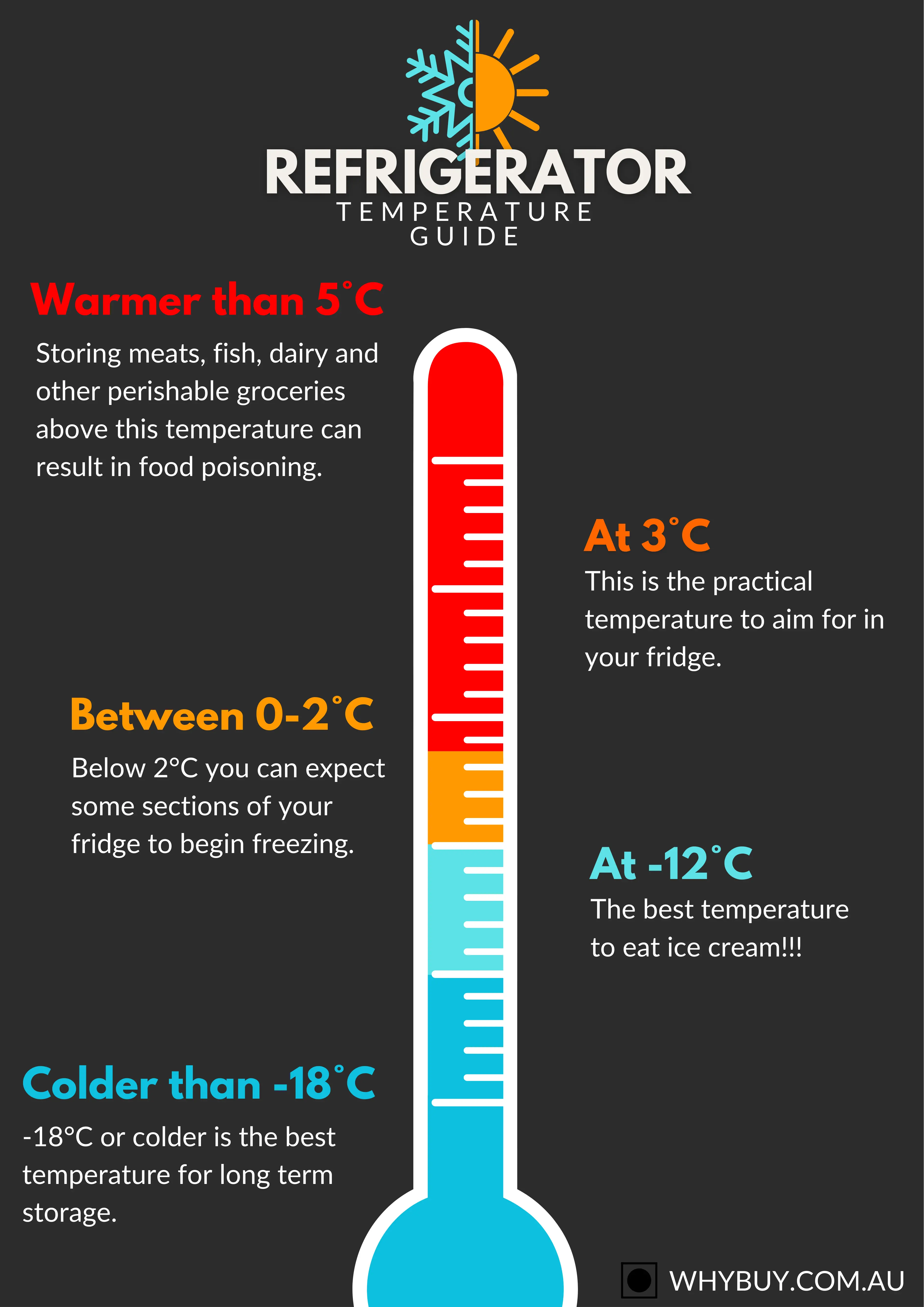
The consensus among food safety experts and appliance engineers is that the ideal refrigerator temperature is 37°F (3°C). However, maintaining this “golden standard” consistently is a feat of modern technology. This article explores the technical nuances of temperature management in the digital age, examining how hardware and software converge to keep our perishables safe.
The Science of Thermal Precision: Why 37°F is the Digital Benchmark
Achieving the perfect internal environment requires more than just a cooling element. It requires a feedback loop of data and mechanical response. While the FDA recommends keeping refrigerators at or below 40°F (4°C) to prevent bacterial growth, the tech industry has pushed for a tighter margin of error.
The Role of Digital Thermostats and NTC Thermistors
In legacy refrigerators, temperature was managed by simple mechanical thermostats that operated on a wide “swing”—the compressor would kick in when the air grew too warm and shut off once it reached a specific cold point. This resulted in significant fluctuations.
Modern tech-driven fridges utilize Negative Temperature Coefficient (NTC) thermistors. These are highly sensitive sensors that change their electrical resistance based on temperature. This data is fed into a microprocessor that can detect a change as small as 0.1 degrees. This level of precision ensures that the “best temp” isn’t just a goal, but a constant reality, preventing the “micro-freezing” of delicate produce or the dangerous warming of dairy products.
Multi-Sensor Arrays and Airflow Logic
Modern refrigerators do not rely on a single sensor. High-end models feature multi-sensor arrays placed strategically near the door, the crisper drawers, and the evaporator coils. This creates a spatial data map of the fridge’s interior. When the system detects that the door has been opened—a common “thermal event” in tech terms—it triggers high-speed fans and adjusts the airflow logic to prioritize the areas that lost the most cold air. This rapid recovery is essential for maintaining the 37°F benchmark in a high-traffic household.
IoT and the Smart Fridge Ecosystem: Monitoring Beyond the Kitchen
The question of fridge temperature has moved from the kitchen floor to the palm of our hands. Connectivity is the defining feature of the current appliance generation, allowing users to monitor and adjust their cooling environments via smartphone applications.
Real-Time Alerts and Push Notifications
One of the most significant tech advancements in food safety is the implementation of push notifications. If a fridge door is left ajar or if a mechanical failure causes the temperature to rise above 40°F, the appliance sends an immediate alert to the user’s phone. This integration of mobile technology and hardware sensors eliminates the guesswork of food safety. Users no longer have to wonder if their fridge stayed cold during a workday power flicker; the app provides a historical data log of temperature performance.

Integration with Home Automation Hubs
The “best temp” is also influenced by environmental factors. Smart fridges can now integrate with home automation hubs like Amazon Alexa, Google Home, or Samsung SmartThings. Through these integrations, a refrigerator can adjust its cooling intensity based on the ambient temperature of the house or even the time of day. For instance, some units are programmed to perform “deep cooling” cycles during off-peak electricity hours, utilizing tech to save money while maintaining the integrity of the cold chain.
Advanced Cooling Architectures: Multi-Air Flow and Dual Evaporators
To maintain the best temperature for a fridge, the internal hardware must be as sophisticated as the software. Engineering breakthroughs in how air and moisture are handled have revolutionized the internal landscape of the modern refrigerator.
Dual Evaporator Systems
Historically, refrigerators used a single evaporator to cool both the fridge and the freezer. This was inefficient because the fridge requires high humidity to keep produce fresh, while the freezer requires bone-dry air to prevent frost. Modern tech-centric brands have introduced Dual Evaporator systems. By separating the cooling circuits, the technology can maintain the fridge at exactly 37°F with 70% humidity, while the freezer stays at 0°F with 0% humidity. This prevents the “odor transfer” that occurs when air from the freezer is circulated into the fridge, a common technical flaw in older models.
Inverter Compressor Technology
The compressor is the “engine” of the fridge. Traditional compressors are either “on” or “off,” which is an inefficient way to manage temperature. Digital Inverter Compressors are the tech industry’s answer to this. Much like a dimmer switch for a light, an inverter compressor can run at varying speeds depending on the cooling demand. If the sensors detect only a slight rise in temperature, the compressor runs at a low, energy-efficient speed. This constant, gentle adjustment maintains a much more stable environment than the harsh on-off cycles of previous generations.
The Future of Cold Storage: AI-Driven Temperature Management
We are currently entering the era of the AI-powered kitchen. Artificial Intelligence is being leveraged to take refrigerator temperature management from a reactive state to a predictive one.
Predictive Cooling Based on Usage Patterns
Machine learning algorithms are now being embedded into refrigerator control boards. These algorithms “learn” the household’s habits. For example, the AI might notice that every weekday at 5:00 PM, the fridge door is opened frequently as dinner is prepared. To compensate for the impending loss of cold air, the AI can proactively lower the temperature by a degree or two at 4:30 PM. This predictive cooling ensures that the “best temp” is maintained even during periods of heavy use.
Sustainability and Tech-Enabled Energy Efficiency
The intersection of technology and sustainability is a major trend in the appliance niche. “Best temperature” isn’t just about food safety; it’s about energy optimization. New software updates for smart fridges often include “Eco-Modes” that use AI to determine the most energy-efficient way to maintain 37°F based on the current load of the fridge. If the unit is nearly empty, the tech adjusts the airflow patterns to avoid wasting energy cooling empty space, demonstrating how software can drive environmental responsibility.

Conclusion: Data-Driven Food Preservation
In conclusion, determining the “best temp for a fridge” is no longer a matter of turning a plastic dial and hoping for the best. It is a data-driven process managed by a sophisticated suite of technologies. From NTC thermistors and digital inverter compressors to IoT connectivity and AI-driven predictive modeling, the modern refrigerator is a testament to how far kitchen technology has come.
For the tech-savvy consumer, the refrigerator is no longer a passive appliance but an active participant in the smart home. By maintaining a precise 37°F through advanced hardware and software integration, these machines do more than just keep milk cold—they protect our health, reduce food waste, and provide a level of convenience that was unimaginable just a decade ago. As we look toward the future, the integration of even more advanced AI and edge computing will likely make our cooling systems even more autonomous, efficient, and integrated into our digital lives.
aViewFromTheCave is a participant in the Amazon Services LLC Associates Program, an affiliate advertising program designed to provide a means for sites to earn advertising fees by advertising and linking to Amazon.com. Amazon, the Amazon logo, AmazonSupply, and the AmazonSupply logo are trademarks of Amazon.com, Inc. or its affiliates. As an Amazon Associate we earn affiliate commissions from qualifying purchases.