
Hard water is more than just a plumbing nuisance; it is a chemical challenge that affects the longevity of home infrastructure and the biological health of our skin and hair. In the realm of home technology and wellness gadgets, the shower filter has evolved from a simple mesh screen into a sophisticated multi-stage filtration system utilizing advanced chemical engineering. Finding the “best” filter requires a technical understanding of how these devices mitigate the effects of calcium carbonate, magnesium, and residual disinfectants like chlorine.
For tech-conscious consumers, selecting a shower filter involves analyzing flow rates, micron ratings, and the specific kinetic processes used to neutralize dissolved solids. This guide breaks down the top-tier technology currently available in the filtration market, focusing on the engineering that makes these gadgets effective against the rigors of hard water.

The Science of Filtration: Understanding KDF, Activated Carbon, and Ion Exchange
To determine which filter is best for your specific environment, you must first understand the internal architecture of the device. Most high-end shower filters do not rely on a single material; instead, they utilize a “multi-stage” approach to target different contaminants through varying chemical reactions.
Kinetic Degradation Fluxion (KDF-55)
KDF-55 is perhaps the most critical technological advancement in shower filtration. Unlike standard pitcher filters that use simple carbon, KDF-55 utilizes a high-purity copper-zinc formulation. It operates on the principle of redox (oxidation-reduction). When water passes through the KDF media, an exchange of electrons occurs, effectively neutralizing chlorine and heavy metals like lead, mercury, and chromium.
In the context of hard water, KDF is particularly effective because it can withstand high temperatures without losing efficacy. It also creates an electrolytic field that inhibits the growth of bacteria and algae within the filter housing, ensuring that the gadget itself doesn’t become a breeding ground for pathogens.
Activated Carbon and Fiber Media
While KDF handles the heavy lifting of chemical neutralization, activated carbon (often derived from coconut shells) is used to polish the water. Carbon filtration works through adsorption, where organic compounds and odors stick to the porous surface area of the carbon. In advanced models, manufacturers use “Catalytic Carbon,” which has been modified to enhance its ability to break down chloramines—a more persistent disinfectant often used by municipal water treats that standard carbon cannot fully remove.
Vitamin C (Ascorbic Acid) Filtration
A newer entry into the tech-wellness space is the Vitamin C shower filter. This isn’t just a marketing gimmick; it is a chemical solution to a specific problem. Ascorbic acid is incredibly efficient at neutralizing chlorine and chloramines instantly. While it doesn’t “soften” water in the traditional sense of removing minerals, it is often the best secondary stage for users in urban areas where high chlorine levels exacerbate the drying effects of hard water minerals.
Evaluating the Top Tech-Driven Shower Filters on the Market
The market for shower filtration gadgets is saturated, but a few specific designs stand out for their engineering integrity and tested performance. When looking for the best hardware, these categories represent the gold standard in residential water treatment.
The Multi-Stage Heavy Duty Filter
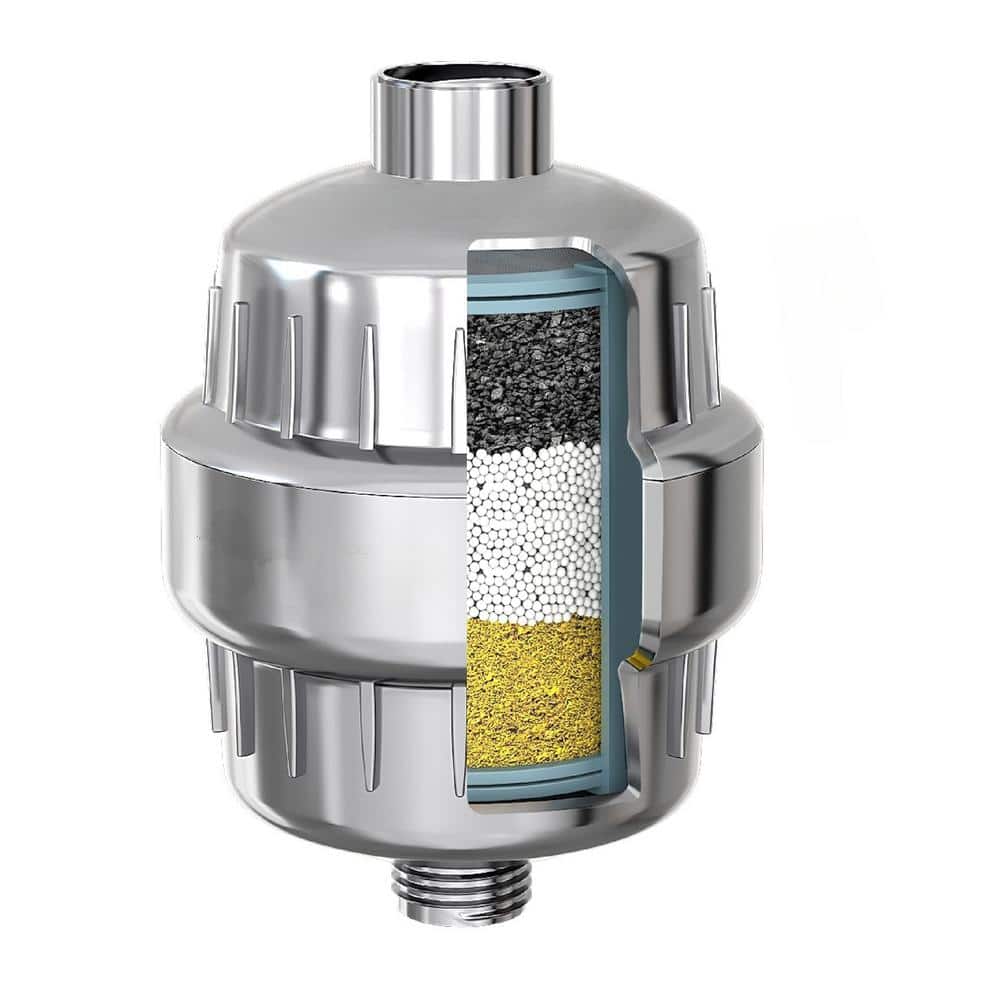
The most popular hardware configuration for hard water is the 15-stage or 20-stage inline filter. These devices are designed to be screwed directly between the shower arm and the showerhead. The internal cartridge is a vertical stack of various media, including KDF-55, calcium sulfite, activated carbon, and ceramic balls.
The “tech” advantage here is the sheer surface area contact. By forcing water through multiple layers of varying density, the filter slows down the transit time just enough to maximize chemical contact without significantly dropping the water pressure. Brands like AquaBliss have dominated this space by refining the ratio of these stages to provide a balanced output that addresses both mineral scale and chemical additives.
Inline Vitamin C Systems for High Pressure
For users who prioritize water pressure—a common technical trade-off in filtration—inline Vitamin C filters are the superior gadget. These systems typically use a transparent housing so the user can see the chemical reagent (the Vitamin C block) as it dissolves.
The technical benefit of this system is that it does not rely on a dense physical barrier (like a carbon block) to clean the water. Instead, it uses a chemical reaction that occurs almost instantaneously as water flows past the cartridge. This allows for a much higher Gallons Per Minute (GPM) flow rate, making it the best choice for those with luxury rain showerheads that require high volume.
Magnetic and Electronic Descalers: A Tech Alternative?
A more controversial but high-tech approach to hard water is the electronic descaler. While not a “filter” in the sense that it removes material, these gadgets use electromagnetic coils wrapped around the pipes leading to the shower. The theory is that the magnetic field changes the crystalline structure of the calcium and magnesium ions, preventing them from sticking to surfaces.
From a technical standpoint, these are “conditioners” rather than filters. For those living in areas with extreme “permanent hardness,” combining an electronic descaler with a physical KDF filter offers the most comprehensive technological solution for protecting both the plumbing and the skin.
Key Technical Specifications to Consider Before Buying
When reviewing shower filters, it is easy to get lost in marketing jargon. To make an informed tech purchase, you must look at the specific data sheets and performance metrics provided by the manufacturer.
Flow Rate and PSI Retention
The biggest technical failure of cheap shower filters is “pressure drop.” A standard showerhead delivers water at approximately 2.5 GPM. A poorly engineered filter can drop this significantly, leading to an unsatisfying experience. Look for filters that are rated for “High Flow” and check for the PSI (pounds per square inch) rating. The best filters are designed with a wide internal diameter to ensure that the “dwell time” (the time water spends in contact with the media) is optimized without creating a bottleneck.
Micron Ratings and Particle Capture
If your hard water issues include sediment or rust from old pipes, the micron rating of the filter’s sediment pads is vital. A 5-micron pad will catch significantly more physical debris than a 20-micron pad. However, the finer the micron rating, the more frequently the filter will need to be cleaned or replaced to prevent clogging. In modern multi-stage filters, the best designs use a graduated approach: a coarse outer mesh to catch large particles, followed by finer internal stages for chemical treatment.
Longevity and Replacement Cycles
The “life” of a filter gadget is usually measured in gallons or months. A standard high-quality cartridge should last between 10,000 and 12,000 gallons, which translates to roughly six months for a two-person household. From a maintenance perspective, the best filters are those with “easy-swap” cartridges. Tech-forward brands are now implementing transparent windows or even color-changing media that provide a visual cue when the chemical capacity of the KDF or carbon has been exhausted.
The Digital Integration of Modern Water Systems
As we look toward the future of home tech, shower filters are beginning to enter the world of the Internet of Things (IoT). While still a niche segment, the integration of sensors into water filtration hardware is changing how we manage water quality.
Smart Monitors and Usage Tracking
Some high-end filtration systems now feature Bluetooth-enabled flow meters. These gadgets attach to the filter and track exactly how many gallons have passed through the system. This data is sent to a smartphone app, providing real-time alerts when the filter’s efficiency begins to drop. This removes the guesswork associated with “six-month” estimates, which are often inaccurate depending on the actual hardness of the local water supply and the frequency of use.

The Future of Residential Filtration Tech
The next frontier in shower filter technology is the “Smart Cartridge,” which can detect specific levels of contaminants. Imagine a filter that can sense a spike in chlorine or a change in mineral density and adjust its flow path or chemical release accordingly. While we are currently in the era of passive multi-stage filtration, the transition to active, monitored systems is already underway.
In conclusion, the best shower filter for hard water is one that utilizes a combination of KDF-55 for heavy metal and chlorine reduction, activated carbon for organic impurity removal, and a high-flow design that preserves the user experience. By focusing on the technical specifications—such as GPM, redox potential, and micron ratings—consumers can move beyond basic consumer goods and invest in a piece of home hardware that significantly improves their daily environment. Whether you opt for a traditional 15-stage inline filter or a modern Vitamin C injection system, understanding the engineering behind the gadget is the key to conquering hard water.
aViewFromTheCave is a participant in the Amazon Services LLC Associates Program, an affiliate advertising program designed to provide a means for sites to earn advertising fees by advertising and linking to Amazon.com. Amazon, the Amazon logo, AmazonSupply, and the AmazonSupply logo are trademarks of Amazon.com, Inc. or its affiliates. As an Amazon Associate we earn affiliate commissions from qualifying purchases.