
While the concept of walking might seem inherently low-tech, a deeper dive reveals a fascinating intersection between human biomechanics, material science, and cutting-edge digital innovation. The quest for the “best shoes for walking” is no longer solely about personal preference; it’s increasingly informed by data-driven insights, advanced analytical tools, and the integration of smart technologies. This article explores how technology is revolutionizing our understanding and selection of walking footwear, ensuring optimal comfort, support, and performance for every stride.
The Biomechanical Blueprint: Understanding Your Walk Through Technology
The foundation of choosing the right walking shoes lies in understanding the unique biomechanics of your gait. Historically, this involved subjective assessments or limited professional analysis. Today, advanced technological tools offer precise and personalized insights, transforming how we approach footwear selection.
Gait Analysis: From Observation to Data Precision
Motion Capture and Sensor Technology: At the forefront of biomechanical analysis are sophisticated motion capture systems. These employ high-speed cameras and wearable sensors to meticulously track the movement of your feet, ankles, knees, and hips during walking. Data points such as foot pronation (inward rolling), supination (outward rolling), stride length, cadence, and ground reaction forces are captured with remarkable accuracy. This data allows for an objective assessment of your gait pattern, identifying any imbalances or inefficiencies that could lead to discomfort or injury.
Pressure Mapping: In conjunction with motion capture, pressure mapping technology provides invaluable information about how your weight is distributed across your foot during each step. Specialized insoles or mats embedded with sensors reveal high-pressure areas, indicating potential stress points. This insight is crucial for selecting shoes with appropriate cushioning and support in these specific zones. Understanding these pressure patterns helps identify the need for enhanced shock absorption or targeted arch support, directly influencing shoe construction recommendations.
AI-Powered Gait Assessment Apps: The democratization of gait analysis is underway, thanks to mobile applications leveraging artificial intelligence. By using your smartphone’s camera, these apps can record you walking and, through complex algorithms, analyze your gait. While not a replacement for professional clinical analysis, these tools offer an accessible starting point for many individuals to gain a preliminary understanding of their walking patterns and identify general footwear needs. They can suggest common gait types (e.g., neutral pronation, overpronation) and provide basic recommendations for shoe categories.
Understanding Foot Types and Arch Support: Data-Driven Solutions
The shape of your foot and the structure of your arch play a significant role in how you walk and the type of support you require. Technology helps us move beyond mere visual assessment to a more scientific approach.
3D Foot Scanning: Many modern shoe retailers and podiatry clinics now utilize 3D foot scanners. These devices create a precise digital model of your foot, capturing not only length and width but also intricate details of your arch height and shape. This detailed scan provides a comprehensive understanding of your foot’s unique contours, allowing for recommendations that perfectly match your anatomy, rather than relying on generalized sizing.
Customizable Insoles and Orthotics: Based on gait analysis and foot scans, technology enables the creation of highly customized insoles and orthotics. From 3D-printed solutions tailored to your specific foot structure and biomechanical needs to insoles with embedded sensors that provide real-time feedback on pressure and impact, these advancements offer unparalleled support and comfort. These custom solutions can significantly enhance the performance of even off-the-shelf walking shoes by addressing individual biomechanical challenges.
Material Science and Engineering: The Fabric of Future Footwear
The materials used in walking shoes have undergone significant technological advancements, moving beyond traditional leather and rubber to incorporate innovative textiles, cushioning compounds, and structural designs. These innovations are driven by a desire for enhanced durability, breathability, shock absorption, and responsiveness.
Advanced Cushioning Technologies: Absorbing Impact, Enhancing Comfort
Responsive Foams and Gels: Modern walking shoes often feature proprietary cushioning systems developed through extensive material research. These include advanced EVA (ethylene-vinyl acetate) foams with varying densities and energy return properties, as well as gel or air-infused units strategically placed within the midsole. The goal is to absorb impact forces effectively, reducing stress on joints and muscles, while also providing a responsive feel that propels you forward with each step. Brands invest heavily in material science to create foams that offer a balance of softness for comfort and firmness for stability.
Energy Return Systems: Some of the most exciting advancements in cushioning focus on energy return. These technologies aim to capture the energy generated during the impact phase of walking and return it to the wearer during the push-off phase. This can lead to a more efficient and less fatiguing walking experience, especially over longer distances. This is often achieved through novel foam compositions, innovative midsole geometries, and the integration of plates or stiffening elements.
Breathable and Durable Textiles: Regulating Temperature and Longevity
Engineered Mesh and Knit Uppers: Gone are the days of stiff, unyielding upper materials. Today’s walking shoes frequently utilize engineered mesh and knit fabrics. These are designed with varying degrees of breathability, flexibility, and support, often incorporating zones of tighter weave for structural integrity and looser weave for ventilation. This not only enhances comfort by allowing for better air circulation and moisture wicking, keeping feet dry and cool, but also contributes to the shoe’s overall lightweight feel.
Durable Outsole Compounds: The outsole is critical for traction and longevity. Advancements in rubber compounds have led to materials that offer superior grip on a variety of surfaces while also resisting abrasion and wear. Some outsoles incorporate specific tread patterns and flex grooves, engineered through computational fluid dynamics and wear-testing simulations, to optimize grip and promote natural foot movement.
Smart Shoe Technology: Integrating Wearables for Enhanced Performance
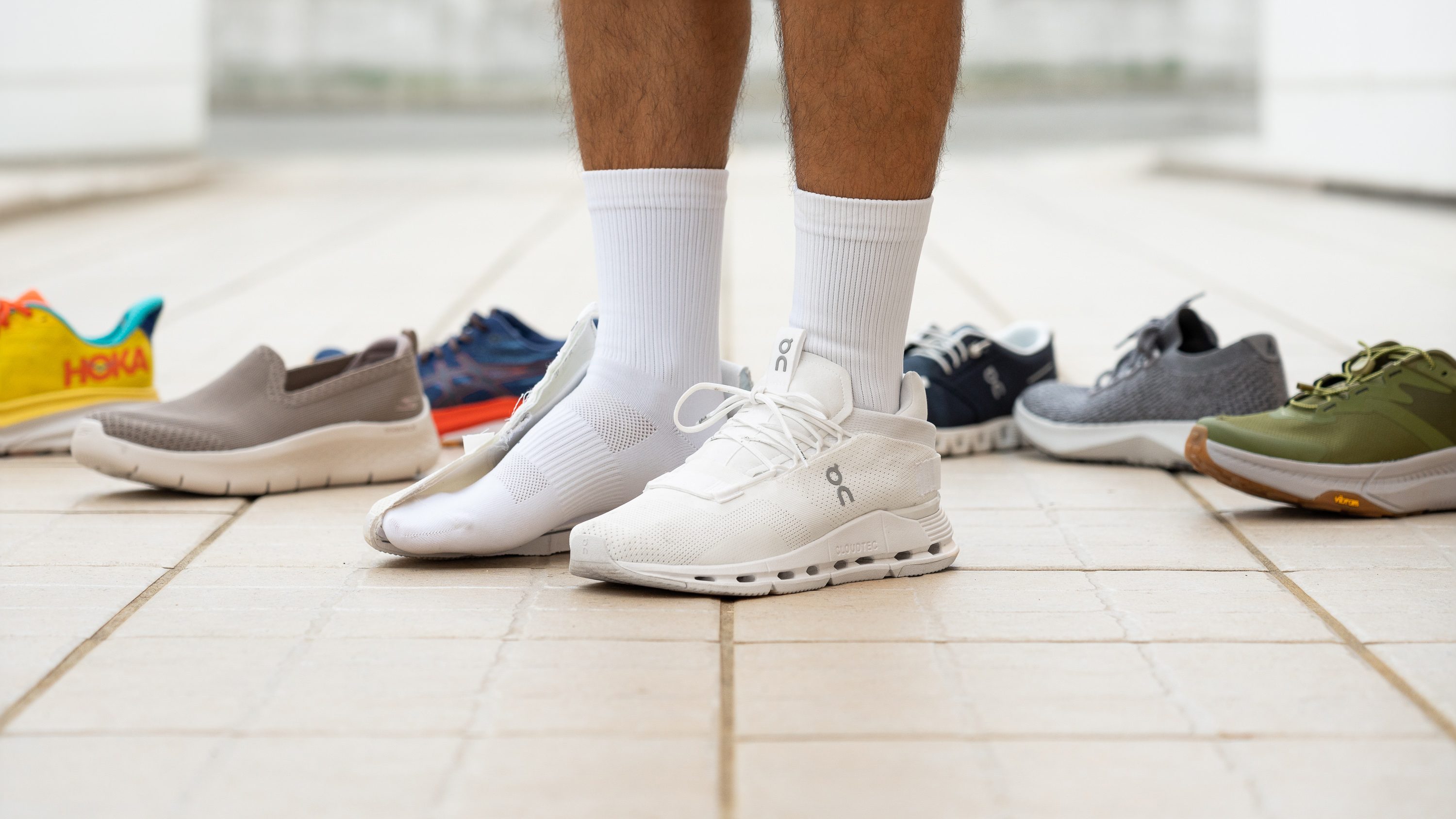
The integration of smart technology directly into walking shoes is an emerging frontier, offering real-time data and personalized feedback to elevate the walking experience.
Embedded Sensors: Some advanced walking shoes come equipped with embedded sensors that can track a range of metrics beyond what a smartwatch can typically capture. These can include detailed gait analysis, impact data, and even calorie expenditure estimations that are more precise due to direct foot-strike measurement. This data can be synced to a companion app, providing users with a comprehensive overview of their walking performance.
Connectivity and App Integration: These smart shoes connect wirelessly to smartphones or other devices, allowing for seamless data transfer. Companion apps offer detailed analytics, historical tracking, personalized training plans, and even real-time coaching cues based on your gait and performance. This level of integration transforms walking from a simple activity into a data-rich, performance-oriented pursuit.
Choosing Your Tech-Enhanced Walking Companion: A Practical Guide
Navigating the landscape of technologically advanced walking shoes can be daunting. However, by understanding the key features and utilizing available tools, you can make an informed decision that prioritizes your comfort and well-being.
Leveraging Digital Resources for Informed Selection
Online Reviews and Comparison Platforms: The digital realm offers a wealth of information. Reputable review websites and e-commerce platforms provide detailed user reviews, expert analyses, and side-by-side comparisons of different walking shoe models. Look for reviews that discuss specific technological features, cushioning systems, and suitability for various walking conditions.
Virtual Try-On and Fit Technologies: Some online retailers are experimenting with virtual try-on technologies that use augmented reality to overlay shoe models onto your feet via your smartphone camera. While still evolving, these tools can offer a preliminary visual indication of fit and style. More importantly, many platforms now offer detailed sizing charts and fit guides based on extensive data, helping you choose the correct size even when shopping online.
AI-Powered Shoe Recommendation Engines: Increasingly, online retailers are implementing AI-powered recommendation engines. By answering a series of questions about your walking habits, foot type, and preferences, these engines can suggest specific shoe models that are most likely to meet your needs. These algorithms learn from vast datasets of customer behavior and product specifications to provide tailored recommendations.
Professional Consultation and Wearable Integration
Podiatrist and Biomechanics Specialist Consultations: For individuals with persistent foot pain or specific biomechanical issues, consulting a podiatrist or a biomechanics specialist remains invaluable. They can utilize advanced diagnostic tools, including those mentioned earlier, to provide a precise diagnosis and personalized recommendations for footwear and orthotics.
Integrating Smartwatch Data with Footwear Choices: If you already use a smartwatch or fitness tracker to monitor your walking, consider how this data can inform your shoe choice. High steps counts, long distances, or frequent intense walks might necessitate shoes with superior cushioning and durability. Analyze your activity data to understand the demands you place on your feet, and choose footwear that can adequately support those demands.
The Future of Walking Footwear: Continuous Innovation
The evolution of walking shoes is far from over. As technology continues to advance, we can anticipate even more sophisticated innovations that will further enhance comfort, performance, and personalization.
Personalized Footwear: The Ultimate Customization
3D Printing and On-Demand Manufacturing: The potential for 3D printing in footwear is immense. Imagine shoes that are not only custom-fitted but also printed with materials optimized for your specific gait and biomechanical needs. On-demand manufacturing could allow for rapid prototyping and production of highly personalized walking shoes, catering to every individual’s unique requirements.
Biometric Feedback Loops: Future smart shoes might incorporate more advanced biometric sensors that provide real-time feedback on physiological responses to walking, such as heart rate variability or fatigue levels. This data could then be used to dynamically adjust shoe cushioning or support mechanisms, creating a truly adaptive and responsive walking experience.
Sustainability and Smart Materials
Eco-Friendly and Biodegradable Materials: As technological advancements in material science continue, there’s a growing emphasis on developing sustainable and eco-friendly alternatives. This includes exploring biodegradable compounds, recycled materials, and manufacturing processes that minimize environmental impact, ensuring that our pursuit of comfort doesn’t come at the expense of the planet.
Self-Healing and Adaptive Materials: Researchers are exploring self-healing materials that can repair minor damage, extending the lifespan of walking shoes. Additionally, adaptive materials that can change their properties in response to environmental conditions or user needs, such as altering their stiffness or insulation, represent another exciting avenue for future footwear innovation.
In conclusion, the “best shoes for walking” are no longer defined by a single answer but rather by a personalized, data-informed approach powered by technology. By understanding the biomechanical principles, embracing advanced materials, and leveraging digital tools, individuals can make more informed choices, ensuring every step is taken in optimal comfort, support, and efficiency. The future promises even greater integration of technology, paving the way for truly individualized and performance-enhancing walking footwear.
aViewFromTheCave is a participant in the Amazon Services LLC Associates Program, an affiliate advertising program designed to provide a means for sites to earn advertising fees by advertising and linking to Amazon.com. Amazon, the Amazon logo, AmazonSupply, and the AmazonSupply logo are trademarks of Amazon.com, Inc. or its affiliates. As an Amazon Associate we earn affiliate commissions from qualifying purchases.