
The landscape of remote control (RC) vehicles has undergone a radical transformation over the last decade. What was once considered a simple hobbyist toy has evolved into a sophisticated field of engineering, blending advanced electronics, high-performance materials, and cutting-edge software. Finding the “best” remote control car is no longer a matter of picking the fastest one on the shelf; it is about understanding the technological ecosystem that powers these machines. From brushless motor efficiency to the integration of telemetry and artificial intelligence, the modern RC industry represents a microcosm of automotive and aerospace innovation.

To identify the best RC car for your specific needs, one must look past the plastic shells and evaluate the hardware and software architecture beneath. Whether you are seeking a high-speed “basher” capable of surviving massive jumps or a precision “crawler” designed to navigate vertical rock faces, the technology determines the experience.
The Engineering Behind the Speed: Brushless Systems and Power Delivery
At the heart of every high-performance RC car lies its propulsion system. The transition from brushed to brushless motor technology is perhaps the most significant milestone in the history of the hobby. Brushed motors, while affordable, rely on physical contact between carbon brushes and a commutator, leading to friction, heat, and eventual mechanical failure.
In contrast, brushless motors utilize an electronic speed controller (ESC) to manage the electromagnetic field that spins the rotor. This lack of physical contact allows for higher RPMs, greater efficiency, and significantly longer lifespans. When searching for the best RC car, the “KV” rating of the motor—indicating revolutions per minute per volt—is a critical metric. High-KV motors provide explosive top-end speed, while lower-KV motors offer the torque necessary for heavy-duty off-roading.
The Role of Lithium Polymer (LiPo) Technology
No motor can perform without an adequate power source. The shift from Nickel-Metal Hydride (NiMH) to Lithium Polymer (LiPo) batteries has revolutionized power density. Modern RC cars utilize high-discharge LiPo packs capable of delivering massive bursts of current. This allows for 0-60 mph acceleration times that rival or exceed full-sized supercars. The “C” rating on a battery—its discharge rate—combined with its voltage (measured in “S” or cells), dictates the sheer violence of the car’s acceleration. A 6S or 8S system is currently the gold standard for high-end technological performance, pushing heavy 1/8 scale trucks to speeds exceeding 80 mph.
Electronic Speed Controllers (ESC) and Thermal Management
The ESC is the “brain” of the drivetrain. High-end units are now programmable via smartphone apps or specialized programmers, allowing users to adjust punch settings, braking force, and timing. Advanced ESCs incorporate thermal throttling to protect components from overheating, a common issue when pushing high-voltage systems to their limits. The integration of data logging in these units allows enthusiasts to analyze voltage sag and temperature spikes, mirroring the telemetry used in professional racing circuits.
Precision Control: Radio Systems and Stability Software
Power is nothing without control. The “best” RC car must possess a radio system that offers zero-latency communication and robust signal security. The industry-standard 2.4GHz frequency-hopping spread spectrum (FHSS) technology ensures that dozens of cars can operate in the same vicinity without signal interference—a far cry from the crystal-based AM/FM radios of the past.
Digital Servos and Steering Response
The mechanical interface between the electrical signal and the physical movement of the wheels is the servo. High-performance RC cars utilize digital, high-torque, metal-gear servos. The distinction between analog and digital servos is crucial: digital servos process signals at a much higher frequency, providing greater holding power and faster response times. For precision driving, especially in the “drift” or “touring” categories, millisecond-level response times are the difference between a perfect corner and a collision.
Stability Management and Gyroscopes
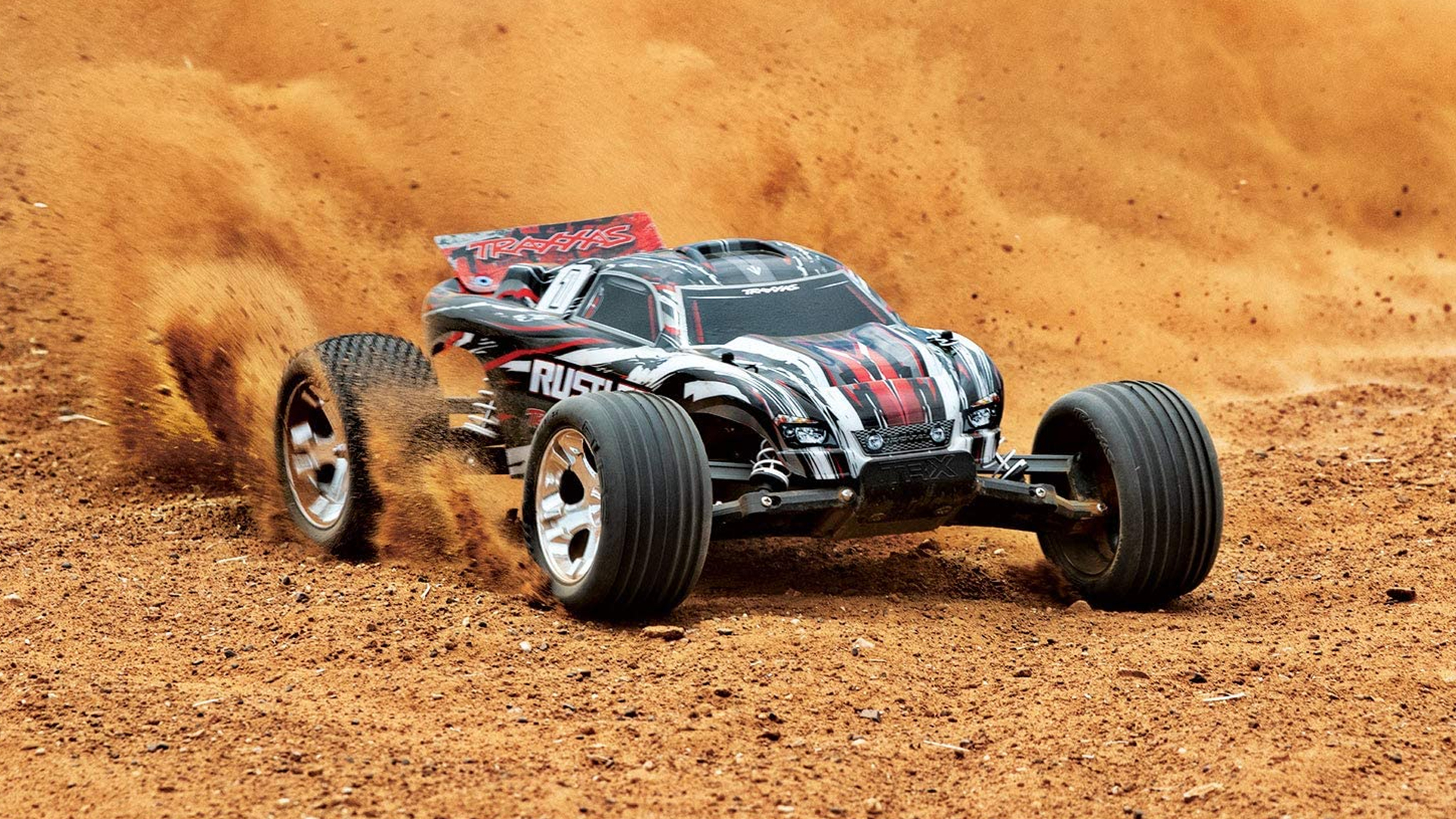
Technological advancements have introduced active stability management systems—essentially traction control for RC cars. Systems like Traxxas’s TSM (Traxxas Stability Management) or Spektrum’s AVC (Active Vehicle Control) use onboard gyroscopes and sensors to make hundreds of tiny steering and throttle adjustments per second. This technology allows a vehicle to maintain a straight line on slippery surfaces or stay composed during high-speed cornering. While some purists prefer raw manual control, these software-driven assists have made high-speed RC driving more accessible and less prone to catastrophic crashes.
Niche Specialization: Choosing the Best Tech for the Terrain
To define the “best” car, one must categorize the technology based on its intended environment. The engineering requirements for a desert racer are diametrically opposed to those of a precision rock crawler.
The High-Speed Basher: Durability and Impact Engineering
In the “basher” category—vehicles designed for jumps and stunts—the focus is on material science. The best models utilize reinforced composites, T6 aluminum chassis plates, and oil-filled shocks with massive bores. Brands like Arrma and Traxxas lead this space by integrating “modular” designs. This allows for easy maintenance while ensuring that the vehicle can absorb the kinetic energy of a 20-foot drop. The engineering of the differential is also vital here; limited-slip or fluid-filled differentials allow for better power distribution across all four wheels, preventing “pizza-cutting” tires and ensuring maximum grip.
The Scale Crawler: Torque and Precision
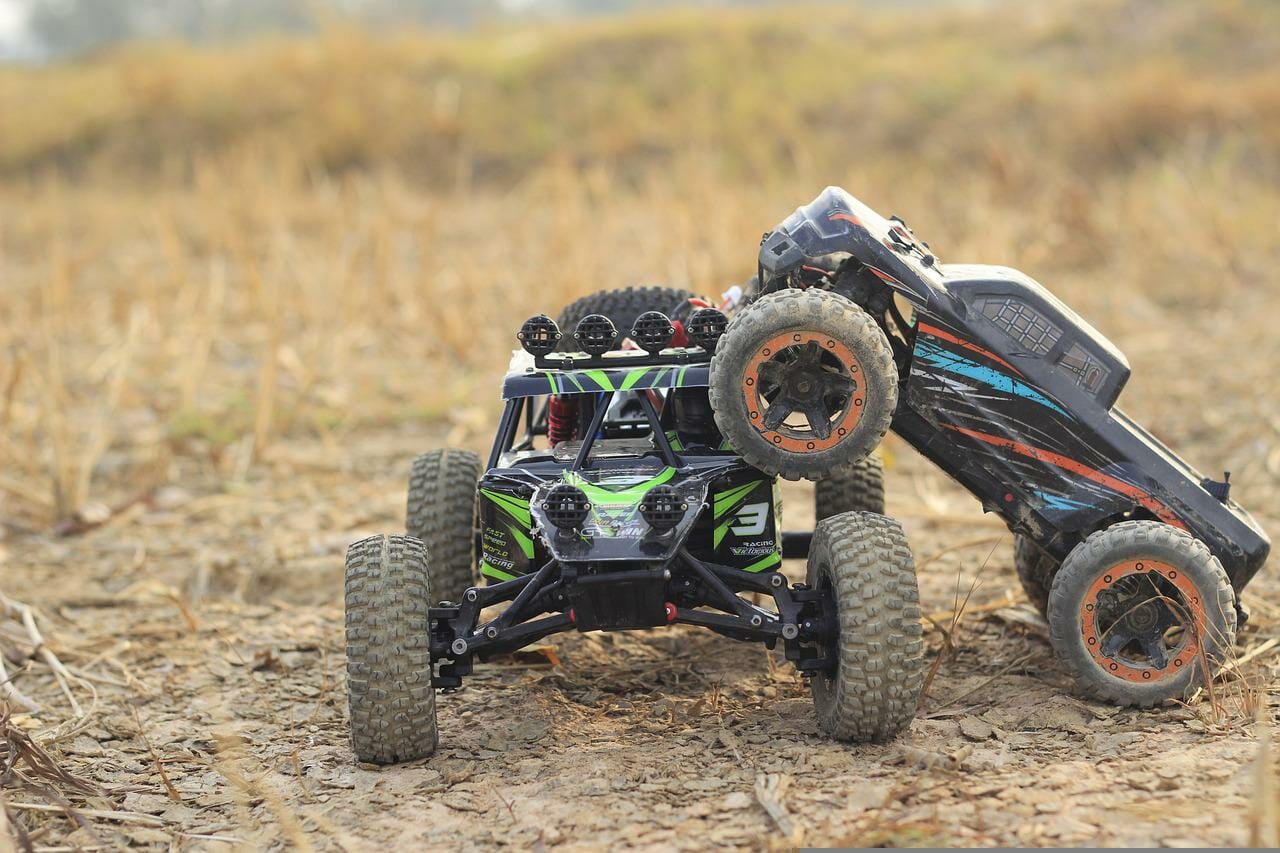
Conversely, the “best” rock crawler is defined by its low-speed control and mechanical geometry. These vehicles utilize “portal axles” to increase ground clearance and specialized brushed or sensored-brushless motors that provide smooth torque at near-zero RPM. The technology here is focused on the “drag brake”—an ESC setting that holds the vehicle stationary on a vertical incline without the driver needing to apply the brakes manually. Precision-beadlock wheels and soft-compound tires with specific foam inserts represent the peak of RC traction tech.
The On-Road Speed Run Car: Aerodynamics and Downforce
For those chasing speed records, the focus shifts to aerodynamics. Vehicles like the Arrma Infraction or the Traxxas XO-1 are designed in wind tunnels (or digital simulations) to ensure they do not lift off the ground at 100 mph. These cars feature functional diffusers, front splitters, and wings that generate significant downforce. The tires are often belted with fiberglass or Kevlar to prevent “ballooning” under the centrifugal force of extreme rotations.
The Future: FPV, Telemetry, and AI Integration
We are currently witnessing the convergence of RC cars and drone technology. This evolution is pushing the boundaries of what a “remote control” experience can be.
First-Person View (FPV) Integration
By mounting high-definition, low-latency cameras on the chassis and using VR-style goggles, drivers can experience the perspective of sitting in the driver’s seat. This requires advanced 5.8GHz video transmission systems. FPV racing for cars is a growing tech trend that demands high-bandwidth data transmission to ensure the driver sees obstacles in real-time, even at high speeds.
Real-Time Telemetry and Mobile Integration
The modern RC enthusiast often has a smartphone mounted to their transmitter. Through Bluetooth modules, the car sends real-time data back to the user. You can monitor your motor temperature, battery voltage, and current speed via GPS modules in real-time. This level of data integration allows for preventative maintenance, as the app can alert the user if the battery cell voltage is dropping too low or if the motor is reaching a critical heat threshold.
The Dawn of AI and Autonomous RC
Looking forward, we are seeing the beginning of AI integration in the RC world. Computer vision systems, similar to those found in Tesla’s Autopilot, are being experimented with in the “open-source” RC community. Projects like the “Donkey Car” utilize Raspberry Pi or NVIDIA Jetson Nano boards to allow RC cars to learn tracks and drive autonomously using neural networks. While not yet a standard feature in commercial “Ready-to-Run” models, this represents the next frontier of RC technology.
Conclusion: Defining the “Best” Through Innovation
The best remote control car is ultimately the one that pushes the boundaries of its specific category through superior electronic and mechanical integration. If speed is your metric, the best car is a 6S-powered, aerodynamically optimized speed machine with a high-end ESC. If realism and technical challenge are your goals, the best car is a sensored-brushless crawler with portal axles and high-torque digital servos.
In the current tech-driven era, an RC car is no longer just a hobbyist’s diversion—it is a high-performance computer on wheels. When you invest in a top-tier RC vehicle, you are purchasing a sophisticated piece of hardware that utilizes the same principles of physics, electronics, and software engineering found in the most advanced automotive industries. The “best” car is a testament to how far we have come from the simple radio-controlled toys of the past, offering a level of performance and durability that was once thought impossible in the miniature world.
aViewFromTheCave is a participant in the Amazon Services LLC Associates Program, an affiliate advertising program designed to provide a means for sites to earn advertising fees by advertising and linking to Amazon.com. Amazon, the Amazon logo, AmazonSupply, and the AmazonSupply logo are trademarks of Amazon.com, Inc. or its affiliates. As an Amazon Associate we earn affiliate commissions from qualifying purchases.