
In the global travel industry, the title of “best rated” is not merely a reflection of a high-quality buffet or a comfortable mattress. Instead, it is the ultimate validation of a meticulously crafted brand strategy. When consumers search for the best-rated cruise line, they are navigating a complex ecosystem of brand identities, emotional connections, and market positioning. For a cruise line, maintaining a top-tier rating is a multi-billion dollar exercise in brand consistency, ensuring that the promise made in a glossy digital advertisement is fulfilled at every touchpoint on the high seas.
To understand what makes a cruise line the “best,” we must look beyond the physical ships and examine the brand frameworks that drive consumer loyalty and institutional prestige.
1. The Power of Positioning: Defining Niche and Narrative
The cruise industry is no longer a monolithic entity; it is a fragmented market where the highest-rated brands are those that have mastered the art of “hyper-positioning.” A brand’s rating is inextricably linked to its ability to meet the specific expectations of its target demographic.
The Luxury Paradigm: Exclusivity as a Brand Pillar
Lines such as Viking, Silversea, and the Ritz-Carlton Yacht Collection consistently top the charts because their brand identity is built on the pillar of exclusivity. These brands do not attempt to be everything to everyone. Their brand strategy is rooted in “subtraction”—no casinos, no children, and no crowded main dining rooms. By narrowing their focus, they create a high-value brand narrative of sophisticated exploration. This clarity of purpose leads to higher ratings because the guest profile is perfectly aligned with the product delivery.
The Mass-Market Innovators: Engineering Joy for the Many
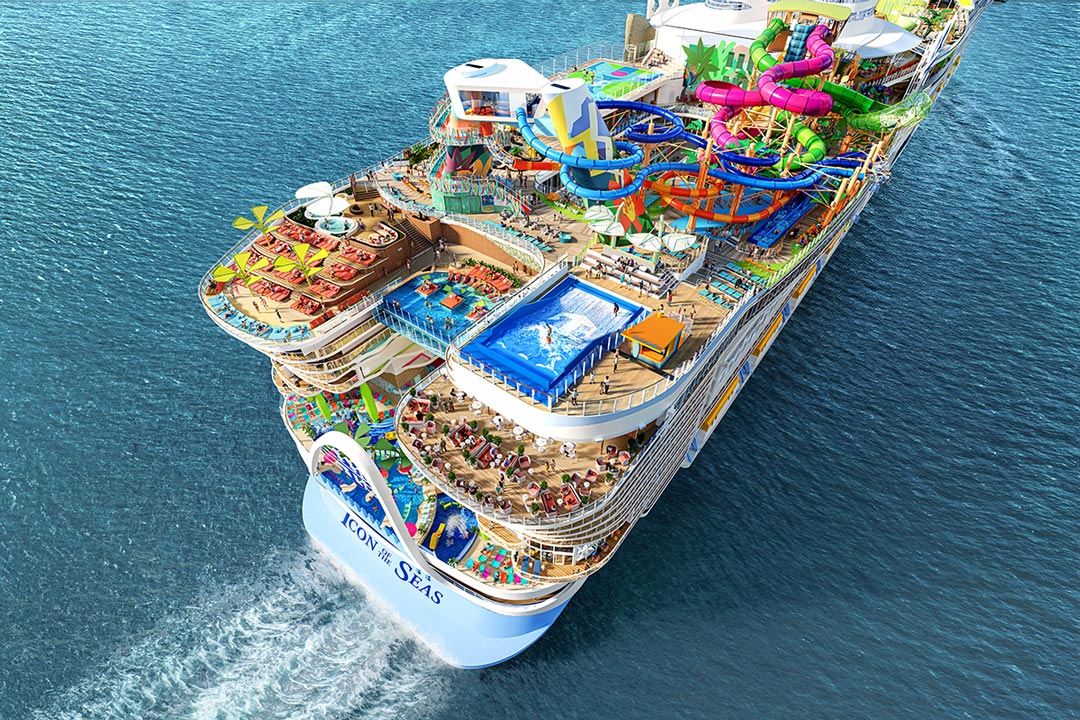
On the other end of the spectrum, brands like Royal Caribbean and Disney Cruise Line achieve high ratings through a brand identity centered on “The Ultimate Experience.” Their strategy is built on scale and innovation. For Royal Caribbean, the brand is synonymous with the “Wow” factor—onboard water parks, skydiving simulators, and robotic bartenders. Their high ratings stem from a brand promise of “never a dull moment,” a narrative that appeals to multi-generational families looking for frictionless entertainment.
2. Brand Consistency Across the Guest Journey
A brand is a promise kept. The highest-rated cruise lines are those that manage to maintain brand consistency across a sprawling, multi-year guest journey—from the first Instagram ad to the final disembarkation.
Sensory Branding and Vessel Design
For a cruise line, the ship itself is the most powerful brand asset. When a guest steps onto a Celebrity Cruises ship, the “Modern Luxury” brand is communicated through specific scents, avant-garde architecture, and curated contemporary art. This sensory branding ensures that the environment feels premium and distinct from competitors. The design language of a ship is a physical manifestation of the brand’s corporate identity, and when the physical space matches the marketing imagery, consumer trust—and ratings—soar.
The Role of Service Culture in Brand Equity
The human element is the most volatile variable in brand strategy, yet it is the primary driver of high ratings. Top-rated lines like Virgin Voyages have disrupted the industry by reimagining service culture. Virgin’s “Rebellious Luxury” brand is delivered by crew members who are encouraged to showcase their personalities rather than adhere to the stiff, formal protocols of traditional luxury lines. This alignment between employee behavior and brand personality creates an authentic experience that resonates with modern travelers, particularly Millennials and Gen Xers who value authenticity over formality.
3. Case Studies in Brand Dominance: How the Leaders Stay on Top
To identify the best-rated cruise line, one must look at the specific strategies employed by the industry’s most decorated brands. Each of these leaders occupies a distinct “mental real estate” in the mind of the consumer.
Viking: The “Thinking Person’s Cruise”
Viking has achieved unprecedented success by positioning itself as the “Thinking Person’s Cruise.” Their brand strategy is a masterclass in intellectual stimulation. By focusing on destination-centric experiences rather than onboard gimmicks, they have cultivated a brand identity associated with cultural enrichment. Their marketing material uses minimalist Scandinavian design and high-brow cultural references, which attracts a high-net-worth audience that values education over entertainment. This consistency has allowed them to dominate “Best Value” and “Best Service” categories for years.
Disney Cruise Line: The Halo Effect of an Icon
Disney’s cruise brand benefits from the immense “Brand Halo” of its parent company. Their strategy is built on the concept of “The Magic of Detail.” By integrating their world-famous intellectual property (IP) into the cruise experience—such as Marvel or Star Wars-themed spaces—they create an emotional bond that few other brands can replicate. For Disney, the high rating is a result of their ability to provide a “safe” and “magical” environment where the brand’s storied history of storytelling is woven into every deck.
Virgin Voyages: The Disruptor Brand
Virgin Voyages entered a saturated market with a clear mission: to change the way people think about cruising. Their “Adult-by-Design” branding was a strategic move to capture the “anti-cruiser.” By removing buffets, eliminating dress codes, and focusing on wellness and nightlife, they created a brand that feels more like a boutique hotel in Miami than a traditional cruise ship. Their high ratings are a testament to the power of a “Disruptor” brand strategy that identifies and solves common consumer pain points.
4. Digital Strategy and the Ecosystem of Social Proof
In the modern era, a cruise line’s rating is not just determined by travel critics; it is built in the digital trenches of social media and review platforms. The best-rated brands are those that have integrated digital strategy into their core brand identity.
Leveraging Influencer Partnerships and User-Generated Content
The brand strategy of modern cruise lines heavily involves the curation of “Instagrammable moments.” Ships are now designed with specific photo-ops in mind, ensuring that guests become brand ambassadors. When a guest shares a high-quality photo of an infinity pool or a designer cocktail, it provides “Social Proof” that is more influential than any traditional advertisement. High-rated brands actively engage with user-generated content, creating a community-driven brand narrative that feels organic and trustworthy.
The Impact of Tech-Enabled Brand Touchpoints
Digital transformation is a key component of a brand’s reputation. Royal Caribbean’s investment in its mobile app—which allows for frictionless check-ins, dining reservations, and room controls—is a brand move as much as a technological one. It reinforces the brand’s identity as an “Innovator.” When technology removes the “friction” of a vacation (such as standing in line), it directly translates to higher customer satisfaction scores and, subsequently, higher industry ratings.
5. Resilience and Evolution: Sustainability as the New Brand Frontier
The future of brand strategy in the cruise industry is increasingly tied to Environmental, Social, and Governance (ESG) criteria. As consumers become more eco-conscious, the “best rated” lines will be those that successfully integrate sustainability into their brand DNA.
From Compliance to Competitive Advantage
Forward-thinking brands like MSC Cruises and Hurtigruten are moving beyond simple environmental compliance. They are making sustainability a core pillar of their brand story. By investing in Liquefied Natural Gas (LNG) power and hybrid technology, they are positioning themselves as “Responsible Explorers.” This is a strategic pivot; as the market shifts, being a “green” brand will no longer be an optional add-on but a requirement for maintaining a premium rating.
Managing Brand Reputation in Crisis
The ability of a brand to maintain its rating during a crisis is the ultimate test of its strategy. The cruise industry has faced immense challenges in recent years, and the brands that recovered most quickly were those with the highest “Trust Equity.” Transparent communication, flexible cancellation policies, and a commitment to safety are not just operational tasks—they are brand-building exercises. A brand that stands by its customers during a crisis earns a level of loyalty that is reflected in long-term ratings and market share.

Conclusion: The Holistic View of the “Best”
Ultimately, determining the “best-rated cruise line” requires a holistic view of how a brand communicates its value to the world. It is a symphony of positioning, consistency, innovation, and trust.
Whether it is the intellectual serenity of Viking, the family-centric magic of Disney, or the high-tech adventure of Royal Caribbean, the highest ratings go to those who understand that a cruise is not just a voyage from Port A to Port B. It is a brand experience that begins months before the ship sails and lives on in the memory of the consumer long after they return home. In the competitive landscape of global travel, the most successful brands are those that realize their most valuable asset isn’t the steel and glass of their ships—it is the strength and clarity of their brand identity.
aViewFromTheCave is a participant in the Amazon Services LLC Associates Program, an affiliate advertising program designed to provide a means for sites to earn advertising fees by advertising and linking to Amazon.com. Amazon, the Amazon logo, AmazonSupply, and the AmazonSupply logo are trademarks of Amazon.com, Inc. or its affiliates. As an Amazon Associate we earn affiliate commissions from qualifying purchases.