
In the dynamic world of personal finance, few questions carry as much weight and potential impact as “what is the best mortgage rate today?” For many, a mortgage represents the largest financial commitment they will ever make, directly influencing their monthly budget, long-term wealth accumulation, and overall financial security. Yet, the concept of a “best” rate is far from static; it’s a multifaceted figure, influenced by global economic forces, national monetary policy, individual financial health, and the competitive landscape of lenders.
This article aims to demystify mortgage rates, providing a comprehensive guide to understanding what constitutes a “good” or “best” rate in today’s market. We’ll delve into the factors that drive these rates, equip you with strategies to secure the most favorable terms, and highlight the crucial role of professional advice in navigating this complex terrain. Whether you’re a first-time homebuyer, looking to refinance, or simply tracking market trends, understanding the nuances of mortgage rates is paramount to making informed financial decisions.
Understanding “Best”: More Than Just a Number
The pursuit of the “best” mortgage rate can often feel like chasing a moving target. What might be considered an excellent rate for one individual could be unattainable or even unsuitable for another. The notion of “best” is highly personalized, dependent on a unique confluence of economic conditions and individual financial circumstances.
The Dynamic Nature of Mortgage Rates
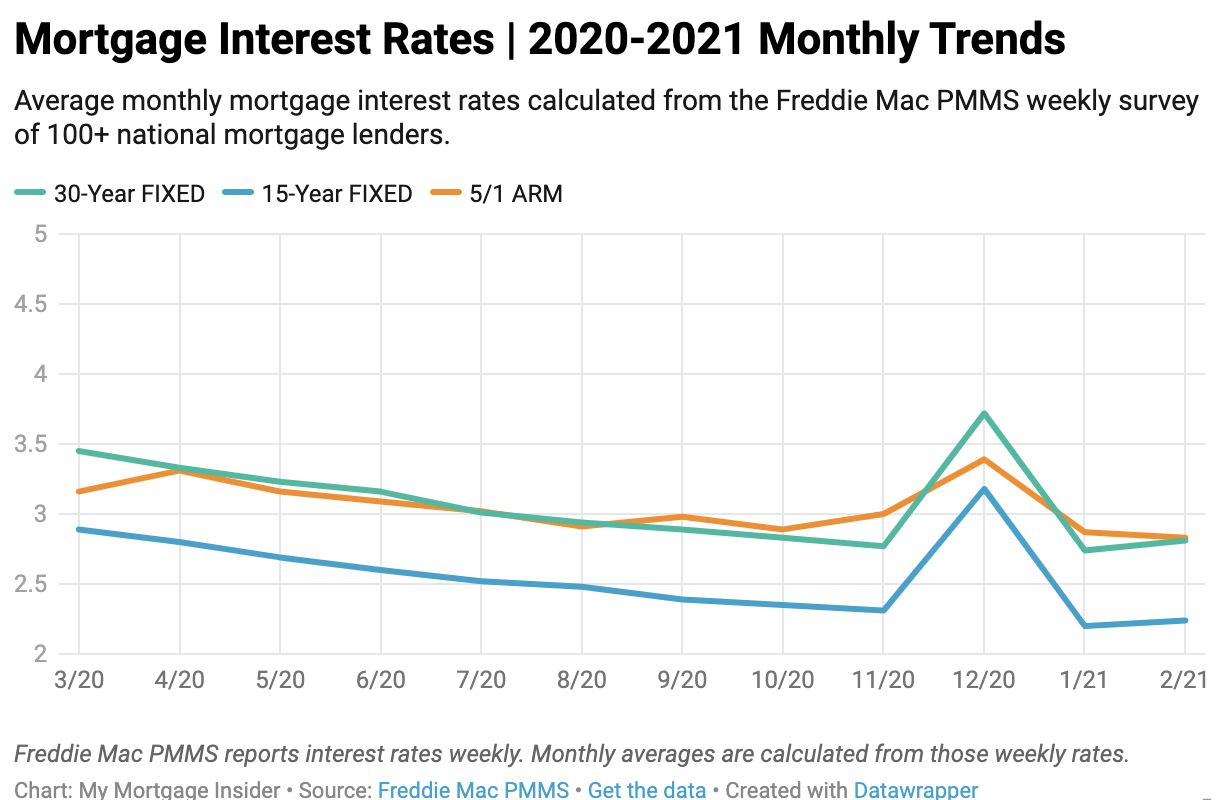
Mortgage rates are not set in stone; they fluctuate daily, sometimes even hourly. These movements are a direct reflection of broader economic health, investor sentiment, and global events. Factors like inflation expectations, employment data, geopolitical stability, and the performance of bond markets all contribute to the constant ebb and flow of interest rates. This inherent volatility means that “today’s best rate” could be different from “tomorrow’s best rate,” underscoring the importance of timely decision-making and continuous market monitoring. Savvy borrowers understand that securing a competitive rate often involves locking it in at an opportune moment.
Individual Financial Profiles Matter
While external market forces dictate the general rate environment, your personal financial profile is the most significant determinant of the specific rate you’ll be offered. Lenders assess risk, and your creditworthiness plays a pivotal role in this evaluation. A robust credit score (typically FICO scores above 740-760), a low debt-to-income (DTI) ratio, a stable employment history, and a substantial down payment all signal lower risk to lenders. In turn, these positive indicators often translate into more attractive interest rates and more flexible loan terms. Conversely, a checkered credit history or high DTI may lead to higher rates or fewer loan options, as lenders seek to compensate for perceived elevated risk.
Fixed-Rate vs. Adjustable-Rate Mortgages
When discussing “best” rates, it’s crucial to distinguish between fixed-rate mortgages (FRMs) and adjustable-rate mortgages (ARMs). A fixed-rate mortgage offers a consistent interest rate for the entire life of the loan, providing predictability in monthly payments regardless of market fluctuations. This stability is often preferred by those who plan to stay in their homes for the long term or who prioritize budget certainty.
Adjustable-rate mortgages, on the other hand, typically offer a lower initial “teaser” rate for a set period (e.g., 5, 7, or 10 years), after which the rate adjusts periodically based on a predetermined index. While ARMs can offer a lower starting payment, they introduce interest rate risk. If rates rise significantly after the fixed period, your monthly payments could increase substantially. The “best” choice between these two depends on your risk tolerance, financial projections, and how long you anticipate staying in the property. For some, a low initial ARM rate might be “best” if they plan to sell or refinance before the adjustment period; for others, the security of a fixed rate is invaluable.
Key Factors Influencing Today’s Mortgage Rates
To truly understand what constitutes a “best” mortgage rate, one must grasp the underlying economic gears that drive these figures. Mortgage rates are not arbitrarily set; they are a complex output of various macro and microeconomic indicators.
Economic Indicators: Inflation and Federal Reserve Policy
At the macro level, inflation is a primary driver of interest rates. When inflation is high or expected to rise, lenders demand higher interest rates to compensate for the erosion of purchasing power over time. The Federal Reserve plays a crucial role in managing inflation through its monetary policy. By raising or lowering the federal funds rate – the target rate for overnight lending between banks – the Fed influences interest rates across the economy, including those for mortgages. While the federal funds rate doesn’t directly dictate mortgage rates, it sets the tone for borrowing costs and impacts the yield on U.S. Treasury bonds, which are closely correlated with long-term mortgage rates. When the Fed signals a hawkish stance (raising rates to curb inflation), mortgage rates generally trend upwards.
Bond Market Performance
Mortgage rates are inextricably linked to the performance of the bond market, particularly U.S. Treasury bonds and Mortgage-Backed Securities (MBS). Mortgage lenders often sell the mortgages they originate to investors as MBS. The interest rates offered on these mortgages must be competitive with other investment options available in the bond market. If bond yields rise, mortgage rates typically follow suit to remain attractive to investors. Conversely, when investors flock to the safety of bonds during times of economic uncertainty, driving yields down, mortgage rates often decline. Monitoring the yield on the 10-year Treasury note can provide a strong indication of the direction of fixed mortgage rates.
Lender-Specific Considerations
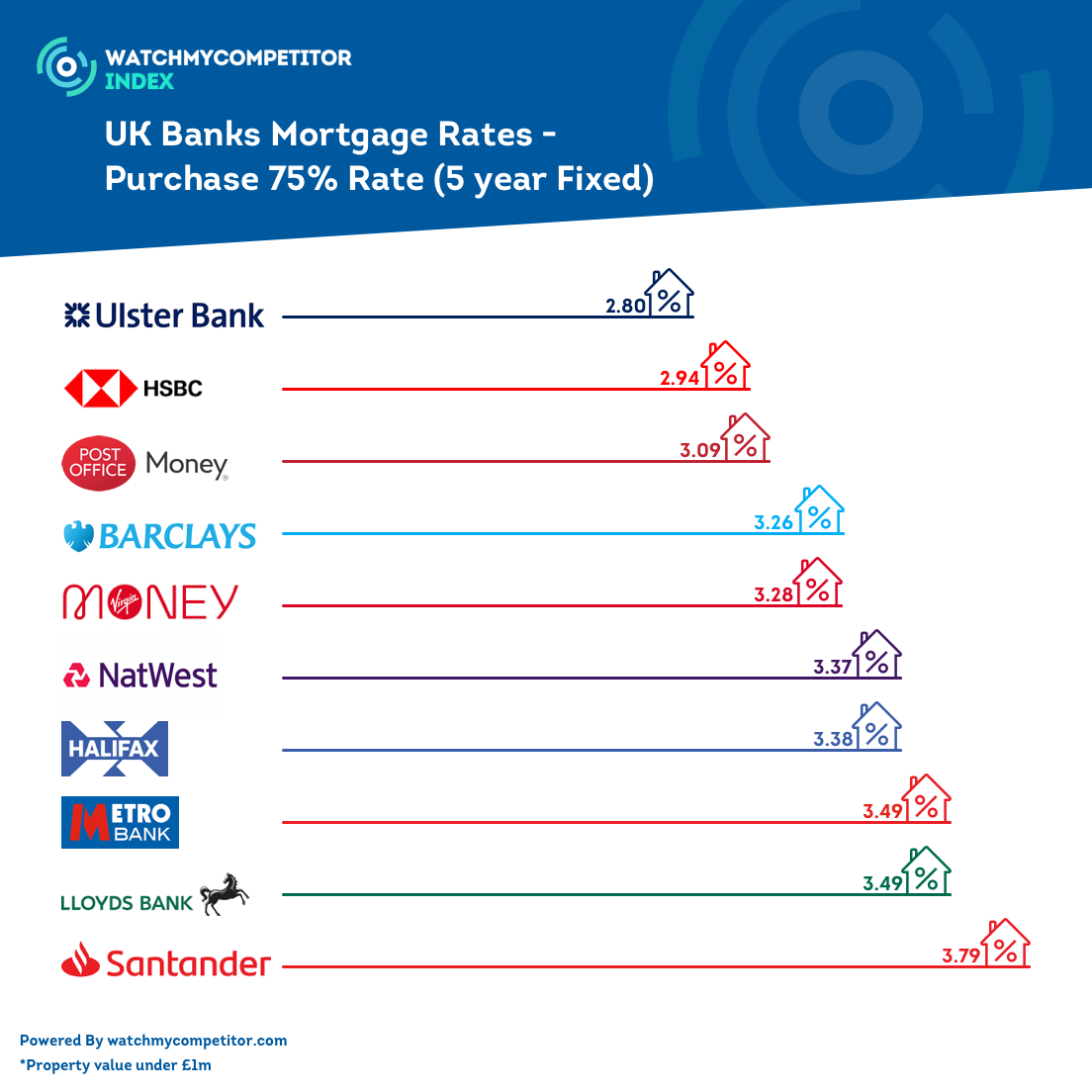
Beyond broad economic forces, individual lenders also have their own strategies and cost structures that influence the rates they offer. Some lenders specialize in certain types of loans or borrowers, offering more competitive rates in those niches. Operational costs, profit margins, and specific portfolio goals can lead to variations in rates among different financial institutions. This is why shopping around and obtaining quotes from multiple lenders is such a critical step in finding your “best” rate. Different lenders may also weigh certain aspects of your financial profile differently, resulting in varying offers.
Your Credit Score and Financial Health
As mentioned, your personal financial health is a paramount factor. A higher credit score (e.g., above 760) typically grants access to the lowest advertised rates because it signifies a lower risk of default to the lender. Conversely, scores below 620 may make it difficult to qualify for conventional loans, often necessitating FHA or VA loans, which might have different rate structures. Beyond the score itself, lenders evaluate your debt-to-income (DTI) ratio, employment stability, savings, and assets. A low DTI (ideally below 36%) demonstrates your ability to manage additional debt, making you a more attractive borrower. The size of your down payment also matters; a larger down payment (e.g., 20% or more) reduces the loan-to-value (LTV) ratio, signaling lower risk and often leading to better rates and avoiding private mortgage insurance (PMI).
Strategies for Securing a Competitive Mortgage Rate
Finding the “best” mortgage rate isn’t just about waiting for market conditions to align perfectly; it also involves proactive strategies on your part to position yourself as an ideal borrower.
Boosting Your Creditworthiness
Before even applying for a mortgage, take steps to optimize your credit score. Pay down existing debts, especially credit card balances, to lower your credit utilization ratio. Avoid opening new credit accounts or making large purchases that could impact your score. Dispute any errors on your credit report. A few months of focused effort can significantly improve your score, potentially shaving basis points off your interest rate, which translates to thousands of dollars saved over the life of the loan.
Optimizing Your Down Payment
The more you can put down upfront, the less you need to borrow, and the less risk the lender assumes. A down payment of 20% or more often eliminates the need for private mortgage insurance (PMI), which is an additional monthly cost. Beyond avoiding PMI, a larger down payment can often qualify you for a slightly lower interest rate, as it demonstrates greater financial stability and commitment. If a 20% down payment isn’t feasible, explore options like FHA loans (which allow for down payments as low as 3.5%) or conventional loans with 3% or 5% down, but be mindful of associated costs like PMI.
Shopping Around: The Power of Comparison
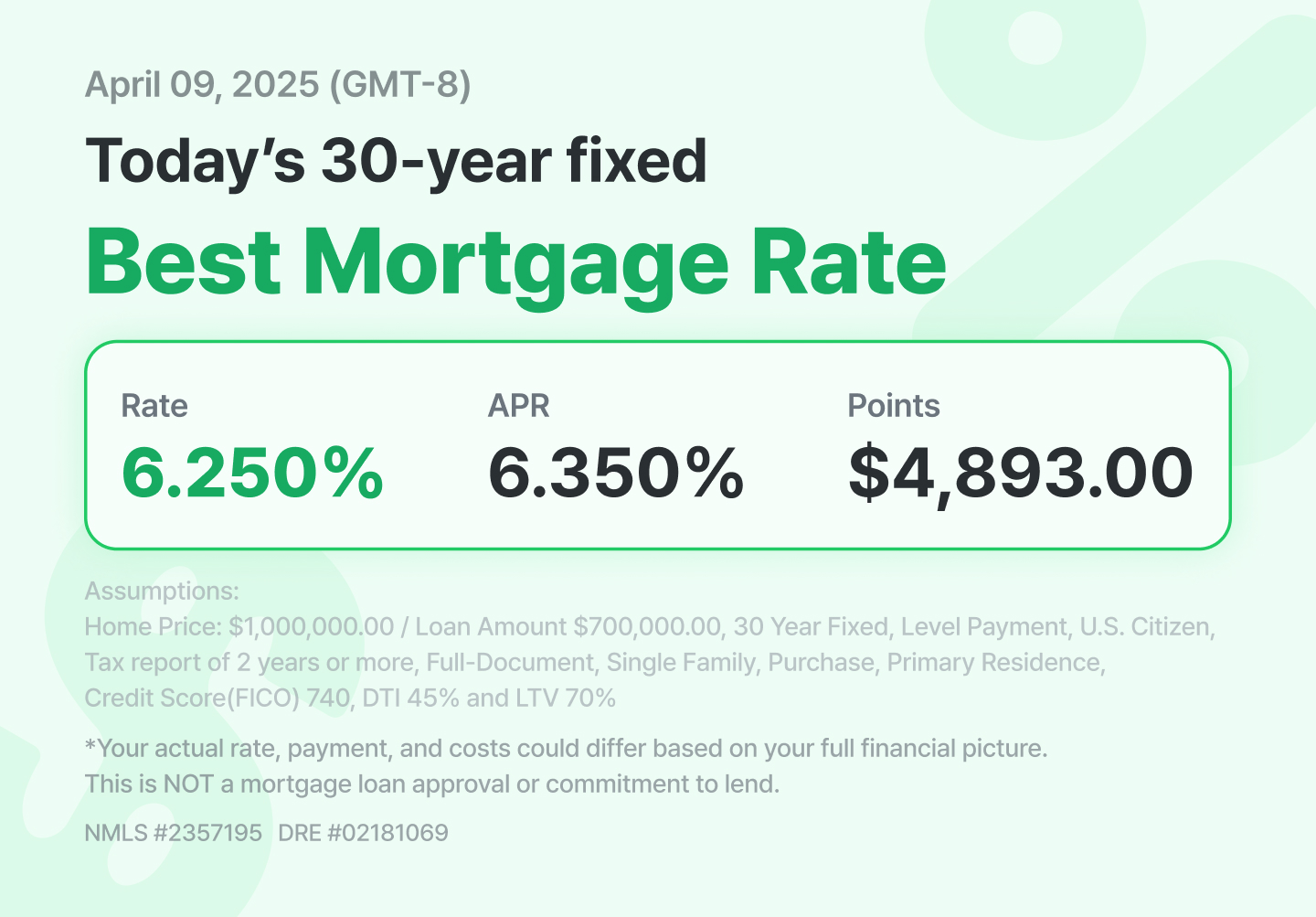
This is perhaps the most critical strategy. Do not settle for the first offer you receive. Contact multiple lenders – including large banks, local credit unions, and online mortgage providers – and request personalized rate quotes. Lenders have different underwriting standards, fee structures, and rate sheets. A difference of even a quarter-point in the interest rate can save you tens of thousands of dollars over a 30-year mortgage. Use a standardized loan estimate to compare offers side-by-side, paying close attention to the interest rate, APR (Annual Percentage Rate, which includes fees), closing costs, and any points.
Considering Mortgage Points
Mortgage points, also known as discount points, are fees paid to the lender at closing in exchange for a lower interest rate. One point typically equals 1% of the loan amount. For example, on a $300,000 mortgage, one point would cost $3,000. Deciding whether to pay points is a break-even analysis. You need to calculate how long it will take for the savings from the lower interest rate to offset the upfront cost of the points. If you plan to stay in the home for a long time, paying points might be a wise investment. If you anticipate selling or refinancing within a few years, it might not be worth it.
Navigating the Application Process and Beyond
Once you’ve done your homework, the application process itself requires careful attention to detail and strategic timing.
Gathering Essential Documentation
Prepare all necessary documents in advance to ensure a smooth and swift application. This typically includes W-2s, pay stubs, tax returns (two years), bank statements, investment account statements, and information on any other debts or assets. Having these documents organized and readily available will streamline the lender’s underwriting process and prevent delays that could impact your rate lock.
The Pre-Approval Advantage
Obtaining a mortgage pre-approval is a crucial early step. A pre-approval letter indicates that a lender has reviewed your financial information and tentatively agreed to lend you a specific amount, subject to property appraisal. This not only gives you a clear budget when house hunting but also signals to sellers that you are a serious and qualified buyer, which can be a significant advantage in competitive markets. More importantly, it often comes with an initial rate quote, allowing you to gauge current market conditions.
Locking In Your Rate
Once you’ve identified a favorable rate and are moving forward with a specific lender, consider locking in your interest rate. A rate lock guarantees that your interest rate will not change between the time of the lock and the closing date, typically for 30, 45, or 60 days. This protects you from potential market increases during the underwriting process. Be aware of the lock period and any fees associated with extending it, especially if there are unexpected delays in closing. If rates are trending downward, some lenders offer a “float-down” option, allowing you to secure a lower rate if the market improves before closing, often for an additional fee.
Ongoing Monitoring and Refinancing Opportunities
The journey doesn’t necessarily end after closing. Mortgage rates are cyclical, and market conditions can change significantly over the years. Regularly monitor interest rate trends. If rates drop substantially from when you originated your loan, refinancing could be an option to secure a lower monthly payment, reduce your loan term, or even tap into your home’s equity. However, always weigh the potential savings against the closing costs associated with a refinance. A common rule of thumb is that a rate drop of at least 0.75% to 1% is generally required to make refinancing worthwhile, but this can vary based on individual circumstances.
The Role of Professional Guidance
While self-education is powerful, the complexity and financial significance of a mortgage make professional guidance invaluable.
When to Consult a Mortgage Broker
Mortgage brokers act as intermediaries between borrowers and lenders. They have access to a wide range of loan products from various financial institutions and can often find rates and terms that might not be available directly to the public. A good broker can analyze your financial profile, explain different loan options, and help you navigate the paperwork. Their expertise can save you time, reduce stress, and potentially secure a more favorable rate by leveraging their network and knowledge of niche products. However, be aware of how brokers are compensated (either by the lender or by you) and ensure transparency in their fees.
The Value of Financial Advisors
For a holistic perspective, a financial advisor can provide broader guidance. They can help you integrate your mortgage decision into your overall financial plan, considering your long-term investment goals, retirement savings, and risk tolerance. They can also assist in evaluating the financial implications of different loan structures, down payment strategies, and the potential impact of a mortgage on your future wealth.
Ultimately, the “best” mortgage rate today is not a universal figure but a personalized outcome of diligent research, strategic planning, and a deep understanding of both market forces and your own financial standing. By proactively managing your credit, shopping around, and leveraging professional advice, you can confidently navigate the mortgage landscape and secure terms that align perfectly with your financial aspirations.
aViewFromTheCave is a participant in the Amazon Services LLC Associates Program, an affiliate advertising program designed to provide a means for sites to earn advertising fees by advertising and linking to Amazon.com. Amazon, the Amazon logo, AmazonSupply, and the AmazonSupply logo are trademarks of Amazon.com, Inc. or its affiliates. As an Amazon Associate we earn affiliate commissions from qualifying purchases.