
The global wellness market has seen an explosion in the popularity of functional foods, but few substances have garnered as much attention—or commanded as high a price point—as Manuka honey. For the savvy consumer, investing in premium Manuka honey is less about purchasing a sweetener and more about acquiring a high-value asset for personal health. However, the market is rife with inconsistent grading systems and varying levels of quality. Understanding how to evaluate the “best” Manuka honey requires a strategic approach that mimics the due diligence one would perform on any high-value commodity.
The Economics of Authenticity: Understanding UMF and MGO
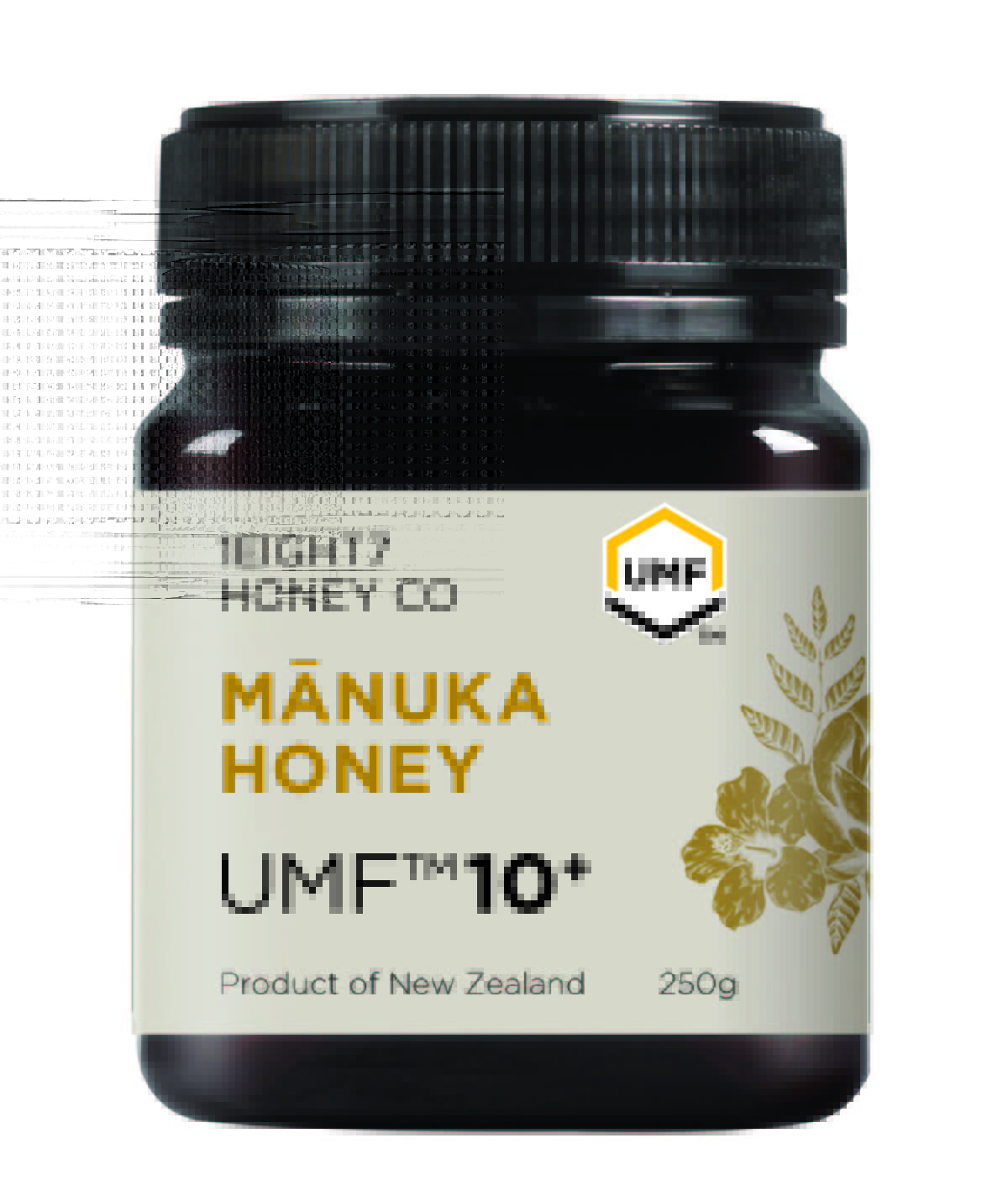
When navigating the marketplace, the most critical step in brand selection is decoding the proprietary grading systems. Much like analyzing a stock’s prospectus, a consumer must look at the “verified data” on the label. The two primary metrics used to define quality in the Manuka industry are UMF (Unique Manuka Factor) and MGO (Methylglyoxal).
The UMF Grading System
The UMF trademark is the gold standard for quality assurance. It is an independent certification issued by the UMF Honey Association in New Zealand. This label does not merely test for one compound; it provides a comprehensive audit of the honey’s purity and quality. A UMF rating measures three specific markers: Leptosperin, DHA (Dihydroxyacetone), and MGO. When a brand carries the UMF seal, it provides the buyer with a verifiable paper trail, ensuring that the product has been tested at every stage of the supply chain—from the beehive to the retail jar.
MGO: The Quantitative Performance Indicator
MGO is the organic compound responsible for the unique antibacterial properties of Manuka honey. While UMF acts as an umbrella certification, MGO provides a specific concentration level. High-performing Manuka honey generally starts at MGO 263+ (equivalent to UMF 10+) and scales upward. For those seeking the highest therapeutic potential, MGO 800+ is considered the “blue-chip” standard. When assessing which product is the “best,” one must look for this correlation: the higher the MGO count, the more potent the bioactive properties, and consequently, the higher the market value.
Brand Strategy and Supply Chain Transparency
In the luxury food sector, the brand behind the product is just as important as the raw material itself. Because Manuka honey is highly susceptible to adulteration—a common issue in global food commodities—the “best” honey is almost exclusively sourced from brands that prioritize radical transparency.
The Provenance Factor
Top-tier brands like Comvita, Manuka Health, and Airborne provide extensive data regarding the provenance of their harvest. A brand’s identity should be built upon its commitment to the New Zealand ecosystem. Look for companies that operate their own hives rather than those that purchase honey from disparate sources to blend later. A centralized supply chain reduces the risk of fraud and ensures that the final product reaches the consumer in its most raw, bioactive state.

Ethical Marketing and Corporate Responsibility
The best brands engage in sustainable beekeeping, ensuring that the health of the bee colony is prioritized over short-term yield. In today’s conscious consumer economy, a brand’s ESG (Environmental, Social, and Governance) rating matters. Consumers should prioritize companies that hold themselves accountable to international quality standards (such as the New Zealand MPI, or Ministry for Primary Industries) and maintain a consistent public record of their testing results.
Financial Allocation: Is the Premium Price Justified?
When deciding which Manuka honey to purchase, consumers often face sticker shock. A jar of UMF 20+ honey can easily cost ten times the price of standard clover honey. To make an informed financial decision, one must categorize Manuka honey not as a grocery staple, but as a preventative wellness asset.
Cost-Benefit Analysis of Health Benefits
The “value” of the best Manuka honey is derived from its potential to support digestive health, wound healing, and immune function. If a consumer is purchasing honey for general culinary use, the high-end MGO 800+ range is a poor financial decision—it is essentially capital inefficiency. However, for those seeking specific therapeutic benefits, the higher investment in high-UMF honey represents a targeted allocation of wellness spending.
Avoiding the “Label Trap”
Consumers must be wary of “private label” or generic store brands that claim to be “Manuka-style” or “Active” without the specific UMF or MGO certification. These are often marketing ploys designed to extract a premium for a product that lacks the essential bioactive markers. A brand that does not display its testing laboratory or its UMF license number is effectively offering a product with no verified equity. To protect your investment, always cross-reference the batch number on the label with the manufacturer’s online verification portal.
Strategic Selection Criteria for the Modern Consumer
Ultimately, the “best” Manuka honey is the one that aligns with your specific objectives, whether they be long-term health optimization or short-term immune support. Selecting the right jar requires a rigorous evaluation process.
The 4-Point Verification Checklist
- Certification: Does the jar display the UMF quality mark? Avoid generic “active” labels.
- Batch Traceability: Can you verify the specific batch through the brand’s website? Transparency is the hallmark of a premium product.
- MGO Concentration: Does the MGO rating match your health requirements? (e.g., MGO 263+ for general health; MGO 550+ and above for higher-intensity therapeutic use).
- Country of Origin: Is it clearly marked as a product of New Zealand? Labels that say “Packed in [Country]” but do not specify the source of the raw honey should be viewed with extreme skepticism.

Maintaining Quality Post-Purchase
Once you have invested in a high-quality jar, the storage strategy is paramount to protecting the asset. Manuka honey should be stored in a cool, dark place, away from direct sunlight and heat, which can denature the enzymes and degrade the bioactive MGO content. Much like storing fine wine, maintaining the environment ensures that the quality you paid for is preserved until the final spoonful.
In conclusion, the pursuit of the “best” Manuka honey is an exercise in market intelligence. By bypassing generic labels and focusing on verified certifications, supply chain integrity, and clear therapeutic objectives, consumers can ensure they are getting exactly what they pay for. It is a high-stakes market, but for those who know how to read the labels and vet the brands, Manuka honey remains one of the most reliable investments in personal wellness.
aViewFromTheCave is a participant in the Amazon Services LLC Associates Program, an affiliate advertising program designed to provide a means for sites to earn advertising fees by advertising and linking to Amazon.com. Amazon, the Amazon logo, AmazonSupply, and the AmazonSupply logo are trademarks of Amazon.com, Inc. or its affiliates. As an Amazon Associate we earn affiliate commissions from qualifying purchases.