
The procurement of premium lobster meat is less of a grocery errand and more of a venture into the logistics of luxury commodities. For those evaluating the market from a financial perspective, lobster meat represents a high-value asset class within the perishable goods sector. Whether you are a restaurateur looking to optimize food costs or a culinary entrepreneur sourcing inventory for high-margin menu items, the “best” lobster meat is defined by the intersection of sourcing efficiency, processing quality, and yield optimization. Understanding the market dynamics of this seafood staple is essential for any professional managing a culinary enterprise.
The Economics of Sourcing: Wild-Caught vs. Cold-Water Processing
When assessing the market value of lobster, the primary driver is the cold-chain integrity and the method of extraction. The price per pound fluctuates significantly based on the geographic origin and the processing technology utilized by the supplier.
Cold-Water Maine Lobster (Homarus americanus)
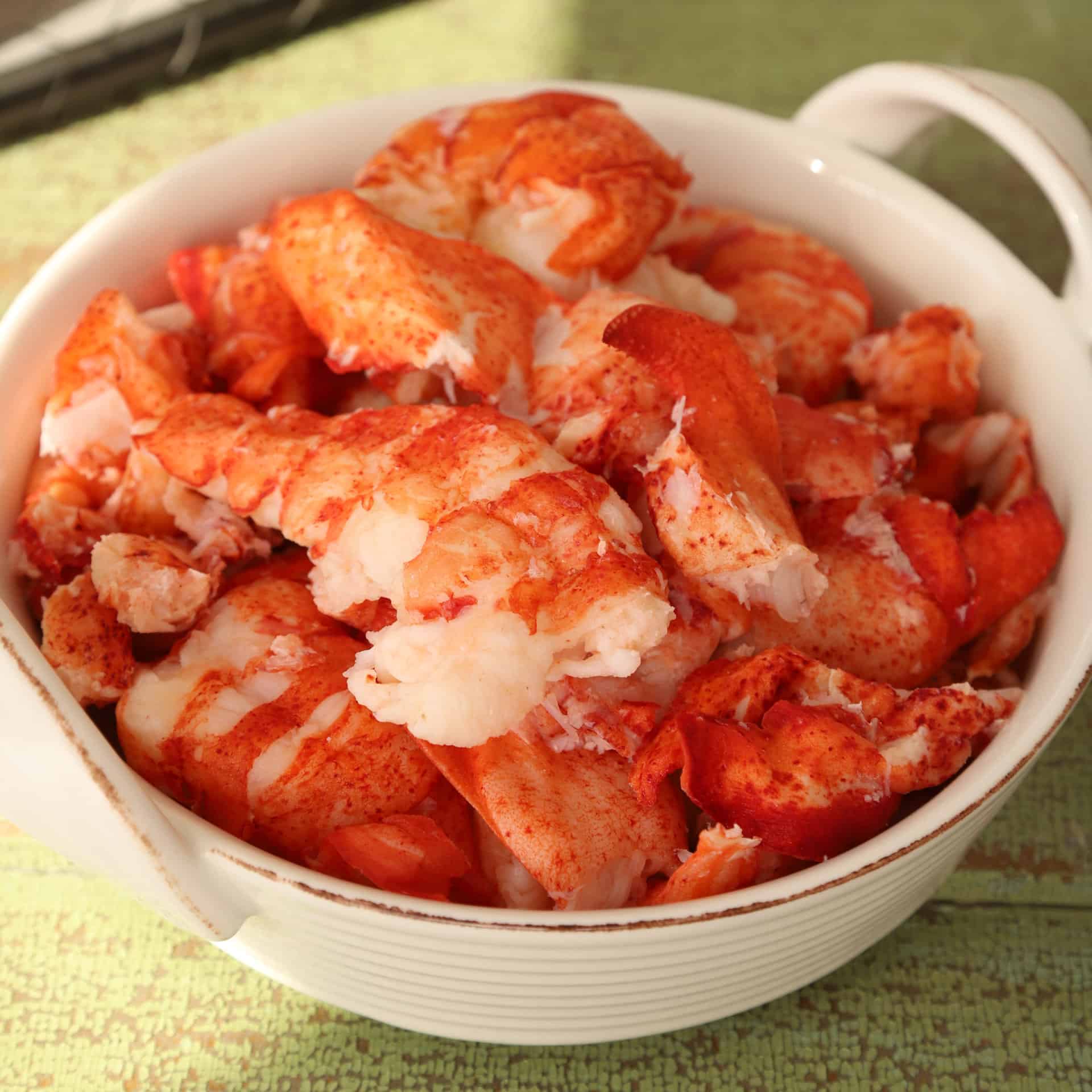
In the financial hierarchy of crustacean proteins, the North Atlantic Maine lobster remains the gold standard. From an investment standpoint, the sustainability certifications and historical price stability make this the “blue chip” of seafood. When buying, professional buyers prioritize “New Shell” versus “Hard Shell” meat. Hard shell meat provides a higher yield and better structural integrity for presentation-heavy dishes, whereas New Shell meat—often sweeter and more tender—is frequently repurposed into high-end retail packs.
Cold-Pressure Processing (HPP)
The most sophisticated suppliers now utilize High-Pressure Processing (HPP). This technology allows for the raw extraction of meat from the shell without heat. For the discerning buyer, HPP lobster is the best purchase because it maintains a “sushi-grade” texture. While the capital expenditure for HPP-processed meat is higher, it eliminates the labor costs of manual shucking, resulting in a favorable return on investment for high-volume kitchen operations.
Evaluating Yield and Cost-Per-Ounce
Effective procurement requires looking past the gross purchase price. The true cost of lobster meat is calculated by the percentage of usable yield after thawing and preparation. High-quality meat that has been properly processed will result in minimal drip loss, which is the secret variable in profitable inventory management.
The Drip Loss Factor
“Drip loss” refers to the moisture lost during the thawing process. Lower-grade, mass-market lobster meat often contains added water or saline solutions to increase weight during the freezing process. For a business buyer, this is essentially a hidden tax on your ingredient costs. To identify the best meat, evaluate the ingredient label for sodium tripolyphosphate (STPP). The best-in-class lobster meat is “dry-packed”—containing only the lobster itself—ensuring that the weight you pay for is the weight you serve.
Bulk vs. Retail Procurement
Buying at scale requires a clear understanding of the supply chain. Direct-to-consumer premium brands often charge a premium for packaging and brand narrative, while wholesale distributors provide consistency and traceability. For commercial entities, the most cost-effective strategy involves establishing relationships with primary processors in the Maritimes or Maine. By eliminating the middleman, organizations can secure product that has been frozen within hours of harvest, locking in peak flavor profiles and nutritional density.
Logistics: Managing the Perishable Supply Chain

In the realm of high-end food procurement, the supply chain is as important as the product itself. The value of lobster meat depreciates rapidly if the cold-chain temperature fluctuates.
The Role of Flash Freezing
Technological advancements in cryogenic freezing have revolutionized the lobster market. Liquid nitrogen or blast freezing at temperatures below -40°F ensures that the crystalline structure of the lobster muscle remains intact. When assessing potential vendors, inquire about their freezing protocols. A supplier who cannot document their cold-chain protocols is a liability to your inventory quality.
Inventory Forecasting
Lobster prices are notoriously volatile, influenced by seasonal migrations and environmental factors. Savvy business operators hedge against these fluctuations by purchasing bulk quantities during peak harvest months (typically late summer through early autumn). By utilizing commercial-grade deep freezing, these operators can store inventory for up to twelve months, effectively smoothing out the seasonal price spikes and maintaining consistent margins throughout the year.
Identifying Premium Grading Standards
Not all lobster meat is created equal. To ensure you are buying the best, you must look for the industry-standard grading markers.
Claw and Knuckle vs. Tail Meat
Understanding the culinary application of different meat types is vital for cost-efficient inventory management. Claw and knuckle meat is rich, tender, and generally more affordable, making it the ideal choice for high-margin applications like lobster rolls or bisques. Tail meat is firm, visually striking, and significantly more expensive. The “best” meat is subjective to the end-use: buying expensive tail meat for a salad is a poor allocation of capital, just as using claw meat for a high-end plating demonstration might diminish the brand value of the dish.
Transparency in Sourcing
A key marker of a superior supplier is the ability to provide a full traceability report. In the current market, consumer demand for ethical sourcing is a brand-building asset. When you purchase from suppliers who adhere to Marine Stewardship Council (MSC) standards or similar sustainability certifications, you are not just buying protein; you are investing in a verified brand story that can be passed down to your final customer, justifying a higher price point for the finished plate.

The Future of Lobster Investment
As global logistics become more efficient, the market for lobster meat is evolving into a more transparent, data-driven sector. We are currently seeing a shift toward decentralized sourcing, where smaller, specialized processors are gaining market share by providing higher transparency and smaller, more frequent shipments that reduce the need for long-term frozen storage.
For the modern professional, the strategy is clear:
- Prioritize HPP technology for the best texture and labor savings.
- Minimize drip loss by avoiding chemical additives.
- Optimize the supply chain by hedging purchases during peak harvest windows.
- Audit for traceability, ensuring your inventory is not only high-quality but also compliant with modern sustainability expectations.
The “best” lobster meat you can buy is the one that minimizes your operational waste, maximizes your culinary output, and provides a transparent, verifiable history. Whether you are managing a bistro, an event catering business, or a boutique retail shop, the focus must remain on the metrics of quality control and cost-efficiency. In this market, knowledge is the primary ingredient in success. By treating lobster meat as a high-value commodity rather than a simple food item, you position your enterprise to capitalize on the premium nature of the product while maintaining a disciplined, profitable bottom line. The convergence of superior processing, strategic logistics, and rigorous grading is what separates the casual buyer from the industry leader.
aViewFromTheCave is a participant in the Amazon Services LLC Associates Program, an affiliate advertising program designed to provide a means for sites to earn advertising fees by advertising and linking to Amazon.com. Amazon, the Amazon logo, AmazonSupply, and the AmazonSupply logo are trademarks of Amazon.com, Inc. or its affiliates. As an Amazon Associate we earn affiliate commissions from qualifying purchases.