
The quest for the “best” interest rate is a common thread running through the fabric of personal and business finance. Whether you’re looking to borrow money for a significant purchase like a home or car, or aiming to grow your savings and investments, the interest rate attached to your financial products can dramatically impact your financial future. However, the seemingly straightforward question, “What is the best interest rate?”, hides a complex and highly subjective answer. There isn’t a single universal “best” rate; rather, it’s a dynamic concept determined by your individual financial goals, current economic conditions, creditworthiness, and the specific financial product in question.
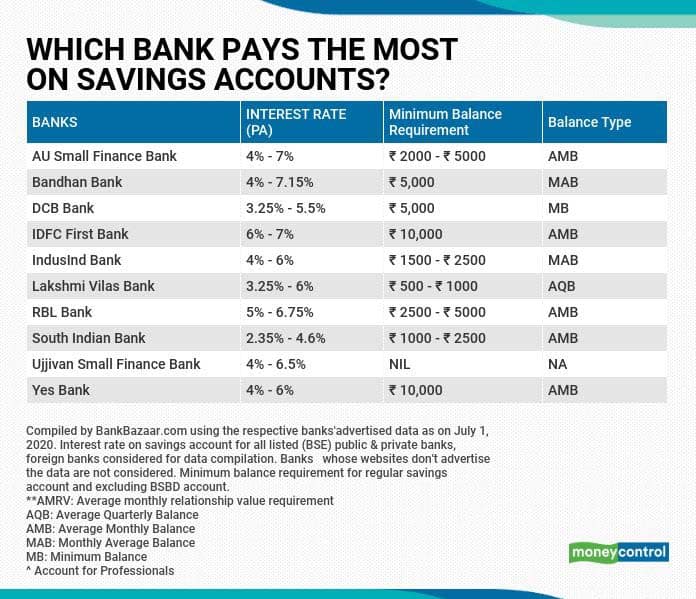
For borrowers, the “best” interest rate is invariably the lowest possible rate, minimizing the cost of debt. For savers and investors, it’s the highest possible rate, maximizing returns on their capital. This fundamental duality means that what constitutes an optimal rate is always seen through the lens of one’s position in a financial transaction. This article will delve into the intricacies of interest rates, exploring their definitions, the factors that influence them, and provide actionable strategies for both borrowers and savers to secure what’s “best” for their unique financial situations.
Understanding Interest Rates: The Basics
To effectively navigate the world of finance and identify beneficial interest rates, a foundational understanding of what they are and how they operate is essential.
What is an Interest Rate?
At its core, an interest rate is the cost of borrowing money or the reward for lending it, expressed as a percentage of the principal amount. When you borrow, the interest rate is the fee you pay to the lender for the use of their money. When you save or invest, it’s the return you receive for allowing a financial institution or borrower to use your money.
Interest rates are typically quoted as an Annual Percentage Rate (APR) for loans, which represents the yearly cost of borrowing, including any fees. For savings and investments, they are often quoted as an Annual Percentage Yield (APY), which accounts for the effect of compounding interest over a year, meaning interest earned also earns interest. Understanding the difference between APR and APY is crucial, as APY often presents a more accurate picture of total return for savers due to compounding.
Key Factors Influencing Interest Rates
Interest rates are not static; they are in constant flux, influenced by a multitude of economic and market forces. Grasping these influences is key to anticipating rate movements and making informed financial decisions.
- Central Bank Policy: The most significant driver of interest rates is the monetary policy set by a nation’s central bank (e.g., the Federal Reserve in the U.S., the European Central Bank). By adjusting benchmark rates, such as the federal funds rate, central banks aim to control inflation, stimulate economic growth, or curb overheating. These benchmark rates ripple through the entire financial system, affecting everything from mortgage rates to savings account yields.
- Inflation: Inflation, the rate at which the general level of prices for goods and services is rising, erodes the purchasing power of money. Lenders demand higher interest rates during periods of high inflation to compensate for the diminished value of the money they will be repaid. Savers also need higher rates to ensure their real returns keep pace with rising costs.
- Economic Outlook: The overall health and trajectory of the economy play a critical role. During periods of strong economic growth, demand for loans often increases, which can push rates up. Conversely, during recessions or economic slowdowns, central banks may lower rates to encourage borrowing and stimulate activity.
- Creditworthiness of the Borrower: For individual loans, a borrower’s credit score and history are paramount. A higher credit score indicates a lower risk of default, allowing lenders to offer more favorable (lower) interest rates. Conversely, a poor credit history often results in higher rates to compensate the lender for the increased risk.
- Loan Term and Type: The duration of a loan (e.g., a 15-year mortgage versus a 30-year mortgage) and its type (e.g., fixed-rate vs. adjustable-rate) also influence the interest rate. Longer loan terms often come with slightly higher rates, and fixed-rate loans typically have a premium over initial variable rates due to the certainty they offer.
- Supply and Demand: The basic economic principle of supply and demand also applies to money. When there’s a high demand for loans and a limited supply of funds, rates tend to rise. When there’s an abundance of money available for lending and low demand, rates may fall.
The “Best” Interest Rate for Borrowers
For anyone seeking to borrow money, the “best” interest rate is unequivocally the lowest rate available for their specific financial product and risk profile. Securing a lower interest rate on a loan can save thousands, even tens of thousands, of dollars over the life of the debt.
Minimizing Borrowing Costs
The types of loans borrowers typically seek include mortgages, personal loans, auto loans, and credit cards. Each has its own interest rate structure and considerations:
- Mortgages: These are often the largest debt individuals undertake. Even a quarter-percentage point difference in a mortgage rate can lead to significant savings over 15 or 30 years. Fixed-rate mortgages offer payment stability, while adjustable-rate mortgages (ARMs) start with lower rates but can fluctuate. The “best” choice here often depends on how long you plan to stay in the home and your tolerance for risk.
- Personal Loans: These unsecured loans can be used for various purposes, from debt consolidation to unexpected expenses. Rates vary widely based on credit score, loan term, and lender.
- Auto Loans: Secured by the vehicle itself, auto loan rates are influenced by credit score, loan term, the vehicle’s age, and the down payment amount.
- Credit Cards: These typically carry the highest interest rates among consumer loans. The “best” strategy for credit cards is to pay off the balance in full each month to avoid interest charges entirely. If carrying a balance is unavoidable, seek cards with the lowest APRs or consider balance transfer offers with 0% introductory APRs, always being mindful of the expiration date of the promotional period and any associated fees.
- Student Loans: Both federal and private student loans have distinct interest rate structures. Federal loans generally offer more protections and fixed rates, while private loans are credit-based and can have variable rates. Refinancing student loans can sometimes secure a lower rate, but it’s crucial to weigh the loss of federal loan benefits.
Strategies to Secure Lower Rates
Proactive measures can significantly improve your chances of obtaining a favorable borrowing rate:
- Improve Your Credit Score: A high credit score (generally 720+) is your strongest asset when seeking low-interest loans. Pay bills on time, keep credit utilization low, and resolve any errors on your credit report.
- Shop Around and Compare Lenders: Don’t settle for the first offer. Compare rates from multiple banks, credit unions, and online lenders. Use online comparison tools to get an overview of the market.
- Make a Larger Down Payment: For secured loans like mortgages and auto loans, a larger down payment reduces the loan amount and the lender’s risk, often qualifying you for a lower interest rate.
- Consider Shorter Loan Terms: While it means higher monthly payments, a shorter loan term often comes with a lower overall interest rate because the lender’s risk exposure is reduced.
- Negotiate: Especially with smaller lenders or local credit unions, there might be room to negotiate the offered rate, particularly if you have strong credit or a competing offer.
- Automate Payments: Some lenders offer a small interest rate reduction (e.g., 0.25%) for enrolling in automatic payments, as it reduces their administrative burden and risk of missed payments.
The “Best” Interest Rate for Savers and Investors
For those with capital to save or invest, the “best” interest rate is the highest rate that aligns with their risk tolerance and liquidity needs, allowing their money to grow over time.
Maximizing Returns on Savings
Even for traditionally “safe” savings vehicles, optimizing for the best interest rate can make a substantial difference over time, especially with the power of compounding.
- High-Yield Savings Accounts (HYSAs): These online-only accounts often offer significantly higher interest rates than traditional brick-and-mortar bank accounts, sometimes ten times or more. They are ideal for emergency funds or short-term savings goals where liquidity is paramount.
- Certificates of Deposit (CDs): CDs offer fixed interest rates for a predetermined period (e.g., 6 months, 1 year, 5 years). They typically offer higher rates than HYSAs in exchange for locking up your funds for the CD’s term. “Laddering” CDs (investing in multiple CDs with staggered maturity dates) can provide both higher rates and staggered access to funds.
- Money Market Accounts: These accounts often bridge the gap between savings accounts and checking accounts, offering check-writing privileges and slightly higher interest rates than basic savings accounts, though usually less than HYSAs.
- Considering Inflation (Real Return): It’s crucial to differentiate between nominal interest rates (the stated rate) and real interest rates (the nominal rate minus inflation). For savers, a “good” interest rate should ideally exceed the rate of inflation to ensure your purchasing power is preserved or enhanced.
Investment Vehicles and Interest
Beyond traditional savings, various investment vehicles offer income streams often referred to as yields or interest.
- Bonds: When you buy a bond, you are lending money to a government or corporation in exchange for regular interest payments (coupon payments) and the return of your principal at maturity. Government bonds (Treasuries) are considered very low-risk but offer lower yields, while corporate bonds carry higher risk and offer higher yields. The “best” bond interest rate depends on your risk appetite and investment horizon.
- Peer-to-Peer (P2P) Lending: Platforms that connect individual borrowers with individual lenders can offer higher interest rates than traditional savings, but they also come with higher risk due to the unsecured nature of the loans.
- Dividend Stocks and Yield-Focused Funds: While not strictly “interest,” dividends are regular payments from a company’s profits to its shareholders. Investors seeking income can invest in high-dividend-paying stocks or exchange-traded funds (ETFs) and mutual funds that focus on income-generating assets. These come with equity market risk, however.
- Factoring in Risk vs. Reward: Higher interest rates (or yields) almost always correspond to higher risk. The “best” interest rate for an investor is one that provides the maximum return commensurate with their acceptable level of risk. A diversified portfolio, balancing safety with growth, is often the optimal strategy.
Navigating Different Interest Rate Environments
Interest rates are cyclical, moving up and down in response to economic forces. Understanding how to adapt to these environments is crucial for both borrowers and savers.
Rising Interest Rate Environment
When central banks are hiking rates or economic growth is robust, interest rates across the board tend to rise.
- Borrowers: This is a time to act quickly if you need to borrow, particularly for large, long-term debts like mortgages. Locking in a fixed rate early can protect you from future rate increases. Consider refinancing variable-rate loans into fixed-rate ones.
- Savers: Rising rates are generally favorable. High-yield savings accounts and new Certificates of Deposit will offer better returns. However, existing fixed-income investments like bonds may see their market value decrease as newly issued bonds offer higher yields.
Falling Interest Rate Environment
Conversely, when central banks are cutting rates or the economy is slowing, interest rates typically fall.
- Borrowers: This environment presents opportunities to refinance existing loans (mortgages, personal loans, student loans) at lower rates, significantly reducing monthly payments or the total cost of the loan. Variable-rate loans might become more attractive initially, but borrowers should still consider future rate changes.
- Savers: Falling rates can be challenging as returns on savings accounts and new CDs diminish. This is a time when savers might need to explore alternative investment strategies to maintain their desired level of income or growth, potentially looking at longer-term CDs before rates drop further, or income-producing investments outside traditional savings.
Understanding APR vs. APY
While briefly touched upon, the distinction between APR and APY is vital for making accurate comparisons:
- APR (Annual Percentage Rate): This is the yearly cost of a loan, including interest and some fees, expressed as a simple annual rate. It’s often used for mortgages, auto loans, and credit cards. It does not typically account for compounding within the year.
- APY (Annual Percentage Yield): This is the real rate of return earned on an investment or paid on a savings account, taking into account the effect of compounding interest. Because APY accounts for interest earning interest, it will always be equal to or higher than the simple interest rate (unless interest is paid only once per year). For savers, APY is the more meaningful metric to compare.
Financial Tools and Resources to Find Your “Best” Rate
In today’s digital age, a plethora of tools and resources are available to help individuals and businesses find competitive interest rates.
Online Comparison Websites
These aggregators allow you to quickly compare rates from dozens, if not hundreds, of different lenders and financial institutions for various products:
- Mortgages: Websites like Bankrate, LendingTree, and Zillow provide comparison tools for mortgage rates, allowing you to input your credit score and loan details to receive personalized quotes.
- Personal Loans: Similar sites help you compare rates for unsecured personal loans.
- Savings Accounts & CDs: These sites also list the highest-yield savings accounts and CD rates available from online banks and credit unions.
Financial Advisors and Credit Unions
While online tools are powerful, sometimes personalized guidance is invaluable:
- Financial Advisors: For complex financial situations or investment strategies, a qualified financial advisor can help you assess your risk tolerance, define your goals, and guide you toward appropriate interest-bearing investments or debt management strategies.
- Credit Unions: These member-owned institutions often offer more competitive rates on both loans and savings products than traditional banks, and their personalized customer service can be a significant advantage.
Credit Score Monitoring Services
Since your credit score is a major determinant of your borrowing rates, regularly monitoring and improving it is crucial:
- Services like Credit Karma, Experian, TransUnion, and Equifax provide free access to your credit score and reports, along with alerts for changes and tips for improvement. Keeping your credit healthy directly translates into better interest rate offers.

Conclusion
The pursuit of the “best interest rate” is a continuous journey that requires diligence, knowledge, and adaptability. As we’ve explored, there is no single magical number that applies to all situations. The “best” rate is intrinsically tied to your role (borrower or saver), your financial objectives, your creditworthiness, and the prevailing economic climate.
For borrowers, the optimal strategy involves enhancing your credit profile, shopping meticulously across multiple lenders, and understanding the specific terms of different loan products. For savers and investors, it means seeking high-yield opportunities that align with your liquidity needs and risk tolerance, all while keeping a watchful eye on inflation and market trends.
By staying informed, utilizing available financial tools, and periodically reassessing your financial products, you can empower yourself to consistently secure interest rates that are truly “best” for your personal financial health and long-term prosperity. Proactivity and education are your greatest assets in navigating the dynamic world of interest rates.
aViewFromTheCave is a participant in the Amazon Services LLC Associates Program, an affiliate advertising program designed to provide a means for sites to earn advertising fees by advertising and linking to Amazon.com. Amazon, the Amazon logo, AmazonSupply, and the AmazonSupply logo are trademarks of Amazon.com, Inc. or its affiliates. As an Amazon Associate we earn affiliate commissions from qualifying purchases.