
The quest to find “the best” insurance company is a common pursuit for individuals and businesses alike. Yet, the answer is rarely a simple one-word response. Insurance, at its core, is a promise – a commitment to provide financial protection when unforeseen events occur. Evaluating that promise requires a nuanced understanding of various factors that extend far beyond just the premium cost. In the complex landscape of financial security, “best” is a highly subjective term, deeply intertwined with an individual’s unique needs, financial situation, risk tolerance, and expectations. This article delves into the critical elements that define an exceptional insurance provider, guiding you through a systematic approach to identifying the company that best aligns with your specific requirements within the realm of personal finance.
Defining “Best”: Beyond the Surface
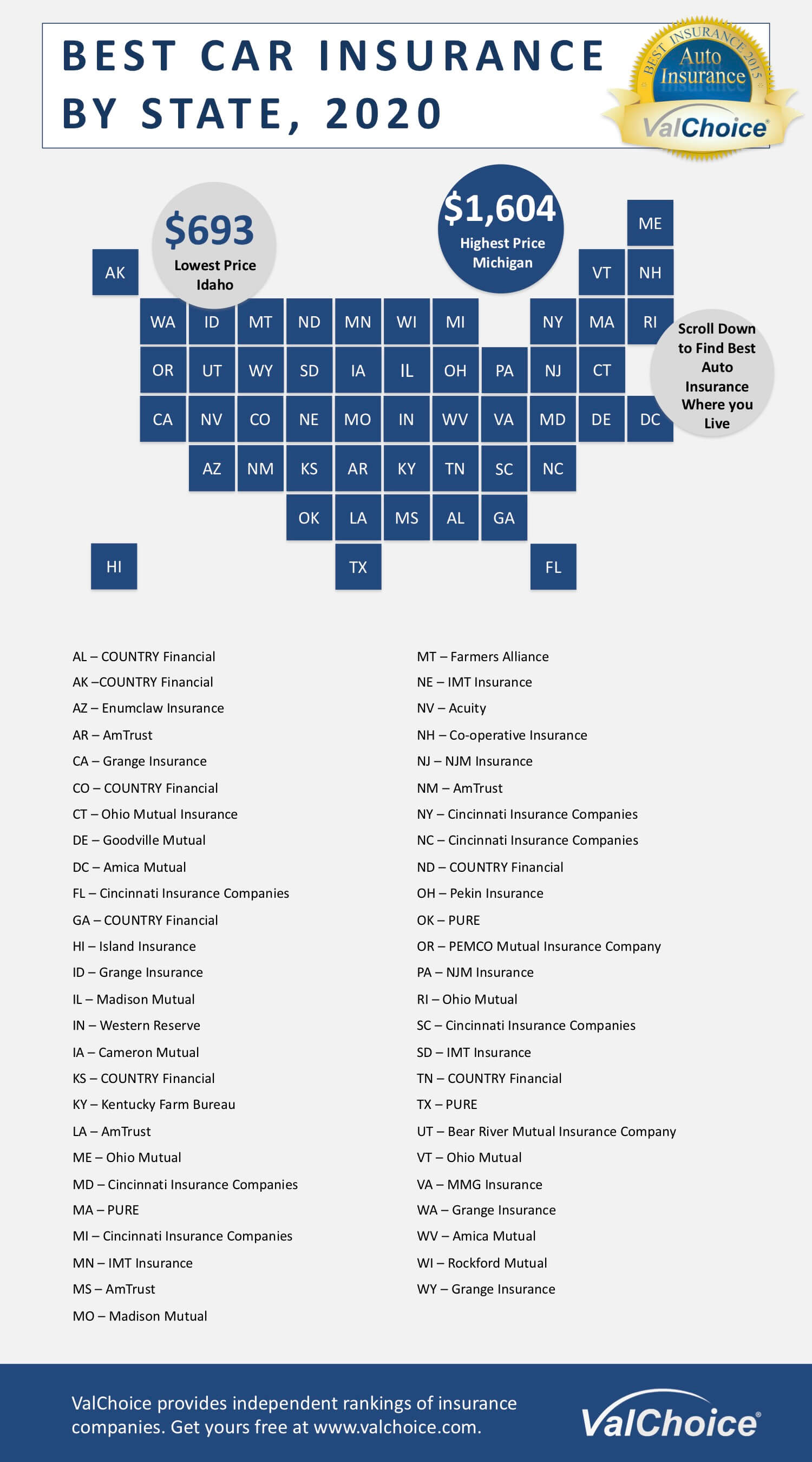
When we talk about the “best” in any service industry, it’s easy to gravitate towards brand recognition or the lowest price. However, with insurance, such simplistic metrics can be misleading and potentially costly in the long run. A truly “best” insurance company distinguishes itself through a combination of unwavering financial strength, superior customer service, and comprehensive, flexible policy options that genuinely meet client needs.
Financial Stability and Reliability
At the bedrock of any reputable insurance company is its financial stability. An insurance policy is only as good as the insurer’s ability to pay out claims, especially during widespread disasters or economic downturns. Financial strength ratings, provided by independent agencies like A.M. Best, S&P Global Ratings, Moody’s, and Fitch, offer an objective assessment of an insurer’s capacity to meet its financial obligations. A company with high ratings signifies a robust balance sheet, strong investment portfolio, and prudent underwriting practices. Opting for an insurer with a solid financial footing provides peace of mind, assuring policyholders that their coverage will indeed be there when it’s needed most. It’s not just about avoiding bankruptcy; it’s about the liquidity and operational efficiency to process claims quickly and fairly, upholding the fundamental promise of insurance.
Customer Service Excellence
Insurance often becomes a critical factor during times of stress, such as after an accident, illness, or property damage. During these moments, the quality of customer service can dramatically impact a policyholder’s experience. An outstanding insurance company excels in clear, timely communication, empathetic support, and efficient problem-solving. This extends from the initial policy inquiry and purchase process to managing renewals, making adjustments, and, most critically, handling claims. Responsive customer service means easily accessible representatives, whether by phone, email, or online chat, who are knowledgeable, patient, and proactive. The “best” companies consistently receive high marks for their claims handling process, which should be transparent, fair, and streamlined, minimizing friction and maximizing support for the policyholder when they are most vulnerable.
Comprehensive Policy Offerings
The “best” insurance company isn’t one-size-fits-all; it’s one that offers a range of policies and customization options tailored to diverse needs. Whether you’re seeking auto, home, life, health, or specialized business insurance, a top-tier provider offers robust base policies complemented by a variety of endorsements, riders, and add-ons. This flexibility allows policyholders to fine-tune their coverage, ensuring they’re protected against specific risks without paying for unnecessary extras. A company that understands the nuances of various life stages—from a young driver needing basic auto insurance to a growing family requiring comprehensive life and home coverage, or a retiree planning for long-term care—demonstrates a commitment to meeting evolving client needs. The ability to bundle different types of insurance (e.g., home and auto) can also be a significant advantage, often leading to discounts and simplified policy management.
Key Factors in Your Insurance Company Selection
Choosing an insurance company is a significant financial decision that requires careful consideration of several interconnected factors. Beyond the core pillars of financial stability and customer service, an astute consumer will delve into their personal circumstances and the specifics of policy terms.
Understanding Your Needs and Coverage Types
Before even looking at companies, the first step is a thorough assessment of your own insurance needs. Are you looking for basic liability coverage for your car, or comprehensive protection for a luxury vehicle? Do you own a home, rent an apartment, or live in a condo? Do you have dependents who rely on your income, necessitating life insurance? What are your health circumstances and preferences for medical care? Each type of insurance—auto, home, renters, life, health, disability, long-term care, business—serves a distinct purpose, and your specific requirements for each will dictate the ideal coverage limits, deductibles, and special provisions. The “best” company for you is one that not only offers the specific types of insurance you need but also provides the appropriate level of coverage at a price you can afford.
The Importance of Claims Handling
The moment of truth for any insurance policy is the claims process. An insurance company’s reputation for claims handling is arguably its most critical attribute. You want an insurer that makes the process straightforward, communicates clearly at every step, and resolves claims fairly and promptly. Researching customer reviews and industry reports specifically on claims satisfaction can provide invaluable insights. Look for companies that are praised for their efficiency, fairness, and willingness to explain decisions. Conversely, steer clear of companies with a pattern of denying legitimate claims, slow processing times, or poor communication during this vital period. A smooth and equitable claims experience transforms the abstract concept of “protection” into a tangible reality, reinforcing the value of your policy.
Pricing, Discounts, and Value
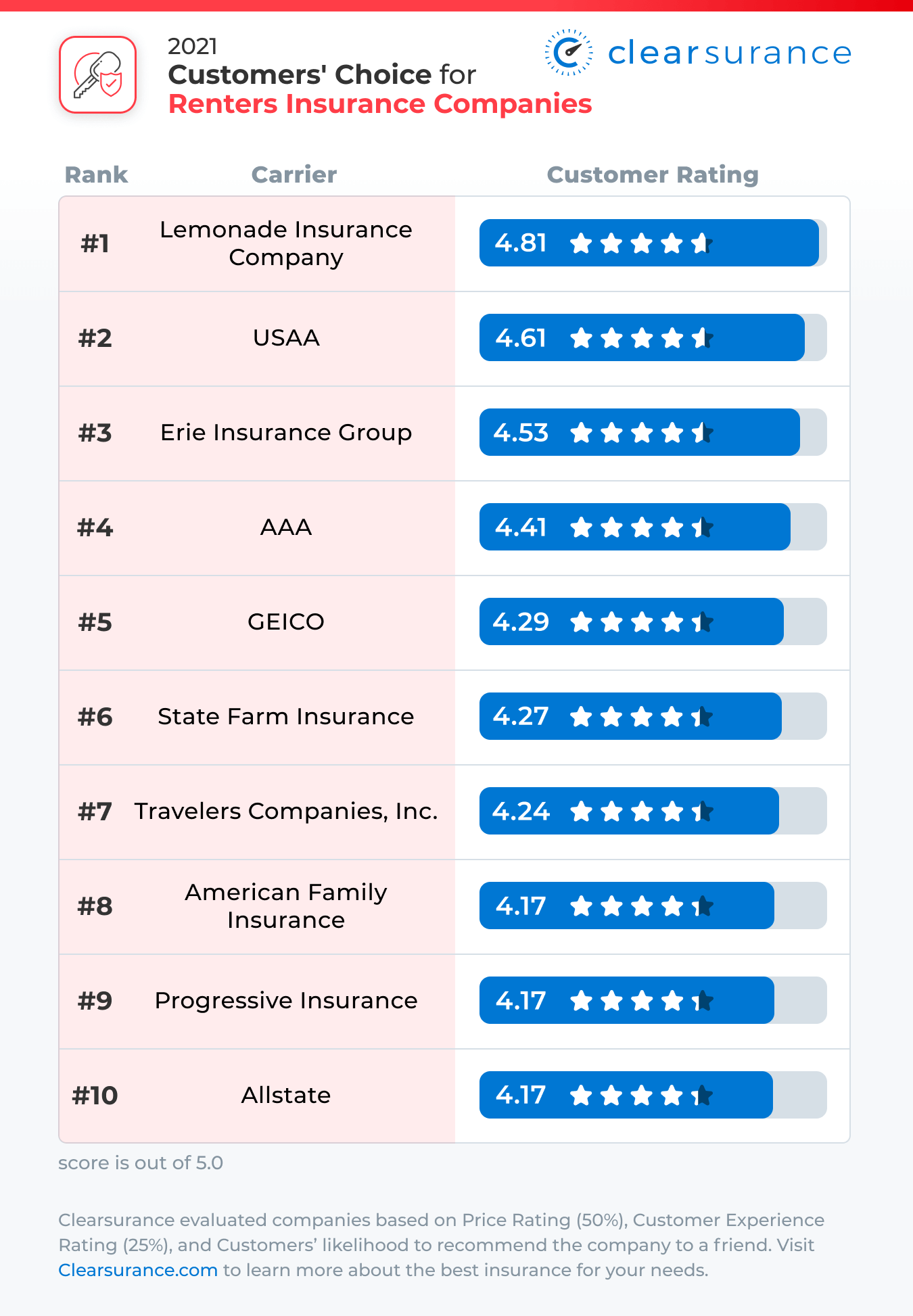
While premium cost shouldn’t be the sole determinant, it is undeniably a crucial factor in personal finance. The “best” insurance company offers competitive pricing without compromising on coverage or service quality. Obtaining multiple quotes from different providers is essential for comparison. However, when comparing prices, it’s vital to ensure you are comparing “apples to apples”—that is, policies with identical coverage limits, deductibles, and endorsements. Beyond the base premium, inquire about available discounts. Many companies offer discounts for bundling policies, good driving records, home security systems, certain professions, loyalty, paperless billing, or paying premiums annually. The goal is to find the greatest value: comprehensive coverage and excellent service at a price that fits your budget, rather than simply the cheapest policy, which may leave you underinsured.
Digital Accessibility and Innovation
In the digital age, an insurance company’s technological capabilities significantly enhance the customer experience. The “best” companies offer user-friendly online portals and mobile apps that allow policyholders to manage their accounts, pay bills, view policy documents, request quotes, and even file claims seamlessly. Digital tools for tracking claims, accessing roadside assistance, or connecting with agents through chat can streamline interactions and provide convenience. Furthermore, innovative offerings like telematics programs for auto insurance (which track driving behavior for potential discounts) or AI-powered tools for faster claims assessment demonstrate a forward-thinking approach. For many consumers, the ability to interact with their insurer on their own terms, at any time, is a key component of a superior service experience.
Researching and Comparing Top Providers
Armed with a clear understanding of your needs and the critical factors that define a good insurer, the next step is systematic research and comparison. This involves leveraging a variety of resources to gather information and make an informed decision.
Leveraging Online Resources and Reviews
The internet is a powerful tool for insurance research. Start by visiting the websites of established insurance carriers to explore their policy offerings, obtain quotes, and understand their values. Beyond company sites, consult independent review platforms and consumer advocacy groups (e.g., J.D. Power, Consumer Reports, Better Business Bureau) that collect and analyze customer satisfaction data across various categories like claims handling, pricing, and overall service. Pay close attention to both positive and negative feedback, looking for recurring themes that can highlight strengths or expose potential weaknesses. Forums and social media can also provide anecdotal insights, though these should be considered alongside more formal ratings.
Consulting with Independent Agents
While direct-to-consumer insurers offer convenience, independent insurance agents provide a unique and valuable service. Unlike captive agents who work for a single company, independent agents represent multiple insurers. This allows them to shop around on your behalf, compare policies from various providers, and offer unbiased recommendations based on your specific needs and budget. An experienced independent agent can navigate the complexities of different policy wordings, identify potential gaps in coverage, and explain the intricacies of various plans, often finding competitive rates you might miss on your own. Their expertise can be particularly beneficial for complex insurance needs or for those who prefer personalized guidance through the selection process.
Analyzing Financial Ratings
As mentioned earlier, financial strength ratings are non-negotiable. Always check the ratings from multiple independent agencies (A.M. Best, S&P Global Ratings, Moody’s, Fitch) for any company you are considering. These ratings are publicly available and provide a critical barometer of an insurer’s solvency and ability to pay claims. Look for companies with consistently high ratings (e.g., A or A+ from A.M. Best). While a lower rating doesn’t necessarily mean a company is on the brink of collapse, it does indicate a higher degree of risk. Prioritizing financially stable insurers ensures that the promise of protection enshrined in your policy can indeed be fulfilled.
The Dynamic Nature of “Best”
It’s crucial to recognize that the “best” insurance company isn’t a static entity; it can change over time, both for the individual and within the industry. What might be ideal for one person at a particular life stage may not be suitable for another, or even for the same person years down the line.
Personalization and Life Stages
Your insurance needs evolve as your life changes. A single young adult living in an apartment will have vastly different insurance requirements than a married couple with children who own a home and multiple vehicles. Major life events such as getting married, buying a house, having children, starting a business, changing jobs, or approaching retirement all necessitate a review and potential adjustment of your insurance portfolio. The “best” company might be one that offers the flexibility to adapt policies to these changes, or it might mean switching providers to find one that specializes in the types of coverage you now require. For example, a company excelling in basic auto insurance might not be the best choice for complex commercial property coverage.
Continuous Evaluation and Adaptation
Just as your personal circumstances evolve, so too does the insurance industry. Companies introduce new products, adjust pricing strategies, improve their digital tools, and their customer service quality can fluctuate. Therefore, it’s wise to periodically review your insurance policies and assess your current provider. At least once a year, during renewal time, take the opportunity to:
- Re-evaluate your coverage: Do you still have adequate protection for your current assets and liabilities? Are there any new risks you need to cover?
- Check for discounts: Have you become eligible for new discounts (e.g., multi-policy, safe driver, home improvements)?
- Compare quotes: Get fresh quotes from other reputable insurers to ensure you are still getting competitive rates and value.
- Assess your experience: Have you had to file a claim or interact with customer service? How was that experience?
Remaining proactive in your insurance management ensures that you consistently have the “best” coverage and service for your needs, adapting to both personal changes and shifts in the market.

Ultimately, “what is the best insurance company?” is a question that leads to a deeply personal answer. It’s not about finding a universally acclaimed champion, but rather about diligently identifying the provider that offers the ideal blend of financial stability, superior customer service, comprehensive coverage options, competitive pricing, and modern convenience tailored specifically to your unique financial landscape and peace of mind. By focusing on these key factors and engaging in thorough research, you can confidently choose an insurance partner that will stand by its promise when it matters most.
aViewFromTheCave is a participant in the Amazon Services LLC Associates Program, an affiliate advertising program designed to provide a means for sites to earn advertising fees by advertising and linking to Amazon.com. Amazon, the Amazon logo, AmazonSupply, and the AmazonSupply logo are trademarks of Amazon.com, Inc. or its affiliates. As an Amazon Associate we earn affiliate commissions from qualifying purchases.