
In an increasingly interconnected world, reliable power is not just a convenience; it’s a fundamental necessity. From keeping food fresh to powering essential medical equipment and maintaining home office productivity, a sudden power outage can disrupt life dramatically. This is where the home generator steps in, evolving from a simple backup device to a sophisticated piece of technology designed to seamlessly restore equilibrium. But with a market brimming with options, each boasting unique features and technical specifications, the question remains: “What is the best home generator?” The answer isn’t universal; it hinges on understanding your specific needs, the nuances of generator technology, and how different models stack up against those requirements. This comprehensive guide delves into the technological landscape of home generators, helping you navigate the complexities and make an informed decision.
Understanding Your Power Needs: The First Step to Choosing
Before even considering brands or specific models, the foundational step in selecting the best home generator is a thorough assessment of your personal power requirements. This crucial evaluation dictates the type, size, and features your ideal generator must possess. Overlooking this stage can lead to either an underpowered system that fails to meet critical demands or an oversized, inefficient investment.
Assessing Essential Appliances and Wattage
The most common mistake when purchasing a generator is underestimating the power load. Begin by listing every appliance and system you absolutely cannot do without during an outage. This might include your refrigerator, freezer, well pump, furnace fan, specific lights, internet router, computer, and perhaps a medical device. Crucially, distinguish between running watts (the continuous power an appliance needs) and starting watts (the momentary surge of power required to start motors, often 2-3 times higher than running watts).
Calculating your total wattage involves summing the running watts of all simultaneously used essential items and then identifying the single highest starting wattage among them. Add this highest starting wattage to the total running wattage of the other concurrent appliances. This sum gives you a realistic estimate of the minimum generator output required. For instance, a refrigerator might need 600 running watts but 1800 starting watts. If it’s running alongside lights (200W) and a TV (100W), your calculation would look at 600W (fridge running) + 200W (lights) + 100W (TV) + 1800W (fridge starting surge) if the fridge were the largest motor load and was starting. However, more practically, you sum running watts and then add the largest starting wattage of any appliance that might start while others are running. A good rule of thumb is to calculate your total running watts, then add the highest single starting wattage from your list to that sum. Always aim for a generator that provides at least 10-20% more power than your calculated peak demand to ensure efficiency and longevity.
Portable vs. Standby Generators: A Fundamental Choice
The world of home generators broadly divides into two primary categories, each serving distinct needs and offering different technological approaches:
-
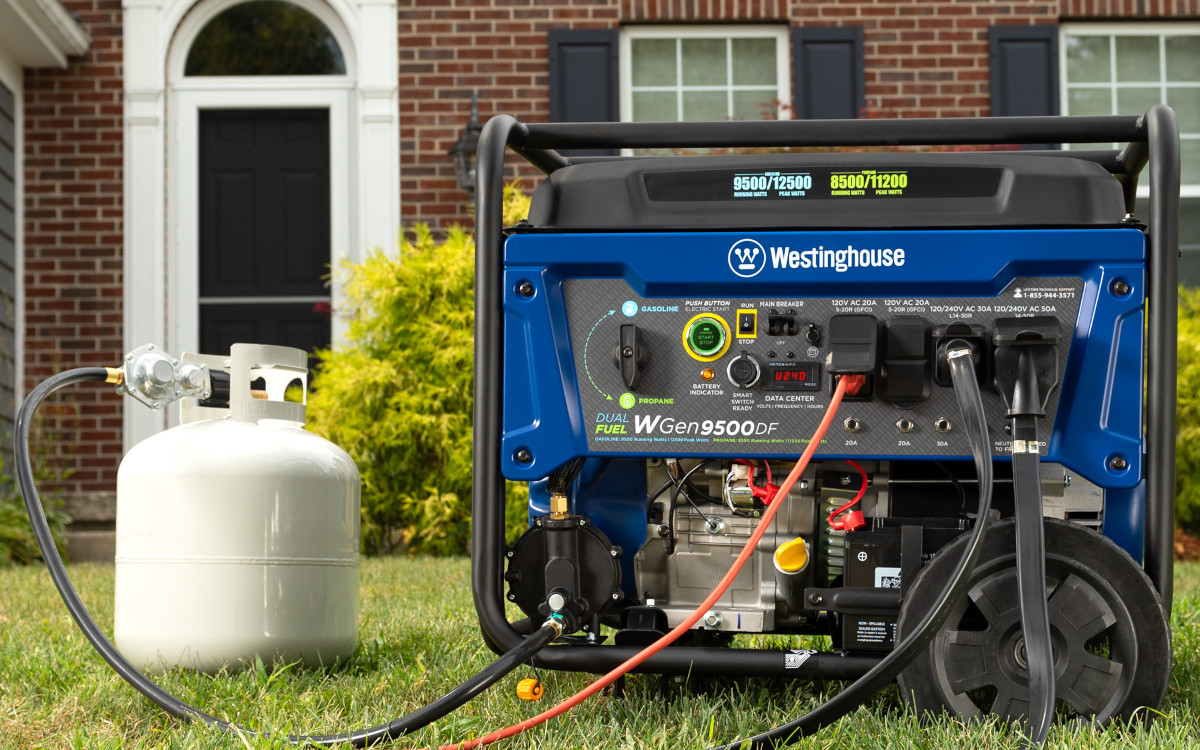
Portable Generators: These are typically smaller, wheel-mounted units designed for temporary power. They are manually started (either pull-cord or electric start) and require extension cords to connect to appliances or a transfer switch for limited home circuit power. Portable generators are ideal for powering a few essential items, tailgating, or job sites. Their technology emphasizes mobility, versatility, and often a lower upfront cost. However, they demand active management during an outage, including refueling and manual hookup.
-
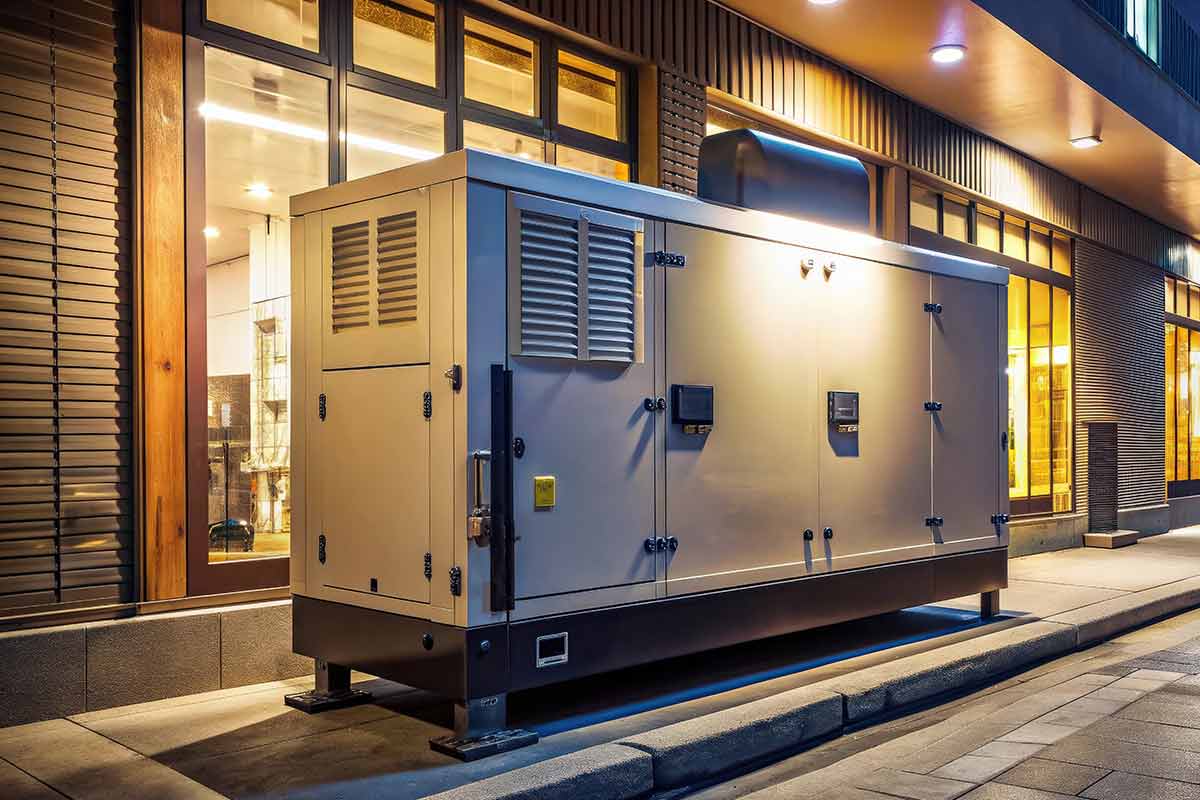
Standby Generators: Representing a more robust and automated solution, standby generators are permanently installed outside your home, similar to an air conditioning unit. They are hardwired into your electrical system via an automatic transfer switch (ATS). When grid power fails, the ATS detects the outage, signals the generator to start, and automatically transfers your home’s power load to the generator, all within seconds, typically without any user intervention. When grid power returns, the ATS reverses the process and shuts down the generator. This “set it and forget it” technology offers unparalleled convenience and whole-home power capabilities, making them the preferred choice for long-term or frequent outages.
Fuel Types: Gasoline, Propane, Natural Gas, Diesel
The fuel source significantly impacts a generator’s performance, run time, and convenience:
-
Gasoline: Widely available, gasoline generators are common for portable units due to their ease of refueling. However, gasoline degrades over time (requiring stabilizers or frequent turnover), has a relatively short run time per tank, and storage can be hazardous.
-
Propane (LPG): Clean-burning and with an indefinite shelf life when stored in tanks, propane is an excellent choice for both portable and standby units. It offers longer run times than gasoline and is safer to store. Standby generators can connect to large, dedicated propane tanks.
-
Natural Gas: The ultimate in convenience for standby generators. If your home has a natural gas line, the generator can be plumbed directly into it, providing an unlimited fuel supply without the need for manual refueling. This offers peace of mind during extended outages but is not an option for portable units.
-
Diesel: Primarily used for commercial or very large residential applications, diesel generators are robust, fuel-efficient, and have a long lifespan. Diesel fuel is less flammable than gasoline, but diesel engines often require more maintenance and can be louder.
Key Technological Innovations in Modern Generators
The generator market is not stagnant; it’s a dynamic field where manufacturers continuously integrate advanced technologies to improve efficiency, performance, and user experience. Understanding these innovations is key to identifying a truly “best” system.
Inverter Technology for Clean Power
Traditional generators produce raw AC power that can fluctuate in voltage and frequency. While acceptable for basic appliances, this “dirty” power can damage sensitive electronics like computers, smart TVs, and medical devices. Inverter generators represent a significant leap forward in this regard. They convert AC power to DC, then back to a stable, “clean” AC power output with minimal harmonic distortion. This ensures a consistent, high-quality power supply, making them ideal for homes with numerous sensitive electronics. Beyond clean power, inverter technology also allows the engine to adjust its speed based on the load, leading to significantly better fuel efficiency and quieter operation compared to conventional generators of similar output.
Smart Features and Connectivity
The advent of the Internet of Things (IoT) has permeated the generator industry, bringing forth smart features that enhance monitoring and control. Many modern standby generators, and even some high-end portable units, now offer:
-
Remote Monitoring: Via smartphone apps or web portals, users can check generator status, fuel levels, maintenance alerts, and even initiate test runs from anywhere with an internet connection. This is particularly valuable for standby units, allowing homeowners to confirm their system’s readiness without stepping outside.
-
Automatic Exercising: Standby generators often feature programmable exercise cycles, where they automatically run for a short period (e.g., weekly or bi-weekly) to keep components lubricated, charge the battery, and ensure readiness. Smart systems can alert you if an exercise cycle fails.
-
Predictive Maintenance: Leveraging sensors and data analytics, some advanced models can predict potential maintenance issues before they become critical failures, prompting timely service.
Advanced Safety Protocols
Safety is paramount when dealing with powerful machinery. Modern generators incorporate sophisticated safety technologies:
-
Carbon Monoxide (CO) Shutoff: Recognizing the dangers of CO poisoning, many new portable generators include integrated CO sensors that automatically shut down the unit if unsafe levels of carbon monoxide are detected in the vicinity, preventing potentially fatal accidents.
-
Automatic Low-Oil Shutoff: This feature protects the engine by shutting it down if oil levels drop below a safe operating threshold, preventing costly damage.
-
Overload Protection: Circuit breakers automatically trip if the generator’s output capacity is exceeded, protecting both the generator and connected appliances from damage.
-
GFCI Outlets: Ground-Fault Circuit Interrupter (GFCI) outlets are increasingly common on portable generators, providing enhanced protection against electric shock, especially when operating in wet or damp conditions.
Decoding Generator Specifications and Features
Beyond the broad categories and technological advancements, a deep dive into specific technical specifications is essential to compare models accurately and pinpoint the best fit for your home.
Power Output (Running vs. Starting Watts)
As discussed earlier, understanding the difference between running and starting watts is critical. Generator specifications will typically list both. Always ensure the starting wattage capability of your chosen generator can handle the largest motor load in your home, while its running wattage can comfortably sustain all your essential appliances simultaneously. A common mistake is to only look at peak (starting) watts, which can be misleading if the continuous running watts are insufficient.
Run Time and Fuel Efficiency
A generator’s run time is directly related to its fuel efficiency and tank size (for portable units) or fuel line capacity (for standby units).
-
Portable Generators: Manufacturers typically provide run time estimates at a specific load percentage (e.g., 50% load). Compare these figures to understand how long a generator can operate on a single tank. Higher fuel efficiency translates to fewer refueling interruptions and lower operating costs.
-
Standby Generators: For natural gas units, run time is theoretically unlimited as long as the gas supply is active. For propane models, run time depends on the size of the propane tank installed, which can range from small residential tanks to large underground units capable of weeks of operation.
Noise Levels (dB Rating)
Generators, by their nature, produce noise. The noise level, measured in decibels (dB), can significantly impact comfort and neighborhood relations.
-
Portable Generators: Typically range from 60 dB to over 80 dB. Inverter generators are generally much quieter, often operating in the 50-60 dB range, comparable to a normal conversation.
-
Standby Generators: Are designed to be quieter than conventional portables, often in the 60-70 dB range, as they are permanently installed near homes. However, their noise can still be a consideration, especially if installed close to a window or property line. Look for models specifically engineered for low-noise operation.
Maintenance and Durability Considerations
Like any engine-driven device, generators require regular maintenance to ensure optimal performance and longevity.
-
Maintenance Schedules: Review the manufacturer’s recommended maintenance schedule. Some brands offer extended service intervals or feature self-diagnostic tools to simplify maintenance.
-
Accessibility: Consider how easy it is to access components like oil filters, air filters, and spark plugs for routine service.
-
Weather Protection: Standby generators are built to withstand outdoor elements, but portable units should be operated under a canopy or in a well-ventilated shelter during inclement weather. Look for robust construction and corrosion-resistant materials.
-
Warranty: A strong warranty signals manufacturer confidence in their product’s durability. Compare warranty periods for both the engine and the alternator.
Top Contenders and Emerging Trends in Home Generators
The market is dominated by several reputable manufacturers, each with their own strengths, while innovative solutions continue to emerge, reshaping what’s possible in home power backup.
Leading Brands and Their Signature Offerings
-
Generac: A market leader, especially in standby generators, Generac offers a wide range of products from whole-home solutions to smaller essential circuit models. Known for their robust engines and integration of smart home technologies via their Mobile Link system.
-
Kohler: Often praised for their commercial-grade engines and comprehensive warranty coverage, Kohler generators are known for reliability and quiet operation, particularly their standby lines. They also offer strong remote monitoring capabilities.
-
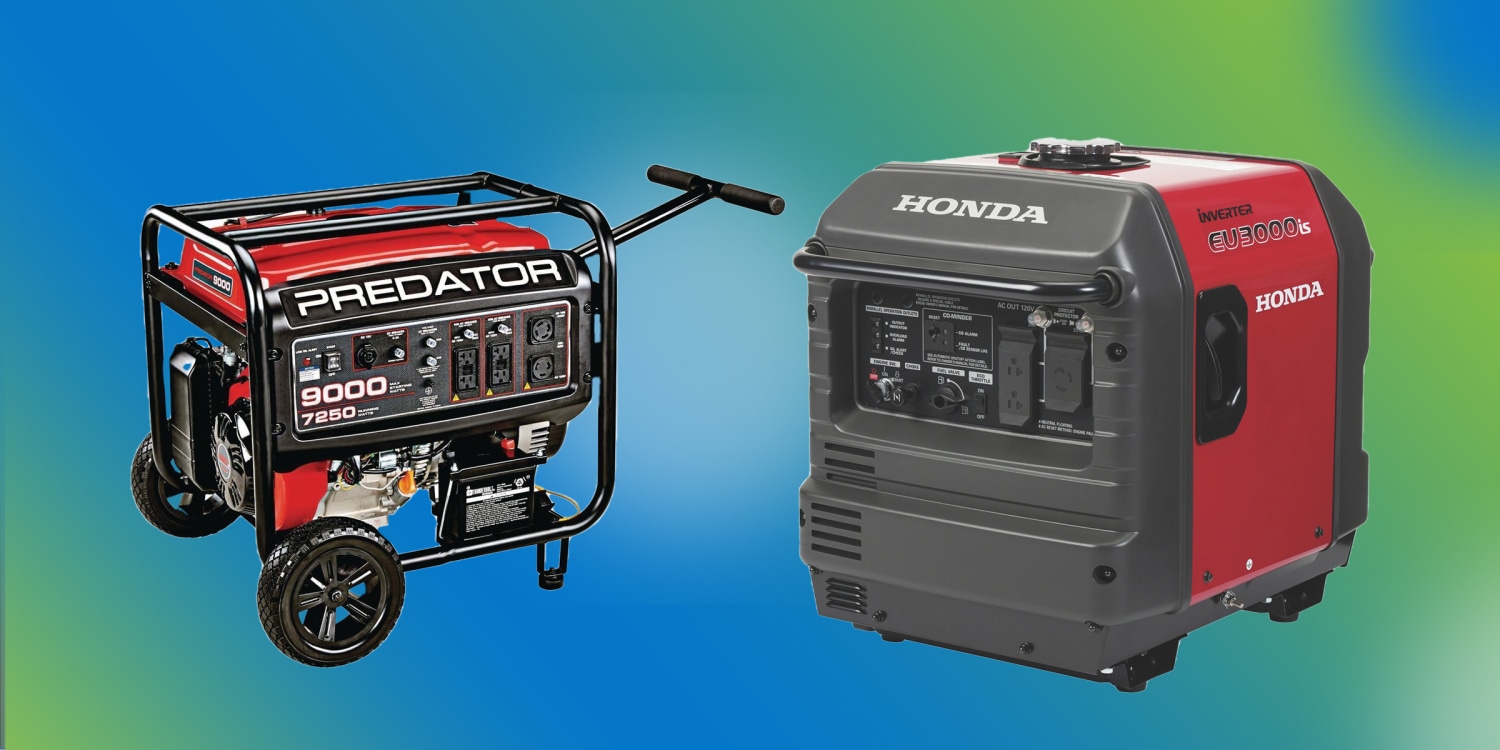
Honda: A powerhouse in the portable inverter generator market, Honda is synonymous with quiet operation, exceptional fuel efficiency, and legendary reliability. Their EU series is a benchmark for clean, portable power.
-
Westinghouse: Offering a strong value proposition across both portable and home standby categories, Westinghouse provides feature-rich generators with competitive pricing, including dual-fuel options and remote start capabilities.
-
Champion Power Equipment: Known for their innovation, particularly in dual-fuel and tri-fuel portable generators, Champion offers a broad range of reliable and affordable options with user-friendly features.
The Rise of Battery Backup Systems (Hybrid Solutions)
While traditional fuel-powered generators remain dominant, battery backup systems, often coupled with solar panels, are gaining traction as a complementary or even standalone solution. Technologies like Tesla Powerwall or Generac PWRcell offer:
-
Silent Operation: No noise, making them ideal for urban environments.
-
Zero Emissions: Environmentally friendly, particularly when charged by solar.
-
Instantaneous Power Transfer: Even faster than standby generators, providing seamless backup.
-
Energy Management: Can be used for daily energy management, peak shaving, and grid interaction.
These systems are still a significant investment but represent a shift towards cleaner, smarter, and often quieter home energy resilience. Hybrid approaches, where a smaller generator recharges a battery bank during extended outages, offer an intriguing blend of advantages.
Environmental Impact and Efficiency
As environmental consciousness grows, so does the demand for more efficient and less polluting generator technologies. Modern generators are often designed with:
-
Lower Emissions: Engines are engineered to meet stricter emission standards, particularly for models sold in California (CARB compliant).
-
Variable Speed Engines: Found in inverter generators, these adjust engine RPM to match the load, reducing fuel consumption and emissions.
-
Dual-Fuel/Tri-Fuel Options: Provide flexibility and can sometimes leverage cleaner-burning fuels like propane or natural gas.
The trend is towards maximizing power output while minimizing fuel consumption and environmental footprint, balancing power needs with ecological responsibility.
Making Your Final Decision: Installation and Long-Term Value
Choosing the “best” home generator isn’t solely about the unit’s technical prowess; it also encompasses how it integrates into your home and the long-term support it receives.
Professional Installation vs. DIY Considerations
-
Portable Generators: Most portable generators are designed for user-friendly setup. However, if connecting to a home’s electrical panel via a transfer switch, professional electrician installation is mandatory to ensure safety and compliance with electrical codes. Incorrect wiring can lead to dangerous backfeeding into the grid, endangering utility workers.
-
Standby Generators: Require professional installation. This involves proper sizing, placement (considering local codes, setbacks, and noise), electrical wiring via an automatic transfer switch, and connection to a fuel source (natural gas line or propane tank). This is a complex job that should only be performed by certified electricians and plumbers to ensure safety, efficiency, and adherence to all local regulations.
Warranty, Service, and Support
A generator is a long-term investment. Robust aftermarket support is crucial:
-
Warranty: Understand what components are covered, for how long, and what voids the warranty. Longer warranties (e.g., 5-10 years for standby units) offer greater peace of mind.
-
Authorized Service Network: Ensure there are qualified technicians in your area who can service your chosen brand and model. Availability of parts and timely service is critical during an outage.
-
Customer Support: Responsive and knowledgeable customer support can be invaluable when troubleshooting issues or seeking guidance.
The True Cost of Ownership
While the initial purchase price is a factor, consider the total cost of ownership over the generator’s lifespan:
-
Installation Costs: Significant for standby units.
-
Fuel Costs: Will vary based on fuel type, efficiency, and usage.
-
Maintenance Costs: Regular oil changes, filter replacements, and periodic professional servicing.
-
Potential Repairs: Factor in the cost of parts and labor for unforeseen issues.
By taking a holistic view of technology, features, installation, and ongoing support, you can move beyond simply comparing specifications to confidently select the home generator that truly is “best” for your specific circumstances, ensuring reliable power and peace of mind for years to come.
aViewFromTheCave is a participant in the Amazon Services LLC Associates Program, an affiliate advertising program designed to provide a means for sites to earn advertising fees by advertising and linking to Amazon.com. Amazon, the Amazon logo, AmazonSupply, and the AmazonSupply logo are trademarks of Amazon.com, Inc. or its affiliates. As an Amazon Associate we earn affiliate commissions from qualifying purchases.