
Choosing the right haircut is far more than a matter of aesthetic preference; it is a fundamental exercise in strategic personal branding. Your hairstyle functions as the primary visual component of your personal identity, acting as a non-verbal cue that communicates your professionalism, confidence, and attention to detail. When your haircut harmonizes with your facial architecture, it creates a cohesive brand image that leaves a lasting impression on clients, colleagues, and peers. For those with round face shapes, the goal is to leverage geometry and visual balance to craft an image that is both commanding and approachable.

The Geometry of Personal Branding: Why Shape Matters
In the world of professional image consulting, the face is the “logo” of your personal brand. Just as a brand identity requires careful consideration of fonts, colors, and spatial balance, your physical presentation requires an understanding of how lines and shapes interact with your features. A round face is defined by a width and length that are roughly equal, often characterized by fuller cheeks and a softer jawline. From a branding perspective, this shape conveys warmth and friendliness, but it can sometimes lack the perceived “sharpness” or “authority” that certain corporate environments demand.
The objective of selecting a haircut for a round face is to create the illusion of length and structure. By incorporating vertical lines, height at the crown, or asymmetry, you effectively alter the viewer’s perception of your facial proportions. This is not about hiding your natural features, but rather about “framing” your brand assets to ensure they are presented in the most professional light. A haircut that elongates the face signals precision and intentionality—two traits highly valued in leadership and high-stakes business environments.
Strategic Haircut Architectures for Round Faces
When discussing hair with your stylist, frame the conversation around “structural adjustments” rather than just “trends.” The most effective cuts for round faces are those that break up the circular lines of the face and draw the eye vertically or create angular contrast.
The Power of Verticality: Layered Cuts
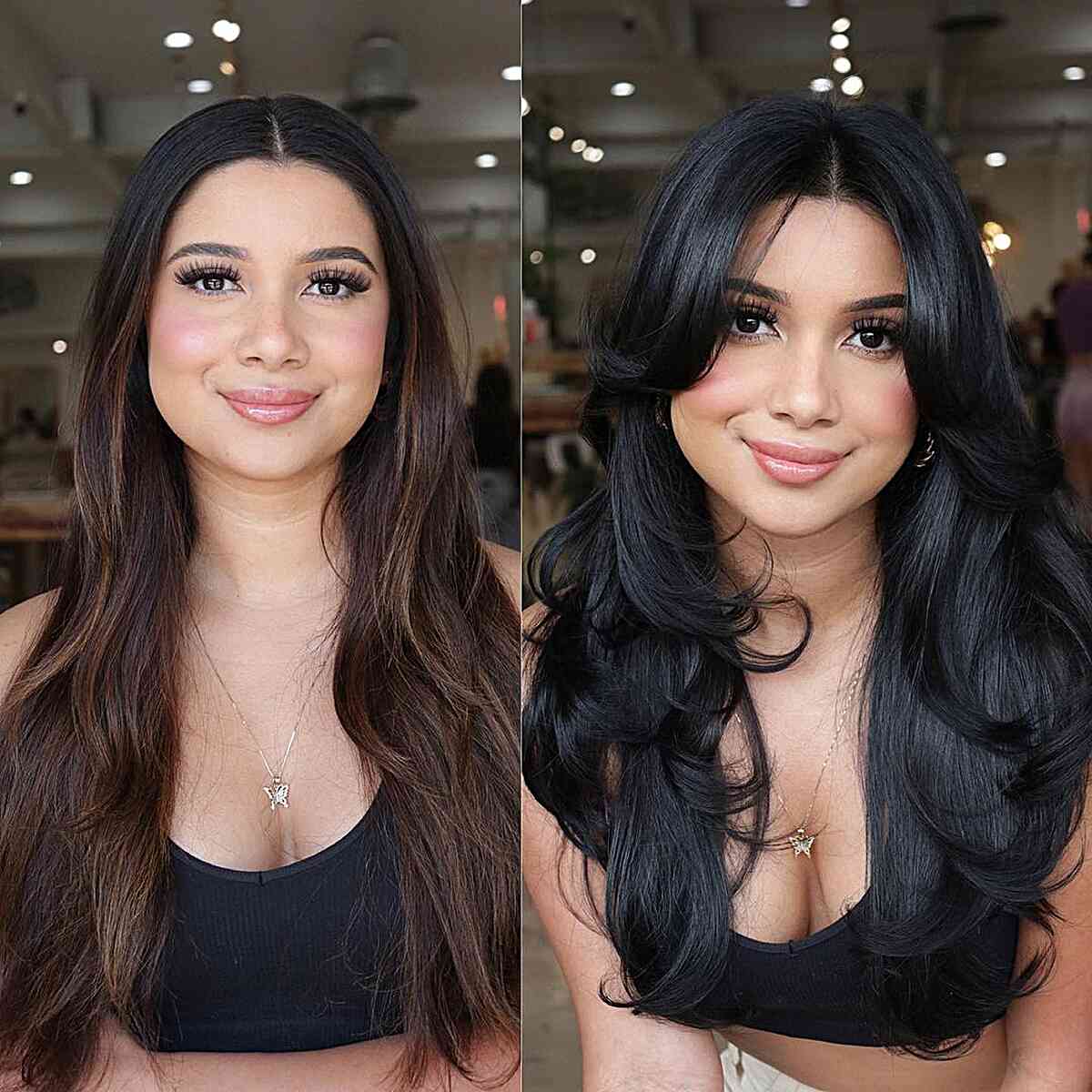
Long, layered cuts are a staple for round faces because they add weightless volume and vertical flow. When hair is cut in graduated layers, it prevents the hair from sitting heavily against the cheeks, which can accentuate width. For a professional brand, think of these layers as a way to add movement and dynamism to your presence. A “long bob” (or lob) that hits just below the collarbone creates a clean, vertical line that effectively narrows the perception of the face. This style is exceptionally versatile, offering a polished look that works as well in a boardroom as it does in a client-facing social setting.
Angular Precision: The Asymmetrical Bob
If you want to project a brand that is innovative, bold, and modern, the asymmetrical bob is an excellent choice. By cutting one side slightly longer or introducing an angled part, you introduce a diagonal line into your facial frame. Diagonal lines are powerful design elements that draw the eye downward, breaking the symmetry of a round face and adding a sense of sophistication. This style suggests that you are unafraid of change and possess an eye for detail—both critical components of a modern professional identity.
Creating Height: The Pompadour and Textured Quiffs
For those with shorter hair, the secret to balancing a round face lies in the volume at the crown. A high-volume quiff or a textured pompadour pulls the focus upward, effectively increasing the perceived length of the face. This is particularly effective for those looking to project a high-energy, authoritative personal brand. By maintaining shorter, tighter sides and leaving more length on top, you create a structured silhouette that commands respect while remaining current and stylish.
Leveraging Texture and Color to Enhance Your Visual Narrative
Beyond the structural cut, color and texture are the finishing touches that refine your personal brand. In professional settings, your hair color should be consistent with the image you wish to project. A deep, monolithic color can sometimes feel heavy on a round face; however, incorporating subtle highlights or “babylights” can create a multi-dimensional look that adds depth.
The Role of Highlights in Contouring
Much like contouring in makeup, strategic highlights can slim the face. By placing lighter shades around the crown and the face-framing sections, you create a focal point that draws the eye upward and toward the center of your face. This strategic placement of color acts as a subtle framing device, preventing the face from appearing too wide. When choosing your color palette, ensure it aligns with your overall brand: cooler, ashier tones often convey a sleek, sophisticated professionalism, while warmer, honeyed tones suggest a more approachable, collaborative personality.
Texture as a Tool for Sophistication
Texture should never be overlooked. While stick-straight hair can emphasize the circularity of a round face, adding soft waves or subtle texture can provide the necessary volume to counterbalance your features. Use professional-grade styling products—such as sea salt sprays for a matte, modern finish or lightweight pomades for a structured look—to maintain the integrity of your style throughout the workday. Consistency is key to branding; a well-groomed, textured look signals that you take pride in your appearance and are disciplined in your personal maintenance.
Maintaining the Brand: Professional Grooming and Consistency
The best haircut in the world will fail to support your brand if it is not maintained with precision. For those in high-level roles, regular maintenance is not an expense; it is a recurring investment in your professional visibility.
The Maintenance Cadence
For most styles suitable for round faces, a trim every four to six weeks is non-negotiable. As hair grows, layers lose their shape, and the volume that once elongated your face begins to flatten, potentially reverting your appearance to a less structured state. By adhering to a consistent grooming schedule, you ensure that your brand remains sharp, clear, and intentional. An overgrown haircut is a subtle signal of disorganization; a crisp, freshly trimmed style, regardless of the length, is a hallmark of a professional who manages their life with precision.
Consultation as a Strategic Asset
Never underestimate the value of a professional relationship with a stylist who understands facial geometry. When visiting your stylist, articulate your professional goals. Instead of simply asking for “a trim,” explain the image you want to convey. For example, “I am looking for a style that elongates my face to help me look more authoritative in meetings while maintaining a modern, clean aesthetic.” This shifts the interaction from a transactional haircut to a strategic consulting session. A skilled stylist will view your face as a project, utilizing their expertise to ensure the final result aligns with your personal brand objectives.

Final Thoughts on Your Visual Identity
Ultimately, the “best” haircut for a round face is the one that allows you to walk into a room feeling confident and aligned with your career aspirations. Your face is the focal point of every presentation you make, every negotiation you lead, and every connection you forge. By selecting a hairstyle that uses geometry, texture, and strategic length to balance your features, you are taking a deliberate step toward mastering your personal brand. You are moving beyond simple grooming and into the realm of image strategy, where every choice is calculated to enhance your influence and solidify your professional standing. In the competitive landscape of your industry, clarity of image is a powerful competitive advantage—start by perfecting your frame.
aViewFromTheCave is a participant in the Amazon Services LLC Associates Program, an affiliate advertising program designed to provide a means for sites to earn advertising fees by advertising and linking to Amazon.com. Amazon, the Amazon logo, AmazonSupply, and the AmazonSupply logo are trademarks of Amazon.com, Inc. or its affiliates. As an Amazon Associate we earn affiliate commissions from qualifying purchases.