
The beauty industry is a masterclass in psychological positioning and consumer loyalty. When we discuss “the best” hair colour brand, we are rarely discussing mere chemical efficacy. Instead, we are dissecting the intricate architecture of a market leader. In the professional and retail haircare sector, a brand’s dominance is defined by its ability to balance innovative formulation with a powerful, relatable identity. Whether it is a salon-grade permanent dye or a direct-to-consumer semi-permanent treatment, the brands that win are those that successfully communicate value, professional validation, and aesthetic aspiration.
The Psychology of Professional Endorsement
The primary strategy employed by elite hair colour brands—such as Wella Professionals, L’Oréal Professionnel, and Schwarzkopf—is the “professional halo effect.” These brands have successfully cemented their identity by tethering their corporate reputation to the expertise of the stylist.
Bridging the Gap Between Salon and Consumer
The reason these brands remain at the top of the market is their dual-channel strategy. By limiting their high-performance professional ranges to licensed salons, they create a sense of exclusivity and quality. When a consumer sees a specific logo on a salon mirror, it acts as a silent endorsement. The brand identity becomes synonymous with the professional’s skill. This elevates the product from a commodity to an experience.
Building Trust Through Formulation Standards
A brand’s identity is only as strong as its technical delivery. Professional brands invest heavily in R&D to minimize cuticle damage while maximizing color longevity. By marketing themselves as “hair-first” companies rather than “dye-first” companies, they build deep brand equity. The consumer perceives that the brand cares about the integrity of their hair, not just the pigment. This trust is the foundation of long-term brand loyalty.
Brand Positioning in the Direct-to-Consumer (DTC) Era
The rise of digital-native hair colour brands has disrupted traditional market hierarchies. Brands like Madison Reed and Arctic Fox have redefined what it means to be a “top” brand by focusing on brand persona, inclusivity, and community-driven marketing.
Disrupting the “Chemical” Narrative
Traditional hair colour brands often struggle with a legacy of harsh, clinical marketing. Modern DTC brands pivot away from this by adopting the tone and visual language of lifestyle brands. Their identity is built on transparency—highlighting “clean” ingredients and the democratization of salon-quality results. By positioning themselves as accessible, user-friendly alternatives to the intimidating salon experience, these brands have carved out massive market share.
Personalization as a Brand Pillar
The best brands in the current market understand that identity is personal. They utilize proprietary digital tools, such as online shade-matching quizzes, to create a bespoke consumer journey. This is not just a customer service tactic; it is a branding strategy. It fosters a relationship where the customer feels “known” by the brand. When a company provides a formula tailored to an individual’s specific hair history and goals, the brand identity shifts from “supplier” to “consultant.”
The Power of Visual Identity and Storytelling
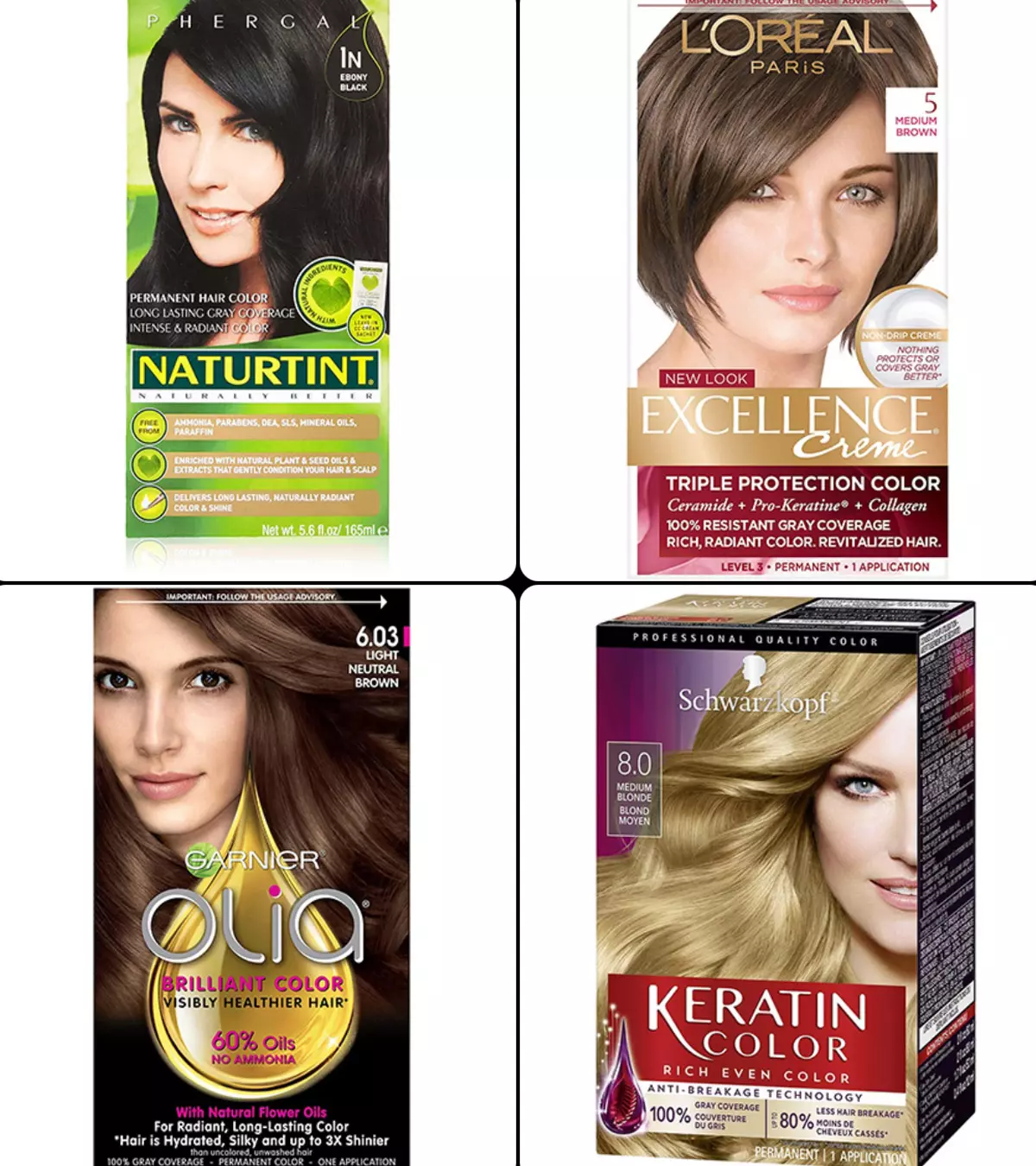
In a saturated market, the aesthetic identity of a brand—its packaging, social media presence, and artistic direction—is the primary driver of purchase intent. For hair colour brands, the visual representation of “results” is the most important piece of marketing collateral.
Consistent Visual Language
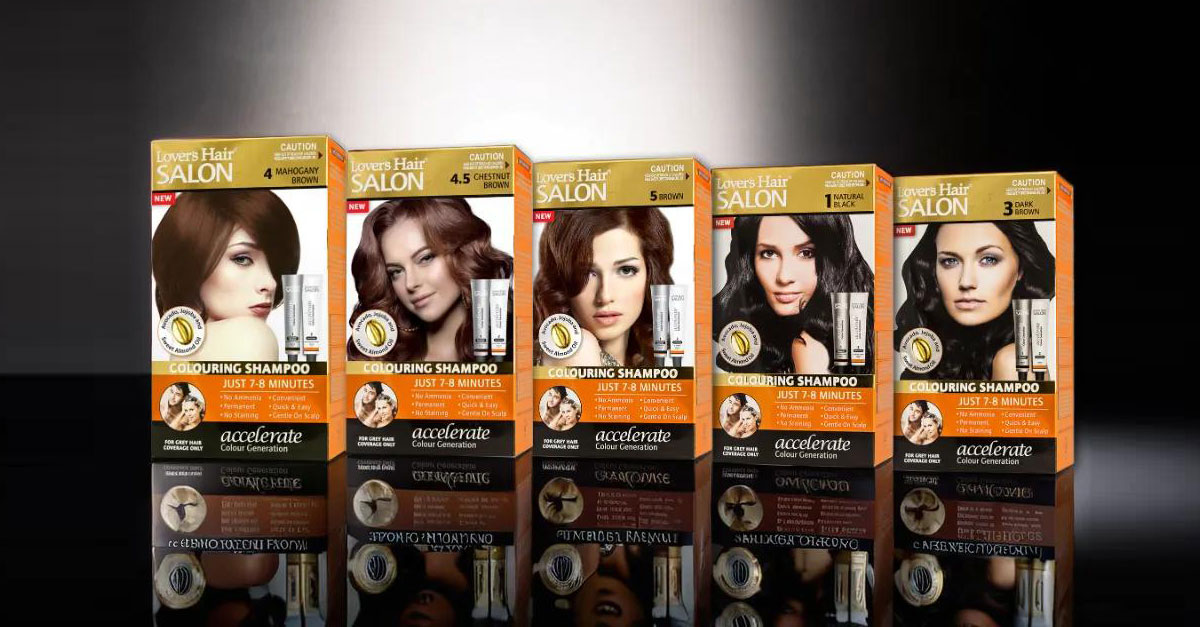
The market leaders maintain a rigid visual hierarchy. Whether it is the classic gold-and-black packaging of luxury ranges or the vibrant, neon-heavy design of alternative dye brands, the visual identity must be recognizable at a glance. This consistency acts as a shorthand for quality. A consumer should be able to identify a brand’s presence on a shelf or a social media feed without reading the name.
Influencer Marketing and Social Proof
Hair colour is inherently visual, making it the perfect candidate for high-impact social media marketing. However, the best brands do not just use influencers; they curate “brand ambassadors” who embody the lifestyle associated with the color. By aligning with specific fashion trends, subcultures, or beauty aesthetics, these brands ensure that their identity is aspirational. When an influencer demonstrates a transformation, they are not just showing a product; they are selling a version of the identity that the consumer desires to adopt.
Corporate Identity and Market Longevity
Sustainability and ethical sourcing have become central to the identity of the most successful hair colour brands. Today’s consumer is increasingly discerning, evaluating brands not just on their performance but on their corporate values.
The Shift Toward Conscious Consumption
Leading brands are no longer judged solely on color saturation; they are judged on their “brand consciousness.” Brands that lead the market now prioritize vegan formulations, cruelty-free testing, and sustainable packaging. This is a deliberate brand strategy to appeal to the Gen Z and Millennial demographics. By integrating these ethical pillars into their core corporate identity, brands insulate themselves from criticism and foster deep, value-based loyalty.
Long-Term Market Stability
To remain a “best-in-class” brand, a company must demonstrate longevity. Market leaders often employ a portfolio strategy—maintaining their legacy products that offer consistent, predictable results, while launching sub-brands or limited-edition lines to capture emerging trends. This “house of brands” approach allows them to dominate both the conservative, long-term customer and the trend-chasing consumer simultaneously. It is a masterclass in portfolio diversification, ensuring that the parent brand remains relevant regardless of changing market fashions.
Conclusion: Defining the “Best” Through Brand Strength
The search for the “best” hair colour brand is ultimately a search for brand alignment. The brands that dominate the market are those that have mastered the synthesis of product performance, aesthetic desirability, and clear corporate messaging.
Whether it is a legacy powerhouse that relies on the prestige of professional validation or a disruptor that leverages the intimacy of digital personalization, the winner is always the one that speaks most clearly to its target audience. Branding in the hair color space is not about finding the perfect chemical composition—that is the bare minimum for entry. It is about creating a narrative, a set of values, and a visual identity that the consumer wants to see in their bathroom, on their head, and reflected in their personal style.
The best hair colour brand is not an objective reality found in a test tube; it is the brand that has successfully positioned itself as the definitive solution for your specific hair needs while making you feel like part of a larger, carefully curated community. By understanding the levers of brand strategy—from positioning and visual language to ethical storytelling—one can see exactly why certain companies remain at the peak of the industry year after year. They have moved beyond the product, establishing themselves as essential partners in their customers’ personal identity and self-expression.
aViewFromTheCave is a participant in the Amazon Services LLC Associates Program, an affiliate advertising program designed to provide a means for sites to earn advertising fees by advertising and linking to Amazon.com. Amazon, the Amazon logo, AmazonSupply, and the AmazonSupply logo are trademarks of Amazon.com, Inc. or its affiliates. As an Amazon Associate we earn affiliate commissions from qualifying purchases.