
The quest for effective weight loss solutions often leads individuals to explore various avenues, with GLP-1 (Glucagon-Like Peptide-1) related options gaining significant traction. While the term “GLP-1 supplement” might colloquially refer to a broad range of products, it’s crucial from a financial standpoint to distinguish between FDA-approved prescription GLP-1 receptor agonists and over-the-counter dietary supplements claiming to support GLP-1 pathways. Understanding this distinction is paramount for making sound financial decisions regarding weight management, as the cost structures, insurance coverage, and long-term financial commitments vary drastically. For those considering GLP-1-related options for weight loss, the “best” choice is often less about a singular product and more about a comprehensive financial strategy that aligns with personal budgets, health goals, and risk tolerance.

Navigating the Financial Landscape of GLP-1 Options
The market presents a complex financial landscape for individuals seeking GLP-1 related weight loss. On one hand, there are potent, evidence-backed prescription medications. On the other, a proliferation of dietary supplements often marketed with similar claims, but without the same regulatory oversight or financial safety nets. Each path carries distinct financial implications that demand careful consideration.
Prescription GLP-1 Receptor Agonists: High Cost, Potential Coverage
True GLP-1 receptor agonists, such as semaglutide (marketed as Ozempic for diabetes, Wegovy for weight loss) and tirzepatide (Mounjaro for diabetes, Zepbound for weight loss), are powerful prescription medications. They work by mimicking a natural hormone to regulate appetite, slow gastric emptying, and improve insulin secretion. Their efficacy for weight loss is well-documented in clinical trials. However, their financial footprint is substantial.
- Retail Price: Without insurance, these medications can cost anywhere from $900 to over $1,600 per month, an annual outlay that can easily exceed $10,000 to $19,000. This places them firmly in the category of significant personal finance decisions, often requiring extensive budgeting and financial planning.
- Insurance Coverage: The availability and extent of insurance coverage are the most critical financial variables. Many commercial insurance plans, Medicare, and Medicaid may cover these drugs if prescribed for type 2 diabetes. However, coverage for weight loss indications (e.g., Wegovy, Zepbound) is far less common and often contingent on specific BMI criteria, co-morbidities, and prior authorization requirements. Even with coverage, high deductibles, co-pays, and co-insurance can still leave individuals with hundreds of dollars in out-of-pocket expenses monthly.
- Manufacturer Savings Programs: Pharmaceutical companies often offer savings cards or patient assistance programs to reduce out-of-pocket costs for eligible patients, particularly those with commercial insurance. While these can significantly lower monthly expenses, they are typically not long-term solutions and have expiry dates or annual limits. Relying solely on these without a long-term financial plan is a common pitfall.
From a personal finance perspective, committing to prescription GLP-1 agonists requires a robust financial assessment. This includes understanding your insurance policy’s specifics, estimating annual out-of-pocket maximums, and budgeting for potentially ongoing costs for several years, as weight regain can be common upon cessation of the medication. The “best” option here is one whose efficacy justifies the significant financial investment, provided it is medically appropriate and financially sustainable.
Over-the-Counter “GLP-1 Supplements”: Unregulated Efficacy, Direct Costs
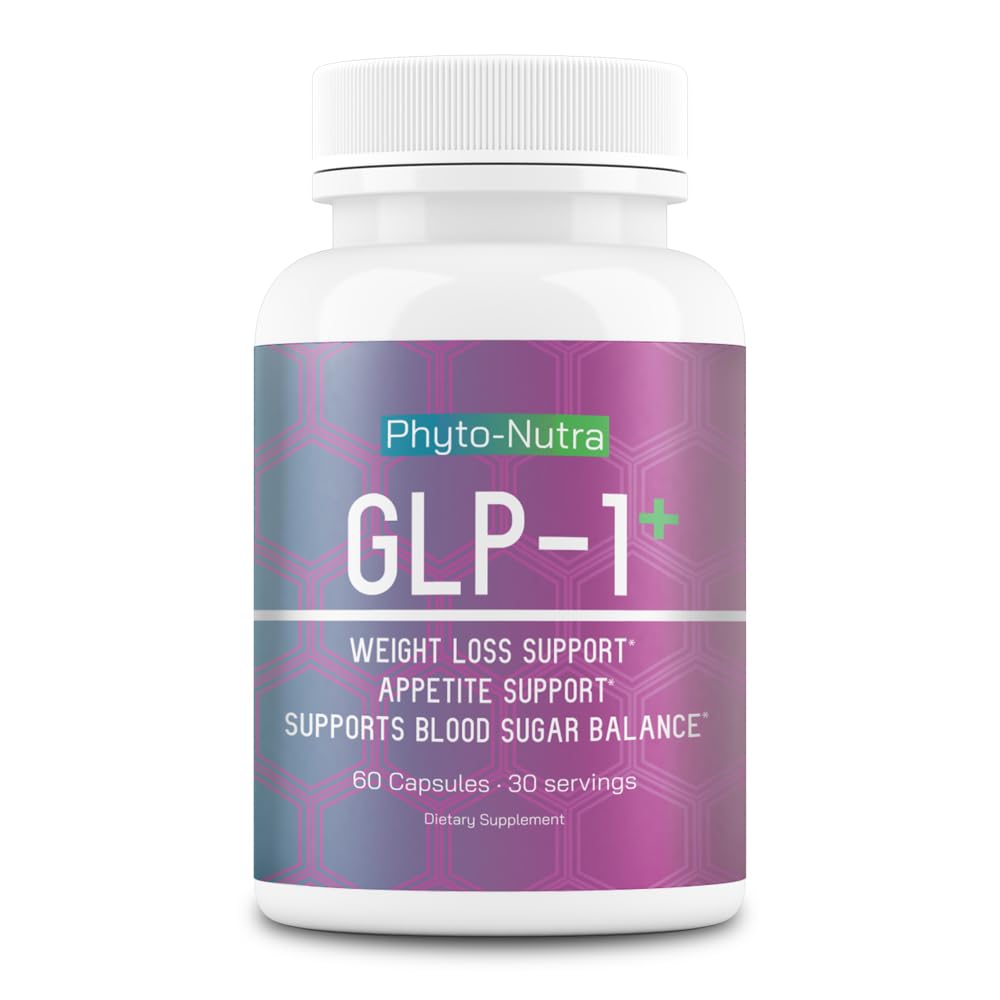
A different category of products includes dietary supplements marketed as “GLP-1 supplements” or “natural GLP-1 boosters.” These typically contain ingredients like berberine, alpha-lipoic acid, chromium, or various botanical extracts, often claiming to support the body’s natural GLP-1 production or metabolic pathways.
- Cost Structure: These supplements are purchased directly by the consumer, typically ranging from $30 to $100 per month. While seemingly more affordable than prescription options, this cost is always 100% out-of-pocket, as insurance does not cover dietary supplements.
- Efficacy and Financial Risk: Unlike prescription GLP-1 agonists, these supplements are not subject to the same rigorous FDA approval process for efficacy or safety. Their claims are often based on preliminary research or anecdotal evidence, not large-scale clinical trials specifically proving weight loss benefits via GLP-1 mechanisms. From a financial perspective, the risk of spending money on an ineffective product is significantly higher. This represents a potentially poor return on investment (ROI) if the desired health outcomes are not achieved.
- Ingredient Transparency and Quality: The supplement industry can be less regulated regarding ingredient purity and dosage. Consumers face the financial risk of purchasing products that may not contain the advertised ingredients, quantities, or may contain contaminants. This not only poses a health risk but also a direct financial loss for a product that fails to deliver.
When evaluating these “supplements,” the “best” choice is largely determined by an individual’s willingness to accept financial risk on unproven efficacy. While the upfront cost is lower, the cumulative cost of ineffective products over time can still add up, diverting funds from potentially more effective, if pricier, solutions or other financial goals.
Evaluating Cost-Effectiveness and Long-Term Value
Determining the “best” GLP-1 option for weight loss from a financial standpoint transcends merely looking at the sticker price. It involves a holistic evaluation of cost-effectiveness, long-term financial commitment, and the potential economic benefits derived from improved health.
Beyond Sticker Price: Hidden Costs and Related Expenses
The direct cost of the medication or supplement is only one piece of the financial puzzle. Several other expenses can impact the overall financial burden:
- Medical Consultations and Monitoring: Prescription GLP-1s require regular doctor visits, lab tests, and medical monitoring, which incur co-pays, deductibles, or direct fees. These are essential for safe and effective use but add to the overall financial commitment. Even for over-the-counter supplements, responsible health management might still warrant consultation with a healthcare professional, incurring costs.
- Lifestyle Changes: Both prescription and non-prescription weight loss strategies are most effective when coupled with dietary changes and increased physical activity. This can lead to increased grocery bills for healthier foods, gym memberships, personal training, or specialized meal delivery services. These are indirect but often necessary expenses for achieving and maintaining weight loss.
- Management of Side Effects: While generally well-tolerated, GLP-1 agonists can have side effects like nausea, vomiting, or gastrointestinal issues. Managing these might involve over-the-counter remedies or additional medical consultations, adding to the financial outlay.
A truly cost-effective approach considers all these ancillary expenses and integrates them into a realistic budget.
The ROI of Health: Weighing Financial Investment Against Health Outcomes
From a financial planning perspective, investing in health can yield significant returns, especially when managing chronic conditions or preventing future health complications.
- Reduced Healthcare Costs: Successful weight loss, particularly with conditions like type 2 diabetes, hypertension, or sleep apnea, can lead to reduced reliance on other medications, fewer specialist visits, and a lower risk of expensive medical procedures in the long run. The financial savings from preventing or mitigating these conditions can potentially offset the cost of GLP-1 medications over time.
- Increased Productivity and Income Potential: Improved health often translates to increased energy, better focus, and reduced absenteeism from work, potentially leading to greater professional productivity and income stability.
- Quality of Life: While not directly quantifiable in monetary terms, the improved quality of life, mobility, and mental well-being are invaluable returns on a health investment. Financial planning should always consider investments that enhance overall life satisfaction and personal well-being.
The “best” financial choice, therefore, balances the immediate outflow of cash with the potential for long-term financial and health benefits, considering individual risk factors and existing health conditions.
Navigating the Market: Budgeting for Sustainable Weight Management
Sustainable weight management requires a long-term financial commitment, not just a short-term fix. Budgeting and strategic planning are essential to integrate GLP-1 related expenses into personal finance without compromising other financial goals.
Strategies for Reducing Costs
For those pursuing prescription GLP-1s, several strategies can help mitigate the high costs:
- Maximize Insurance Benefits: Work closely with your healthcare provider and insurance company to understand coverage rules, fulfill prior authorization requirements, and appeal denied claims. Explore all available patient assistance programs.
- Generic Alternatives (Future Consideration): While not currently available for most GLP-1 agonists, patent expirations will eventually lead to generic versions, significantly reducing costs. Staying informed about future market developments is part of long-term financial planning.
- Compounding Pharmacies (Caution Advised): Some compounding pharmacies offer compounded versions of GLP-1 ingredients. These are generally less expensive than branded medications but are not FDA-approved, meaning their safety, efficacy, and purity are not guaranteed. This path involves significant financial and health risks and should be approached with extreme caution and thorough research, understanding that insurance typically does not cover compounded medications.
For those considering “GLP-1 supplements,” the primary strategy for cost reduction is thorough research into reputable brands with third-party testing, focusing on specific ingredients with some scientific backing (even if not for direct GLP-1 activation) and avoiding excessive expenditure on unproven products.
Financial Planning for Long-Term GLP-1 Use
Committing to GLP-1 therapy, particularly prescription versions, is often a multi-year endeavor. This necessitates dedicated financial planning:
- Dedicated Health Savings Account (HSA) or Flexible Spending Account (FSA): If eligible, these accounts allow individuals to save and spend pre-tax dollars on qualified medical expenses, including prescription medications and doctor visits, effectively reducing the net cost.
- Re-evaluating Budget Priorities: Given the significant monthly expense, individuals may need to reallocate funds from discretionary spending, adjust savings goals, or explore additional income streams to comfortably accommodate the cost.
- Regular Financial Review: Periodically review the cost of medication, changes in insurance coverage, and the overall financial impact to ensure the plan remains sustainable.
Making an Informed Financial Decision
Ultimately, the “best GLP-1 supplement for weight loss” from a financial standpoint is the one that aligns with your health goals, is medically appropriate, and is financially sustainable within your personal budget. This requires due diligence, transparency with healthcare providers about financial constraints, and careful financial planning.
The Role of Financial Advisors in Health Spending
For significant ongoing medical expenses, consulting a financial advisor can be beneficial. They can help integrate health spending into a broader financial plan, assess the impact on retirement savings, explore tax-advantaged accounts, and provide strategies for managing large medical costs. They can offer a detached, expert perspective on how this health investment fits into your overall financial well-being.

Avoiding Pitfalls: Unregulated Products and Financial Scams
The demand for weight loss solutions has unfortunately created a market for unregulated products and outright financial scams. Be wary of “miracle cures” or “natural GLP-1 activators” promising drastic results without scientific backing. These often represent a direct financial loss, with no health benefit and potential health risks. Always prioritize products that are transparent about ingredients, backed by reputable science (for prescription drugs, FDA approval), and prescribed or recommended by qualified healthcare professionals. A financially prudent approach involves skepticism towards exaggerated claims and a commitment to evidence-based solutions.
In conclusion, while the allure of a simple “best” GLP-1 “supplement” is strong, the reality is a nuanced financial decision. It requires understanding the significant cost differences between regulated prescription medications and often-unproven dietary supplements, navigating insurance complexities, and integrating these expenses into a sustainable personal financial plan. The optimal choice is one that maximizes health benefits while minimizing financial strain and risk, empowering individuals to achieve their weight loss goals responsibly.
aViewFromTheCave is a participant in the Amazon Services LLC Associates Program, an affiliate advertising program designed to provide a means for sites to earn advertising fees by advertising and linking to Amazon.com. Amazon, the Amazon logo, AmazonSupply, and the AmazonSupply logo are trademarks of Amazon.com, Inc. or its affiliates. As an Amazon Associate we earn affiliate commissions from qualifying purchases.