
In the pursuit of acoustic perfection, audiophiles and home theater enthusiasts often spend thousands of dollars on high-end amplifiers, sophisticated digital-to-analog converters (DACs), and meticulously engineered speaker cabinets. However, one of the most overlooked components in the signal chain is the physical medium that connects the power source to the transducer: the speaker wire. While it may seem like a simple copper strand, the gauge of the wire plays a pivotal role in maintaining signal integrity, preventing power loss, and ensuring that the nuances of a high-fidelity recording reach the listener’s ears without degradation.
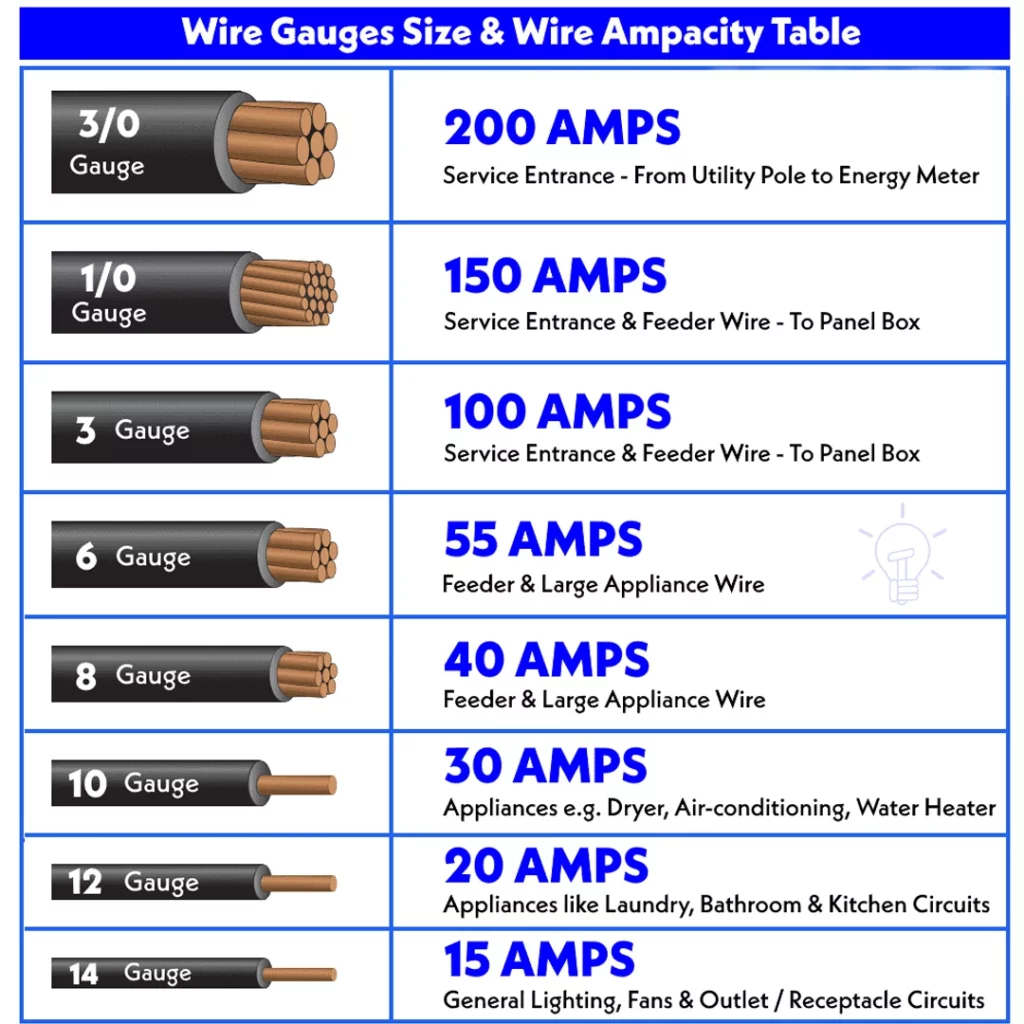
Choosing the “best” gauge is not a matter of simply buying the thickest wire available. Instead, it is a technical calculation based on electrical resistance, the distance of the cable run, and the impedance of the speakers themselves. Understanding the science behind American Wire Gauge (AWG) is essential for anyone looking to optimize their hardware setup for peak performance.
Understanding American Wire Gauge (AWG) and Electrical Resistance
The thickness of a speaker wire is measured using the American Wire Gauge (AWG) system. In this numerical system, a lower number denotes a thicker wire, while a higher number denotes a thinner one. For example, 12-gauge wire is significantly thicker than 18-gauge wire. In the context of audio technology, the thickness of the conductor directly correlates to its electrical resistance.
The Physics of Resistance
Every conductor offers some level of resistance to the flow of electrical current. In an audio system, the amplifier sends an electrical signal to the speaker; if the wire has too much resistance, a portion of that energy is dissipated as heat rather than being converted into sound. This leads to a decrease in volume and, more importantly, a degradation in the damping factor of the amplifier.
Resistance is determined by three primary factors: the material of the wire, its cross-sectional area (gauge), and its total length. By increasing the thickness of the wire (lowering the gauge), you increase the surface area through which electrons can flow, thereby reducing resistance. For long cable runs, low resistance is critical to prevent the wire from acting as a filter that rolls off high frequencies or muddies the bass response.
The Impact on Damping Factor
The damping factor is a technical specification that describes an amplifier’s ability to control the motion of the speaker cone after the signal stops. High-quality amplifiers have high damping factors to ensure “tight” and accurate bass. However, high-resistance speaker wire acts as a barrier between the amp and the speaker, effectively lowering the damping factor at the speaker terminals. This can result in “loose” or “boomy” low-end frequencies. Selecting the correct gauge ensures that the electrical bond between the amplifier’s output stage and the speaker’s voice coil remains as transparent as possible.
Factors Determining the Ideal Wire Gauge
There is no universal “best” gauge because the requirements change based on the specific architecture of your audio system. To select the right wire, you must evaluate three critical variables: the length of the cable run, the impedance of your speakers, and the power output of your equipment.
The Distance of the Cable Run
Distance is the most significant factor in wire selection. As the length of a wire increases, its total resistance increases proportionally. For short distances, such as a desktop monitor setup where speakers are only three to five feet from the amplifier, a thinner 16-gauge or even 18-gauge wire is usually sufficient.
However, in a large home theater or a multi-room audio installation where wires may run through walls or under floors for 50 feet or more, the resistance of thin wire becomes problematic. For runs over 50 feet, 12-gauge wire is often the industry standard to ensure that signal loss remains below the audible threshold of 0.5 decibels.
Speaker Impedance (Ohms)
Speaker impedance—typically rated at 4, 6, or 8 ohms—measures how much the speaker resists the current from the amplifier. Low-impedance speakers (4 ohms) are more demanding because they require more current to drive. Because they have lower internal resistance, they are more sensitive to the added resistance of the speaker wire.
If you are using 4-ohm speakers, you should generally opt for a thicker gauge than you would for 8-ohm speakers over the same distance. A high-resistance wire paired with a low-impedance speaker creates a significant voltage drop, which can cause the amplifier to clip or the sound to lose its dynamic range.
Power and Current Demands
While residential audio systems rarely push enough current to melt a standard wire, high-power setups—such as those used in professional live sound or extreme high-end home cinema—require thicker gauges to handle the thermal load. If you are pushing hundreds of watts into a high-performance subwoofer, a thicker 10 or 12-gauge wire ensures that the peaks of the audio signal are delivered with maximum impact and minimal heat generation within the cable itself.
Comparing 12, 14, and 16-Gauge Wire
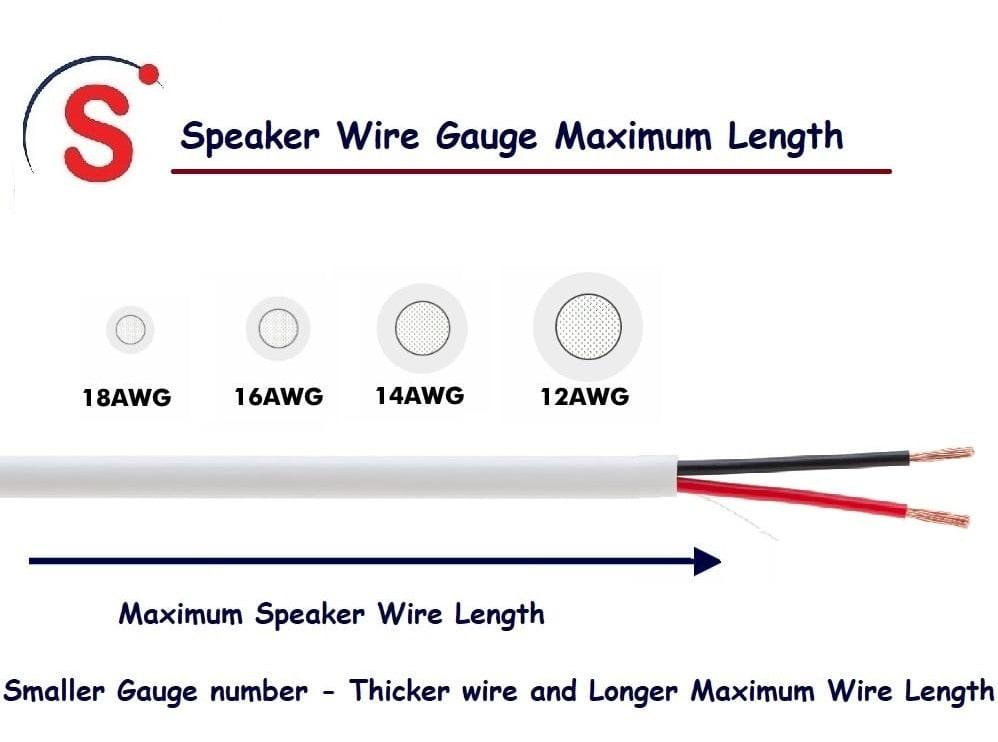
The most common gauges found in the consumer and professional markets are 12, 14, and 16. Each serves a specific purpose in the ecosystem of audio connectivity.
16-Gauge: The Standard Choice
16-gauge wire is the most common choice for general-purpose audio. It is thin, flexible, and relatively inexpensive, making it easy to route around corners or hide under carpets. For most home audio setups where the speakers are within 20 feet of the receiver, 16-gauge wire provides excellent performance. It is the go-to choice for bookshelf speakers, satellite speakers in a 5.1 surround sound system, and casual listening environments.
14-Gauge: The Versatile “Sweet Spot”
Many enthusiasts consider 14-gauge wire to be the “sweet spot” for high-quality audio. It offers a significant reduction in resistance compared to 16-gauge without becoming too stiff or difficult to manage. 14-gauge is ideal for runs between 20 and 50 feet or for users who have 6-ohm speakers and want to ensure they aren’t losing any fidelity. It provides a professional-grade connection that balances cost, ease of installation, and electrical efficiency.
12-Gauge: The High-End Standard
12-gauge wire is a heavy-duty option designed for the most demanding applications. It is significantly thicker and less flexible, which can make it a challenge to install in tight spaces. However, for long runs (over 50 feet) or for driving high-end, 4-ohm floor-standing towers, 12-gauge is the gold standard. It minimizes power loss to negligible levels and ensures that the amplifier has total control over the speaker drivers. If you are building a dedicated listening room or a high-end home theater, 12-gauge wire is a small investment that guarantees you are getting every bit of performance out of your hardware.
Material Science: CCA vs. OFC
Beyond the gauge, the material composition of the wire is a critical technical consideration. In the modern market, you will primarily encounter Copper-Clad Aluminum (CCA) and Oxygen-Free Copper (OFC).
Copper-Clad Aluminum (CCA)
CCA wire is constructed with an aluminum core plated with a thin layer of copper. Because aluminum is cheaper and lighter than copper, CCA wire is much more affordable. However, from a technical standpoint, aluminum is a less efficient conductor than copper. To achieve the same conductivity as a pure copper wire, you would need to use a CCA wire that is one to two gauges thicker. Furthermore, aluminum is more brittle and prone to oxidation over time, which can lead to brittle connections and increased resistance at the terminals.
Oxygen-Free Copper (OFC)
OFC is the preferred choice for serious audio applications. It is refined to remove nearly all oxygen and impurities, resulting in a highly conductive and durable material. OFC wire provides superior signal transmission and is much more resistant to corrosion. While it is more expensive than CCA, the long-term stability and electrical performance make it the superior choice for anyone invested in high-quality sound. When selecting your gauge, ensure you are looking at OFC ratings to get the most accurate reflection of the wire’s capabilities.
Installation Best Practices for Peak Audio Performance
Selecting the right gauge is only half the battle; how you terminate and route those wires will also influence the final sound.
Termination: Banana Plugs vs. Bare Wire
While many receivers allow you to stick bare wire directly into a binding post, using high-quality terminations like banana plugs or spade connectors is recommended. These connectors provide a more secure, airtight physical connection, which prevents the copper from oxidizing and ensures maximum surface area contact. This maintains the low-resistance benefits of your chosen gauge over the lifespan of the system.
Cable Routing and Interference
Even the thickest gauge wire can be compromised by external factors. When routing your speaker wire, avoid running it parallel to high-voltage AC power lines. The electromagnetic field generated by power cables can induce noise (hum) into the speaker wire. If you must cross a power cable, do so at a 90-degree angle to minimize interference.

Consistency Across Channels
In a multi-channel setup, consistency is key to a coherent soundstage. Try to use the same gauge and type of wire for all speakers in a specific group (e.g., all front-stage speakers). While it isn’t strictly necessary for the wires to be the exact same length, keeping them relatively similar ensures that the resistance remains balanced across the left and right channels, preserving the stereo image and phase alignment.
In conclusion, the best gauge wire for your speakers depends entirely on the technical requirements of your environment. For short, standard runs, 16-gauge OFC is more than sufficient. For those seeking a higher tier of fidelity or managing mid-range distances, 14-gauge offers the perfect balance. For the ultimate high-performance setup or long architectural runs, 12-gauge ensures that your speakers perform exactly as the manufacturer intended. By matching the gauge to your hardware’s impedance and the physical distance of your room, you create the optimal foundation for a truly immersive audio experience.
aViewFromTheCave is a participant in the Amazon Services LLC Associates Program, an affiliate advertising program designed to provide a means for sites to earn advertising fees by advertising and linking to Amazon.com. Amazon, the Amazon logo, AmazonSupply, and the AmazonSupply logo are trademarks of Amazon.com, Inc. or its affiliates. As an Amazon Associate we earn affiliate commissions from qualifying purchases.