
In the traditional sense, the “best” form of exercise was often a matter of debate between cardiovascular endurance and resistance training. However, in the contemporary landscape dominated by the “Quantified Self” movement, the answer has shifted from a specific physical activity to a technological methodology. Today, the best form of exercise is data-driven, algorithmically optimized, and hyper-personalized through technology. We are no longer guessing which movements yield the highest ROI for our biology; we are using a sophisticated stack of hardware and software to decode our physiological responses in real-time.
As we move deeper into the decade, the integration of Artificial Intelligence (AI), wearable sensors, and immersive environments is fundamentally rewriting the script on human performance. The best form of exercise is now defined by its ability to integrate into a digital ecosystem that monitors strain, recovery, and metabolic efficiency.
The Rise of Data-Driven Movement: From Guesswork to Precision
For decades, fitness was governed by generalities. People followed static programs found in magazines or generic apps. The “best” exercise was whatever you could stick to. While consistency remains a pillar of health, technology has introduced a new variable: precision. The advent of the Internet of Bodies (IoB) has turned the human physique into a data-generating machine, allowing for a level of customization previously reserved for Olympic athletes.
The Role of Wearables in Real-Time Biometric Tracking
Modern wearables have evolved far beyond simple step counting. Devices like the Oura Ring, Whoop, and the latest iterations of the Apple Watch utilize photoplethysmography (PPG) and advanced accelerometers to track Heart Rate Variability (HRV), blood oxygen saturation (SpO2), and skin temperature.
This data allows users to identify their “Readiness Score.” In this tech-centric view, the best form of exercise is the one that aligns with your current recovery state. If your HRV is low and your nervous system is overtaxed, the “best” exercise might be a tech-assisted zone 2 recovery session rather than a high-intensity interval training (HIIT) circuit. This shift from “no pain, no gain” to “data-led exertion” is the hallmark of modern fitness technology.
AI-Powered Personal Training: The Democratization of Elite Coaching
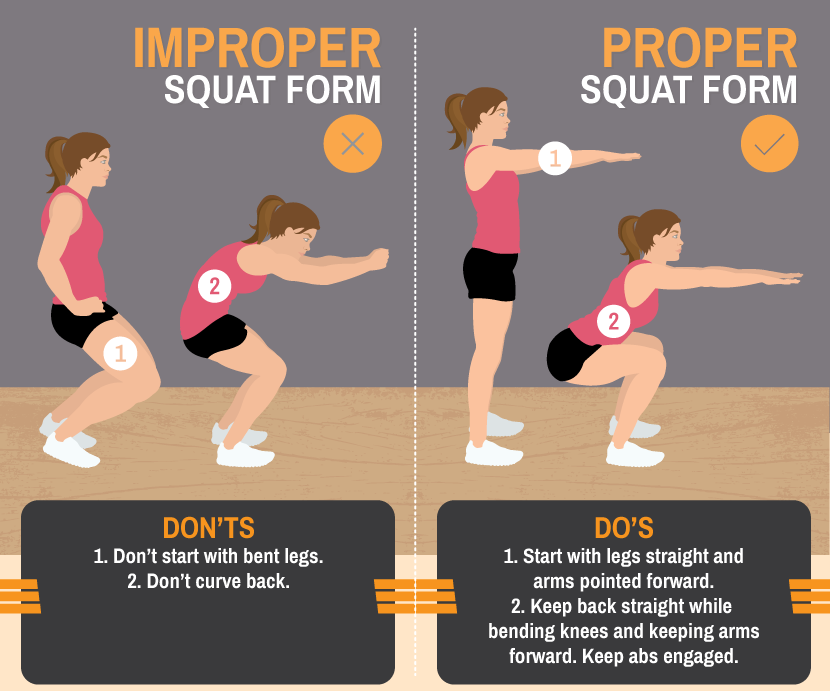
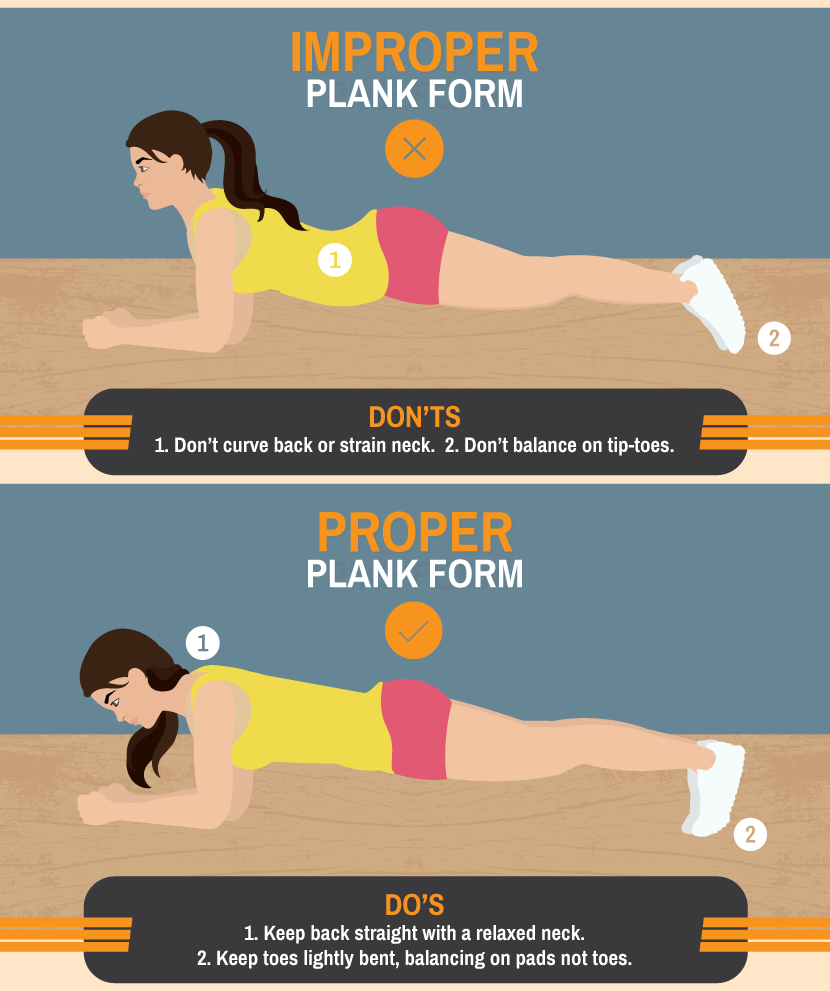
Artificial Intelligence is disrupting the personal training industry by providing bespoke programming at a fraction of the cost. Apps powered by computer vision, such as Zenia for yoga or various AI-driven strength training platforms, use smartphone cameras to analyze a user’s form in real-time. They provide instant haptic or auditory feedback to correct posture, reducing the risk of injury and ensuring maximum muscle recruitment.
These algorithms don’t just watch you; they learn from you. By analyzing thousands of data points regarding your previous lifts, rest intervals, and perceived exertion, AI can predict when you are ready for a PR (Personal Record) or when you need to deload. In this context, the best form of exercise is an adaptive one—a program that evolves every 24 hours based on the user’s biological feedback loops.
Biohacking and Metabolic Tech: Optimizing the Internal Engine
While external movement is important, the “tech” side of exercise has moved inward. Biohacking—the practice of using technology to “hack” one’s biology—is now a mainstream pursuit. The best form of exercise is now frequently measured by its impact on metabolic health, tracked through sophisticated hardware that was once the exclusive domain of clinics.
Continuous Glucose Monitors (CGMs) and Nutri-Tech
One of the most significant breakthroughs in fitness tech is the repurposing of Continuous Glucose Monitors (CGMs) for non-diabetics. Companies like Levels and Nutrisense allow users to see, in real-time, how specific exercises affect their blood glucose levels.
For many, the best form of exercise is discovered to be a post-meal walk or a specific type of resistance training that flattens glucose spikes. This data allows users to optimize their metabolic flexibility—the body’s ability to switch between burning carbs and burning fat. By syncing exercise data with glucose data, individuals can tailor their workouts to optimize insulin sensitivity, which is a core metric of longevity and performance.
Recovery Tech: The Unseen Half of Exercise
In the tech niche, exercise is viewed as a stimulus-recovery loop. Therefore, the “best” exercise includes the technology used to recover from it. Percussive therapy devices like Theragun, infrared saunas with smart controls, and pneumatic compression boots (like Normatec) are now staples of a tech-focused fitness routine.
Furthermore, the integration of sleep-tracking technology ensures that the hormonal benefits of exercise are realized. If a workout disrupts deep sleep or REM cycles, it is deemed inefficient by the data. The synergy between high-tech recovery tools and physical exertion defines the modern “optimal” workout.
Virtual and Augmented Reality: The Gamification of Physical Strain
The psychological barrier to exercise has long been boredom. Technology is solving this through Extended Reality (XR). By merging the physical and digital worlds, tech is turning “exercise” into “play,” making it arguably the most effective form of movement for the masses due to increased adherence rates.
The Psychology of “Invisible” Exercise in VR
Platforms like Meta Quest, featuring apps such as Supernatural or FitXR, have proven that users can reach high-intensity heart rate zones without the perceived exertion typically associated with the gym. Through spatial computing and gamification, users are transported to the Great Wall of China or the surface of Mars, where they engage in movements that mimic shadowboxing or functional lunging.
The “best” form of exercise here is the one that hacks the brain’s reward system. By using leaderboards, digital trophies, and immersive soundtracks, VR fitness removes the friction of “going to the gym.” For a tech-savvy generation, the ability to close “activity rings” in a virtual environment provides a dopamine hit that traditional weightlifting often lacks.
Augmented Reality (AR) and the Future of Outdoor Training
While VR keeps us indoors, AR is transforming the outdoors. Smart glasses and AR-enabled smartphone apps (like those used for “Zombies, Run!”) overlay digital objectives onto the physical world. Cyclists using AR HUDs (Heads-Up Displays) can see their power output, cadence, and virtual “ghost” competitors projected onto the road in front of them. This integration of digital overlays into physical reality ensures that every outdoor session is optimized for peak performance through real-time telemetry.
Integrated Ecosystems and the Smart Home Gym
The best form of exercise is often the one that is most accessible. The rise of the smart home gym—pioneered by companies like Peloton, Tonal, and Mirror—has created integrated ecosystems that rival professional training facilities. These aren’t just pieces of hardware; they are sophisticated software platforms that use machine learning to dictate the “best” workout for the day.
Adaptive Resistance and Machine Learning
Devices like Tonal use electromagnetic resistance rather than traditional iron plates. This allows the machine to adjust the weight mid-rep. If the internal sensors detect that the user is struggling (the “sticking point” of a lift), the AI lowers the resistance to allow for a full range of motion. Conversely, it can add “eccentric loading” to maximize muscle fiber breakdown during the lowering phase of a lift.
This level of mechanical intelligence means that every single repetition is optimized for the user’s current strength level. In the world of tech, the “best” exercise is one where zero effort is wasted on sub-optimal resistance.
The Ecosystem Effect: Connected Health
The power of these platforms lies in their connectivity. Your smart bike “talks” to your smart watch, which “talks” to your nutrition app, which then informs your smart bed’s temperature settings for the night. This holistic ecosystem ensures that exercise is not an isolated event but a data point in a continuous stream of health optimization. The “best” form of exercise is the one that fits seamlessly into this digital architecture, allowing for a 360-degree view of human health.

Ethical Implications: The Privacy of Performance
As we define the best form of exercise through technology, we must address the security of the data generated. Our “biometric signatures” are among the most sensitive data points we possess. If the best form of exercise requires 24/7 monitoring, the software companies behind these tools become the custodians of our physiological secrets.
The future of fitness tech will likely involve blockchain-based health records or decentralized AI to ensure that while we optimize our bodies, we do not compromise our digital security. The best form of exercise must eventually be one that is both physically beneficial and digitally sovereign.
In conclusion, the quest for the “best” form of exercise has moved past the simple binary of “weights vs. cardio.” We have entered an era where the best movement is the one that is measured, analyzed, and refined by an advanced technological stack. Whether it is through AI-driven strength training, VR-based endurance, or CGM-monitored metabolic conditioning, the future of fitness is undeniably digital. To achieve peak performance today, one must not only move their body but also master the tools that track it.
aViewFromTheCave is a participant in the Amazon Services LLC Associates Program, an affiliate advertising program designed to provide a means for sites to earn advertising fees by advertising and linking to Amazon.com. Amazon, the Amazon logo, AmazonSupply, and the AmazonSupply logo are trademarks of Amazon.com, Inc. or its affiliates. As an Amazon Associate we earn affiliate commissions from qualifying purchases.