
In the hyper-competitive world of consumer packaged goods (CPG), the question of “what is the best fluoride toothpaste” is rarely answered by chemical composition alone. While the basic inclusion of sodium fluoride or sodium monofluorophosphate is a clinical standard, the “best” product in the eyes of the consumer is a triumph of brand positioning, psychological anchoring, and strategic market segmentation. For brand strategists and marketing professionals, the oral care industry provides a masterclass in how a commodity—a simple cleaning paste—is transformed into a high-trust, essential lifestyle component.
To determine the “best” toothpaste is to examine the intersection of clinical authority and emotional resonance. The market is no longer a monolith; it is a fragmented landscape where legacy giants and nimble direct-to-consumer (DTC) challengers vie for “share of mouth.” Understanding which brand holds the crown requires an analysis of how these companies leverage brand equity to turn a mundane morning routine into a moment of brand loyalty.
The Architecture of Oral Care Brands: Defining the “Best”
The concept of the “best” toothpaste is inextricably linked to the brand’s ability to communicate efficacy. In a category where the average consumer cannot scientifically verify the remineralization of their enamel, the brand becomes a proxy for the laboratory.
Scientific Authority vs. Lifestyle Marketing
The dominant players in the fluoride toothpaste market, such as Colgate and Crest, have built their empires on the foundation of scientific authority. By positioning themselves as the choice of “four out of five dentists,” they utilize the psychological principle of authority to bypass consumer skepticism. This is a classic branding move: when the technical benefits of a product are invisible to the naked eye, the brand must manifest that invisible quality through professional endorsements and clinical aesthetics.
Conversely, newer brands have shifted the definition of “best” toward lifestyle and aesthetics. Brands like Marvis or Buly 1803 do not compete on the same clinical playing field as the giants. Instead, they position fluoride toothpaste as a luxury item. For these brands, the “best” isn’t the one that prevents the most cavities—though they must meet safety standards—it is the one that elevates the user’s bathroom counter and provides a superior sensory experience. This illustrates a critical branding lesson: the definition of “best” is entirely dependent on the segment of the market the brand intends to own.
The Power of the ADA Seal as a Brand Asset
In the United States, the American Dental Association (ADA) Seal of Acceptance is perhaps the most valuable brand asset a toothpaste can possess. It functions as a third-party “trust mark” that validates a brand’s claims. From a strategic perspective, the ADA seal is a barrier to entry for smaller brands that lack the capital for rigorous clinical trials.
For the market leaders, maintaining this seal is a core part of their brand identity. It allows them to claim the “best” status by default, as the seal acts as a shortcut for consumer decision-making. In a grocery aisle with fifty different options, the brand that can point to a gold standard of medical approval wins the cognitive ease battle. The “best” toothpaste, therefore, is often the one that minimizes the perceived risk for the shopper.
Case Studies in Brand Evolution: Crest vs. Colgate
To understand the current hierarchy of fluoride toothpaste, one must analyze the decades-long “Brand War” between Procter & Gamble’s Crest and Colgate-Palmolive’s Colgate. Both brands offer fluoride-based products, yet their paths to being perceived as the “best” have been distinct.
Colgate’s Global Accessibility Strategy
Colgate has historically focused on global ubiquity and accessibility. Their branding strategy revolves around being the “most trusted” brand globally. By ensuring that a tube of Colgate Total or Great Regular Flavor is available in almost every corner of the world, they have built an incredible amount of brand equity through consistency.
Colgate’s branding is centered on the family. Their messaging is inclusive, warm, and reliable. By focusing on “total” protection, they have positioned themselves as the comprehensive solution for the household. In many markets, Colgate is so synonymous with the category that it has achieved a level of brand salience that is nearly impossible to disrupt. For the global consumer, the “best” fluoride toothpaste is the one that has been there for generations.
Crest and the Innovation of “3D White”
Crest, on the other hand, took a different route to the top by focusing on high-performance sub-branding. While they maintain a strong presence in the “anti-cavity” fluoride space, their pivot toward cosmetic benefits—most notably with the “3D White” line—redefined what consumers looked for in a fluoride toothpaste.
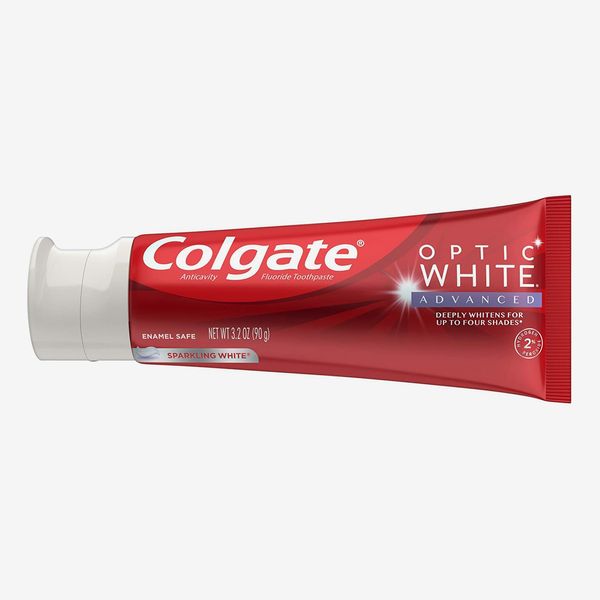
Crest successfully identified a shift in consumer behavior: the desire for oral health was being superseded by the desire for a “Hollywood smile.” By combining fluoride protection with whitening technology, Crest created a new premium category. Their branding is sleeker, more modern, and more results-oriented than traditional protective pastes. This move allowed Crest to capture a higher-margin segment of the market, proving that the “best” product is often the one that solves two problems at once: health and vanity.
Niche Positioning: How Sensitivity and Natural Ingredients Redefined the Category
As the market matured, “one-size-fits-all” branding began to lose its efficacy. The rise of niche brands proved that a product could be the “best” for a specific group of people, even if it wasn’t the market leader in total volume.
Sensodyne and the Ownership of a Functional Niche
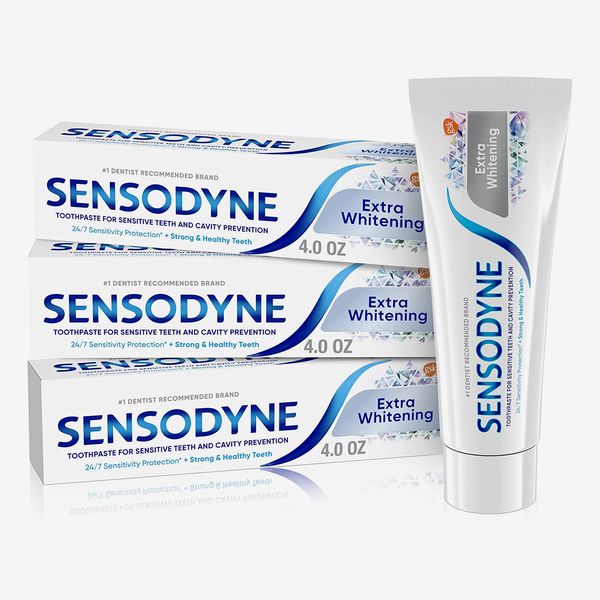
GlaxoSmithKline’s Sensodyne is a masterclass in functional branding. By focusing exclusively on tooth sensitivity, Sensodyne carved out a space where it is the undisputed “best.” They do not try to compete with Crest on whitening or Colgate on global family appeal. Instead, they own the “pain” territory.
Sensodyne’s branding is clinical and minimalist. Their advertisements often feature “real” dentists in clinical settings, reinforcing the idea that this is a medicinal product rather than a cosmetic one. By including fluoride in their sensitivity formulas, they ensure that the consumer doesn’t have to choose between protection and comfort. This targeted approach has allowed Sensodyne to command a premium price point, demonstrating that being the “best” in a narrow niche can be more profitable than being second-best in a broad one.
The Rise of “Clean Beauty” in Oral Care
In recent years, the “Clean Beauty” movement has migrated into the oral care aisle. Consumers are increasingly skeptical of artificial dyes, sweeteners, and preservatives. This shift created an opening for brands like Hello and Tom’s of Maine.
The branding challenge for these companies was significant: how do you offer a “natural” product while still providing the “best” fluoride protection? Many natural brands originally launched without fluoride, but consumer demand for cavity prevention forced a pivot. Now, these brands market themselves as the “best” for the conscious consumer—the person who wants the benefits of fluoride but without the “chemicals” associated with big-box brands. Their packaging uses earth tones, matte finishes, and transparent ingredient lists to signal a different set of values.
The Future of Toothpaste Branding: Customization and Sustainability
As we look toward the future, the definition of the “best” fluoride toothpaste is shifting again, driven by two major trends: the rise of direct-to-consumer (DTC) personalization and the urgent need for sustainable packaging.
Direct-to-Consumer Models and Personal Branding
Brands like Quip and HiSmile are leveraging social media and subscription models to bypass traditional retail. These brands aren’t just selling toothpaste; they are selling a lifestyle and a design aesthetic. For a younger generation of consumers, the “best” toothpaste is one that arrives on their doorstep in a sleek, Instagrammable tube that matches their electric toothbrush.
These companies use influencer marketing to build a “cool factor” around oral care—a category previously considered boring. By focusing on the user experience—from the flavor profiles to the texture of the paste—they are challenging the legacy brands to rethink their brand identity. In the DTC space, the “best” brand is the one that feels the most personal and the least corporate.
Eco-Conscious Packaging as a Competitive Advantage
The final frontier for toothpaste branding is sustainability. The traditional plastic toothpaste tube is a recycling nightmare. As environmental impact becomes a primary concern for consumers, the “best” fluoride toothpaste will soon be defined by its footprint.
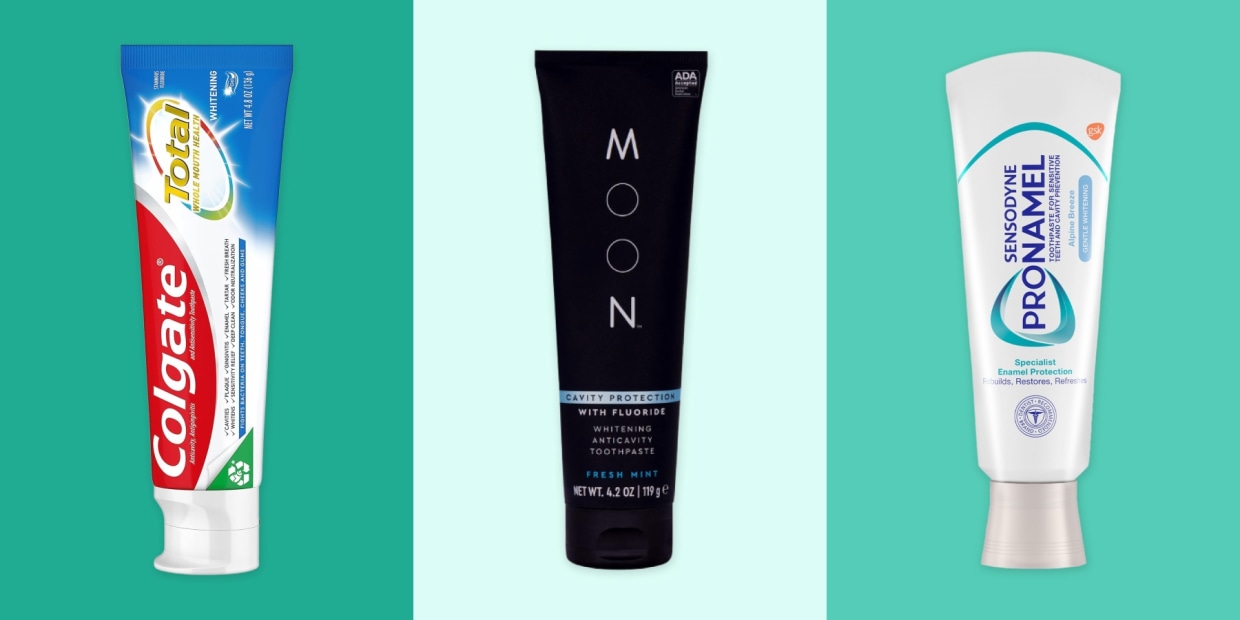
Colgate’s launch of the first recyclable tube was a massive branding statement. It signaled that the company was willing to innovate its core packaging to meet modern ethical standards. Meanwhile, newer brands are experimenting with fluoride tablets in glass jars to eliminate plastic entirely. In this evolving market, brand loyalty is being tied to corporate social responsibility. The brand that can solve the “plastic problem” while maintaining fluoride efficacy will likely own the title of “best” in the eyes of the next generation of shoppers.
In conclusion, the “best” fluoride toothpaste is a fluid concept, shaped by the strategic maneuvers of global brands and the shifting values of the consumer. Whether through clinical dominance, niche specialization, or environmental leadership, the winners in this space are those that recognize that a tube of toothpaste is more than just a chemical delivery system—it is a vehicle for trust, identity, and values.
aViewFromTheCave is a participant in the Amazon Services LLC Associates Program, an affiliate advertising program designed to provide a means for sites to earn advertising fees by advertising and linking to Amazon.com. Amazon, the Amazon logo, AmazonSupply, and the AmazonSupply logo are trademarks of Amazon.com, Inc. or its affiliates. As an Amazon Associate we earn affiliate commissions from qualifying purchases.