
The transition from traditional tank-based water heaters to electric tankless systems represents one of the most significant technological shifts in residential infrastructure over the last two decades. As we move toward the electrification of the home and seek greater energy efficiency, the “on-demand” water heater has evolved from a niche European import into a sophisticated piece of smart home technology. Identifying the “best” unit requires a deep dive into the engineering, power modulation capabilities, and smart integration features that define modern water heating.
The Technological Evolution of Residential Heating
Traditional water heating technology has remained largely unchanged for nearly a century: a large cylindrical vat of water is kept at a constant high temperature, regardless of whether anyone is home to use it. This “standby heat loss” is a significant drain on energy resources. The emergence of electric tankless technology addresses this inefficiency through sophisticated thermal engineering.

The Shift from Storage to On-Demand
At its core, a tankless water heater utilizes high-output heating elements—usually made of copper or stainless steel—to transfer thermal energy to water as it flows through a heat exchanger. When a hot water tap is opened, flow sensors detect the movement and activate the heating sequence. The technology must be incredibly responsive; within seconds, the unit must calculate the incoming water temperature, the desired set point, and the flow rate to deliver precise heat. This eliminates the need for a 50-gallon reservoir, significantly reducing the physical footprint of the appliance and providing an endless supply of hot water.
Digital Modulation and Smart Flow Sensors
The “best” models in the current market are defined by their digital modulation capabilities. Older or lower-end electric tankless units operated on a binary “on/off” basis, which often led to the “cold water sandwich” effect or fluctuating temperatures. Modern high-tech units use sophisticated microprocessors to modulate power. If you are only running a single bathroom sink, the unit might only use 20% of its power. If you turn on a second shower, the sensors detect the increased flow and instantly ramp up the wattage to maintain a consistent temperature. This real-time data processing is what separates a budget appliance from a high-performance tech tool.
Key Technical Specifications to Consider
When evaluating the performance of an electric tankless water heater, the hardware specifications are paramount. Unlike many consumer gadgets where “more power” is always better, in the world of electric tankless heaters, the unit must be precisely matched to the home’s electrical infrastructure and the local climate.
Flow Rate (GPM) and Temperature Rise
The most critical metric for any tankless system is the relationship between the flow rate, measured in Gallons Per Minute (GPM), and the “temperature rise.” The temperature rise is the difference between the cold water entering your home from the street and your desired output temperature (typically 120°F). In colder northern climates, where groundwater may enter the home at 40°F, a heater requires significantly more power to achieve a 120°F set point than it would in a tropical climate where groundwater is 70°F. The best units provide detailed performance curves, allowing users to understand exactly how many fixtures can be supported simultaneously based on their geographic location.
Power Requirements and Circuit Breaker Loads
From a technical standpoint, electric tankless heaters are among the most power-hungry devices in a residential setting. A whole-home unit can require anywhere from 18kW to 36kW of power. This often necessitates a dedicated 200-amp or even 300-amp electrical service for the home. A top-tier 27kW unit, for example, may require three separate 40-amp double-pole breakers. Understanding the load calculation and the gauge of wire required (often 8 AWG or 6 AWG copper) is essential for anyone integrating this technology into a modern smart home.
Energy Efficiency and EF Factors
The Energy Factor (EF) is the standard metric for water heater efficiency. While traditional electric tanks hover around an EF of 0.90 to 0.95, high-end electric tankless units frequently hit 0.98 or 0.99. This means that 99% of the electricity consumed is converted directly into heat for the water. The reduction in energy waste is not just a matter of sustainability; it reflects the precision of the solid-state relays and the quality of the heat exchangers within the device.
Top-Rated Electric Tankless Models: A Tech Review
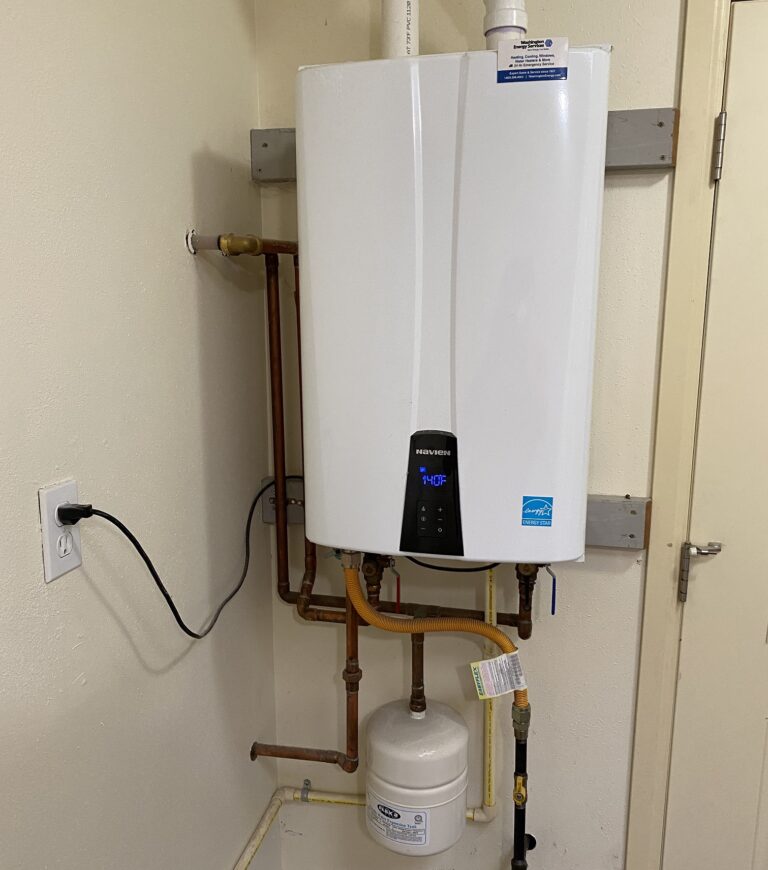
Identifying the best electric tankless water heater depends on the specific use case—whether it is for a small apartment, a large family home, or a point-of-use application. However, three specific models stand out for their engineering excellence and reliability.
The Performance Powerhouse: Stiebel Eltron Tempra Plus
The Stiebel Eltron Tempra Plus series is widely considered the gold standard in the industry. Manufactured in Germany, these units feature “Advanced Flow Control” technology. If the demand for hot water exceeds the unit’s heating capacity, the Tempra Plus will slightly reduce the water flow to ensure that the temperature remains constant. This prevents the jarring experience of a sudden temperature drop mid-shower. The internal design is modular, featuring high-quality copper heating elements and a robust electronics suite that can withstand voltage fluctuations.
The Compact Innovator: EcoSmart ECO Series
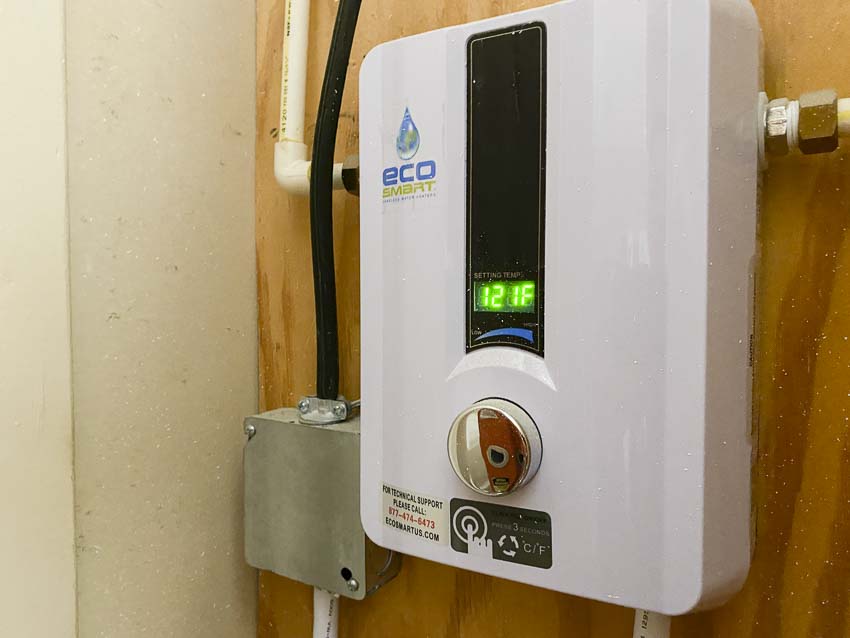
The EcoSmart ECO 27 and ECO 36 models have gained a massive following due to their sophisticated self-modulating technology. These units utilize a digital control panel that allows users to adjust the temperature in one-degree increments. The “Tech” appeal of the EcoSmart line lies in its simplicity and efficiency; the units are remarkably compact, often no larger than a briefcase, yet they can handle the needs of a large household in warmer climates. Their internal components are designed for easy replacement, which is a significant advantage for long-term maintenance.
The Smart Integration Leader: Rheem Performance Platinum
Rheem has bridged the gap between traditional appliances and the Internet of Things (IoT). The Performance Platinum electric tankless series often comes equipped with EcoNet technology. This allows the unit to be integrated into a smart home ecosystem, enabling users to monitor energy usage, receive leak detection alerts, and adjust temperatures remotely via a smartphone app. For tech-focused homeowners, the ability to receive a push notification if a heating element fails or if a leak is detected provides a layer of security that traditional heaters simply cannot match.
Installation Tech and Long-Term Maintenance
The longevity and performance of an electric tankless water heater are heavily dependent on how the hardware interacts with its environment. This is where the intersection of chemistry and technology becomes vital.
Integration with Smart Home Ecosystems
As we move toward “Smart Grids,” the ability of a water heater to communicate with the utility provider becomes crucial. Some of the best new models are beginning to integrate demand-response technology. This allows the utility to signal the water heater to avoid high-power draws during peak grid stress, or conversely, to store thermal energy when renewable energy production (like solar or wind) is at its peak. This level of integration transforms the water heater from a passive appliance into an active node in a home’s energy management system.
Self-Modulating Technology and Durability
The primary enemy of any water heating technology is scale buildup—the crystallization of minerals like calcium and magnesium on heating elements. The best electric tankless heaters utilize “low watt density” elements to reduce the rate of scale accumulation. Furthermore, high-end digital controllers now include “maintenance alerts” that track total gallons processed and notify the user when it is time for a descaling flush. This predictive maintenance is a hallmark of modern gadgetry, ensuring the hardware lasts its intended 15–20 year lifespan.
Future Trends in Water Heating Technology
The trajectory of electric tankless technology is moving toward even greater miniaturization and enhanced material science. We are seeing the emergence of “solid-state” heating elements and the experimentation with graphene-based coatings to increase heat transfer efficiency while resisting mineral scale.
Furthermore, the integration of Artificial Intelligence (AI) is the next frontier. Imagine a water heater that learns your household’s patterns—knowing that you take a high-flow shower at 7:00 AM and that the dishwasher runs at 9:00 PM—and pre-configures its modulation algorithms to provide the most efficient power curve possible.
In conclusion, the best electric tankless water heater is not merely the one with the highest wattage, but the one that offers the most sophisticated control systems, the highest build quality, and the smartest integration features. Whether it is the mechanical precision of a Stiebel Eltron or the connected convenience of a Rheem, these devices represent the pinnacle of modern residential electrical engineering. As homes continue to evolve into interconnected ecosystems of high-efficiency devices, the electric tankless heater will remain a cornerstone of the sustainable, high-tech household.
aViewFromTheCave is a participant in the Amazon Services LLC Associates Program, an affiliate advertising program designed to provide a means for sites to earn advertising fees by advertising and linking to Amazon.com. Amazon, the Amazon logo, AmazonSupply, and the AmazonSupply logo are trademarks of Amazon.com, Inc. or its affiliates. As an Amazon Associate we earn affiliate commissions from qualifying purchases.