
The quest for the “best cheapest car insurance” is a financial right of passage for nearly every driver. It’s a phrase that encapsulates a universal desire: to fulfill a legal and practical necessity without overspending, all while ensuring adequate protection. However, the answer is rarely a simple name of a single provider. Instead, it’s a dynamic equation, a personalized balance of cost, coverage, and customer service that shifts based on your unique profile, vehicle, and location. This article will demystify the search, guiding you through the intricate factors that influence premiums and empowering you with strategies and tools to find your optimal car insurance solution – one that offers both financial relief and genuine peace of mind.
Decoding “Cheapest”: Understanding the Core Factors Influencing Premiums
To find the most affordable car insurance, you must first understand what drives its price. Insurers use complex algorithms to assess risk, translating various data points into your annual or monthly premium. The “cheapest” premium for one driver might be prohibitively expensive for another, highlighting the deeply personalized nature of insurance pricing.
Personal Profile & Driving History
Your identity and past behavior behind the wheel are paramount in determining your insurance costs.
- Age and Experience: Younger, less experienced drivers, especially teenagers, typically face the highest premiums due to higher statistical accident rates. Rates generally decrease as drivers mature and gain experience, leveling off around the age of 25 before potentially increasing again in very old age.
- Gender and Marital Status: While less prominent than in the past, some regions still consider gender in pricing, with men sometimes paying slightly more. Married individuals often receive lower rates, as statistics suggest they are less likely to file claims.
- Driving Record: This is perhaps the most significant factor. Accidents (especially at-fault), speeding tickets, DUIs, and other moving violations will invariably lead to higher premiums. A clean driving record is your most powerful tool for securing lower rates.
- Credit Score (in select regions): In many US states, insurers use a credit-based insurance score as a predictor of future claims. A higher credit score can translate to lower premiums, reflecting a perception of financial responsibility.
- Location: Where you live and park your car profoundly impacts your rates. Urban areas with higher traffic density, crime rates, or a greater incidence of natural disasters will typically have higher premiums than rural locales. Even specific zip codes within a city can see vastly different rates.
Vehicle Specifics
The car you drive also plays a crucial role in shaping your insurance costs.
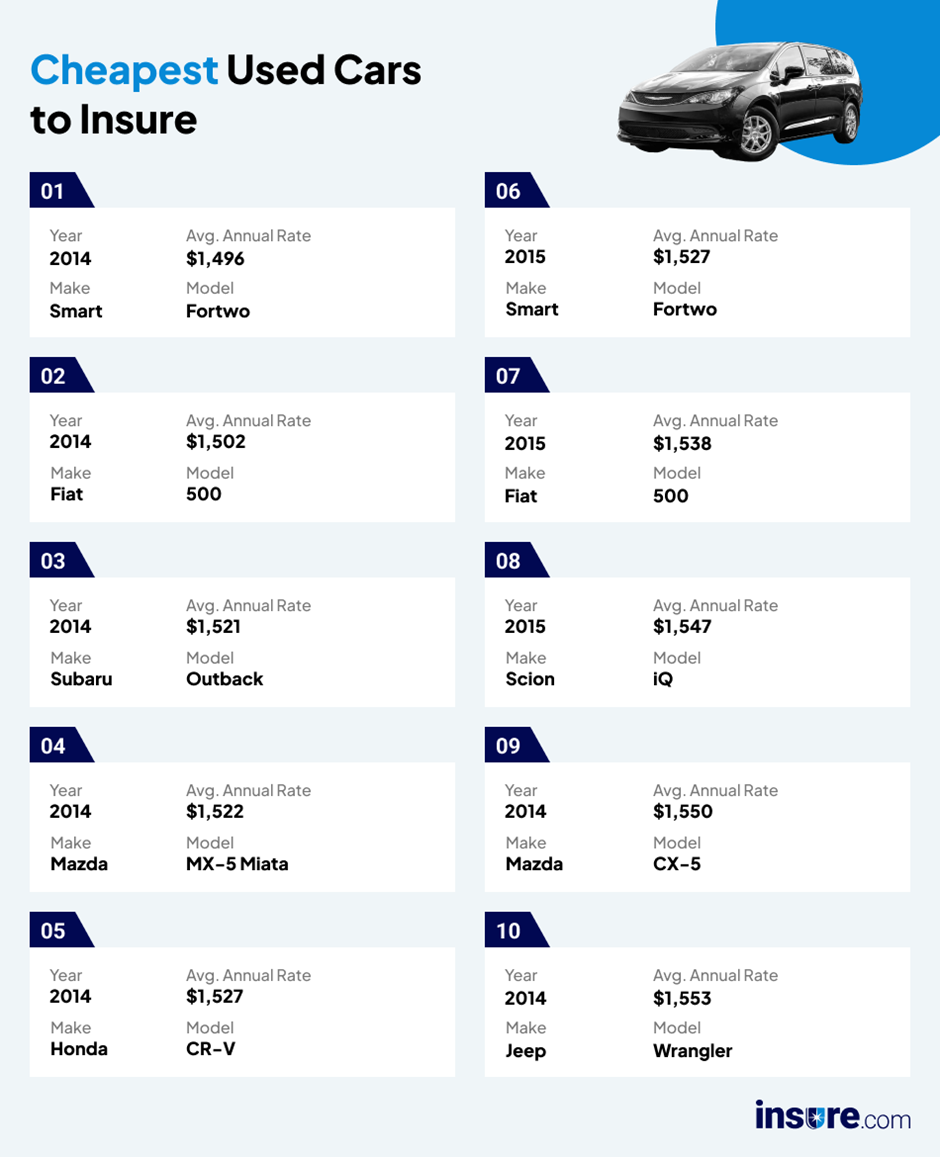
- Make, Model, and Year: Certain vehicles are more expensive to insure due to factors like their repair costs (luxury cars, imported parts), safety ratings (cars with lower safety ratings might incur higher personal injury costs), and theft rates (popular models for theft are riskier to insure).
- Engine Size and Type: High-performance vehicles, sports cars, and those with powerful engines often come with higher premiums due to the increased likelihood of speed-related incidents.
- Annual Mileage: The more you drive, the higher the perceived risk of an accident. Insurers often ask for your estimated annual mileage; accurately reporting lower mileage can sometimes lead to discounts.
- Vehicle Safety Features: Modern safety features like anti-lock brakes, airbags, adaptive cruise control, lane-keeping assist, and anti-theft devices can qualify you for discounts, as they reduce the likelihood or severity of accidents and theft.
Coverage Choices & Deductibles
The types and amounts of coverage you select, along with your chosen deductibles, directly impact your premium.
- Liability Coverage: This is typically mandatory and covers damages you cause to others’ property or injuries to other people. State minimums are often too low to provide adequate protection, but opting for higher limits will increase your premium.
- Collision Coverage: Pays for damage to your own car resulting from a collision with another vehicle or object, regardless of fault.
- Comprehensive Coverage: Protects your car from non-collision incidents like theft, vandalism, fire, natural disasters, or hitting an animal.
- Uninsured/Underinsured Motorist (UM/UIM): This covers your expenses if you’re hit by a driver who has no insurance or insufficient insurance. Given the prevalence of uninsured drivers, this is a highly recommended addition.
- Medical Payments (MedPay) / Personal Injury Protection (PIP): These cover medical expenses for you and your passengers after an accident, regardless of who was at fault.
- Deductibles: This is the amount you pay out-of-pocket before your insurance kicks in. Choosing a higher deductible (e.g., $1,000 instead of $500) will lower your premium, but you must be prepared to pay that amount if you file a claim.
Strategies for Securing the Most Affordable Coverage
Finding the “cheapest” policy isn’t about compromising on essential coverage; it’s about being strategic and informed. Smart shopping and proactive management can significantly reduce your insurance expenditures.
Shop Around Extensively
This is arguably the most crucial step. Insurance rates vary wildly between providers because each company has its own underwriting criteria and risk assessment models.
- Get Multiple Quotes: Don’t settle for the first quote you receive. Use online comparison tools, contact several major insurers directly, and consider independent agents who can shop multiple carriers on your behalf. Aim for at least 3-5 quotes.
- Annual Review: Your circumstances change, and so do insurance rates. Make it a habit to compare quotes every year or whenever a significant life event occurs (e.g., moving, buying a new car, getting married, improving your credit score). Loyalty can sometimes be penalized, so don’t be afraid to switch providers if a better deal emerges.
- Provide Consistent Information: When getting quotes, ensure you provide identical information to each insurer to allow for a true apples-to-apples comparison.
Maximize Discounts
Insurance companies offer a plethora of discounts that can significantly chip away at your premium. Don’t assume they’re automatically applied; always ask your agent or check online.
- Bundling Policies: Many insurers offer substantial discounts (often 10-25%) if you combine your auto insurance with other policies, such as home, renters, or life insurance.
- Good Driver/Safe Driver Discounts: Maintain a clean driving record for several years to qualify. Many companies now offer telematics programs (usage-based insurance) where a device in your car or a smartphone app monitors your driving habits (speed, braking, mileage). Safe drivers can earn significant discounts.
- Multi-Car Discount: Insuring more than one vehicle with the same company typically results in savings.
- Student Discounts: Good student discounts (for maintaining a certain GPA) and distant student discounts (for students attending college far from home without a car) are common.
- Vehicle Safety Features: As mentioned, features like anti-theft devices, anti-lock brakes, and passive restraints can lead to discounts.
- Payment Discounts: You might save money by paying your premium in full annually, setting up automatic payments, or receiving policy documents electronically (paperless discount).
- Affinity Groups: Some employers, professional organizations, or alumni associations partner with insurers to offer group discounts.
Adjusting Your Coverage Wisely
While cutting coverage can save money, it’s vital to do so responsibly to avoid being underinsured in an accident.
- Re-evaluate Comprehensive and Collision Coverage: For older, low-value vehicles, the cost of comprehensive and collision coverage might outweigh the car’s actual cash value. If your car is worth less than a few thousand dollars, it might be more financially sensible to drop these coverages and rely on liability alone, accepting the risk of loss to your own vehicle.
- Increase Deductibles: If you have a robust emergency fund, opting for a higher deductible on your comprehensive and collision coverage can significantly lower your premium. Just ensure you can comfortably afford the deductible should you need to file a claim.
- Understand State Minimums vs. Optimal Coverage: While meeting state minimum liability requirements will get you the “cheapest” policy initially, it often leaves you dangerously exposed financially. If you cause a serious accident, you could be personally liable for damages exceeding your policy limits. Aim for coverage that adequately protects your assets (e.g., 100/300/50 – $100,000 for bodily injury per person, $300,000 per accident, $50,000 for property damage).
Leveraging Financial Tools and Resources in Your Search
The digital age has brought forth numerous tools and resources that streamline the process of finding affordable car insurance, making the comparison easier than ever before.
Online Comparison Websites & Aggregators
These platforms have revolutionized the insurance shopping experience. Websites act as central hubs where you input your information once and receive multiple quotes from various insurance providers simultaneously.
- How They Work: You provide details about yourself, your vehicle, and your desired coverage. The platform then queries its network of insurers and presents you with a list of comparative quotes.
- Pros: They save a tremendous amount of time, offer broad market visibility, and help you quickly identify the lowest prices from participating carriers.
- Cons: Not all insurers participate, so you might not see every possible option. Some sites may share your contact information, leading to follow-up calls or emails. Always double-check quotes directly with the insurer’s website to ensure accuracy.
Working with Independent Insurance Agents
While online tools are powerful, the human touch of an independent insurance agent can be invaluable, especially for complex situations or when you prefer personalized advice.
- Their Value: Independent agents work with multiple insurance companies, not just one. They can shop around on your behalf, often finding niche policies or specific discounts that might not be readily apparent online. They can also explain complex coverage options and terms in plain language.
- Personalized Advice: Agents can assess your specific needs and risk profile, helping you tailor a policy that offers robust protection without unnecessary extras. They can also act as an advocate for you during the claims process.
Understanding Policy Documents and Terms
The “cheapest” policy is only beneficial if it actually covers what you expect it to. Taking the time to understand your policy is a crucial financial responsibility.
- Read the Fine Print: Before signing on the dotted line, carefully review your policy’s declaration page and terms. Understand what is covered, what is explicitly excluded, and your obligations as a policyholder.
- Know Your Limits: Ensure the liability limits, deductibles, and other coverage amounts align with your risk tolerance and financial capacity.
- Ask Questions: If anything in your policy is unclear, ask your agent or insurer for clarification. A clear understanding prevents costly surprises down the road.
Beyond Price: What Defines “Best” Car Insurance?
While “cheapest” is often the primary driver, the “best” car insurance goes beyond just the lowest premium. It encompasses reliability, service, and the peace of mind that comes from knowing you’re truly protected when it matters most.
Financial Stability of the Insurer
The ability of your insurance company to pay out claims is paramount. A cheap policy from an unstable company is worthless when you need it most.
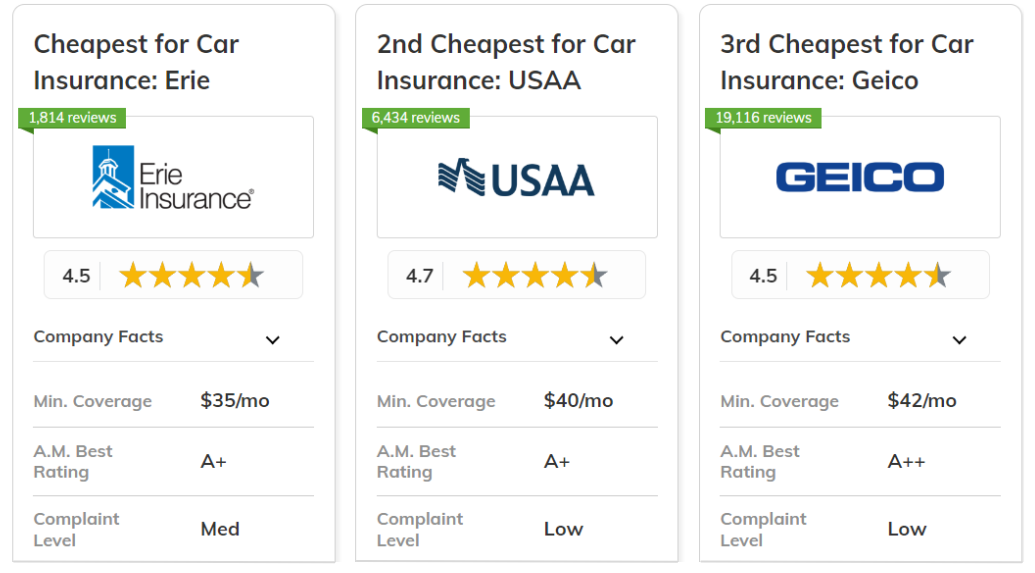
- Rating Agencies: Look for insurers with strong financial ratings from independent agencies like A.M. Best, S&P, and Moody’s. These ratings indicate the company’s financial health and its capacity to meet its obligations to policyholders.
- Claim Payout History: Research the insurer’s reputation for paying claims fairly and promptly.
Customer Service and Claims Experience
An efficient and empathetic customer service and claims process can make a world of difference during stressful times.
- Online Reviews and Ratings: Check consumer review sites, the Better Business Bureau, and J.D. Power ratings for customer satisfaction, especially regarding the claims process.
- Accessibility: Does the company offer multiple channels for support (phone, email, chat, local agents)? Is their claims reporting process straightforward and efficient?
- Responsiveness: How quickly do they respond to inquiries and process claims? A company known for slow or difficult claims processing, even with cheap rates, might not be the “best.”
Customization and Flexibility
The best policy is one that precisely fits your unique life and driving habits.
- Tailored Options: Can you easily add or remove specific coverages and endorsements (e.g., roadside assistance, rental car reimbursement, gap insurance, new car replacement)?
- Policy Management: Does the insurer offer a user-friendly app or online portal to manage your policy, make payments, and access your insurance cards?
Conclusion
The search for the “best cheapest car insurance” is an ongoing, personalized financial endeavor. There’s no single insurer that holds this title for everyone, as the ideal solution represents a nuanced balance between cost-effectiveness, comprehensive coverage, and dependable service. By understanding the myriad factors influencing your premiums, diligently shopping around, leveraging all available discounts, and thoughtfully adjusting your coverage, you can significantly reduce your insurance expenditures.
However, remember that “cheapest” should never come at the expense of adequate protection or the ability of your insurer to deliver on its promise. The “best” policy is one that not only fits your budget but also offers financial stability, excellent customer service, and the flexibility to adapt to your evolving needs. By being proactive, informed, and diligent in your approach, you can secure a car insurance policy that provides genuine peace of mind without breaking the bank. It’s an investment in your financial security on the road, one that pays dividends when you need it most.
aViewFromTheCave is a participant in the Amazon Services LLC Associates Program, an affiliate advertising program designed to provide a means for sites to earn advertising fees by advertising and linking to Amazon.com. Amazon, the Amazon logo, AmazonSupply, and the AmazonSupply logo are trademarks of Amazon.com, Inc. or its affiliates. As an Amazon Associate we earn affiliate commissions from qualifying purchases.