
The wagging tail, the enthusiastic greeting at the door, the comforting presence on the couch – our dogs enrich our lives immeasurably. However, for many canine companions, this joy can be overshadowed by anxiety, manifesting in a spectrum of behaviors from mild nervousness to debilitating panic. As responsible pet owners, we constantly seek the most effective ways to alleviate their distress. But with a dizzying array of options available, from natural remedies to technological solutions, the question truly is: what is the best calming aid for dogs?

While the immediate urge might be to search for a singular “best,” the reality is far more nuanced. The most effective calming aid for a dog is not a one-size-fits-all solution. It’s a personalized approach that considers the dog’s individual temperament, the root cause of their anxiety, and the owner’s lifestyle and preferences. This is where the domains of technology, brand strategy, and even financial considerations intersect with our quest for canine well-being.
Understanding Canine Anxiety: The Foundation of Effective Solutions
Before delving into specific calming aids, it’s crucial to understand the nature of canine anxiety. Dogs experience anxiety for a variety of reasons, much like humans. These can range from:
Common Triggers for Canine Anxiety
- Separation Anxiety: This is perhaps one of the most prevalent forms, characterized by distress when left alone. Symptoms can include excessive barking, destructive behavior, house soiling, and attempts to escape.
- Noise Phobias: Loud noises, such as fireworks, thunderstorms, or even the vacuum cleaner, can trigger intense fear and panic in some dogs.
- Fear of New Environments or People: Socialization plays a vital role in a dog’s development. Lack of proper socialization or negative experiences can lead to fear and anxiety around unfamiliar situations.
- Travel Anxiety: Car rides, vet visits, or trips to new places can be a source of stress for many dogs.
- Age-Related Anxiety: As dogs age, cognitive decline can sometimes lead to increased confusion and anxiety, similar to dementia in humans.
- Past Trauma: Dogs rescued from abusive situations may carry emotional scars that manifest as anxiety.
Recognizing the specific triggers for your dog is the first step in identifying the most appropriate calming aid. A dog who panics during thunderstorms might benefit from different interventions than a dog who suffers from separation anxiety.
The Spectrum of Anxiety Symptoms
The outward signs of canine anxiety can be as varied as the triggers themselves. Common symptoms include:
- Behavioral: Pacing, whining, excessive barking, howling, destructive chewing, digging, house soiling, escape attempts, lip licking, yawning, panting excessively, trembling, hiding, and seeking constant reassurance.
- Physiological: Drooling, dilated pupils, raised hackles, changes in appetite, and digestive upset.
Understanding your dog’s unique “anxiety language” is paramount. Observing their behavior consistently will help you pinpoint the moments and situations that cause them distress.
Exploring the Landscape of Calming Aids: From Traditional to Tech-Forward
The market offers a wide array of products and strategies designed to soothe anxious dogs. These can be broadly categorized, and as we explore them, we’ll see how they can be informed by insights from technology, brand understanding, and even financial planning.
1. Behavioral Modification and Training: The Foundation of Lasting Change
While not a “calming aid” in the traditional sense, behavioral modification and consistent training are the cornerstones of addressing many canine anxieties.
- Desensitization and Counter-Conditioning: These techniques involve gradually exposing your dog to their triggers at a low intensity and pairing them with positive experiences (treats, praise, play). This helps them associate the trigger with something pleasant rather than fear.
- Positive Reinforcement Training: Building a strong bond with your dog through positive reinforcement creates a sense of security and trust, which can significantly reduce overall anxiety.
- Creating a Safe Space: Providing a designated “den” – a crate, bed, or specific room – where your dog feels secure and unbothered is crucial, especially for those with separation anxiety.
Tech Integration: While seemingly low-tech, modern technology can significantly enhance behavioral training. AI-powered training apps can offer personalized training plans, track progress, and even analyze your dog’s vocalizations for signs of stress. Smart cameras allow you to monitor your dog’s behavior while you’re away, providing valuable data for your trainer or veterinarian.
2. Natural and Holistic Approaches: Leveraging Nature’s Soothing Properties
Many pet owners gravitate towards natural solutions, seeking gentle and holistic ways to calm their dogs.
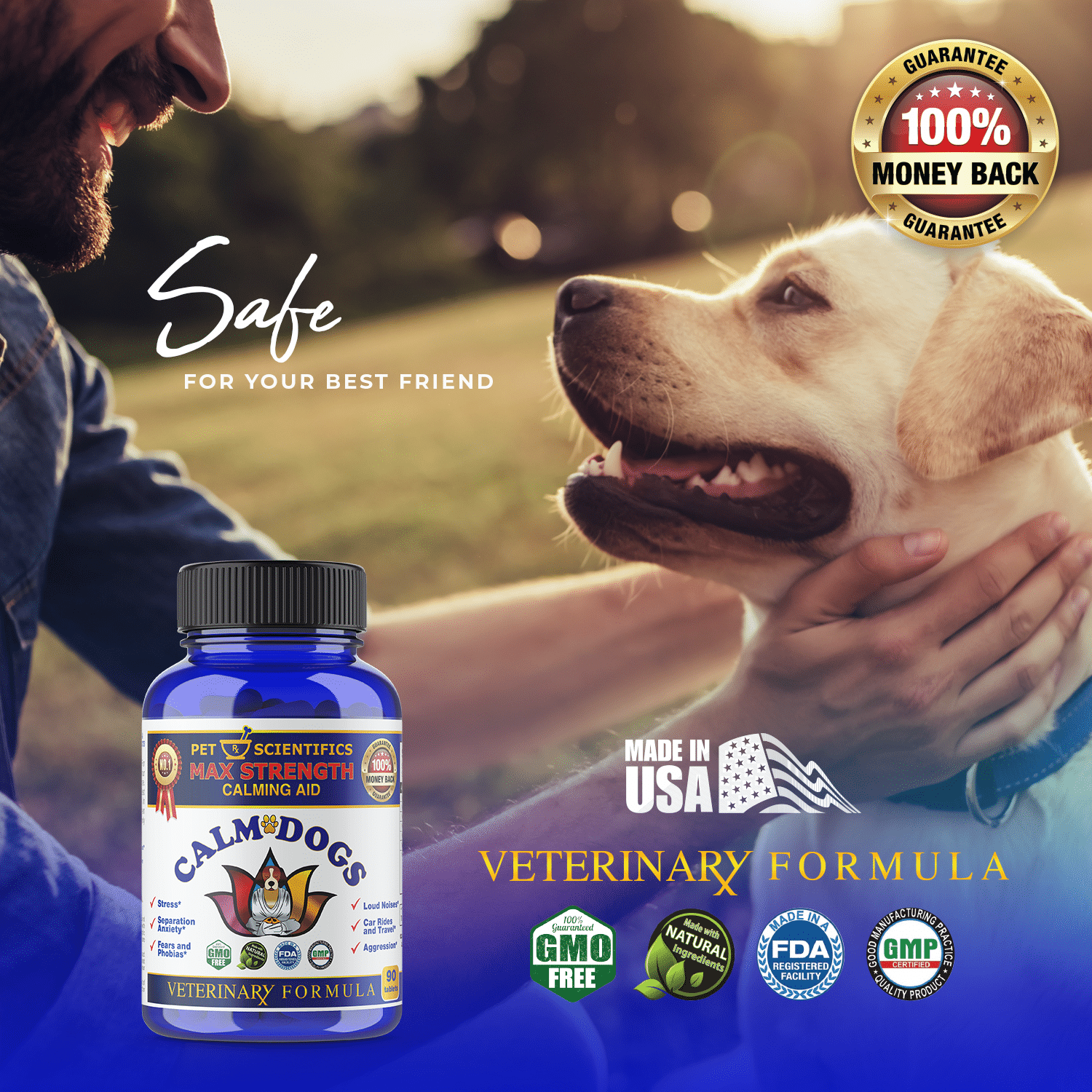
- Calming Treats and Supplements: These often contain ingredients like L-theanine, chamomile, valerian root, or melatonin, known for their relaxing properties. The efficacy can vary greatly depending on the individual dog and the formulation.
- Aromatherapy: Certain essential oils, when diffused safely and diluted appropriately for canine use (some oils are toxic to dogs), can create a calming atmosphere. Lavender is a popular choice.
- Herbal Teas: Similar to supplements, teas made with calming herbs can be offered to dogs, though palatability can be an issue.
Brand Consideration: The effectiveness and safety of natural calming aids are heavily influenced by brand reputation and transparency. Reputable brands invest in quality sourcing, scientific research, and clear ingredient lists. Understanding a brand’s commitment to ethical practices and product testing can help you make informed choices. Reading case studies and reviews from trusted sources can provide insights into real-world effectiveness.

3. Technological Innovations: The Future of Canine Comfort
The integration of technology into pet care is rapidly expanding, offering innovative solutions for canine anxiety.
- Calming Music and Sound Machines: specially curated music designed to soothe dogs, or white noise machines, can mask anxiety-inducing sounds and create a peaceful environment.
- Smart Toys and Enrichment Devices: These can provide mental stimulation and distraction, diverting a dog’s attention from anxious thoughts. Some are designed to dispense treats as a reward for calm behavior.
- Anxiety Vests and Wraps: These garments apply gentle, constant pressure to a dog’s torso, similar to swaddling an infant. This pressure can have a calming effect by stimulating the release of endorphins. Brands like ThunderShirt have built a strong reputation in this area.
- Smart Collars and Wearables: While still evolving, some wearables are being developed to monitor physiological indicators of stress, such as heart rate and activity levels. In the future, these could potentially trigger calming interventions automatically.
Tech Trends & AI: The AI tools behind these advancements are becoming increasingly sophisticated. For instance, AI can analyze audio cues to differentiate between a dog’s happy bark and an anxious whine, potentially informing automated calming responses. Gadgets that learn your dog’s behavior patterns and adapt their output (e.g., a treat dispenser activating when anxiety is detected) represent a significant leap in personalized care.
4. Veterinary-Prescribed Solutions: When Professional Intervention is Necessary
For severe or persistent anxiety, consulting a veterinarian is crucial. They can diagnose underlying medical conditions that might be contributing to anxiety and discuss various treatment options.
- Prescription Medications: In some cases, veterinarians may prescribe anti-anxiety medications. These are typically used in conjunction with behavioral modification and are not a standalone solution.
- Pheromone Diffusers and Sprays: These products mimic natural calming pheromones that mother dogs emit, creating a sense of security for their puppies and, in some cases, adult dogs.
Financial Planning: While veterinary care and prescription medications can be a significant expense, they are often the most effective solution for severe anxiety. Financial planning for your pet’s health is essential. Understanding pet insurance options and budgeting for unexpected veterinary needs can alleviate financial stress, allowing you to prioritize your dog’s well-being.
Making an Informed Decision: Factors to Consider
When choosing the “best” calming aid for your dog, consider these key factors:
1. The Individual Dog: Temperament and Breed Predispositions
- Personality: Is your dog naturally timid, or are they generally bold but prone to specific fears?
- Breed: Some breeds are genetically predisposed to certain anxieties (e.g., herding breeds can be prone to separation anxiety).
- Age and Health: Older dogs or those with underlying health issues may require different approaches.
2. The Root Cause of Anxiety: Targeting the Trigger
As discussed, understanding why your dog is anxious is paramount. A calming aid that works for noise phobia might be ineffective for separation anxiety.
3. Your Lifestyle and Commitment: Realistic Expectations
- Time Commitment: Behavioral modification requires consistent effort.
- Budget: Different calming aids have varying costs.
- Home Environment: Do you have space for a safe den? Can you implement changes to reduce environmental stressors?
4. Brand Reputation and Scientific Backing: Trust and Efficacy
- Research and Reviews: Look for products and strategies backed by scientific research or positive testimonials from trusted sources.
- Brand Transparency: Choose brands that are open about their ingredients, manufacturing processes, and testing.
The Synergy of Solutions: A Holistic Approach
Ultimately, the “best” calming aid for your dog is likely not a single product but a synergistic combination of approaches. For example, a dog suffering from separation anxiety might benefit from:
- Behavioral modification to build independence.
- A calming vest for a sense of security when left alone.
- Calming supplements to reduce overall nervousness.
- Smart cameras to monitor their progress and identify triggers.
By understanding the various categories of calming aids, considering your dog’s individual needs, and leveraging the insights from technology, brand building, and financial planning, you can embark on a journey to find the most effective and compassionate solutions for your beloved canine companion. The pursuit of a calmer, happier dog is a continuous process, and with the right knowledge and resources, you can significantly improve their quality of life.
aViewFromTheCave is a participant in the Amazon Services LLC Associates Program, an affiliate advertising program designed to provide a means for sites to earn advertising fees by advertising and linking to Amazon.com. Amazon, the Amazon logo, AmazonSupply, and the AmazonSupply logo are trademarks of Amazon.com, Inc. or its affiliates. As an Amazon Associate we earn affiliate commissions from qualifying purchases.