
The quest for the “best” refrigerator brand is rarely about finding a single manufacturer that dominates every metric; rather, it is an exercise in aligning corporate identity, manufacturing philosophy, and market positioning with your specific household requirements. When navigating the appliance market, consumers are not merely purchasing a cooling unit; they are investing in the brand equity of a company that promises reliability, innovation, and after-sales support. Understanding the landscape of these brands requires looking beyond the spec sheets and examining the strategic foundations that distinguish a legacy powerhouse from a design-forward disruptor.

The Hierarchy of Brand Positioning in the Appliance Industry
In the contemporary appliance market, refrigerator brands generally fall into three distinct strategic tiers: mass-market utility, premium lifestyle, and high-end artisanal luxury. Identifying which tier a brand occupies is essential for managing expectations regarding longevity, repairability, and technological integration.
Mass-Market Utility and Efficiency
Brands like Whirlpool and GE (now under the Haier umbrella) have built their corporate identities on the pillars of accessibility and widespread serviceability. Their marketing strategy is rooted in “the workhorse factor.” For these brands, success is defined by how well they can streamline supply chains to offer competitive pricing while maintaining a standard of reliability that keeps the average family household functioning. When you buy from these manufacturers, you are investing in a brand strategy that prioritizes volume and ubiquity. The competitive advantage here is not necessarily cutting-edge aesthetic design, but rather the ease of repair; parts are readily available, and technicians across the country are trained in their internal architecture.
The Premium Lifestyle Tier
Brands such as Bosch, KitchenAid, and Samsung occupy a strategic space where aesthetics meet functional innovation. This tier targets the demographic that views a kitchen not just as a workspace, but as an extension of their personal brand and lifestyle. These companies invest heavily in industrial design—integrating sleek, fingerprint-resistant finishes, seamless counter-depth profiles, and smart-home ecosystems. Their brand narrative focuses on the intersection of convenience and status, positioning their products as essential components of a modern, efficient home environment.
Design Identity and Innovation as Marketing Differentiators
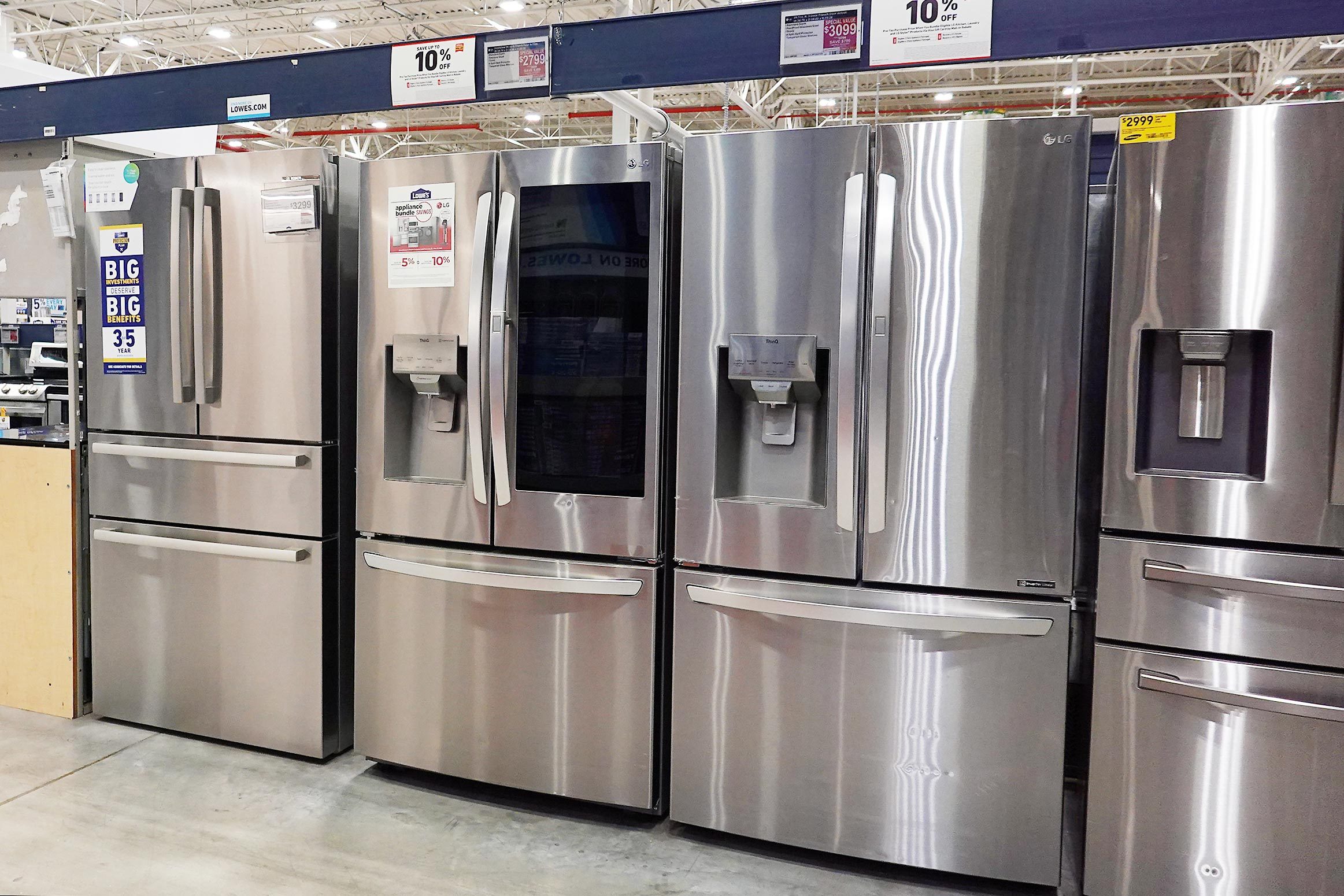
For brands like LG and Samsung, the refrigerator has been transformed from a static utility box into a centralized digital hub. This pivot represents a profound shift in brand strategy. By integrating AI-driven inventory management, transparent “knock-to-see” glass panels, and seamless integration with smart-home apps, these companies are selling a vision of the future.
The Rise of the Connected Kitchen
The “Smart Home” is not just a technological trend; it is the most significant branding vehicle in the appliance sector today. When a consumer chooses a refrigerator that syncs with their smartphone, they are entering into a long-term relationship with that brand’s software ecosystem. This creates a powerful form of brand loyalty—or, conversely, a source of friction if the software updates lag behind current standards. The strategic challenge for these brands is to ensure that the hardware longevity (which should be 10–15 years) matches the rapid pace of digital software evolution.
Aesthetic Branding and Architectural Integration
On the other end of the design spectrum, brands like Sub-Zero or Liebherr focus on the “architectural” aspect of the brand. Their strategy centers on the concept of invisibility—integrating refrigerators into custom cabinetry so effectively that the appliance disappears into the room’s design. This appeals to the high-net-worth consumer who values minimalist corporate identity. These brands rely on a “luxury-first” marketing strategy, often utilizing partnerships with high-end interior designers and architects to reinforce their status as the gold standard in premium home design.
The Economics of Brand Reliability and Service Networks
A critical component of any brand’s reputation is its post-purchase service strategy. A refrigerator is an expensive, long-term asset, and the “best” brand is often defined by how it handles the inevitable moment of failure.
The Brand-Service Nexus
Consumer trust is fragile, and the service network is the primary theater where that trust is maintained or broken. Brands that utilize localized, certified service networks tend to command higher long-term loyalty than those that outsource repairs to third-party generalists. A strong brand strategy involves rigorous training programs for service personnel and a commitment to keeping parts in production for a significant timeframe. When evaluating a brand, consider the “Repairability Index”—not just the availability of parts, but the transparency of the brand in providing documentation and diagnostic tools to the consumer.
Corporate Social Responsibility and Sustainability
Increasingly, modern consumers are weighing corporate identity and environmental responsibility when selecting an appliance brand. Sustainability is no longer a peripheral marketing niche; it is a core business requirement. Brands that can demonstrate energy efficiency, use sustainable manufacturing materials, and maintain a commitment to reducing their carbon footprint are capturing the loyalty of a younger, value-driven demographic. This shift in brand strategy reflects a broader market trend where the “best” brand is the one that aligns with the consumer’s personal ethical framework as much as their functional requirements.
Navigating the Decision: Which Brand Wins?
Determining the “best” brand is ultimately a subjective process that requires balancing three factors: the functional necessity, the aesthetic aspiration, and the economic reality of the purchase.
The Reliability-Driven Consumer
If the primary concern is longevity and minimal downtime, the optimal strategy is to prioritize brands that have built their reputation on mechanical simplicity and massive, stable service networks. These brands may not offer the most sophisticated AI touchscreens, but they offer the psychological security that if something goes wrong, the solution is readily available and affordable.
The Design-Focused Professional
For those who view their kitchen as a showcase for their personal brand, the focus shifts to manufacturers that prioritize high-grade materials and cutting-edge industrial design. These consumers are willing to accept the higher complexity of the internal electronics in exchange for the aesthetic and social prestige that comes with owning a high-design, lifestyle-focused unit.

Strategic Selection Criteria
To make the right choice, analyze your own priorities using a three-point framework:
- Infrastructure: Does the brand have a robust, accessible service network in your specific geographic area?
- Ecosystem: Are you already integrated into a specific smart home platform that influences your preference for brand compatibility?
- Value Perception: Are you paying for “brand prestige” or “functional utility,” and which one yields the highest satisfaction for your household?
The refrigerator market is a microcosm of modern manufacturing, where global supply chains meet individual consumer preferences. There is no single “best” brand, because a brand’s value is not an inherent trait—it is a negotiated reality between the manufacturer’s promise and the user’s experience. By understanding the strategic positioning of these companies, you can move past the marketing hype and select a partner that will serve the heart of your home for the next decade. Whether you prioritize the technological agility of a digital-first brand or the steadfast reliability of a legacy manufacturer, your choice represents an investment in the long-term vision of your household’s efficiency and style.
aViewFromTheCave is a participant in the Amazon Services LLC Associates Program, an affiliate advertising program designed to provide a means for sites to earn advertising fees by advertising and linking to Amazon.com. Amazon, the Amazon logo, AmazonSupply, and the AmazonSupply logo are trademarks of Amazon.com, Inc. or its affiliates. As an Amazon Associate we earn affiliate commissions from qualifying purchases.