
Choosing a financial institution is one of the most consequential decisions you will make for your personal finance journey. For decades, the answer to “what is the best bank to bank with” was simply whichever branch was closest to your house. However, in the current landscape of high-yield savings accounts, mobile-first neobanks, and complex fee structures, the “best” bank is no longer a static location—it is a strategic partner that aligns with your specific financial goals.
In this guide, we will explore the different tiers of the banking industry, evaluate the critical factors that should influence your decision, and help you identify the right institution to grow your wealth, manage your cash flow, and secure your financial future.
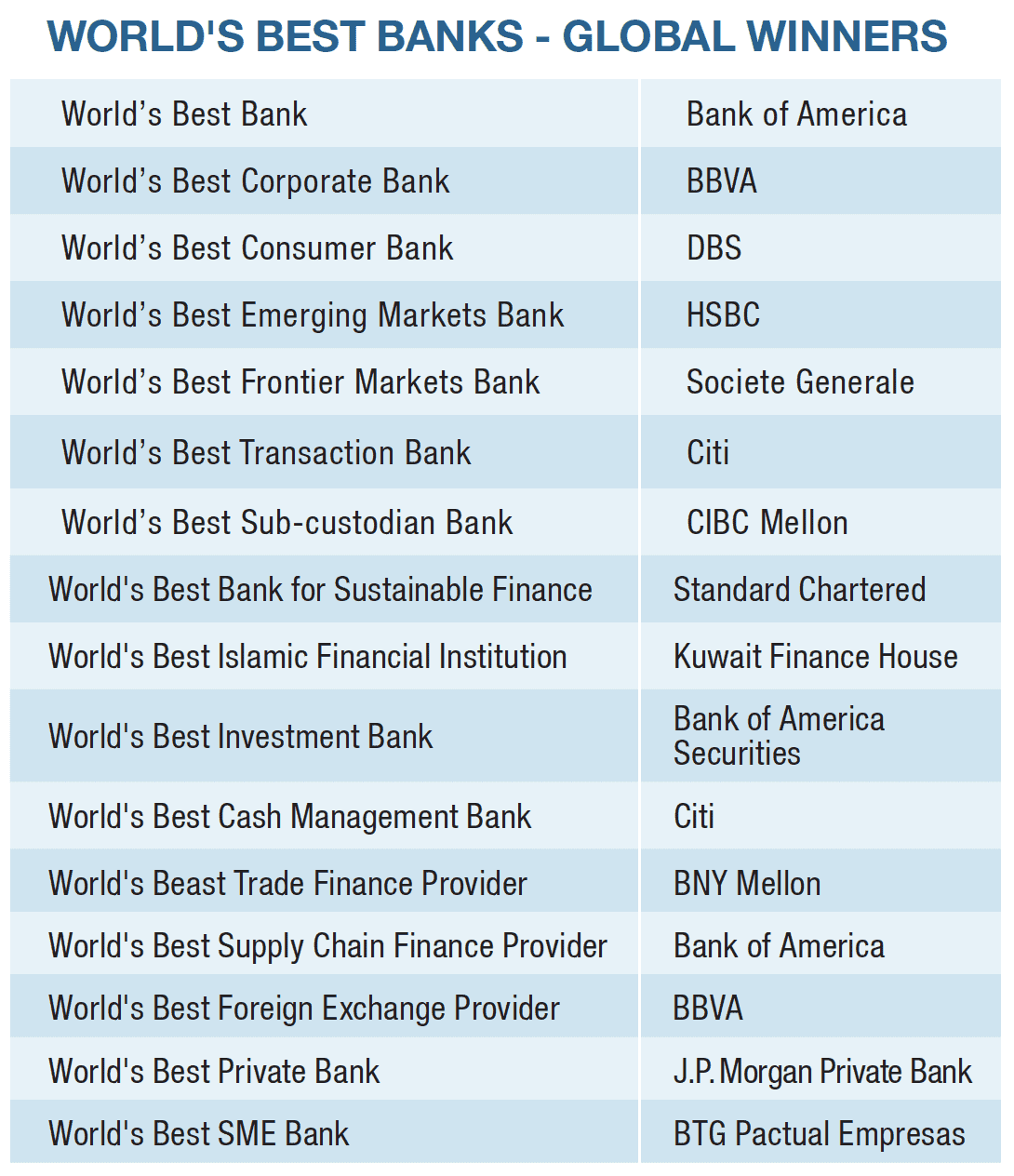
Understanding the Landscape: Traditional Brick-and-Mortar vs. Digital-First Banking
The banking industry has undergone a radical transformation over the last decade. To determine the best bank for your needs, you must first understand the three primary types of institutions available today.
The Reliability of National Banks
National “big name” banks are the giants of the industry. They offer the most extensive physical presence, with thousands of branches and ATMs nationwide. These institutions are often the best choice for individuals who value face-to-face interaction and the convenience of being able to walk into a branch in almost any major city.
Large national banks offer a “one-stop-shop” experience. You can manage your checking account, mortgage, auto loan, and credit cards all under one digital roof. However, this convenience often comes at a price. Big banks typically offer lower interest rates on savings accounts and may have more stringent fee structures, such as monthly maintenance fees, unless certain balance requirements are met.
The Rise of Online-Only Neobanks
For the tech-savvy individual focused on maximizing every cent, online-only banks (often called neobanks) have become the gold standard. Because these institutions do not have the overhead costs of physical branches, they can pass those savings on to the customer in the form of significantly higher Annual Percentage Yields (APY) on savings accounts and lower (or zero) fees.
The best online banks offer sleek mobile apps, robust budgeting tools, and early direct deposit features. The trade-off is the lack of physical branches. If your financial life involves frequently depositing cash or if you prefer a personal relationship with a local banker, a digital-first approach may require a shift in your habits.
Credit Unions: The Community-Focused Alternative
Credit unions are member-owned, not-for-profit cooperatives. Unlike commercial banks, which aim to maximize profit for shareholders, credit unions return “profits” to their members in the form of lower loan rates and higher interest on deposits.
Credit unions often rank highest in customer satisfaction. They are excellent for personal loans and mortgages, frequently offering more flexible underwriting than big banks. However, their physical footprint is usually limited to a specific geographic region or employer group, though many participate in “shared branching” networks to provide broader access.
Key Factors to Evaluate When Choosing Your Bank
When asking what the best bank is, you must look beyond the marketing slogans and dive into the fine print. Your choice should be dictated by how you interact with your money daily.
Fee Structures and Minimum Balance Requirements
In modern personal finance, paying a monthly fee just to keep your money in a bank is increasingly unnecessary. The best banks offer “no-fee” checking and savings accounts without requiring a massive minimum balance.
When evaluating a bank, check for:
- Monthly Maintenance Fees: Can they be waived with a direct deposit?
- Overdraft Fees: Does the bank offer overdraft protection or a grace period?
- ATM Fees: Does the bank have a large network, or do they reimburse fees charged by other operators?
Interest Rates: APY and the Power of Compounding
If you are holding a significant amount of cash for an emergency fund or a short-term goal (like a house down payment), the interest rate is your most important metric. Traditional banks often offer a measly 0.01% APY, whereas the best high-yield savings accounts (HYSAs) often offer 4.00% to 5.00% or more, depending on the federal interest rate environment.
Over several years, the difference between a low-interest and high-interest account can result in thousands of dollars in “free” money. The best bank for your savings is one that consistently stays at the top of the market for APY.
Digital Experience and Mobile Accessibility
In the modern era, your bank’s app is effectively your primary branch. A bank might have great rates, but if their mobile interface is clunky or their check-deposit feature fails half the time, it will cause unnecessary friction in your financial life.
Look for features like:
- Zelle or Peer-to-Peer (P2P) integration for easy transfers.
- Robust security features like biometric login and two-factor authentication.
- Real-time notifications for every transaction to help monitor for fraud.
Aligning Your Bank Choice with Your Financial Goals
There is no “perfect” bank for everyone; there is only the best bank for your specific situation. Your stage in life and your financial objectives will dictate which features matter most.
Banking for the Avid Saver
If your primary goal is to build wealth and maximize your emergency fund, you should prioritize a high-yield savings account (HYSA). Many savers adopt a “hub and spoke” model: they keep a checking account at a local or national bank for bill pay and ATM access (the hub), and they move their long-term savings to an online bank with a high APY (the spoke). This allows you to earn maximum interest while maintaining liquidity.
Banking for the Modern Investor
If you are actively investing in the stock market, you might find that the best bank for you is one that is integrated with a brokerage. Many major investment firms now offer “Cash Management Accounts” that function like checking accounts but are held within the same ecosystem as your IRA or brokerage account. This makes moving money between your “spending” and “investing” buckets seamless and instantaneous.
Banking for Small Business Owners and Side Hustlers
For those with a side hustle or a full-time business, separating personal and business finances is essential for tax purposes and liability protection. The best bank for a business owner offers low-cost business checking, integration with accounting software like QuickBooks, and easy merchant service connections. Some neobanks specifically cater to freelancers, offering built-in tax-withholding tools that automatically set aside a percentage of every incoming payment for the IRS.
Security and Protection: Ensuring Your Capital is Safe
No matter how high the interest rate is, the best bank is, above all, a safe one. You should never deposit money into an institution that does not provide fundamental protections.
FDIC and NCUA Insurance
In the United States, the gold standard for safety is FDIC (Federal Deposit Insurance Corporation) insurance for banks or NCUA (National Credit Union Administration) insurance for credit unions. This insurance protects your deposits up to $250,000 per depositor, per insured bank, for each account ownership category. This ensures that even if the bank were to fail, your money is backed by the full faith and credit of the U.S. government.
Advanced Cybersecurity Features
In the digital age, physical security is less of a concern than digital security. The best banks invest heavily in cybersecurity. Look for institutions that offer:
- Account Alerts: Instant texts or emails for large withdrawals or card-not-present transactions.
- Card Controls: The ability to “freeze” or “lock” your debit card instantly from an app if it is misplaced.
- Encryption: High-level data encryption to protect your personal information from hackers.
How to Make the Switch: A Step-by-Step Transition
Once you have identified the best bank for your needs, the prospect of moving your entire financial life can seem daunting. However, a systematic approach can make the transition painless.
Audit Your Current Automated Transactions
Before closing your old account, look back at the last three months of bank statements. List every recurring transaction, including:
- Direct Deposits: Notify your employer’s HR department of your new routing and account numbers.
- Subscription Services: Update your debit card info for Netflix, Spotify, or gym memberships.
- Utility Bills: Ensure your electric, water, and internet providers are linked to the new account.

The Parallel Account Strategy
Do not close your old account immediately. Instead, fund your new account and let both run in parallel for one full billing cycle (about 30 days). This acts as a safety net to ensure you didn’t miss a stray “zombie” subscription or an annual payment that could trigger an overdraft fee in an empty account. Once you are confident that all transactions are hitting the new account, you can transfer the remaining balance and officially close the old one.
In conclusion, the “best bank to bank with” is an institution that charges you nothing to access your own money, pays you a competitive rate for the privilege of holding your deposits, and provides a digital interface that simplifies your life. By evaluating your needs—whether they be high-yield growth, community support, or global accessibility—you can choose a financial partner that doesn’t just store your money, but helps you grow it.
aViewFromTheCave is a participant in the Amazon Services LLC Associates Program, an affiliate advertising program designed to provide a means for sites to earn advertising fees by advertising and linking to Amazon.com. Amazon, the Amazon logo, AmazonSupply, and the AmazonSupply logo are trademarks of Amazon.com, Inc. or its affiliates. As an Amazon Associate we earn affiliate commissions from qualifying purchases.