
The quest for the “best bank” in the USA is a deeply personal one, akin to asking for the “best car” or the “best restaurant.” There isn’t a single, universally applicable answer, because “best” is entirely subjective and dependent on an individual’s unique financial needs, habits, and long-term goals. For some, the best bank offers an extensive branch network and personalized in-person service. For others, it’s about the highest interest rates on savings accounts or a cutting-edge mobile banking app. Still, for others, it might be the lowest fees, comprehensive business services, or a strong commitment to community.
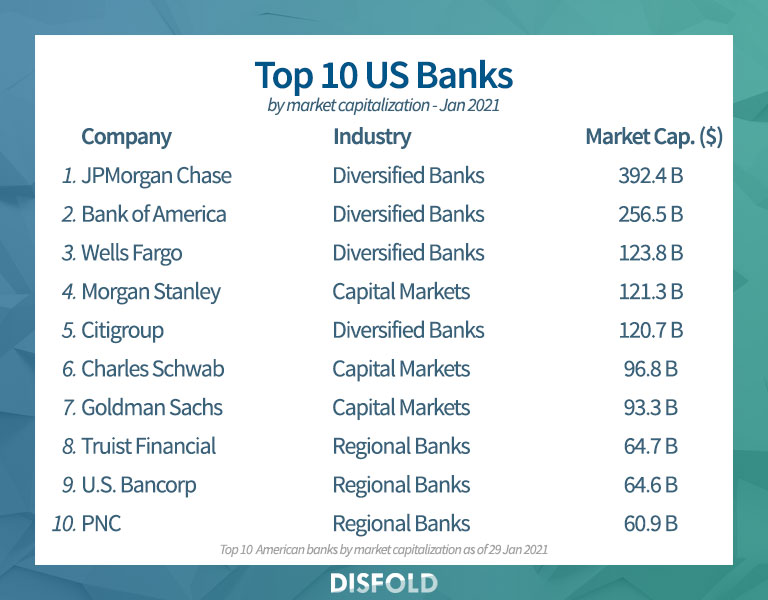
This article aims to dissect the concept of “best” in the banking world, guiding you through the critical considerations and spotlighting the various types of financial institutions available across the vast American landscape. By understanding what truly matters to you financially, you can confidently identify the bank that aligns perfectly with your individual or business requirements. We’ll explore the key factors that define an excellent banking experience, compare the main players in the industry, and provide a framework for making an informed decision that supports your financial journey.
Defining “Best”: Your Financial Needs & Priorities
Before diving into specific banks, it’s crucial to understand that “best” is a moving target. What serves a college student might not suit a small business owner, and what benefits a retiree might not appeal to a young professional saving for a down payment. Identifying your core financial needs is the first, most critical step.
Personal Banking vs. Business Banking
The fundamental distinction lies between personal and business finance. Personal banking typically involves checking accounts for daily transactions, savings accounts for short-term goals, investment accounts for wealth growth, and various types of loans (mortgages, auto, personal). Business banking, on the other hand, deals with merchant services, payroll, lines of credit, business loans, and more complex treasury management solutions tailored to operational needs. Many banks offer both, but their strengths might lie predominantly in one area. If you’re managing a small business, a bank with robust business services and dedicated support might be “best,” even if its personal savings rates aren’t the highest. Conversely, if your focus is solely on personal wealth management, a different set of criteria will apply.
Key Factors for Evaluation: Fees, Rates, Services
Once you’ve clarified your banking purpose, specific metrics come into play:
-
Fees: This is often a deal-breaker. Look at monthly maintenance fees, ATM fees (both in-network and out-of-network), overdraft fees, wire transfer fees, and foreign transaction fees. Many online banks and credit unions pride themselves on minimal or no fees, while traditional banks might waive fees if certain balance or activity requirements are met.
-
Interest Rates: For savings accounts, certificates of deposit (CDs), and money market accounts, the Annual Percentage Yield (APY) is paramount. High-yield savings accounts, often found at online-only banks, can significantly boost your returns over time. Conversely, for loans and credit cards, you’ll be looking for the lowest Annual Percentage Rate (APR).
-
Services & Features: Does the bank offer everything you need? This could include bill pay, mobile check deposit, budgeting tools, investment platforms, credit monitoring, financial advisory services, or even specific lending products like FHA loans or SBA loans. For business owners, features like merchant processing, payroll services, and remote deposit capture are vital.
-
Digital Tools: In today’s interconnected world, the quality of a bank’s online platform and mobile app is critical. Look for intuitive interfaces, robust security features, ease of use for transfers and payments, and quick access to customer support.
Accessibility and Customer Service
How you prefer to interact with your bank plays a significant role.
-
Branch Access: If you frequently need to deposit cash, speak with a teller, or discuss complex financial products in person, a bank with a widespread physical branch network is likely “best.”
-
ATM Network: Easy access to fee-free ATMs is essential for cash withdrawals and deposits. Some banks have their own vast networks, while others reimburse third-party ATM fees.
-
Customer Support: How quickly and effectively can you get help when you need it? Evaluate options like 24/7 phone support, live chat, secure messaging, and in-person assistance. Reviews often provide insight into a bank’s true customer service performance.
Top Contenders Across Diverse Categories
While a single “best” doesn’t exist, certain banks consistently excel in specific areas. Understanding these specializations can help narrow your search.
Best for Everyday Banking (Low Fees, Widespread Access)
For those who need basic checking and savings without excessive fees and require convenient access to their money, a few major players often come to mind. Large national banks like Chase Bank, Bank of America, and Wells Fargo offer extensive branch and ATM networks, making them highly accessible for daily transactions across the country. However, they often have monthly service fees that can be waived by maintaining a minimum balance or meeting direct deposit requirements. For a low-fee alternative, many online banks such as Ally Bank or Discover Bank offer checking accounts with no monthly fees and ATM fee reimbursements.
Best for Savings & High-Yield Accounts
If maximizing your interest earnings on savings is a priority, online-only banks generally lead the pack. Banks like Ally Bank, Marcus by Goldman Sachs, Discover Bank, and Capital One 360 consistently offer some of the highest Annual Percentage Yields (APYs) on their savings accounts, significantly outperforming traditional brick-and-mortar institutions. Their lower operating costs allow them to pass more savings onto customers. These are excellent choices for emergency funds, down payment savings, or any liquid funds you want to grow.
Best for Digital Banking & Mobile Experience
In an increasingly digital world, a seamless online and mobile banking experience is non-negotiable for many. Banks like Ally Bank, Capital One 360, and newer fintech-backed banks like Chime or SoFi often boast highly rated mobile apps with intuitive interfaces, robust features like budgeting tools, early direct deposit, and easy money transfers. They focus heavily on digital innovation, often integrating with popular financial management apps and offering advanced security features.
Best for Customer Service & Relationship Banking
For individuals who value personalized attention, complex financial advice, or have higher net worth, relationship banking is key. USAA consistently ranks highly for customer satisfaction, particularly among military members and their families, offering specialized products and top-tier service. Many smaller credit unions are also renowned for their personalized approach, as members are also owners. For high-net-worth individuals, private banks or wealth management divisions of larger institutions like J.P. Morgan Private Bank or Bank of America Private Bank offer dedicated advisors and bespoke financial solutions.
Best for Specific Needs (e.g., Small Business, Investments)
-
Small Business: Banks like Chase, Bank of America, and regional banks often have strong small business banking divisions with tailored checking accounts, lending products (SBA loans), merchant services, and dedicated business advisors. Bluevine and Novo are newer online-only options gaining traction for their digital-first approach to small business banking.
-
Investments: For integrated banking and investment services, full-service institutions like Fidelity (Fidelity Cash Management) and Charles Schwab (Schwab Bank) are excellent choices, allowing you to manage brokerage accounts, retirement plans, and everyday banking all under one roof, often with competitive rates and low fees.
Traditional Banks vs. Online-Only Banks vs. Credit Unions
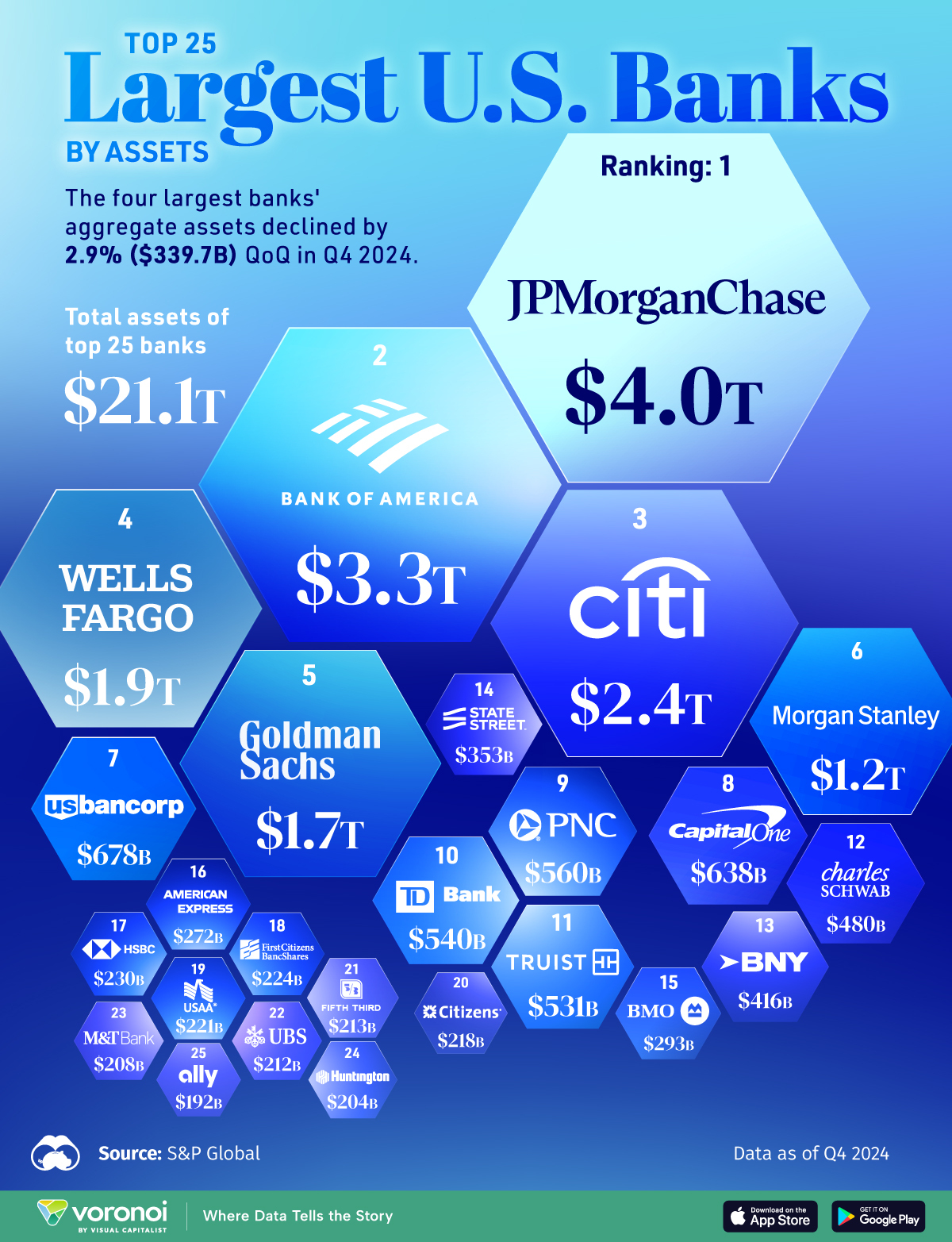
The banking landscape in the USA is diverse, offering distinct models, each with its own set of advantages and disadvantages. Understanding these differences is crucial for selecting the right fit for your financial lifestyle.
The Allure of Traditional Banks (Branch Access, Full Service)
Traditional, brick-and-mortar banks are what most people envision when they think of banking. These include national giants like Chase, Bank of America, Wells Fargo, and regional players like PNC or U.S. Bank.
-
Pros: Extensive branch networks for in-person transactions and advice, large ATM networks, a wide array of financial products (mortgages, auto loans, investments), and a sense of established security. They are ideal for those who prefer face-to-face interaction or frequently handle cash.
-
Cons: Often have higher fees, lower interest rates on savings accounts, and can sometimes be slower to adapt to digital trends compared to online counterparts. Their larger overhead costs are typically passed on to consumers.
The Rise of Online-Only Banks (Higher Yields, Lower Fees)
Online-only banks, such as Ally Bank, Discover Bank, Marcus by Goldman Sachs, and Capital One 360, operate entirely online or through mobile apps, foregoing physical branches.
-
Pros: Generally offer significantly higher interest rates on savings, checking, and CDs due to lower overhead. They typically have minimal to no monthly fees and often reimburse ATM fees from other banks. Their mobile apps and online platforms are usually state-of-the-art, offering convenient digital tools.
-
Cons: Lack of physical branches means no in-person support for complex issues or cash deposits (though many offer solutions via mail or ATM networks). While customer service is often excellent, it’s exclusively remote. They may not offer as broad a range of specialized lending products as traditional banks.
The Community Focus of Credit Unions (Member-Owned, Personalized Service)
Credit unions are not-for-profit financial cooperatives owned by their members. They range from small community-based institutions to large organizations like Navy Federal Credit Union.
-
Pros: Often provide more personalized customer service, lower fees, better interest rates on savings, and lower loan rates than traditional banks. Because they are member-owned, profits are returned to members through better rates and services. Many are committed to community development.
-
Cons: Membership is often restricted to specific groups (e.g., employees of a certain company, residents of a particular county, military personnel). They may have fewer branches and ATMs (though many participate in shared branching networks), and their digital banking platforms might not be as advanced as leading online banks.
Navigating the Selection Process: A Step-by-Step Guide
Choosing the “best” bank requires a methodical approach tailored to your individual circumstances. Follow these steps to make an informed decision:
Assess Your Financial Habits and Goals
Begin by taking stock of your current financial life.
-
Daily Transactions: How often do you use your debit card? Do you write checks? How much cash do you typically handle?
-
Savings: Are you saving for a specific goal (house, retirement, emergency fund)? How frequently do you contribute?
-
Borrowing Needs: Do you anticipate needing a mortgage, auto loan, or personal loan in the near future?
-
Investment Needs: Do you prefer to keep investments separate or integrated with your banking?
-
Interaction Preference: Do you value in-person service, or are you comfortable with solely digital interactions?
Compare Fees, Interest Rates, and Account Features
Once you understand your needs, start comparing.
-
Fee Schedules: Obtain and meticulously review the fee schedules for various accounts. Pay close attention to monthly maintenance fees, overdraft fees, and ATM fees.
-
Interest Rates (APY/APR): For savings and CDs, aim for the highest APY. For loans and credit cards, seek the lowest APR. Remember that online banks usually offer better savings rates.
-
Account Requirements: Check minimum balance requirements, direct deposit stipulations for fee waivers, and any other conditions for specific account benefits.
-
Specific Features: Ensure the bank offers essential services like online bill pay, mobile check deposit, fraud alerts, and any other specialized features important to you (e.g., robust budgeting tools, investment integration).
Evaluate Digital Tools and Security
In today’s digital age, the quality of a bank’s technology is paramount.
-
Mobile App & Online Platform: Download the app (if applicable) and explore the interface. Is it user-friendly, intuitive, and feature-rich? Look for ratings and reviews in app stores.
-
Security Features: Verify robust security measures such as multi-factor authentication, biometric logins, real-time fraud monitoring, and FDIC (or NCUA for credit unions) insurance, which protects your deposits up to $250,000 per depositor, per institution.
Consider Customer Support and Reputation
A bank’s ability to help you when things go wrong is as important as its daily functionality.
-
Contact Channels: What support options are available (phone, chat, email, in-person)? Are they available when you need them?
-
Reputation: Research the bank’s reputation for customer service. Look at consumer watchdog reports, online reviews, and industry awards.
-
Accessibility: If branch access is important, check the locations relative to your home or work and their operating hours.
Read Reviews and Seek Recommendations
Don’t just rely on marketing materials.
-
Online Reviews: Consult reputable review sites (e.g., NerdWallet, Bankrate, Consumer Reports) and look at customer testimonials. Pay attention to recurring themes, both positive and negative.
-
Personal Recommendations: Ask friends, family, or colleagues about their banking experiences. Their insights can be invaluable, especially if they have similar financial profiles to yours.
The Future of Banking: Innovation and Personalization
The banking industry is in a constant state of evolution, driven by technological advancements and changing consumer expectations. As you consider your options, it’s worth noting how these trends might shape your financial future.
AI and Predictive Analytics in Finance
Artificial intelligence is increasingly being used by banks to personalize financial advice, detect fraud more effectively, and streamline customer service through intelligent chatbots. Predictive analytics can help banks offer tailored products and services, anticipating your needs before you even realize them. This level of data-driven personalization promises a more relevant and proactive banking experience.
Hyper-Personalized Financial Advice
Beyond just product recommendations, the future points toward AI-driven financial advisors and tools that can offer highly customized budgeting, saving, and investing strategies based on your unique spending patterns, income, and life goals. This could democratize access to sophisticated financial planning that was once reserved for high-net-worth individuals.
The Blurring Lines: Fintech Partnerships and Embedded Finance
The rise of fintech companies has pushed traditional banks to innovate and often partner with these agile tech firms. This leads to integrated services where banking capabilities are seamlessly “embedded” into non-financial platforms, like paying for goods directly within a social media app or receiving a loan offer based on your e-commerce sales data. This trend promises greater convenience and accessibility to financial services in everyday contexts.
In conclusion, “the best bank in USA” is not a monolithic entity but rather a financial partner perfectly aligned with your personal or business financial journey. By diligently assessing your needs, comparing the diverse offerings of traditional banks, online-only institutions, and credit unions, and leveraging available tools and insights, you can confidently choose a bank that empowers your financial growth and provides the services you need, today and into the future.
aViewFromTheCave is a participant in the Amazon Services LLC Associates Program, an affiliate advertising program designed to provide a means for sites to earn advertising fees by advertising and linking to Amazon.com. Amazon, the Amazon logo, AmazonSupply, and the AmazonSupply logo are trademarks of Amazon.com, Inc. or its affiliates. As an Amazon Associate we earn affiliate commissions from qualifying purchases.