
The landscape of personal finance has undergone a radical transformation over the last decade. Historically, the stock market was a playground reserved for high-net-worth individuals and institutional investors who could afford the steep commissions of traditional brokerage firms. Today, that barrier has vanished. The democratization of finance, fueled by mobile technology, has placed the power of Wall Street directly into the pockets of millions. However, as the market for retail investing apps becomes increasingly crowded, the question remains: which platform is truly the best for your financial goals?
Selecting the right app is not merely about aesthetic preference; it is a strategic decision that affects your long-term wealth accumulation, tax efficiency, and risk management. Whether you are a novice looking to buy your first fractional share or a seasoned trader seeking advanced charting tools, the “best” app is one that aligns with your specific investment style and financial literacy level.
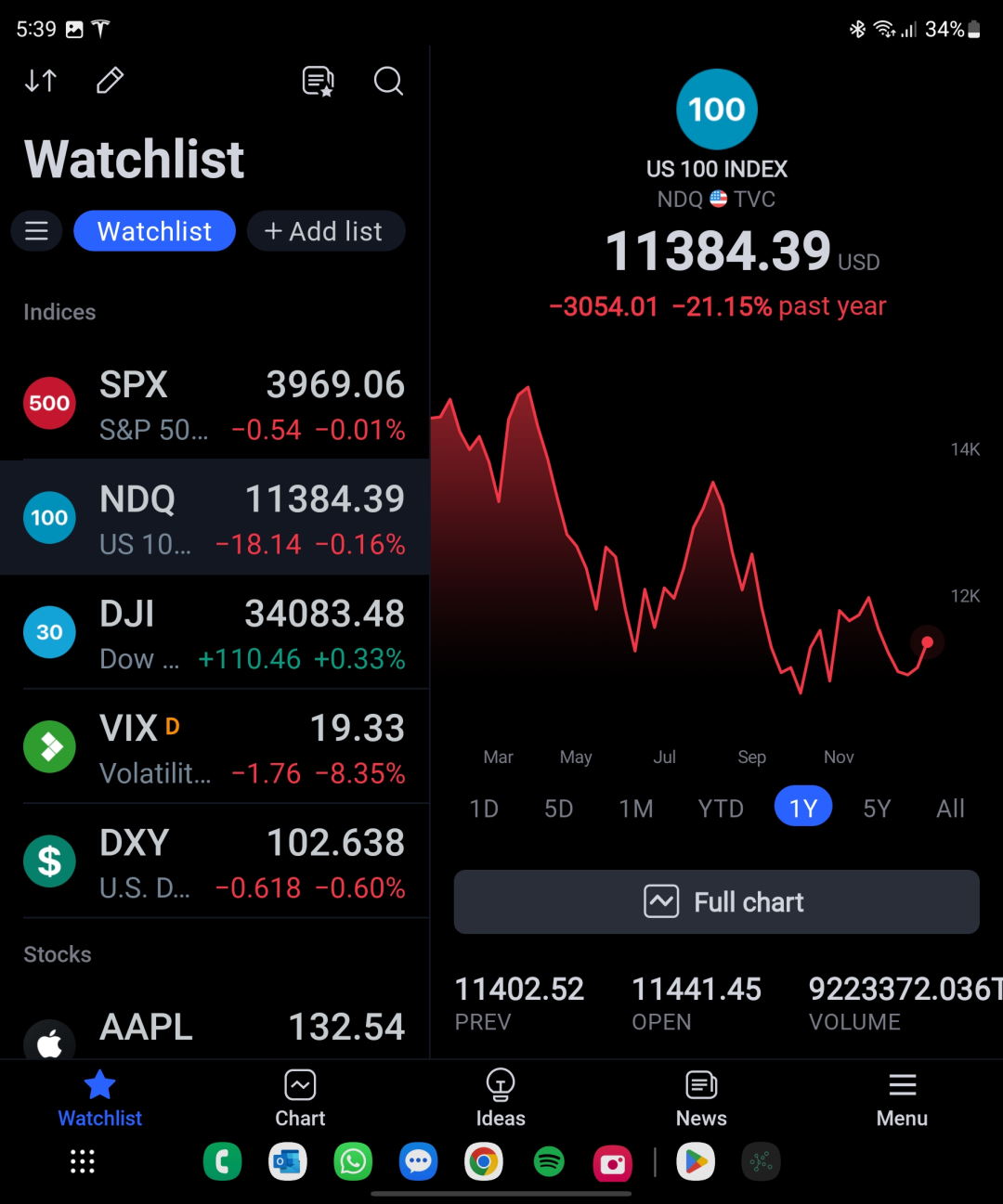
Top-Tier Stock Trading Apps for Every Investor Level
The brokerage industry has shifted toward a commission-free model, but platforms still differentiate themselves through their user experience, research tools, and asset availability. To find the right fit, it is essential to categorize apps based on the type of investor they serve.
Fidelity: The All-Around Gold Standard
Fidelity frequently tops the list for both beginners and experienced investors because of its comprehensive ecosystem. Unlike many fintech startups, Fidelity offers a massive range of investment products beyond stocks and ETFs, including bonds, mutual funds, and precious metals.
One of its standout features is “Fidelity Spire,” an app designed to help users link their financial goals to their investment portfolios. For those interested in long-term wealth, Fidelity provides one of the best platforms for managing Individual Retirement Accounts (IRAs) and 401(k)s. Furthermore, their commitment to “price improvement”—getting you a better price than the quoted market price—often saves investors more money than simple commission-free trading does.
Charles Schwab: Best for Research and Customer Support
Since its acquisition of TD Ameritrade, Charles Schwab has become a powerhouse in the retail investing space. The integration of the “thinkorswim” platform provides Schwab users with some of the most sophisticated technical analysis tools available on a mobile device.
Schwab is particularly well-regarded for its 24/7 customer service and its vast library of educational content. For a new investor, having access to professional analyst reports from Morningstar and Reuters is invaluable. Their “Schwab Starter Kit” also provides a small bonus for new investors to begin their journey, making it an attractive entry point for those who value institutional stability.
Robinhood: The Pioneer of User Experience
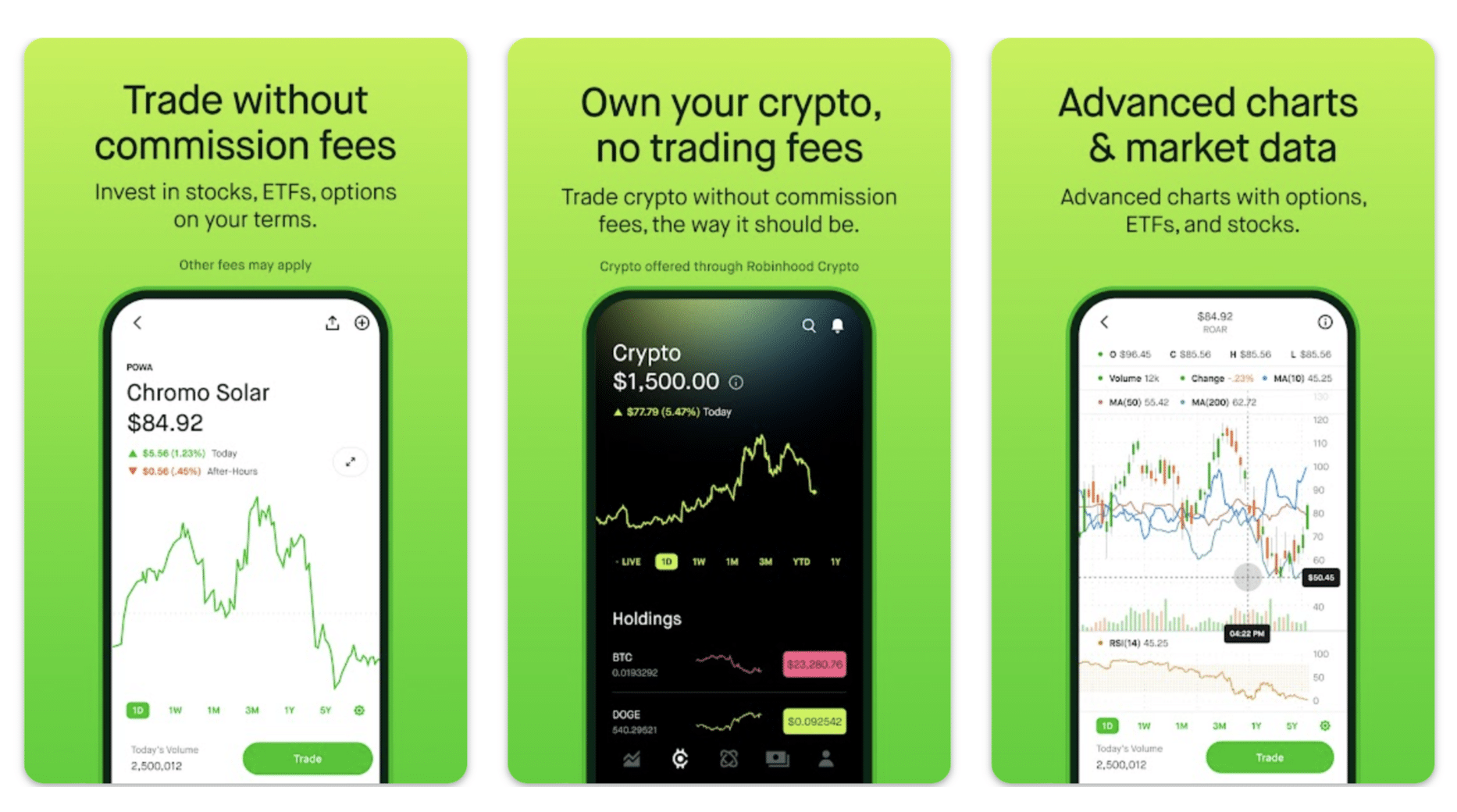
Robinhood changed the industry forever by introducing zero-commission trading. While competitors have since matched their pricing, Robinhood still leads the pack in terms of user interface (UI) and user experience (UX). The app is intentionally designed to be intuitive, stripping away the jargon and complex charts that can often intimidate newcomers.
For those interested in a “one-stop-shop” for modern finance, Robinhood offers seamless integration with cryptocurrency trading and a high-yield cash management account. Their “Robinhood Gold” tier provides access to Level II market data and professional research from Morningstar, along with competitive margin rates, making it a viable option for those moving from the beginner to the intermediate stage.
Webull: Best for Intermediate Technical Traders
Webull occupies the middle ground between the simplicity of Robinhood and the complexity of professional terminals. It offers a robust mobile experience characterized by advanced charting, technical indicators, and extended trading hours. For investors who want to participate in pre-market and after-hours trading, Webull is often the preferred choice.
The platform also provides a “Paper Trading” feature, which allows users to practice investment strategies with virtual money before risking actual capital. This is a critical educational tool for anyone looking to transition from passive indexing to active stock picking.
Key Features to Look for in a Stock Trading App
When evaluating which app to download, you must look beyond the marketing slogans. The “best” app is defined by several core pillars that ensure your capital is working as hard as possible for you.
Fractional Shares and Minimums
For a young investor or someone starting with a small amount of capital, the ability to buy fractional shares is non-negotiable. Many high-performing stocks, such as Amazon or Berkshire Hathaway, have high share prices that might be out of reach for a beginner. Fractional shares allow you to invest as little as $1 or $5 into these companies, ensuring that every dollar of your savings is put to work immediately.
Educational Resources and Data Quality
Investing is a skill that requires constant refinement. An app that provides real-time data, earnings call transcripts, and educational videos adds significantly more value than one that only facilitates transactions. Look for platforms that offer “built-in” literacy tools. Understanding the “why” behind a stock’s movement is just as important as the ability to execute the trade itself.
The Breadth of Investment Vehicles
While you may start with individual stocks, your financial needs will evolve. The best apps allow you to diversify into Exchange-Traded Funds (ETFs), options, and perhaps even alternative assets like cryptocurrencies or commodities. An app that limits you to only a few asset classes may force you to migrate your entire portfolio later on, which can be a logistical and tax-heavy burden.
Automation and Recurring Investments
Wealth is built through consistency. The most effective investing apps offer “set-it-and-forget-it” features. Automated recurring investments allow you to practice dollar-cost averaging (DCA), a strategy where you invest a fixed amount of money at regular intervals regardless of the stock’s price. This reduces the impact of volatility and removes the emotional stress of trying to “time the market.”
Evaluating Costs, Fees, and the “Hidden” Price of Free
In the world of finance, nothing is truly free. Even when an app advertises “$0 commissions,” there are other ways the platform may generate revenue. Understanding these mechanisms is crucial for sophisticated investors who want to minimize “drag” on their portfolios.
Payment for Order Flow (PFOF)
Many popular apps, including Robinhood and Webull, utilize Payment for Order Flow. This means that instead of sending your trade directly to a stock exchange like the NYSE, they send it to a “market maker” who pays the app a small fee for the right to execute the trade. While this allows the app to offer zero commissions, it can sometimes result in a slightly worse execution price for the investor. For long-term buy-and-hold investors, the difference is negligible, but for high-frequency traders, these fractions of a cent can add up.
Margin Rates and Interest
If you choose to trade on margin—essentially borrowing money from the broker to buy more stock—the interest rate you are charged is a critical factor. Apps vary wildly in their margin rates. While some charge upwards of 10-12%, others, like Interactive Brokers, are known for offering much lower rates. Always check the margin schedule if you plan on using leverage.
Expense Ratios and Subscription Fees
Some apps charge a monthly subscription fee for “premium” features. You must calculate whether the benefits (like higher interest on cash or better data) outweigh the annual cost of the subscription. Additionally, when buying ETFs through an app, always be mindful of the “expense ratio” of the fund itself, as this is a fee charged by the fund manager, not the app.
Security and Regulation in Digital Investing
Entrusting your life savings to a mobile application requires a high level of confidence in the platform’s security protocols. The best apps are those that prioritize the safety of your assets and personal information.
SIPC and FDIC Protection
Before depositing a single dollar, ensure the brokerage is a member of the Securities Investor Protection Corporation (SIPC). SIPC protects customers of its members up to $500,000 (including $250,000 for claims for cash) if the brokerage firm fails. For the cash portions of your account, check if the app offers FDIC insurance through partner banks, which typically covers up to $250,000 per depositor.
Two-Factor Authentication (2FA) and Encryption
In an era of increasing cyber threats, basic password protection is insufficient. The best stock apps require two-factor authentication, biometric logins (such as FaceID or fingerprints), and utilize high-level encryption for data transmission. Security features are the unsung heroes of a great investing app; they provide the peace of mind necessary to invest for the long term.
Regulatory Compliance
Ensure the app is registered with the Securities and Exchange Commission (SEC) and is a member of the Financial Industry Regulatory Authority (FINRA). These organizations oversee the conduct of broker-dealers to protect investors and maintain market integrity. Any app that operates outside of these regulatory frameworks should be viewed with extreme skepticism.
Maximizing Your Investment Strategy with Mobile Tools
Ultimately, the best app to buy stocks is the one that you will actually use consistently. The most sophisticated tool in the world is useless if the interface is so cumbersome that it discourages you from checking your portfolio or making regular contributions.
Modern apps have gamified some aspects of investing, which can be a double-edged sword. While it makes the process engaging, it is important to remember that investing is a marathon, not a sprint. The real value of these apps lies in their ability to automate your savings, provide instant access to global markets, and offer the data needed to make informed decisions.
By choosing a platform that fits your current needs while providing room for growth, you are not just choosing a piece of software—you are choosing a partner in your journey toward financial independence. Whether you prioritize the deep research capabilities of Fidelity and Schwab or the streamlined simplicity of Robinhood, the current era of mobile investing offers unprecedented opportunities for anyone willing to take the first step.
aViewFromTheCave is a participant in the Amazon Services LLC Associates Program, an affiliate advertising program designed to provide a means for sites to earn advertising fees by advertising and linking to Amazon.com. Amazon, the Amazon logo, AmazonSupply, and the AmazonSupply logo are trademarks of Amazon.com, Inc. or its affiliates. As an Amazon Associate we earn affiliate commissions from qualifying purchases.