
The pursuit of financial security in retirement is a lifelong endeavor, and for many, annuities represent a significant piece of that puzzle. But with a bewildering array of options, the question “what is the best annuity?” becomes paramount. This article delves into the world of annuities, exploring their fundamental purpose, different types, and how they intersect with the modern landscape of technology and strategic financial planning. We’ll equip you with the knowledge to make informed decisions, leveraging the insights from the tech, brand, and money domains to find the annuity that best suits your individual needs.

Annuities, at their core, are financial products designed to provide a stream of income, typically in retirement. They are insurance contracts where you pay a lump sum or a series of payments to an insurance company, and in return, they promise to make regular payments back to you, either immediately or at a future date. This guaranteed income stream can be incredibly attractive for individuals seeking to supplement other retirement savings like Social Security or pensions, and to mitigate the risk of outliving their accumulated wealth.
The “best” annuity isn’t a one-size-fits-all designation. It’s highly personal, dependent on your individual financial goals, risk tolerance, time horizon, and income needs. Understanding the nuances of different annuity types is the first step in demystifying the market and identifying which might be the optimal choice for your unique circumstances.
Understanding the Annuity Landscape: A Foundational Overview
Before we dive into specific types, let’s establish a common understanding of annuity terminology and their general function. Think of an annuity as a personal pension plan that you can customize. The insurance company manages the underlying investments, and the contract dictates how and when you receive your payouts.
The Core Mechanics: Accumulation and Payout Phases
Annuities generally operate in two distinct phases:
-
The Accumulation Phase: This is the period when you are making payments into the annuity, and your money is growing. The growth rate, and whether it’s fixed or variable, depends on the type of annuity. During this phase, earnings are typically tax-deferred, meaning you don’t pay taxes on them until you withdraw the money.
-
The Payout (or Annuitization) Phase: This is when you start receiving income payments from the annuity. You can choose to receive these payments for a set period (e.g., 10 years) or for your lifetime, or even for the joint lifetimes of you and a spouse. The structure of these payouts is a crucial aspect of what makes an annuity “best” for your retirement income needs.
Key Features and Considerations: Beyond the Basics
Several critical features influence the performance and suitability of an annuity:
-
Guarantees: This is the cornerstone of many annuity products. Guarantees can relate to the principal amount invested, a minimum rate of return, or a guaranteed income stream for life. These guarantees come with varying costs and complexities.
-
Fees and Charges: Annuities can be complex financial instruments, and they often come with various fees, including mortality and expense charges, administrative fees, surrender charges (if you withdraw money early), and fees for optional riders. Understanding these fees is vital to ensuring your annuity works for you, not against you.
-
Riders: These are optional add-ons that can enhance the features of an annuity. Common riders include guarantees for lifetime income, death benefits, or inflation protection. While riders can offer valuable benefits, they also typically increase the cost of the annuity.
-
Tax Deferral: As mentioned, earnings within an annuity grow tax-deferred. This means you don’t pay taxes on the growth until you start taking withdrawals in retirement. This can be a significant advantage compared to taxable investment accounts, especially for long-term growth.
Decoding Annuity Types: Finding Your Financial Fit
The “best” annuity is heavily influenced by its type. Each type offers a different approach to growth, risk, and payout. Understanding these distinctions is fundamental to making an informed choice.
Immediate Annuities: Instant Income for Your Golden Years
Immediate annuities are designed for those who are ready to start receiving income right away. You typically make a lump-sum payment, and within a short period (often within a year), the insurance company begins making regular payments to you.
-
Key Characteristics:
- Instant income: Ideal if you need income now, perhaps because you’ve just retired.
- Simplicity: Generally less complex than deferred annuities.
- No accumulation phase: Your money doesn’t grow for a period; it starts paying out.
-
Who is it best for? Individuals who are retired or close to retirement and require an immediate, predictable income stream to cover essential living expenses. They are less concerned with long-term growth and more focused on immediate income security.
Deferred Annuities: Building Your Retirement Nest Egg
Deferred annuities are designed for those who want to save and grow their retirement funds over time before they begin receiving income. You make payments into the annuity, and the money grows tax-deferred. You can then choose when to start receiving income payments, typically at a future date.
Fixed Annuities: Predictable Growth and Security
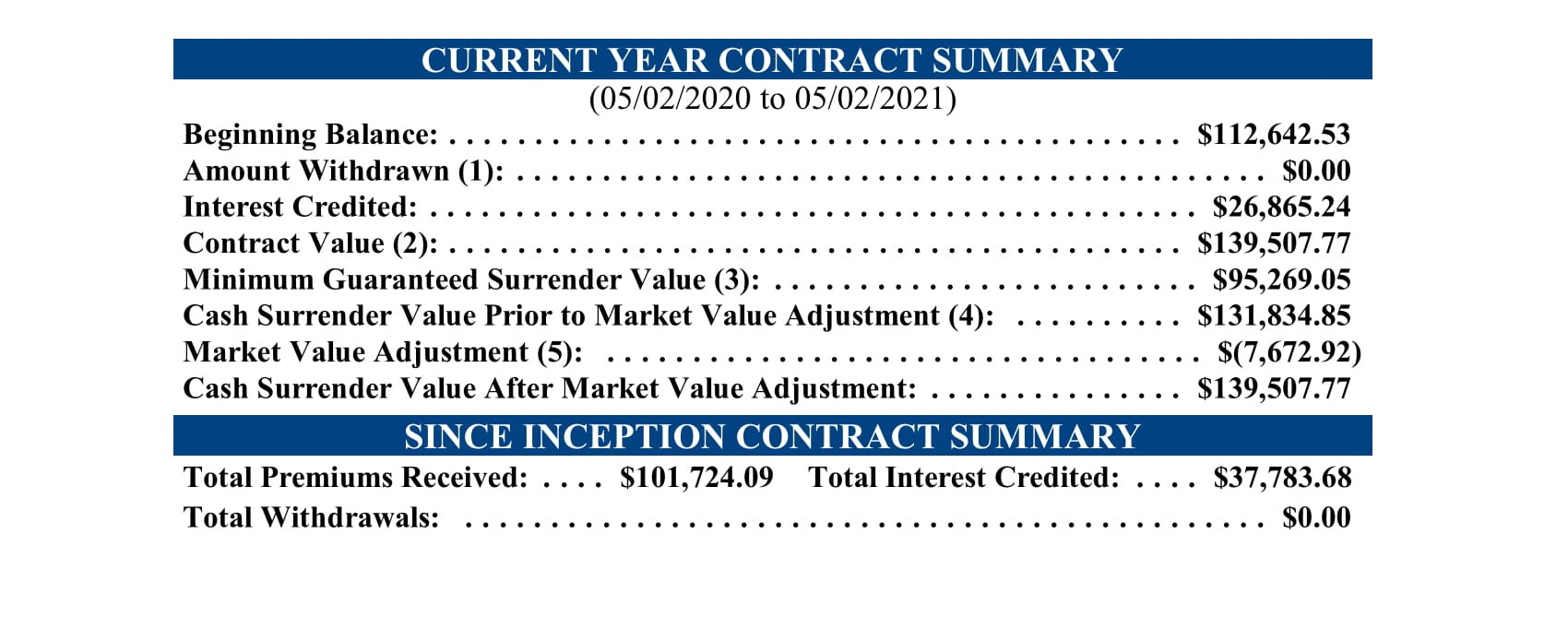
Fixed annuities offer a guaranteed rate of interest for a specified period. This means you know exactly how much your money will grow, providing a predictable and secure investment.
-
Key Characteristics:
- Guaranteed interest rate: Offers certainty in your returns.
- Principal protection: Your initial investment is generally safe.
- Lower growth potential: Compared to variable annuities, the growth ceiling is lower.
-
Who is it best for? Conservative investors who prioritize safety and predictability over high growth potential. They want to know their principal is protected and that their savings will grow at a consistent, known rate.
Variable Annuities: Market Participation with Potential Upside
Variable annuities offer the potential for higher growth because your investment is allocated to subaccounts that are similar to mutual funds. However, this also means your investment is subject to market risk. Many variable annuities also offer optional riders that can provide guarantees, such as a guaranteed minimum withdrawal benefit (GMWB) or a guaranteed lifetime withdrawal benefit (GLWB).
-
Key Characteristics:
- Potential for higher returns: Linked to market performance.
- Market risk: Investment values can fluctuate and may decline.
- Complexity: Can be more complex due to investment options and riders.
- Higher fees: Typically have higher fees than fixed annuities.
-
Who is it best for? Investors who are comfortable with some level of market risk in exchange for the potential for greater growth. They often seek the combination of market participation and some form of guaranteed income or withdrawal benefit, provided they understand and can afford the associated costs.
Fixed Indexed Annuities (FIAs): A Hybrid Approach
FIAs offer a blend of safety and growth potential. Your principal is protected, and your returns are linked to the performance of a market index, such as the S&P 500. However, there are typically caps, participation rates, and spreads that limit your upside participation in the index’s gains.
-
Key Characteristics:
- Principal protection: Your initial investment is generally safe.
- Index-linked growth: Potential to participate in market gains without direct market risk.
- Caps and participation rates: Limit the extent to which you benefit from market upside.
- Tax-deferred growth: Earnings grow tax-deferred.
-
Who is it best for? Investors seeking a balance between the safety of fixed annuities and the potential upside of variable annuities, without taking on direct market risk. They want to participate in market growth but are comfortable with limitations on their potential gains in exchange for principal protection.
Strategic Considerations: Integrating Technology and Branding into Your Annuity Decision
The concept of the “best” annuity is not solely about financial instruments; it also involves leveraging modern tools and understanding your personal brand as a financial decision-maker.
Leveraging Technology for Smarter Annuity Choices
In today’s digital age, technology can be a powerful ally in your annuity search and management.
-
Online Research and Comparison Tools: Websites and platforms dedicated to financial planning and annuities offer comparison tools that allow you to see different annuity products side-by-side, analyze their features, fees, and potential payouts. This saves time and empowers you with information.
-
Financial Planning Software and Apps: Personal finance apps and software can help you model your retirement income needs, project how an annuity might fit into your overall financial picture, and assess its impact on your cash flow. AI-powered tools are increasingly being used to provide personalized financial advice and scenario planning.
-
Digital Security: When engaging with insurance companies online or through digital platforms, always prioritize digital security. Ensure you are using secure websites, strong passwords, and being wary of phishing scams. Your financial data is sensitive, and protecting it is paramount.
Personal Branding and Financial Decision-Making
Your personal brand, in the context of finance, refers to how you perceive yourself and how you want to be perceived as a financial steward. Are you a cautious investor, an aggressive growth seeker, or someone who prioritizes a balanced approach?
-
Aligning Annuity Choice with Your Financial Persona: If your personal brand is one of prudence and risk aversion, a fixed or fixed indexed annuity might align better with your comfort level. If you’re known for being forward-thinking and open to calculated risks, a variable annuity with appropriate riders could be considered.
-
Communicating Your Needs: Clearly articulating your financial goals and risk tolerance to financial advisors or when using online tools is crucial. This “branding” of your financial identity ensures that the solutions presented are relevant and appropriate.
-
Building Trust: When selecting an annuity provider, consider their reputation and brand integrity. A strong, reputable brand often signifies stability and reliability, which are essential qualities for a long-term financial product like an annuity. Read reviews, check ratings, and understand their history.

The Final Verdict: No Single “Best,” But a “Best Fit” for You
Ultimately, the quest for the “best annuity” leads not to a universal answer but to the identification of the best annuity for your specific circumstances. This requires a deep dive into your personal financial situation, a clear understanding of your retirement goals, and an honest assessment of your risk tolerance.
When considering an annuity, always remember to:
- Define Your Needs: Are you looking for immediate income, long-term growth, or a combination?
- Understand the Types: Familiarize yourself with immediate, deferred, fixed, variable, and fixed indexed annuities.
- Scrutinize Fees and Riders: Ensure you comprehend all associated costs and the value of any optional benefits.
- Assess Your Risk Tolerance: Be realistic about how much market fluctuation you can comfortably handle.
- Leverage Technology: Utilize online tools and software to research, compare, and model potential outcomes.
- Consult with Professionals: Work with a qualified and unbiased financial advisor who can help you navigate the complexities and make an informed decision.
By approaching annuities with a strategic mindset, integrating modern technological resources, and understanding your personal financial brand, you can move beyond the generic question of “what is the best annuity” and instead discover the annuity that is the best fit for your secure and prosperous retirement.
aViewFromTheCave is a participant in the Amazon Services LLC Associates Program, an affiliate advertising program designed to provide a means for sites to earn advertising fees by advertising and linking to Amazon.com. Amazon, the Amazon logo, AmazonSupply, and the AmazonSupply logo are trademarks of Amazon.com, Inc. or its affiliates. As an Amazon Associate we earn affiliate commissions from qualifying purchases.