
In the modern smart home ecosystem, the air purifier has evolved from a simple fan-and-filter box into a sophisticated piece of hardware integrated with advanced sensors, IoT capabilities, and medical-grade filtration technology. For pet owners, the technical requirements for these devices are significantly higher. Managing pet dander, microscopic allergens, volatile organic compounds (VOCs) from litter boxes, and heavy shedding requires more than just a basic filter; it requires a deep understanding of aerodynamics and particulate physics.
This guide explores the intersection of hardware engineering and environmental science to identify the best air purifiers for pets, focusing on the specifications that truly matter: CADR ratings, H13 HEPA standards, and smart sensor integration.
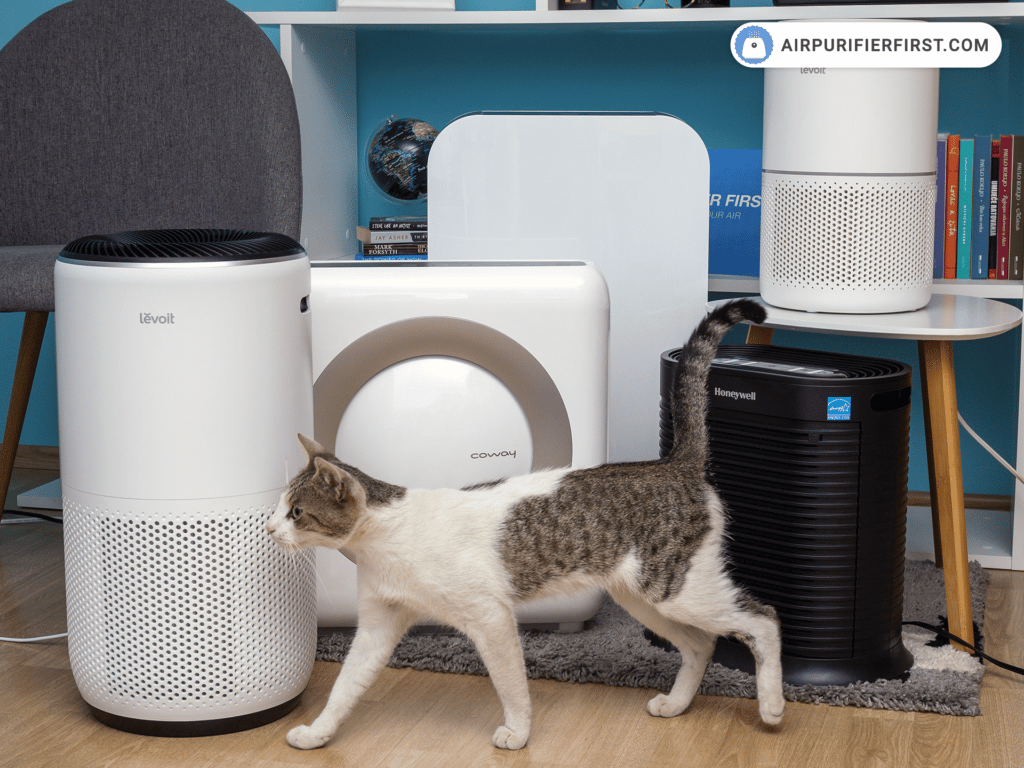
1. The Mechanics of Filtration: Engineering a Dander-Free Environment
To understand why certain air purifiers succeed where others fail, one must look at the internal filtration stack. For pet owners, the challenge is multi-modal, involving large physical debris (hair), microscopic proteins (dander), and gaseous odors (ammonia and VOCs).
H13 True HEPA vs. Standard Filtration
The gold standard in current air purification technology is the H13 True HEPA filter. From a technical standpoint, HEPA (High-Efficiency Particulate Air) filters are graded based on their ability to trap particles as small as 0.3 microns. H13 is considered medical-grade, capable of removing 99.97% of particles at that scale. For pet owners, this is critical because pet dander—the skin flakes that trigger allergies—typically ranges from 0.5 to 10 microns, making them easily capturable by H13 hardware.
Activated Carbon and Molecular Adsorption
While HEPA handles physical particles, it is useless against the molecular structure of pet odors. This is where activated carbon technology becomes essential. High-end purifiers use a “pelletized” carbon bed rather than a thin carbon-coated sponge. The engineering principle here is surface area: a single gram of activated carbon can have a surface area of over 1,000 square meters, allowing it to adsorb nitrogen dioxide and ammonia through a process of chemical bonding.
Pre-filter Architecture and Maintenance
From a mechanical perspective, the pre-filter is the unsung hero of pet-focused devices. In households with shedding breeds (like Golden Retrievers or Huskies), a standard HEPA filter would clog within weeks. Advanced units utilize a micromesh or electrostatic pre-filter designed to capture large hair and dust bunnies, protecting the more expensive HEPA media and maintaining the device’s airflow efficiency.
2. Key Technical Specifications: Understanding CADR and ACH
When evaluating tech hardware, the spec sheet is the ultimate arbiter of performance. For air purifiers, the two most critical metrics are Clean Air Delivery Rate (CADR) and Air Changes per Hour (ACH).
Decoding CADR Ratings
The CADR rating, developed by the Association of Home Appliance Manufacturers (AHAM), measures the volume of filtered air a unit can produce at its highest speed setting. It is usually broken down into three categories: Smoke, Dust, and Pollen. For pet owners, the “Dust” and “Pollen” ratings are the most indicative of performance against dander. A high-tech unit for a large living room should ideally have a CADR of 250 cfm (cubic feet per minute) or higher to ensure the motor can cycle air faster than the pet can shed.
The Physics of Air Changes per Hour (ACH)
ACH refers to how many times the device can exchange the entire volume of air in a specific room size within 60 minutes. While a 2x ACH might be sufficient for a standard office, a “pet-tech” environment requires a 4x or 5x ACH. This ensures that even when a dog shakes its coat or a cat uses the litter box, the surge in particulates is processed and neutralized within 15 minutes.
Motor Efficiency and Noise-to-Power Ratios
The engineering challenge in air purification is moving massive volumes of air without creating a vacuum-cleaner level of noise. High-end brands utilize brushless DC (BLDC) motors, which are more energy-efficient and quieter than traditional AC motors. These motors allow for “stepless” speed control, enabling the device to ramp up slowly in response to sensor data rather than jumping between loud, discrete settings.
3. Smart Integration: The Role of AI and IoT in Air Quality

The “Tech” in modern air purifiers is most visible in their smart features. We are moving away from “set it and forget it” manual dials toward AI-driven environmental management.
Laser Particle Sensors (PM2.5 Monitoring)
Traditional air purifiers used basic infrared sensors that were often inaccurate. Modern, high-spec units utilize laser scattering technology. These sensors beam a laser through the air intake; when a particle crosses the beam, the light scatters, and a photodiode measures the intensity and pattern of that scatter to determine the particle concentration (PM2.5). For pet owners, this means the purifier can “see” a cloud of dander invisible to the human eye and automatically increase fan speed in real-time.
IoT Ecosystems and Mobile App Analytics
The integration of air purifiers into the “Smart Home” allows for granular data tracking. Apps like Dyson Link, VeSync, or Blueair’s proprietary software provide real-time air quality indexing (AQI) maps. Users can track spikes in pollutants throughout the day—perhaps identifying that air quality drops every time the dog enters the bedroom—and schedule high-intensity cleaning cycles accordingly.
Voice Control and Automation
Compatibility with Amazon Alexa, Google Assistant, and Apple HomeKit has become a standard requirement for flagship models. This allows for complex automation “scenes.” For example, a user could program a “Pet Mode” that activates the air purifier at 100% power for 30 minutes whenever a smart pet door is triggered, proactively cleaning the air as the animal enters the house.
4. Top-Tier Tech Solutions: A Review of Market Leaders
Based on technical benchmarks and hardware durability, three specific models stand out as the current peak of pet-focused air purification technology.
The Dyson Purify Humidify+Cool (Formaldehyde Edition)
Dyson represents the “Apple” of the air purifier world. Their technical advantage lies in their “Air Multiplier” technology, which uses a bladeless design to project a powerful stream of purified air across the room. The Formaldehyde edition is particularly relevant for pet owners as it uses a solid-state sensor to detect and destroy formaldehyde molecules—often found in the glues and synthetic materials of cheap pet beds and toys.
The Blueair HealthProtect 7770i
Blueair’s proprietary HEPASilent Ultra™ technology is a masterclass in electrical engineering. It combines electrostatic charging with mechanical filtration. By giving incoming particles an electrical charge, they become “sticky” and adhere to the filter fibers more easily. This allows Blueair to use a less dense filter media, resulting in higher CADR with significantly lower noise levels and energy consumption.
The Levoit Core 600S
For those looking at price-to-performance metrics, the Levoit Core 600S utilizes a VortexAir 3.0 technology that enhances indoor air circulation. Its technical highlight is the “Pet Mode” available via the VeSync app, which optimizes the H13 HEPA filtration specifically for the aerodynamic profile of dander and fur. Its AirSight Plus laser sensor is among the most accurate in the consumer-grade market.
5. Maintenance and the Future of Air Tech
Investing in a high-tech air purifier is only half the battle; the long-term technical health of the device depends on firmware updates and filter integrity.
Algorithmic Filter Life Tracking
Older devices used simple timers to tell you when to change a filter (e.g., every 6 months). Modern tech uses algorithms that factor in fan speed, sensor readings, and total air processed to give a precise “percentage of life” remaining. This ensures that pet owners in high-shedding environments change filters exactly when needed, preventing motor strain and ensuring peak filtration efficiency.
Sustainable Engineering and Washable Pre-filters
A significant trend in hardware design is the shift toward sustainability. Some newer models are experimenting with permanent, washable HEPA-grade filters or biodegradable filter frames. While true H13 HEPA still requires replacement, the engineering of “layered” filters—where the pet-hair-heavy outer layer is washable—is becoming a standard for reducing long-term ownership costs.
The Rise of Multi-Sensor Arrays
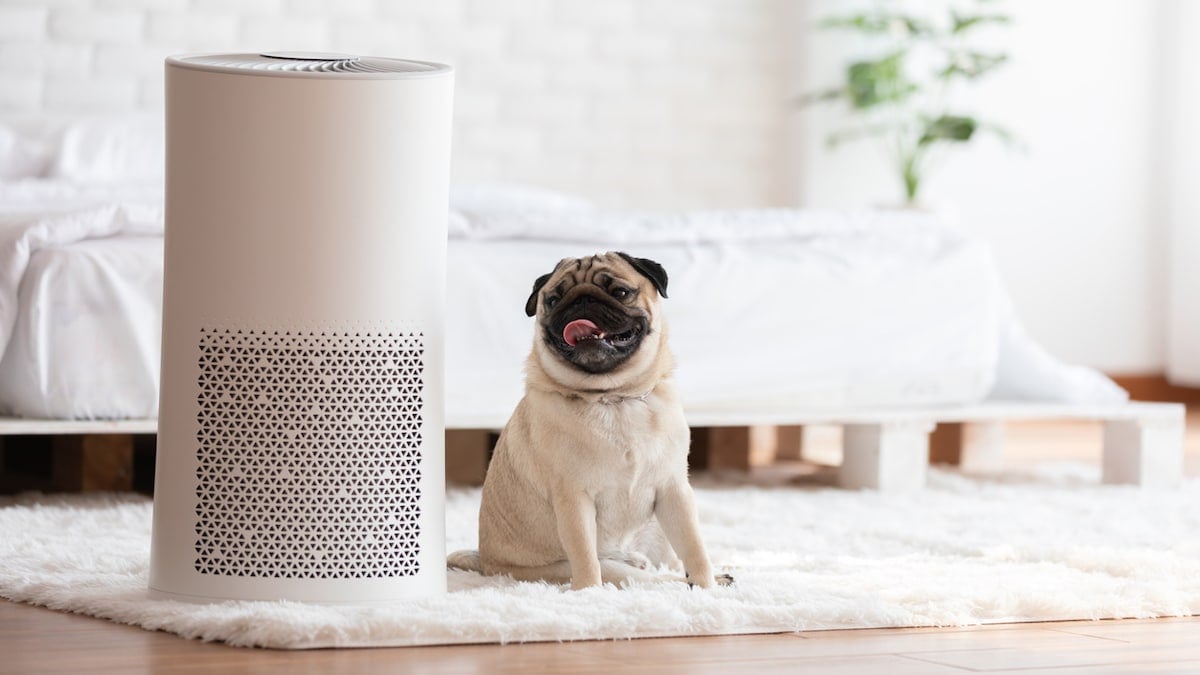
The future of this tech niche lies in multi-sensor arrays. Beyond just PM2.5, we are seeing the integration of CO2 sensors, humidity sensors (to prevent mold growth from water bowls), and even specialized VOC sensors tuned to detect the specific chemical markers of pet waste. This level of environmental awareness transforms the air purifier from a simple appliance into a comprehensive health monitor for the domestic environment.
In conclusion, the “best” air purifier for pets is defined by its technical capacity to handle high particulate loads. By prioritizing H13 HEPA filtration, robust CADR ratings, and laser-based smart sensors, pet owners can leverage modern technology to create a home that is as clean as it is welcoming for their animal companions.
aViewFromTheCave is a participant in the Amazon Services LLC Associates Program, an affiliate advertising program designed to provide a means for sites to earn advertising fees by advertising and linking to Amazon.com. Amazon, the Amazon logo, AmazonSupply, and the AmazonSupply logo are trademarks of Amazon.com, Inc. or its affiliates. As an Amazon Associate we earn affiliate commissions from qualifying purchases.