
In the fast-evolving landscape of biotechnology and bioinformatics, the “base pair rule”—the fundamental principle governing the pairing of nitrogenous bases in nucleic acids—serves as the bedrock of modern genomic research. As we integrate artificial intelligence into DNA sequencing, synthetic biology, and personalized medicine, understanding the precise mechanisms of these molecular interactions is no longer just a task for biologists; it is a critical requirement for engineers, software developers, and data scientists working at the intersection of tech and life sciences.
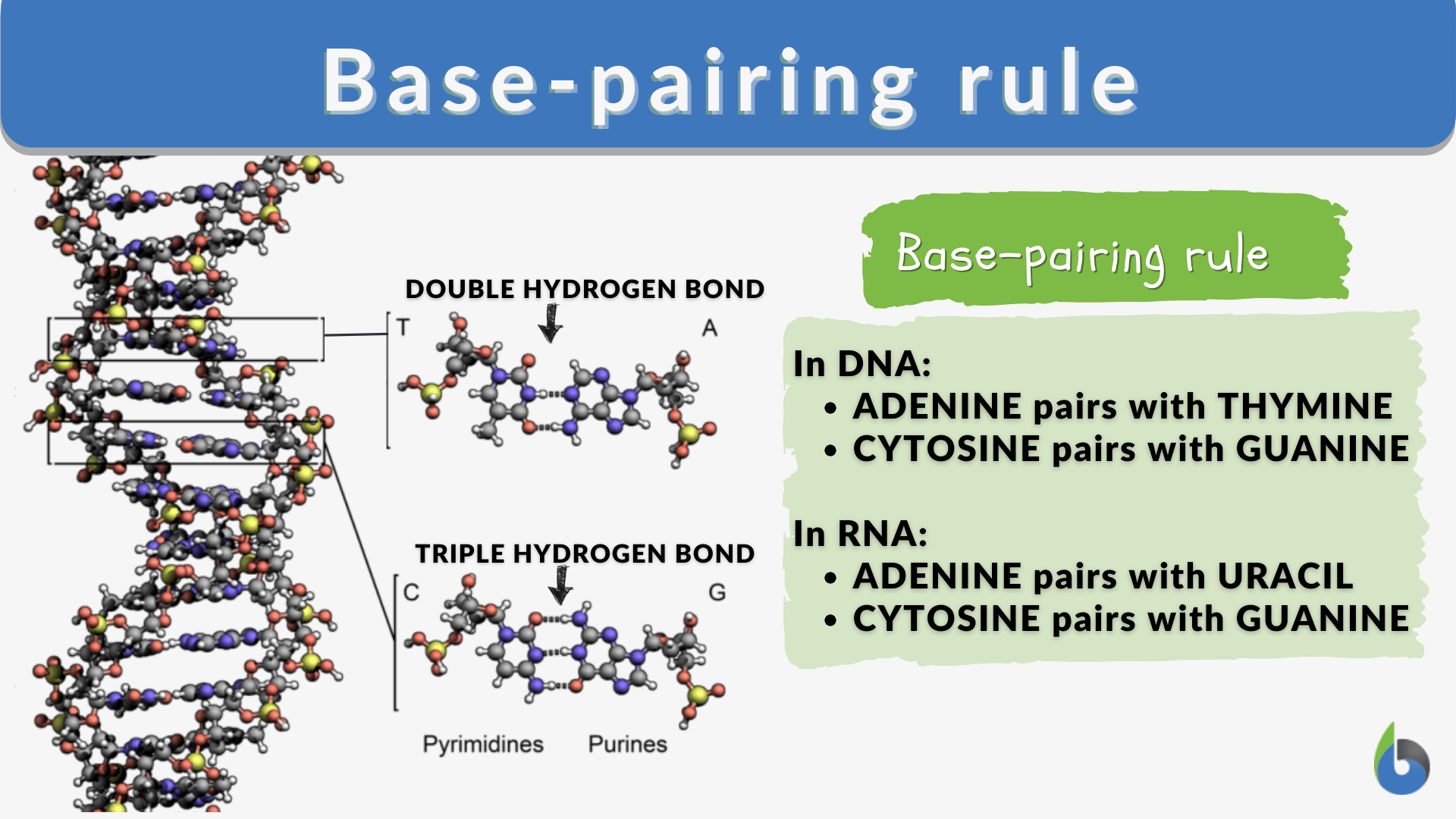
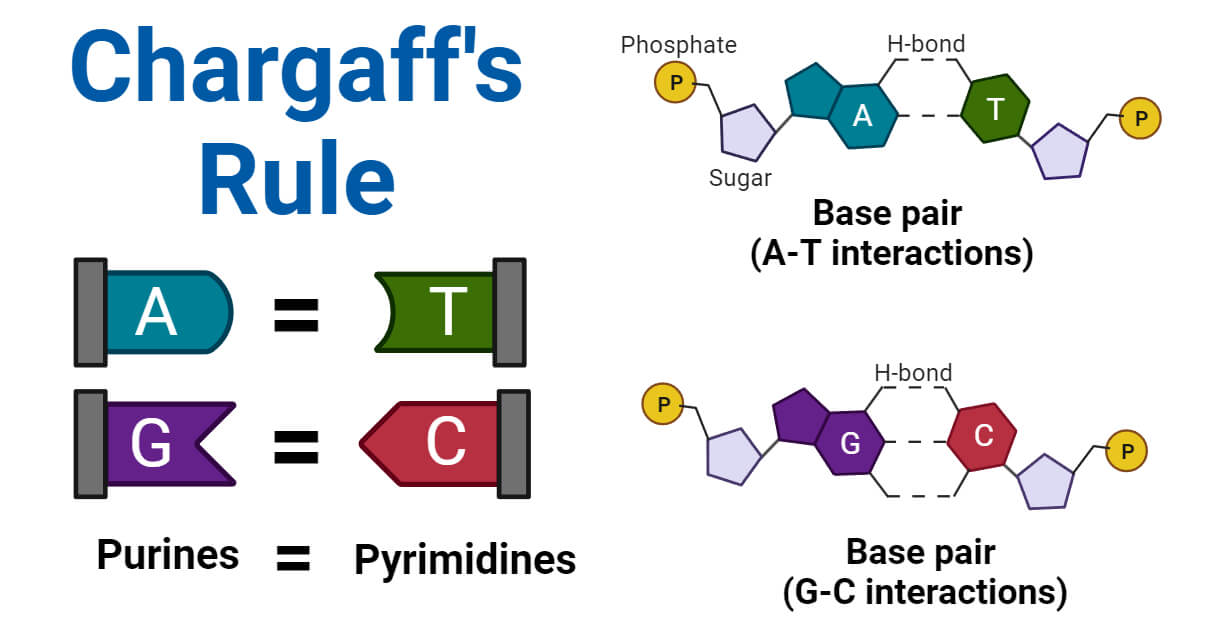
The base pair rule, or Chargaff’s rule, dictates that within a double-stranded DNA molecule, adenine (A) always pairs with thymine (T), and cytosine (C) always pairs with guanine (G). These specific pairings, stabilized by hydrogen bonds, allow for the stable storage of genetic information and the high-fidelity replication essential for life. In the era of high-throughput computing, this biological rule is essentially the “source code” of the living world, operating with an error rate so low that it has become the standard for architectural reliability in biological computing.
The Digital Translation of Biological Logic
For software engineers and data scientists, the base pair rule is analogous to binary logic. Just as bits (0s and 1s) serve as the fundamental units of information in digital computing, base pairs serve as the fundamental units of information in biological computing. Understanding this parity is essential when developing algorithms for genome assembly, error correction in DNA storage, and diagnostic software.
From Base Pairs to Binary Code
When we sequence a genome, we are essentially converting biological information into a digital format. The four-letter alphabet—A, T, C, G—can be encoded into two-bit representations, allowing computers to process vast amounts of genetic data efficiently. The base pair rule acts as the primary constraint or “data validation” rule in this software environment. When a sequencer reads a strand of DNA, the complementary strand is mathematically predictable. If an algorithm detects a pairing that violates the A-T, C-G rule, the system identifies a potential mutation or a sequencing error. This is a classic example of parity checking, a cornerstone of data integrity in digital communications.
Algorithmic Precision in Genomics
Modern bioinformatics software relies on these rules to align short, fragmented sequences—a process known as “de novo” assembly. By adhering to the base pair rule, computational tools can reconstruct entire genomes by matching overlapping complementary sequences. Without the strict enforcement of these biological rules, the computational power required to solve the “puzzle” of a genome would be insurmountable. AI models, particularly deep learning frameworks trained on genomic datasets, utilize these predictable patterns to predict protein folding and identify genetic markers for complex diseases.
DNA Storage: The Future of High-Density Data Centers
One of the most exciting developments in the tech sector is the exploration of DNA as a medium for long-term data storage. As global data production scales exponentially, traditional silicon-based storage solutions are facing physical limits. DNA storage leverages the base pair rule to provide a density and longevity that current hardware cannot match.
Stability and Density
A single gram of DNA can theoretically store approximately 215 petabytes of data. This capacity is made possible because the base pair rule allows for incredibly compact and durable information density. Unlike hard drives that degrade over years or decades, DNA protected in the right environment can remain stable for centuries. The process of writing data involves synthesizing DNA strands that correspond to binary strings, while reading data involves sequencing those strands and applying the base pair rule to reconstruct the original digital file.
Error Correction and Synthesis
The transition from binary to biochemical storage introduces the challenge of synthesis errors. Because the chemical process of “writing” DNA is not always 100% accurate, engineers must incorporate robust error-correction codes (ECC) into the software layer. By mirroring the redundancy found in nature—where base pairing provides inherent verification—tech firms are developing sophisticated Reed-Solomon-like algorithms to ensure that the information retrieved from synthetic DNA is identical to the data stored, regardless of occasional chemical noise.
Computational Modeling and Synthetic Biology
Synthetic biology is the application of engineering principles to biological systems. By manipulating the base pair rule, researchers are essentially “programming” cells to perform specific tasks, such as producing biofuels, manufacturing pharmaceuticals, or creating biosensors that detect digital security threats in real-time.
Designing Custom DNA Sequences
In the field of computer-aided design (CAD) for biology, professionals use specialized software to model new genetic circuits. These circuits rely on the base pair rule to ensure that intended genetic interactions occur without interference. If a designer creates a synthetic protein, the DNA sequence must be perfectly aligned so that it produces the desired amino acids without accidental binding to other parts of the genome—an effect known as cross-talk. By simulating these interactions using the base pair rule, software tools allow for “virtual testing” of genetic circuits before any wet-lab experiments begin.
AI-Driven Predictive Modeling
Artificial intelligence has revolutionized the way we approach synthetic biology by predicting how changes to the genetic code will behave under different environmental stressors. Models like AlphaFold have already demonstrated the power of understanding molecular structure. By integrating the base pair rule into the training parameters of these models, developers are creating systems that can predict the stability of synthetic DNA constructs. This predictive capability reduces the cost and time of bio-engineering, effectively bringing the “Agile” development methodology of Silicon Valley into the lab.
Digital Security in a Bio-Digital World
As we blur the lines between biological systems and digital infrastructure, the base pair rule becomes a focal point for digital security. The potential for “DNA hacking”—where malicious actors might encode harmful information into synthetic biological material or exploit vulnerabilities in sequencing software—is a burgeoning area of study.
The New Frontier of Bio-Cybersecurity
Just as firewalls and encryption protocols protect traditional networks, the biological community is beginning to implement “bio-firewalls.” These systems monitor incoming DNA sequences during the synthesis process. If a sequence is detected that deviates from safe biological parameters or contains suspicious, potentially harmful instructions (such as a gene for a toxin), the software flags it. This process is entirely dependent on the digital implementation of the base pair rule, which allows systems to “read” the synthesized output and compare it against a database of known sequences, much like an antivirus scanner checking files against a library of known malware.

Authenticating Biological Data
As personalized medicine grows, the integrity of genomic data becomes a significant security concern. Ensuring that a patient’s genetic profile has not been tampered with or altered requires cryptographic verification. Digital signatures, combined with the immutable nature of the genetic sequences defined by the base pair rule, provide a foundation for secure, authenticated biological records. By treating DNA sequences as signed digital assets, we can ensure that sensitive medical data remains private and accurate, bridging the gap between clinical excellence and high-tech security standards.
The base pair rule is far more than a textbook definition from high school biology. It is a universal language, an architectural blueprint, and a data-integrity standard all in one. As technology continues to integrate with the molecular building blocks of life, the mastery of these rules will define the next generation of breakthroughs in computing, data storage, and medicine. For the tech-forward professional, viewing the base pair rule through this lens is essential for navigating the future of a world where biology and code are increasingly synonymous.
aViewFromTheCave is a participant in the Amazon Services LLC Associates Program, an affiliate advertising program designed to provide a means for sites to earn advertising fees by advertising and linking to Amazon.com. Amazon, the Amazon logo, AmazonSupply, and the AmazonSupply logo are trademarks of Amazon.com, Inc. or its affiliates. As an Amazon Associate we earn affiliate commissions from qualifying purchases.