
In the intricate world of finance, where billions of transactions occur daily, precision and accuracy are paramount. At the heart of this operational efficiency lies a seemingly simple, yet profoundly critical, nine-digit code: the bank routing number. Often encountered when setting up direct deposits, paying bills online, or even ordering new checks, this sequence is far more than just a number; it is the lynchpin for identifying financial institutions within the U.S. banking system, ensuring funds reach their intended destination swiftly and securely. For anyone navigating personal finance, managing a business, or simply engaging with the modern banking landscape, a comprehensive understanding of what a routing number is, its purpose, and how to use it responsibly is indispensable.
Understanding the Core: What a Routing Number Really Is
At its essence, a bank routing number, also known as an ABA routing number (for American Bankers Association, which originally assigned these numbers), is a nine-digit code used to identify a specific financial institution in the United States. It acts much like a street address for your bank, guiding electronic and paper transactions to the correct entity. Without this unique identifier, the vast network of banks and credit unions would be unable to communicate and process financial requests efficiently.
The Anatomy of a Routing Number
Every routing number is comprised of nine digits, each block serving a specific purpose. While consumers typically only see the full nine-digit sequence, its structure is designed for the Automated Clearing House (ACH) network and wire transfers. The first four digits identify the Federal Reserve routing symbol, indicating the Federal Reserve Bank processing the transaction. The next four digits identify the specific financial institution, and the final digit is a checksum digit used to validate the entire number, preventing errors in data entry. This structured format ensures that even with millions of transactions, the risk of misrouting funds due to an incorrect number is significantly minimized.
Why Banks Need Routing Numbers
The primary raison d’être for routing numbers is to facilitate the seamless movement of money within the U.S. banking system. Imagine a postal service without zip codes; mail would struggle to reach its destination. Similarly, without routing numbers, electronic fund transfers (EFTs), direct deposits, and check processing would be chaotic, inefficient, and prone to errors. They are fundamental to the operational architecture that underpins virtually all financial transactions, providing a clear, unambiguous identification of the financial institution responsible for an account.
Differentiating from Account Numbers and SWIFT Codes
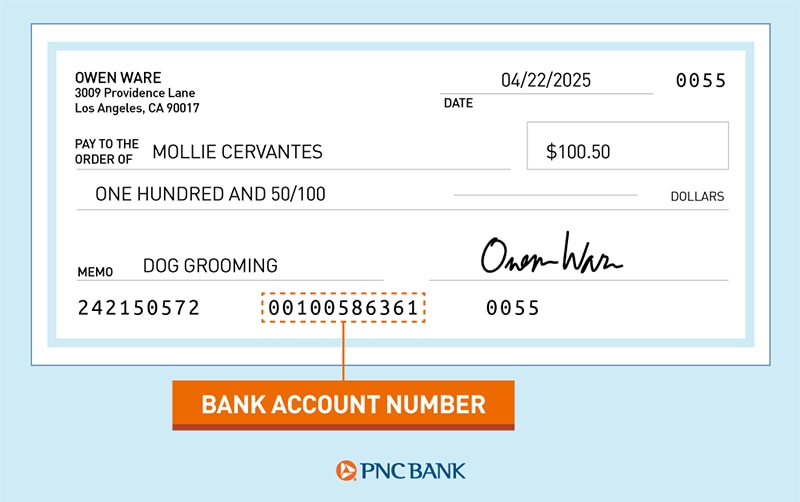
It’s crucial to distinguish routing numbers from other financial identifiers to avoid confusion and potential transactional errors. Your account number is a unique identifier for your specific account within a financial institution (e.g., your checking or savings account). While a routing number tells the system which bank to go to, your account number tells it which specific account at that bank.
For international transactions, a SWIFT code (Society for Worldwide Interbank Financial Telecommunication) or BIC (Bank Identifier Code) is used. Unlike routing numbers, which are exclusive to U.S. financial institutions, SWIFT codes identify banks globally. If you’re receiving money from abroad or sending funds internationally, you’ll typically need a SWIFT code, not a routing number. This distinction is vital for anyone engaging in cross-border financial activities, highlighting the localized nature of the ABA routing number system.
Essential Functions and Everyday Applications
The utility of a bank routing number extends across a myriad of daily financial activities, making it an invisible yet indispensable component of modern personal and business finance. From receiving your paycheck to paying your mortgage, these nine digits are constantly at work behind the scenes, ensuring the smooth flow of capital.
Facilitating Electronic Fund Transfers (EFTs)
EFTs are at the core of the digital economy, encompassing a wide range of transactions from online bill payments to peer-to-peer transfers. When you authorize an EFT, your bank’s routing number, combined with your account number, directs the transfer through the Automated Clearing House (ACH) network. This network processes large volumes of credit and debit transactions in batches, enabling cost-effective and efficient electronic payments. Without a correct routing number, these electronic transactions would stall, leading to delays and potential financial penalties.
Direct Deposits and Automated Payments
One of the most common applications of a routing number is for direct deposits. Whether it’s your salary, government benefits, or tax refunds, your employer or the issuing agency requires your bank’s routing number and your account number to electronically deposit funds directly into your account. Similarly, setting up automated payments for utilities, loans, or subscriptions relies on the same information. This automation not only saves time but also provides convenience and reliability, ensuring payments are made on time without manual intervention. For businesses, this streamlines payroll and vendor payments, enhancing operational efficiency.
Wire Transfers: Domestic vs. International
Wire transfers, which are often used for larger or time-sensitive transactions, also heavily rely on routing numbers for domestic transfers. When sending a wire transfer within the U.S., you’ll need the recipient’s bank routing number, account number, and the recipient’s name and address. This ensures that funds are sent directly and securely from one bank to another. For international wire transfers, as previously mentioned, a SWIFT code is typically required in addition to other banking details, underscoring the different systems at play for domestic versus global money movement.
Check Processing and Clearing
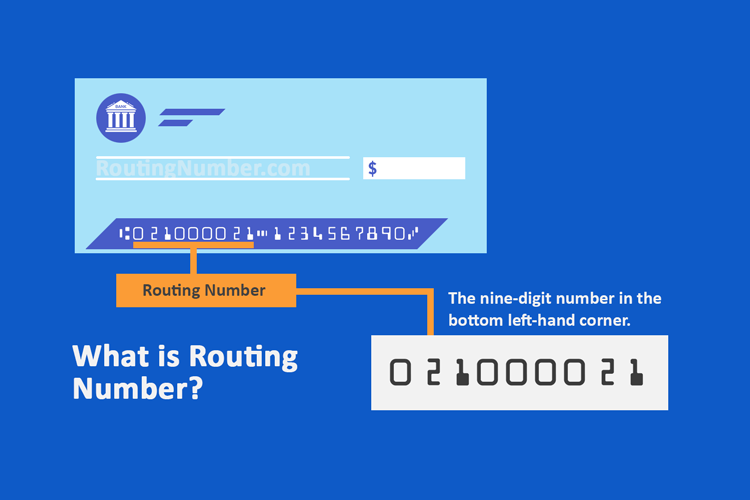
While digital transactions have become prevalent, paper checks still play a role in the financial ecosystem. When you write a check, your bank’s routing number is pre-printed at the bottom, usually as the first set of numbers on the left. This number, along with your account number and the check number, allows the clearing house to identify your bank and debit your account when the check is presented for payment. Even in an increasingly cashless society, the routing number remains fundamental to the traditional check clearing process, acting as a crucial identifier for the payer’s bank.

Locating Your Bank Routing Number
Knowing where to find your bank routing number is just as important as understanding its function. Fortunately, banks make this information readily accessible through various channels, ensuring you can quickly retrieve it whenever needed for a financial transaction.
Finding it on Your Checks
The most traditional and often quickest way to find your routing number is directly on your paper checks. Look at the bottom left-hand corner of your check. You’ll typically see three sets of numbers. The first set of nine digits is your routing number. It’s usually followed by your account number, and then the check number. It’s important to note that some banks might have different routing numbers for different types of transactions (e.g., checks vs. wire transfers), so always confirm if you’re unsure.
Online Banking and Mobile Apps
In the digital age, your online banking portal or mobile app is a reliable source for your routing information. After logging into your account, navigate to a section typically labeled “Account Details,” “Account Summary,” or “Direct Deposit Information.” Many banks display both the routing number and your account number prominently here. Mobile banking apps often have similar sections, providing quick access to these details on the go. This method is particularly convenient for those who don’t frequently use paper checks.
Contacting Your Bank Directly
If you’re unable to find your routing number through checks or online platforms, a direct query to your bank is always an option. You can call your bank’s customer service line or visit a local branch. A representative will be able to provide you with the correct routing number for your specific account and the type of transaction you intend to make. It’s always a good idea to confirm you have the correct routing number, especially if you have multiple accounts or if the transaction is time-sensitive.
Specific Scenarios for Different Account Types
It’s worth noting that a bank might have different routing numbers based on the account type (e.g., checking vs. savings) or for specific transaction types (e.g., ACH transfers vs. wire transfers). For instance, some financial institutions have a general routing number for ACH transactions and a different one for domestic wire transfers. If you have multiple accounts with the same bank, ensure you’re using the correct routing number associated with the specific account you wish to transact with. Always double-check with your bank if you are uncertain, especially for crucial transactions.
Protecting Your Financial Information: Security Considerations
While essential for financial transactions, sharing your bank routing number, like any other financial detail, requires a degree of caution. Understanding when and how to share this information, along with the potential risks and best practices for security, is vital in an era where digital fraud and identity theft are persistent threats.
When and How to Share Your Routing Number
Your bank routing number is not considered as sensitive as your full account number or your Social Security number, as it primarily identifies your bank, not your individual account. However, it’s typically combined with your account number to initiate transactions. You generally need to provide your routing number for legitimate purposes such as:
- Setting up direct deposit with your employer.
- Paying bills online through your bank’s bill pay service or directly with a merchant.
- Setting up automatic recurring payments from your account.
- Initiating wire transfers.
- Using third-party payment apps (though many only require linking your bank account through secure login).
Always share this information through secure channels, such as encrypted websites or directly with trusted entities. Avoid sharing it over unsecured public Wi-Fi networks or in response to unsolicited emails or messages.
Risks of Unauthorized Access
While a routing number alone cannot directly empty your bank account, combined with your account number, it can be used to initiate transactions. The primary risk lies in unauthorized ACH debits. If a fraudulent entity obtains both your routing and account number, they could potentially set up unauthorized withdrawals from your account. While federal regulations (like those governing the ACH network) offer protections against unauthorized debits, dealing with fraud can be time-consuming and stressful. Therefore, exercising prudence is key.
Best Practices for Digital Security
To mitigate risks, adhere to these best practices:
- Verify Recipients: Always confirm the legitimacy of any entity requesting your banking information.
- Secure Platforms: Only enter your routing and account numbers on secure websites (look for “https://” in the URL and a padlock symbol).
- Monitor Accounts: Regularly review your bank statements and transaction history for any unauthorized activity. Report discrepancies immediately.
- Strong Passwords: Use strong, unique passwords for your online banking accounts and enable two-factor authentication whenever possible.
- Be Skeptical of Phishing: Be wary of unsolicited emails, texts, or calls asking for your banking details. Banks will rarely ask for this information directly via these channels.
What to Do If Your Information is Compromised
If you suspect your routing and account numbers have been compromised, act swiftly:
- Contact Your Bank Immediately: Inform them of the potential breach. They can advise you on the next steps, which may include placing alerts on your account or even closing and reopening a new account.
- Review Transactions: Scrutinize your account for any unauthorized debits or transfers.
- Report to Authorities: File a report with the Federal Trade Commission (FTC) and, if necessary, with local law enforcement.
- Change Passwords: Update passwords for all your online banking and related financial accounts.
By understanding the nature of a bank routing number, its indispensable role in the financial ecosystem, and how to safeguard it, individuals and businesses can confidently navigate their financial transactions, ensuring security and peace of mind in an increasingly digital world. The unassuming nine-digit code is truly a testament to the structured precision required to keep our financial systems robust and reliable.
aViewFromTheCave is a participant in the Amazon Services LLC Associates Program, an affiliate advertising program designed to provide a means for sites to earn advertising fees by advertising and linking to Amazon.com. Amazon, the Amazon logo, AmazonSupply, and the AmazonSupply logo are trademarks of Amazon.com, Inc. or its affiliates. As an Amazon Associate we earn affiliate commissions from qualifying purchases.