
Cash App has become an indispensable financial tool for millions, simplifying everything from splitting dinner bills to receiving paychecks. Its intuitive interface and diverse features, ranging from peer-to-peer payments to investing in stocks and Bitcoin, have cemented its place in the modern financial landscape. However, beneath the sleek digital façade of this popular fintech application lies a complex web of traditional banking partnerships – a reality that often sparks a common, yet crucial, question: “What is the bank name for Cash App?”
For anyone managing their money through digital platforms, understanding the underlying financial infrastructure is paramount. It’s not merely a matter of curiosity; it speaks to the security of your funds, regulatory compliance, and the very foundation of trust you place in a financial service. This article delves into the banking relationships that empower Cash App, clarifying why this knowledge is vital for every user dedicated to informed personal finance and secure money management.
The Multi-Bank Infrastructure Behind Cash App
Unlike a traditional bank, Cash App itself is not a bank. It is a financial technology company that operates under the umbrella of its parent company, Block, Inc. (formerly Square, Inc.). As a non-bank entity, Cash App must partner with federally regulated financial institutions to provide banking services, issue debit cards, and ensure the security and compliance of user funds. This distributed model is common among modern fintech apps, allowing them to innovate on the user experience while leveraging the established regulatory framework and trust of traditional banks.
A Distributed Model, Not a Single Entity
The notion that a single bank underpins a vast financial service like Cash App is often a misconception. Instead, fintech companies typically forge strategic partnerships with multiple banks, each specializing in different aspects of their operations or catering to specific regulatory requirements across various jurisdictions. This modular approach allows for flexibility, scalability, and adherence to diverse financial regulations. For Cash App, this means that different services you use within the app might be backed by different financial institutions, though the experience remains seamless for the user. Understanding this multi-bank approach is fundamental to grasping how your money is handled.
The Primary Players: Sutton Bank and Lincoln Savings Bank
When you ask about Cash App’s bank, two names frequently surface as primary partners: Sutton Bank and Lincoln Savings Bank.
- Sutton Bank: Based in Attica, Ohio, Sutton Bank is a long-standing, FDIC-insured financial institution that plays a significant role in Cash App’s operations, particularly concerning the Cash Card (its Visa debit card). When you activate a Cash Card, it is often issued by Sutton Bank. This partnership enables Cash App to offer traditional banking services associated with a debit card, such as ATM withdrawals, point-of-sale transactions, and direct deposits. For many users, Sutton Bank is the direct link to the FDIC insurance that protects their deposited funds.
- Lincoln Savings Bank: Located in Reinbeck, Iowa, Lincoln Savings Bank is another key partner, also an FDIC-insured institution. While Sutton Bank is often associated with the Cash Card, Lincoln Savings Bank is frequently involved in other aspects of Cash App’s money management features, potentially including some direct deposit functionalities or specific state-level financial services. The involvement of multiple banks ensures that Cash App can maintain broad operational capabilities and regulatory coverage across the United States.
These partnerships are critical because they delegate the core responsibilities of holding and securing customer funds to regulated banks. This isn’t just a technicality; it’s the mechanism through which user funds gain the protection and oversight associated with the traditional banking system.
Why Does the Bank Name Matter for Your Money?
Knowing the names of the banks behind Cash App is more than just trivia; it’s a vital piece of information for responsible money management. It directly impacts the security of your funds, regulatory protections, and how you interact with the financial system. For any financial tool, transparency about where your money resides is a cornerstone of trust.
FDIC Insurance and Fund Security
The most significant reason why the bank name matters relates directly to FDIC (Federal Deposit Insurance Corporation) insurance. The FDIC is an independent agency of the United States government that protects depositors of insured banks against the loss of their insured deposits in the event of a bank failure. Each depositor is insured up to at least $250,000 per insured bank, per ownership category.
Because Cash App partners with FDIC-insured banks like Sutton Bank and Lincoln Savings Bank, funds held in your Cash App balance that are attributable to these accounts are eligible for FDIC pass-through insurance. This means that, should one of these underlying banks fail, your money, up to the insured limit, is protected. Without this partnership, your funds within a fintech app might not have the same level of federal protection, exposing your money to greater risk. This insurance is a critical safety net for your personal finances, providing peace of mind that your digital dollars are as secure as those in a traditional bank account.
Regulatory Compliance and Consumer Protection
Partnering with federally regulated banks ensures that Cash App’s financial operations adhere to stringent banking laws and regulations. These regulations are designed to protect consumers, prevent financial crime (like money laundering), and maintain the stability of the financial system. When a fintech company partners with a chartered bank, it effectively extends the bank’s regulatory compliance framework to its own services.
This compliance means that your money is handled according to established industry standards, and you benefit from the consumer protection measures that govern traditional banking. It dictates how your account information is secured, how transactions are processed, and how disputes are handled. For anyone concerned with the safety and legitimate handling of their financial assets, knowing that regulated banks are involved provides an essential layer of assurance and accountability.
Understanding Transaction Flows and Account Details

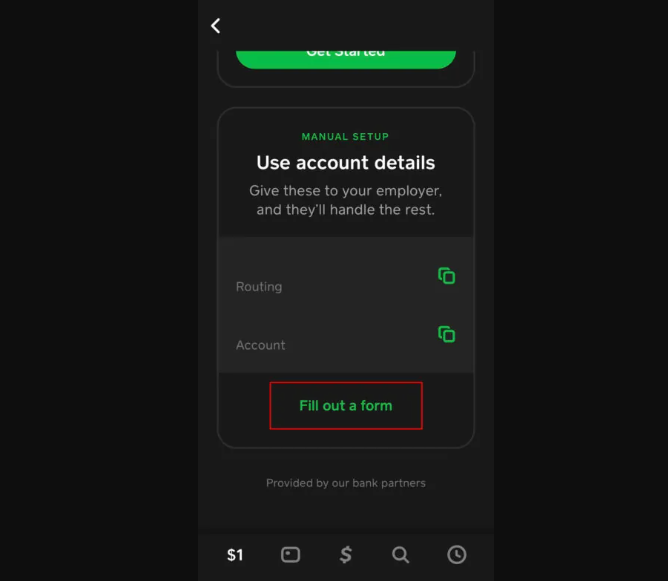
Knowing the bank names can also help users better understand the journey of their money. When you initiate a direct deposit to your Cash App, for instance, the routing and account numbers provided will often correspond to one of these partner banks. This clarifies where your employer or other parties are sending your funds before they appear in your Cash App balance. Similarly, if you link your Cash Card to external services for bill payments or subscriptions, the issuing bank will be Sutton Bank, which helps in identifying transactions on your statements or resolving any discrepancies. This clarity can be invaluable for budgeting, reconciliation, and managing your financial records, ensuring you have a complete picture of your money’s movements.
Cash App’s Evolution and Your Financial Relationship
Cash App has evolved far beyond its initial purpose as a simple peer-to-peer payment service. Today, it stands as a comprehensive financial tool, integrating various services that deepen its relationship with users’ overall financial health. This expansion further underscores the importance of its banking partnerships.
Beyond P2P: Direct Deposits, Investing, and Bitcoin
The transformation of Cash App into a multi-faceted financial platform has made its underlying banking relationships even more critical. Users can now set up direct deposit, effectively using Cash App as a primary account for their income. This means a significant portion of their money flow directly into the app, making the security and regulatory compliance provided by Sutton Bank and Lincoln Savings Bank indispensable.
Furthermore, Cash App allows users to invest in fractional shares of stocks and buy and sell Bitcoin. While these specific investment features are typically handled by other regulated entities (e.g., brokerage firms for stocks, and Cash App’s own platform for Bitcoin), the initial funding and withdrawal of cash for these activities often flow through the linked bank accounts. This integration positions Cash App as a central hub for personal finance, from day-to-day spending to long-term wealth building, all reliant on a secure banking foundation.
Linking External Accounts and Trust
Cash App’s utility is significantly enhanced by its ability to link seamlessly with external bank accounts and debit cards. Whether you’re funding your Cash App balance from your primary checking account or transferring funds from Cash App to another bank, these transactions are facilitated through secure channels often involving the partner banks. The trust users place in Cash App to securely move money between different financial institutions is partly derived from the knowledge that these transactions are governed by established banking protocols and backed by regulated entities. This interwoven relationship ensures that Cash App can act as a reliable bridge in your broader financial ecosystem.
Future of Fintech and Traditional Banking Synergy
The collaboration between Cash App and its partner banks is a prime example of the powerful synergy between fintech innovation and traditional banking infrastructure. Fintech companies bring agility, user-centric design, and cutting-edge technology, while traditional banks provide the regulatory compliance, robust security, and the trust established over decades (and sometimes centuries). This partnership model is shaping the future of money and financial services, making sophisticated financial tools more accessible and user-friendly, all while maintaining crucial safeguards for user funds.
Practical Implications for Cash App Users
Understanding the banking names behind Cash App isn’t just theoretical; it has practical implications for how you manage your money and interact with the service.
Resolving Issues and Customer Support
While Cash App’s customer support is typically the first point of contact for any issues, there might be specific scenarios where knowing the underlying bank could be relevant. For instance, if you’re disputing a transaction on your Cash Card, understanding that it’s issued by Sutton Bank provides context for how those disputes are processed under Visa/Mastercard rules and banking regulations. Similarly, if you’re dealing with direct deposit issues, the involvement of Lincoln Savings Bank or Sutton Bank might influence the information needed to trace funds or communicate with your employer’s payroll department. Having this information empowers you to ask more targeted questions and understand the financial pathways involved.
Tax Reporting and Financial Records
For individuals using Cash App for business transactions, receiving income, or engaging in significant investment activities, accurate financial record-keeping is essential, especially for tax purposes. Bank names may appear on statements or transaction histories provided by Cash App, or might be necessary for certain financial reconciliations. Knowing which institution is involved can help in organizing your financial data, preparing tax documents, and maintaining a clear audit trail of your money movements, ensuring compliance and preventing potential financial discrepancies.

Making Informed Financial Decisions
Ultimately, knowing the bank names for Cash App contributes to a more informed approach to managing your personal finance. It allows you to:
- Assess risk: Understand how your funds are protected by FDIC insurance.
- Understand accountability: Recognize that regulated financial institutions are part of the service.
- Navigate the financial landscape: Better comprehend the mechanisms through which your money moves and is secured in the digital economy.
This knowledge empowers you to make more confident and secure financial decisions, not just with Cash App, but with any fintech service you choose to integrate into your financial life.
In conclusion, Cash App is a powerful financial tool, and its strength is significantly bolstered by its strategic partnerships with traditional, FDIC-insured banks like Sutton Bank and Lincoln Savings Bank. These relationships are the bedrock of its security, regulatory compliance, and the trust millions of users place in the platform for managing their money. By understanding this intricate financial infrastructure, users gain a deeper appreciation for the safety and robustness of their favorite P2P service, transforming a simple question into a critical insight for informed personal finance.
aViewFromTheCave is a participant in the Amazon Services LLC Associates Program, an affiliate advertising program designed to provide a means for sites to earn advertising fees by advertising and linking to Amazon.com. Amazon, the Amazon logo, AmazonSupply, and the AmazonSupply logo are trademarks of Amazon.com, Inc. or its affiliates. As an Amazon Associate we earn affiliate commissions from qualifying purchases.