
The role of a pharmacy technician has evolved from a basic support position into a critical pillar of the modern healthcare infrastructure. For those evaluating this career path through a financial lens, understanding the earning potential is about more than just looking at a single median figure. It requires a deep dive into geographic variables, institutional settings, and the long-term return on investment (ROI) associated with certification and specialized training. As the demand for pharmaceutical services continues to rise alongside an aging population, the financial landscape for pharmacy technicians is becoming increasingly dynamic.

The Financial Landscape of the Pharmacy Technician Profession
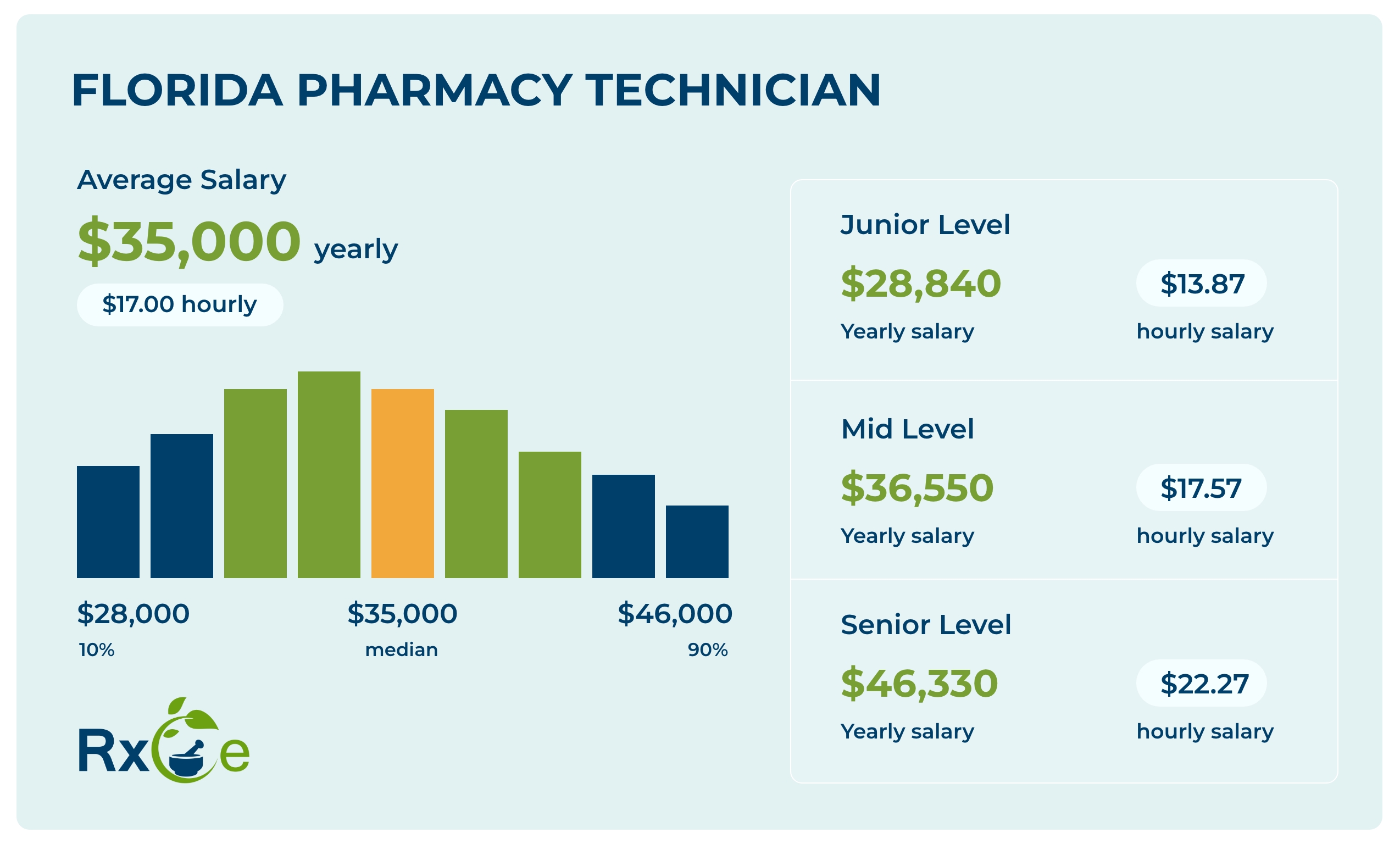
When assessing the average salary for a pharmacy technician, it is essential to establish a baseline using contemporary labor statistics. In the current economic climate, the national median annual wage for pharmacy technicians fluctuates between $37,000 and $43,000, which translates to an hourly rate of approximately $18.00 to $21.00. However, these figures represent the middle of the bell curve; the spectrum of earnings is broad, with entry-level positions starting closer to $30,000 and seasoned, highly specialized technicians earning upwards of $55,000 to $60,000.
Breaking Down the National Average
The “average” salary is often a composite of various data points that can be misleading if not scrutinized. Most pharmacy technicians enter the field in retail environments, where the starting pay is typically on the lower end of the spectrum. Conversely, those working in government agencies or outpatient care centers often pull the average upward. When analyzing your potential income, it is helpful to look at the percentile rankings: the lowest 10 percent of earners may bring home less than $29,000, while the top 10 percent exceed $50,000. This disparity highlights the importance of career positioning and continuous professional development as a means of moving into higher-earning brackets.
Total Compensation vs. Base Pay
In the realm of personal finance, one must distinguish between base salary and total compensation. Many pharmacy technicians, particularly those employed by large hospital systems or federal institutions like the Department of Veterans Affairs, receive robust benefits packages that significantly enhance their net worth. These packages often include employer-sponsored health insurance, 401(k) matching programs, paid time off, and tuition reimbursement. For a technician, a job offering $20 an hour with a 5% retirement match and low-deductible insurance may be financially superior to a $23-an-hour role with no benefits. When calculating the “average salary,” it is wise to quantify these perks as they contribute to long-term financial stability.
Geographic Arbitrage: How Location Dictates Your Earning Potential
In any profession, where you live is often the single greatest determinant of your take-home pay. For pharmacy technicians, geographic location creates a massive variance in salary, driven by local demand, state regulations regarding technician duties, and the local cost of living. This is where “geographic arbitrage”—the practice of working in a high-pay area while managing expenses effectively—comes into play for the savvy financial planner.
High-Growth States and Metros
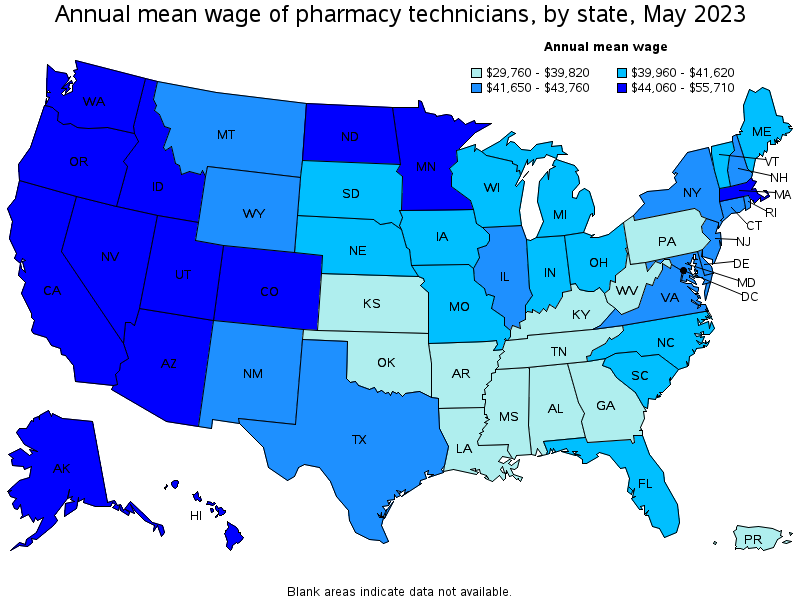
Data consistently shows that certain states offer significantly higher compensation than the national average. States like California, Washington, Alaska, and Oregon often lead the pack, with average salaries frequently crossing the $45,000 to $50,000 threshold. In metropolitan hubs such as San Francisco or Seattle, it is not uncommon for experienced technicians to earn hourly wages exceeding $30. These regions have high barriers to entry, often requiring stricter licensing and higher levels of responsibility, which in turn commands a premium in the labor market.
Factoring in the Cost of Living
While a $50,000 salary in California sounds impressive compared to $35,000 in a Midwestern state, the “real” value of that money depends on purchasing power. A pharmacy technician in a high-cost urban area may find that housing, transportation, and taxes consume a larger percentage of their income than a peer in a more affordable region. When evaluating the average salary, professionals must calculate their “disposable income” after essential expenses. In some cases, moving to a state with no income tax or a lower cost of housing can result in a higher standard of living, even if the nominal salary appears lower on paper.
Industry Segments: Where the Money Is
The environment in which a pharmacy technician works is perhaps the second most influential factor in determining their salary. The pharmacy world is not a monolith; it is divided into distinct sectors, each with its own budget constraints and compensation philosophies.
Retail vs. Hospital Environments
The majority of pharmacy technicians are employed in retail settings, such as independent pharmacies or large chains like CVS and Walgreens. Retail environments typically offer the most accessible entry point but often feature the lowest average salaries. Because these businesses operate on thin margins and face significant pressure from insurance reimbursements, wage growth can be slower.
In contrast, hospital and health-system pharmacies generally offer higher compensation. Inpatient technicians often handle more complex tasks, such as preparing intravenous (IV) medications, managing automated dispensing machines, and working in sterile compounding environments. These specialized skills are rewarded with higher hourly rates. Furthermore, hospitals often provide shift differentials—extra pay for working nights, weekends, or holidays—which can add several thousand dollars to an annual salary.
Non-Traditional Settings and Niche Opportunities
For those seeking to maximize their income, non-traditional pharmacy settings offer some of the highest salaries in the field. These include:
- Nuclear Pharmacy: Technicians who assist in preparing radioactive drugs for diagnostic or therapeutic purposes often earn at the top of the pay scale due to the specialized training and safety protocols involved.
- Mail-Order Pharmacies: Large-scale fulfillment centers often offer competitive pay and more structured corporate advancement paths.
- Pharmaceutical Manufacturing: Working in the production or quality control side of the industry can lead to higher wages and more traditional corporate-style bonuses.
- Long-Term Care Facilities: Providing pharmacy services to nursing homes and assisted living centers often pays more than standard retail due to the clinical complexity of the patient population.
Strategies for Increasing Your Earning Power
A pharmacy technician’s salary is not fixed. Like any financial asset, your “human capital” can be cultivated to produce higher returns. Taking a proactive approach to your career can help you move from the average salary bracket into the top tier of earners.
The Value of Certification and Specialization
While some states do not require national certification, obtaining the Certified Pharmacy Technician (CPhT) credential through the Pharmacy Technician Certification Board (PTCB) or the National Healthcareer Association (NHA) is a major financial milestone. Certified technicians almost universally earn higher wages than their non-certified counterparts.
Beyond the initial CPhT, advanced certifications are becoming the new gold standard for high earners. Specializing in areas like sterile compounding, medication therapy management (MTM), or pharmacy informatics can make a technician indispensable. As pharmacies take on more clinical responsibilities, technicians with specialized knowledge can negotiate for higher-level roles, such as “Lead Technician” or “Pharmacy Tech Supervisor,” which come with significant pay raises.
Mastering the Art of Salary Negotiation
Many pharmacy technicians accept the initial offer presented to them, but in the world of personal finance, everything is negotiable. When entering a new role or approaching an annual review, technicians should come prepared with market data. By documenting their contributions—such as improving inventory turnover, reducing medication errors, or streamlining workflow—they can build a business case for a salary increase. Understanding the local market rate and being willing to move to a competing employer can also provide the leverage necessary to secure a raise.
Long-Term Financial Outlook and Career ROI
When analyzing the average salary for a pharmacy technician, it is important to consider the “Return on Investment.” Unlike many professions that require four-year degrees and significant student loan debt, pharmacy technician training is relatively inexpensive and fast. Many technicians complete their training through vocational programs or on-the-job training in less than a year.
The Debt-to-Income Advantage
From a financial planning perspective, the pharmacy technician path offers a very favorable debt-to-income ratio. If an individual spends $3,000 on a certificate program and begins earning $38,000 a year, they can achieve a “break-even” point on their education investment within months. This allows for earlier entry into the workforce and the ability to begin contributing to retirement accounts or saving for a home much sooner than those pursuing longer academic paths.
A Stepping Stone to Higher Income
Finally, the role of a pharmacy technician often serves as a financial and professional springboard. Many use the experience and income to bridge the gap toward becoming a licensed pharmacist, a registered nurse, or a healthcare administrator—roles that command six-figure salaries. Even for those who choose to remain in the field, the move into corporate pharmacy roles, such as district management or implementation specialists for pharmacy software companies, offers a path to continued income growth.
In conclusion, while the average salary for a pharmacy technician provides a useful snapshot, it is a figure that can be greatly influenced by the choices an individual makes. By focusing on high-paying geographic regions, seeking out specialized institutional roles, and investing in advanced certifications, a pharmacy technician can build a stable and lucrative career in the heart of the healthcare economy. As the financial landscape of medicine continues to shift, those who view their technical skills as a business asset will be best positioned to capitalize on the opportunities ahead.
aViewFromTheCave is a participant in the Amazon Services LLC Associates Program, an affiliate advertising program designed to provide a means for sites to earn advertising fees by advertising and linking to Amazon.com. Amazon, the Amazon logo, AmazonSupply, and the AmazonSupply logo are trademarks of Amazon.com, Inc. or its affiliates. As an Amazon Associate we earn affiliate commissions from qualifying purchases.