
For many aspiring investors and seasoned savers alike, the Roth IRA stands out as a powerful tool in their retirement planning arsenal. Its unique tax-advantaged structure offers the promise of tax-free growth and withdrawals in retirement, making it incredibly appealing. However, a common question often arises: “What is the average Roth IRA rate of return?” The answer, while seemingly straightforward, is nuanced and depends on a multitude of factors, making it less about a single fixed number and more about understanding the dynamics of investing itself.
This article will delve into the complexities of Roth IRA returns, dissecting what influences them, how to benchmark performance, and strategies to optimize your investment growth within this beneficial account.
Understanding the Roth IRA Basics
Before we can effectively discuss rates of return, it’s crucial to have a firm grasp of what a Roth IRA is and why it’s such a valuable investment vehicle.
What is a Roth IRA?
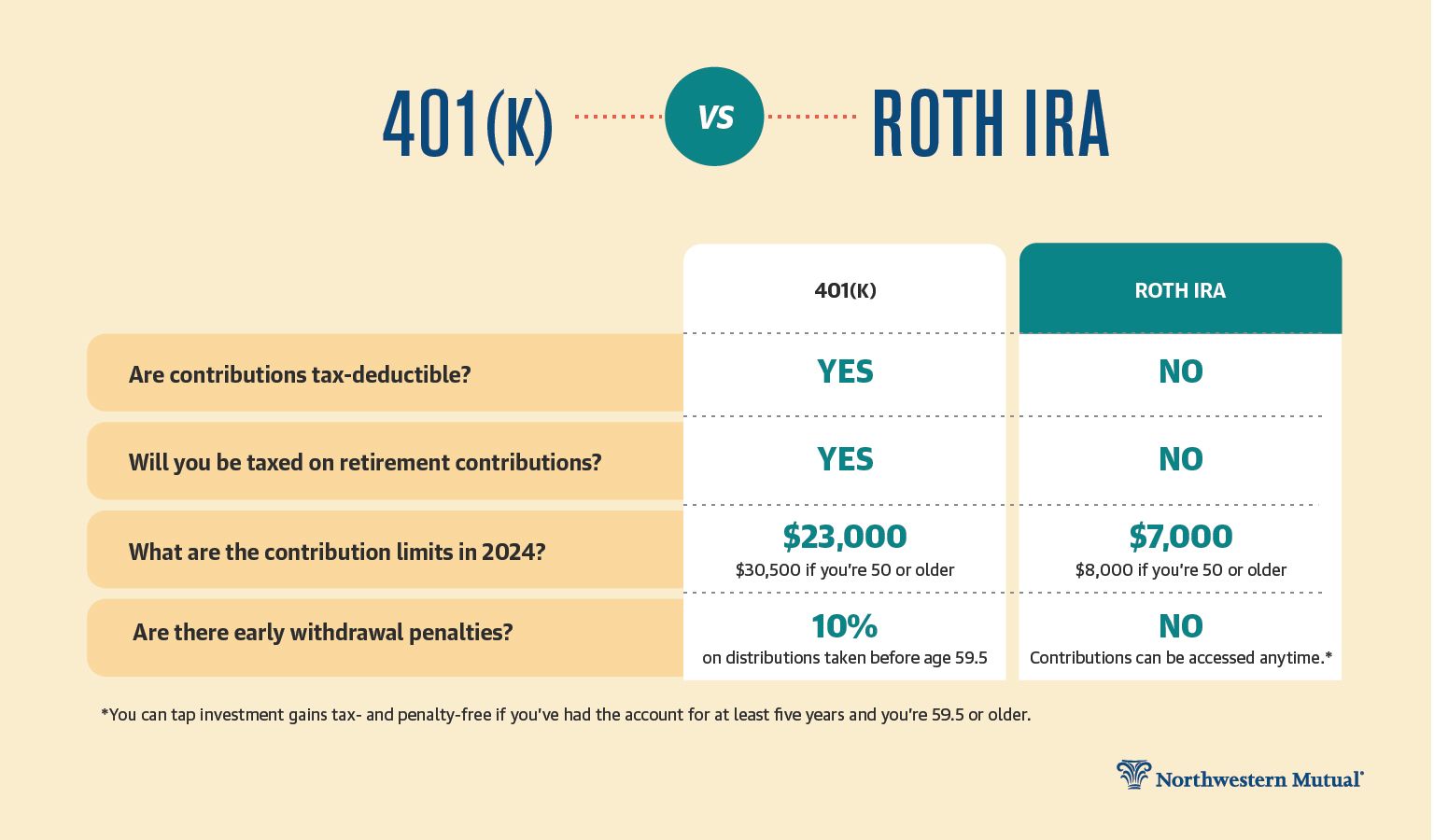
A Roth IRA (Individual Retirement Arrangement) is a retirement savings account that allows your investments to grow tax-free and withdrawals in retirement to be tax-free, provided certain conditions are met (e.g., account open for 5 years and you are over 59 ½). The defining characteristic is that contributions are made with after-tax dollars. This means you don’t get an immediate tax deduction for your contributions, unlike a traditional IRA. Instead, you enjoy the immense benefit of never paying taxes on your qualified withdrawals during retirement, which can be a significant advantage, especially if you expect to be in a higher tax bracket in your golden years.
Key Benefits of a Roth IRA
Beyond the tax-free withdrawals, Roth IRAs offer several compelling advantages:
-
Tax-Free Growth and Withdrawals: This is the cornerstone benefit. All earnings and qualified withdrawals are entirely tax-free.
-
No Required Minimum Distributions (RMDs) for the Original Owner: Unlike traditional IRAs, Roth IRAs don’t force you to start withdrawing money at a certain age (currently 73), allowing your money to continue growing tax-free for as long as you live.
-
Flexibility with Contributions: You can withdraw your contributions (not earnings) at any time, for any reason, tax-free and penalty-free. This can act as an emergency fund, though it’s generally not recommended to dip into retirement savings.
-
Estate Planning Advantages: Roth IRAs can be excellent estate planning tools, as beneficiaries can continue to benefit from tax-free withdrawals (though they are subject to RMDs).
These benefits underscore why maximizing your Roth IRA contributions is often a cornerstone of a robust financial plan, making understanding its potential returns all the more critical.
Deconstructing “Average Rate of Return” for Roth IRAs
When people ask about the “average” rate of return for a Roth IRA, they’re often seeking a simple, definitive percentage. However, the reality is far more intricate. There isn’t a single, universal average for a Roth IRA because its performance is not dictated by the account type itself, but by the investment choices within the account.
Why There’s No Single “Average” Rate
A Roth IRA is merely a wrapper for your investments. You can hold a wide variety of assets inside it, including stocks, bonds, mutual funds, exchange-traded funds (ETFs), and more. Each of these investments has its own risk profile and potential for return. Therefore, the “average rate of return” for your Roth IRA will directly reflect the performance of the specific assets you choose to invest in. A Roth IRA invested entirely in a conservative money market fund will perform vastly differently from one invested aggressively in growth stocks.
Historical Market Performance as a Benchmark
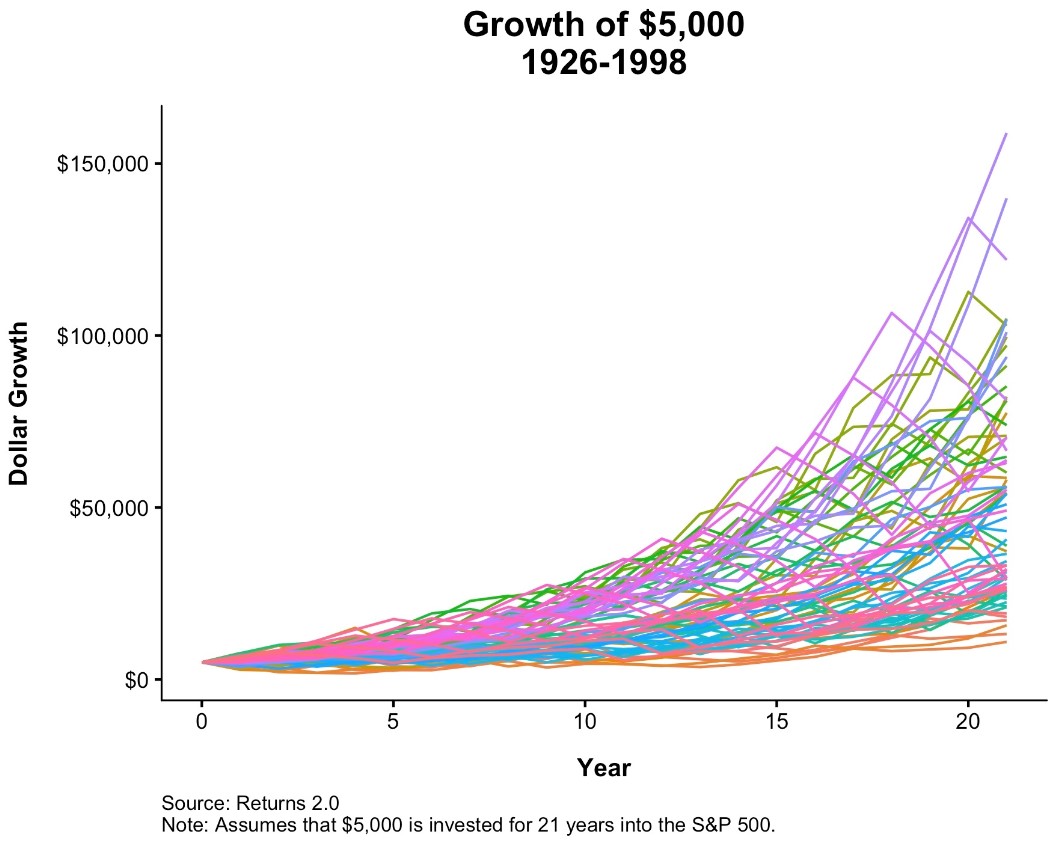
While there’s no specific “Roth IRA” average return, we can look to historical market performance as a general benchmark for diversified portfolios. The U.S. stock market, as measured by indices like the S&P 500, has historically generated an average annual return of approximately 10-12% over long periods (e.g., several decades). This figure is often cited, but it’s crucial to remember a few caveats:
-
Past performance is not indicative of future results. Markets fluctuate, and there will be periods of both exceptional growth and significant downturns.
-
This average includes dividends and reinvestment.
-
It’s an average over many years. Individual years can deviate wildly from this average. For instance, some years might see returns of 20% or more, while others might experience losses.
For a balanced portfolio that includes a mix of stocks and bonds, a more conservative long-term average might be in the range of 6-8% annually, factoring in the lower volatility and returns typically associated with bonds.
The Impact of Investment Selection
Your choice of investments within your Roth IRA is the most significant determinant of your actual return.
-
Stocks: Historically offer the highest returns but come with higher volatility. Investing in individual stocks, stock mutual funds, or stock ETFs can align your Roth IRA with market averages, or potentially outperform or underperform depending on specific selections.
-
Bonds: Generally provide lower, more stable returns than stocks, acting as a buffer during market downturns. Bond funds or individual bonds can be part of a diversified portfolio, especially as you approach retirement.
-
Mutual Funds and ETFs: These pooled investment vehicles offer diversification and professional management (for actively managed funds) or track an index (for passively managed funds). Index funds tracking broad markets like the S&P 500 are popular choices for Roth IRAs due to their low costs and ability to capture market returns.
-
Target-Date Funds: These are a “set it and forget it” option, automatically adjusting their asset allocation to become more conservative as you approach your target retirement year. Their returns will depend on the underlying investments and how aggressive or conservative their glide path is.
Factors Influencing Your Roth IRA’s Performance
Beyond the specific investments you select, several other critical factors play a role in shaping your Roth IRA’s ultimate rate of return.
Asset Allocation and Diversification
The way you divide your investments among different asset classes (e.g., stocks, bonds, real estate) is known as asset allocation. A well-diversified portfolio, which spreads investments across various industries, geographies, and asset types, helps mitigate risk without necessarily sacrificing returns. A higher allocation to stocks typically means higher potential returns (and higher risk), while a higher allocation to bonds generally means lower returns but less volatility. Your ideal allocation will depend on your age, risk tolerance, and time horizon.
Time Horizon and Compounding
The longer your money stays invested, the more powerful compounding becomes. Compounding is the process where your earnings generate their own earnings. Over decades, even modest annual returns can grow into substantial sums due to this exponential effect. A long time horizon allows your portfolio to recover from market downturns and benefit from the overall upward trend of the market. Investors with decades until retirement have a significant advantage in weathering market volatility.
Contribution Habits
Consistent contributions are paramount. By regularly adding funds to your Roth IRA, you not only increase the amount available for investment but also benefit from dollar-cost averaging. This strategy involves investing a fixed amount of money at regular intervals, regardless of market fluctuations. When prices are high, you buy fewer shares; when prices are low, you buy more. Over time, this can lead to a lower average cost per share and potentially higher returns compared to trying to time the market.
Fees and Expenses
Investment fees, even seemingly small ones, can significantly erode your returns over the long term. These can include:
-
Expense Ratios: The annual fee charged by mutual funds and ETFs, expressed as a percentage of your invested assets. A fund with a 1.0% expense ratio will yield 1% less annually than an identical fund with a 0.05% expense ratio.
-
Trading Fees: Charges for buying or selling individual stocks or certain ETFs, though many brokerages now offer commission-free trading.
-
Advisory Fees: If you work with a financial advisor who manages your Roth IRA, their fees (often 0.5% to 1.5% of assets under management annually) will directly reduce your net return.
Minimizing these costs is a straightforward way to boost your actual rate of return.
Market Volatility and Economic Cycles
Markets are inherently cyclical, experiencing periods of expansion, contraction, and recovery. Your Roth IRA’s performance will be subject to these broader economic forces. Bear markets (periods of sustained decline) can be unsettling, but for long-term investors, they often present opportunities to buy assets at lower prices. The key is to stay invested, avoid emotional decisions, and adhere to your long-term investment strategy.
Strategies to Optimize Your Roth IRA Returns
While you can’t control the market, you can certainly influence your Roth IRA’s potential for robust returns through strategic planning and consistent execution.
Maximize Contributions Annually
Each year, the IRS sets limits on how much you can contribute to a Roth IRA. Contributing the maximum amount allowable each year (if your income permits and you qualify) is one of the most effective ways to accelerate your wealth accumulation. More money invested earlier means more time for compounding to work its magic.
Invest for the Long Term
Patience is a virtue in investing. Trying to predict short-term market movements is notoriously difficult and often leads to suboptimal results. Adopting a buy-and-hold strategy, focused on long-term growth, allows your investments to ride out market volatility and capture the historical upward trend of asset classes like stocks. Avoid the temptation to panic sell during downturns, as this often locks in losses and prevents participation in subsequent recoveries.
Regularly Rebalance Your Portfolio
Over time, the performance of different asset classes can shift your portfolio’s original allocation. For example, if stocks have a great run, they might come to represent a larger percentage of your portfolio than you initially intended. Rebalancing involves periodically adjusting your holdings back to your target asset allocation (e.g., selling some overperforming assets and buying underperforming ones). This helps manage risk and ensures your portfolio remains aligned with your long-term goals.
Keep Investment Costs Low
As discussed, fees eat into returns. Prioritize low-cost index funds and ETFs that track broad market indices. These funds typically have expense ratios that are a fraction of actively managed funds, allowing you to keep more of your investment gains. Many online brokerages also offer a wide selection of commission-free ETFs and mutual funds.
Consider Professional Guidance
For those who feel overwhelmed by investment choices or who have complex financial situations, a qualified financial advisor can provide valuable assistance. They can help you determine your risk tolerance, create a suitable asset allocation strategy, select appropriate investments, and keep you on track. However, be mindful of their fees and ensure they are fiduciaries, meaning they are legally obligated to act in your best interest.
The Tax-Free Advantage: More Than Just Returns
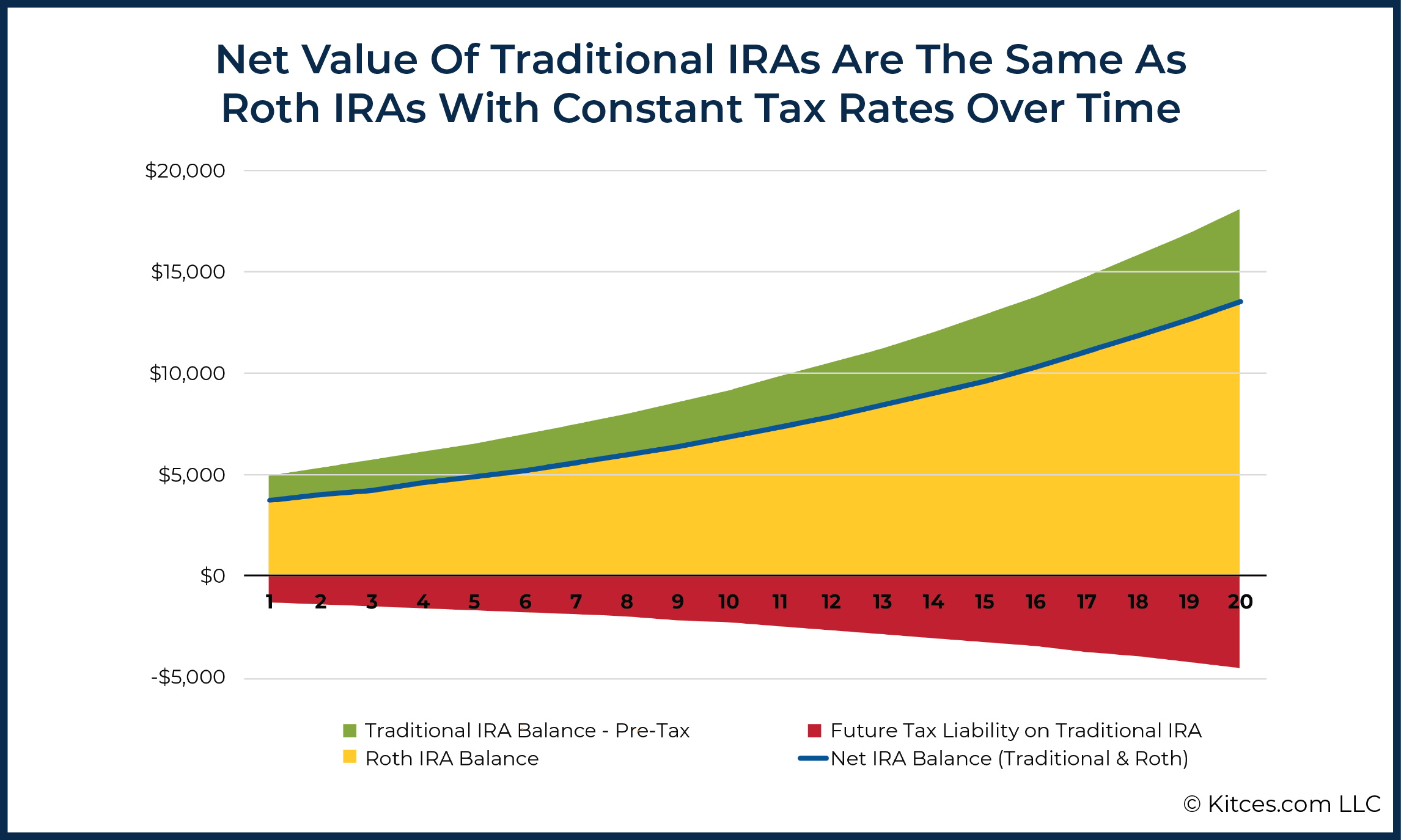
While focusing on the “average rate of return” is important, it’s essential to remember that the Roth IRA’s true power isn’t solely in its raw percentage growth, but in the tax-free nature of that growth and withdrawal.
Tax-Free Growth and Withdrawals in Retirement
Imagine your Roth IRA growing at an average of 8% annually for 30 years. If you had invested in a taxable account, you’d owe capital gains taxes on your profits and potentially taxes on dividends each year. With a Roth IRA, all that growth is shielded from taxes, both during the accumulation phase and, crucially, during retirement. This means that a 7% tax-free return in a Roth IRA can be equivalent to a significantly higher return in a taxable account, depending on your tax bracket in retirement. This can translate into hundreds of thousands, or even millions, of dollars saved in taxes over your lifetime.
Flexibility and Emergency Access (Under Specific Conditions)
One often-overlooked benefit is the ability to withdraw your original contributions from a Roth IRA at any time, for any reason, tax-free and penalty-free. While not an ideal emergency fund, this feature offers a layer of liquidity and peace of mind that most other retirement accounts do not. This flexibility can be particularly appealing to younger investors.
Estate Planning Benefits
For those looking to leave a legacy, a Roth IRA can be a highly efficient way to transfer wealth. Your beneficiaries (spouse or non-spouse) can inherit the Roth IRA and continue to enjoy tax-free withdrawals, subject to certain distribution rules. This allows the legacy of tax-free growth to continue, potentially for many years after your passing.
Conclusion
So, what is the average Roth IRA rate of return? It’s not a fixed number you can simply look up. Instead, it’s a dynamic outcome shaped by your investment choices, asset allocation, time horizon, contribution discipline, and fee management. While historical stock market averages suggest a long-term potential of 8-12% annually for well-diversified portfolios, your personal Roth IRA return will reflect your specific journey within the market.
The true genius of the Roth IRA lies not just in its ability to generate returns, but in its unparalleled tax-free growth and withdrawal advantages. By understanding the factors that drive investment performance and implementing smart strategies—like maximizing contributions, investing for the long term, diversifying wisely, and minimizing fees—you can harness the full power of your Roth IRA to build substantial wealth for a secure and tax-free retirement. The focus should always be on maximizing your net return, after all taxes and fees, and in that regard, the Roth IRA is often an unbeatable champion.
aViewFromTheCave is a participant in the Amazon Services LLC Associates Program, an affiliate advertising program designed to provide a means for sites to earn advertising fees by advertising and linking to Amazon.com. Amazon, the Amazon logo, AmazonSupply, and the AmazonSupply logo are trademarks of Amazon.com, Inc. or its affiliates. As an Amazon Associate we earn affiliate commissions from qualifying purchases.