
The automotive landscape has undergone a seismic shift over the last decade, with Tesla standing at the epicenter of the electric vehicle (EV) revolution. For potential buyers and investors, understanding the average price of a Tesla is no longer as simple as looking at a static sticker price. Because Tesla employs a unique direct-to-consumer sales model and frequently adjusts its pricing based on supply chain logistics, federal incentives, and market demand, the financial reality of owning one is a dynamic calculation.
In the current market, the average transaction price for a Tesla fluctuates significantly depending on the model, configuration, and available tax credits. However, when evaluating these vehicles from a personal finance perspective, the purchase price is only the beginning. To truly understand the “average price,” one must factor in the total cost of ownership (TCO), depreciation curves, and the impact of government subsidies on the bottom line.
Decoding the Current Tesla MSRP Landscape
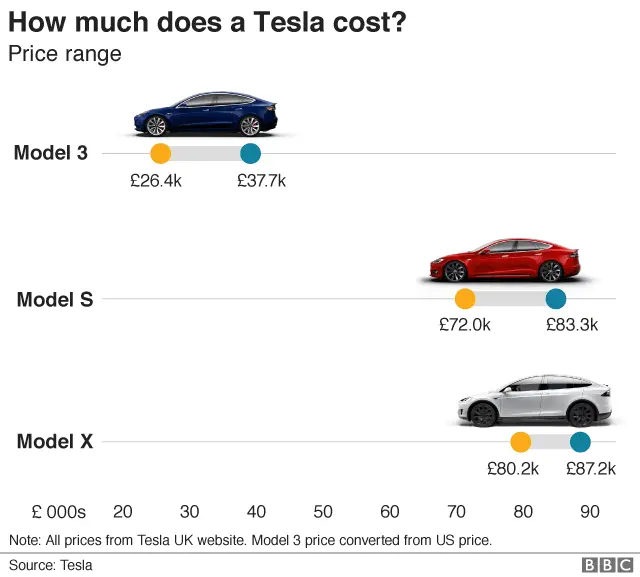
As of 2024, Tesla’s lineup spans a wide spectrum of price points, catering to both the mass-market consumer and the luxury performance enthusiast. To arrive at an average price, we must look at the four primary models currently in high-volume production.
The Model 3: The Entry-Level Financial Anchor
The Model 3 remains the most affordable entry point into the Tesla ecosystem. Currently, the manufacturer’s suggested retail price (MSRP) for a base Rear-Wheel Drive Model 3 starts in the neighborhood of $39,000 to $42,000. For those seeking the Long Range or Performance variants, the price climbs into the $47,000 to $54,000 range. From a budgeting perspective, the Model 3 represents the “floor” of the Tesla pricing structure, making it the primary driver for bringing the brand’s average transaction price down toward the national average for new vehicles.
The Model Y: The Mid-Range Volume Leader
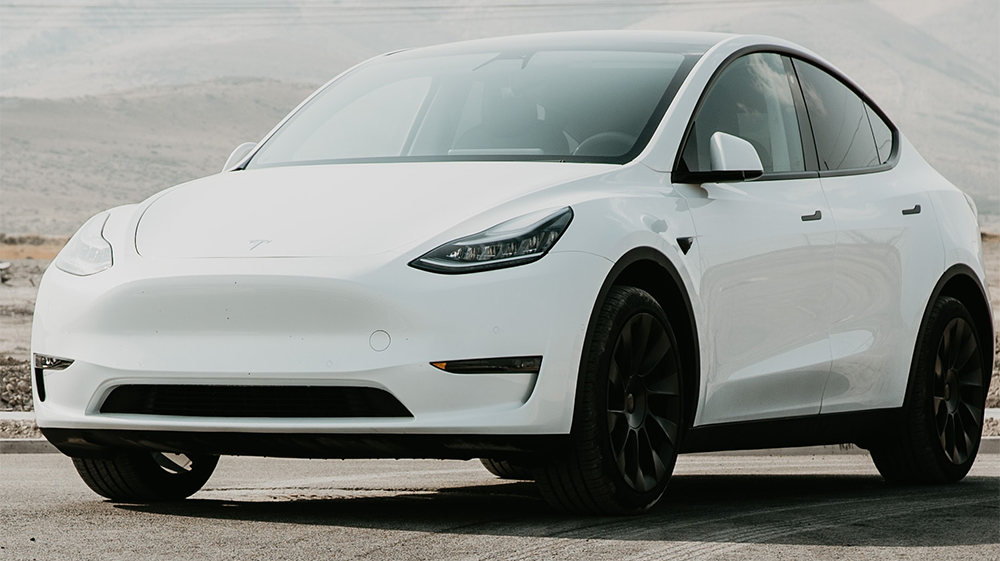
The Model Y has recently claimed the title of the world’s best-selling vehicle, and its pricing reflects its position as a versatile family crossover. Prices generally start around $43,000 for the base model and can exceed $52,000 for the Performance trim. Because the Model Y shares a platform with the Model 3 but commands a slight premium, it occupies the “sweet spot” in Tesla’s revenue model. For most consumers, the “average” price of a Tesla is most accurately represented by a mid-trim Model Y.
The Model S and Model X: The Premium Tier
At the higher end of the spectrum, the Model S sedan and Model X SUV represent the luxury side of the brand. The Model S typically starts around $75,000, while the Plaid performance variant can soar past $90,000. The Model X, with its complex Falcon Wing doors, starts near $80,000 and can reach over $95,000. While these models sell in lower volumes than the 3 and Y, their high price tags significantly pull the mathematical average upward.
Factors Influencing the True Transaction Price
Calculating the average price of a Tesla requires looking beyond the base MSRP. Tesla is famous—and sometimes infamous—for its dynamic pricing strategy, which functions more like a tech gadget’s pricing than a traditional car’s.
The Impact of Dynamic Pricing
Unlike traditional dealerships where “haggling” is the norm, Tesla sets a fixed price on its website. However, that price can change overnight. In 2023 and early 2024, Tesla implemented several aggressive price cuts to maintain market share amidst rising interest rates. These fluctuations mean that two neighbors with identical cars might have paid prices differing by as much as $10,000 depending on the month of purchase. This volatility is a critical consideration for those concerned about immediate equity in their vehicle.
Software and Add-ons: The Invisible Costs
The “price” of a Tesla often includes high-margin software upgrades. Full Self-Driving (FSD) capability has historically fluctuated between $8,000 and $15,000 as a one-time purchase, or a monthly subscription fee. When analyzing the average price paid, one must consider that a significant percentage of owners opt for these digital additions, as well as physical upgrades like premium paint colors, larger wheels, or white interior trims, which can easily add $5,000 to $10,000 to the base price.
Inventory Discounts and Referrals
Tesla often provides “inventory discounts” on vehicles that are already produced and sitting at delivery centers. These discounts can range from $500 to $5,000. Additionally, referral programs frequently offer credits or price reductions. For the savvy buyer, the average price paid is often a few percentage points below the headline MSRP found on the custom order page.
The Role of Federal and State Financial Incentives
In the United States, the effective price of a Tesla is heavily influenced by the Inflation Reduction Act (IRA). For many buyers, the average price is not what they pay the manufacturer, but rather the net cost after tax interventions.
The Federal EV Tax Credit (Section 30D)
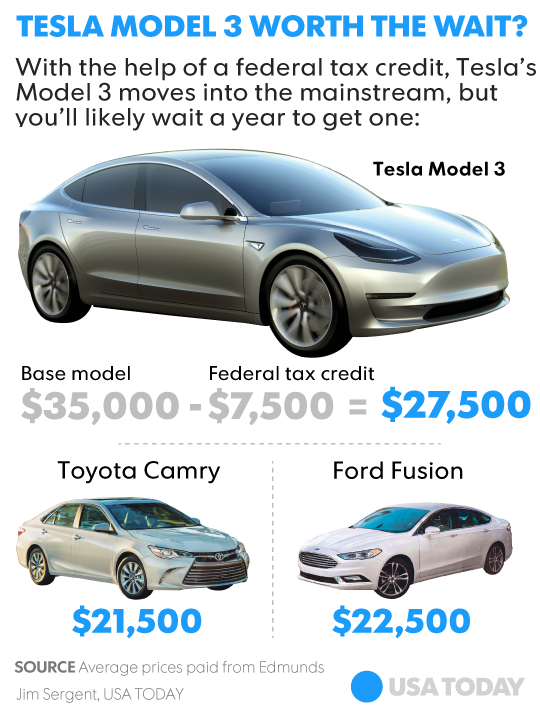
As of 2024, several Tesla models qualify for a federal tax credit of up to $7,500. A pivotal change in the law now allows this credit to be applied as a “point-of-sale” discount. This means a $45,000 Model Y effectively becomes a $37,500 vehicle the moment the paperwork is signed, provided the buyer meets certain income requirements and the vehicle meets battery sourcing criteria. This incentive has been the single most effective tool in lowering the average transaction price for the average American consumer.
State-Level Rebates and Local Perks
Beyond federal help, states like California, Colorado, and Massachusetts offer additional rebates that can range from $1,000 to $5,000. When these are stacked with federal credits, the “real-world” average price of a Model 3 or Model Y can drop into the sub-$35,000 range, placing it firmly in competition with mid-range internal combustion engine (ICE) vehicles like the Honda Accord or Toyota RAV4.
Total Cost of Ownership: The Financial Justification
From a personal finance standpoint, the purchase price is only half of the story. The “average price” of a Tesla should be viewed through the lens of Total Cost of Ownership (TCO) over a five-year or ten-year horizon.
Fuel Savings and Energy Efficiency
The primary financial driver for EV adoption is the displacement of gasoline costs. On average, charging a Tesla at home costs about one-third as much as fueling a comparable gasoline vehicle. For a driver covering 15,000 miles per year, this can result in annual savings of $1,000 to $2,000. Over a five-year ownership period, this effectively “rebates” $5,000 to $10,000 back into the owner’s pocket, lowering the effective price of the vehicle relative to an ICE alternative.
Maintenance and Long-Term Reliability
Teslas have significantly fewer moving parts than traditional vehicles—no oil changes, spark plugs, mufflers, or complex transmissions. While tires tend to wear out faster due to the weight of the battery and the instant torque of the electric motors, the overall maintenance schedule is much lighter. Financial planners often estimate that maintenance costs for a Tesla are roughly 40% lower than for a luxury gasoline car, further improving the long-term value proposition.
The Depreciation Dilemma
The most volatile aspect of Tesla ownership in recent years has been depreciation. Historically, Teslas held their value remarkably well. However, the aggressive price cuts of 2023 caused used Tesla prices to plummet. For a buyer, this means the “price” of ownership (the difference between purchase price and resale price) has increased. Investors and buyers must weigh the benefit of a lower entry price today against the risk of further price adjustments devaluing their asset tomorrow.
Financing and Leasing Strategies
How one pays for a Tesla can be just as important as the price itself. With interest rates hovering at decade-highs, the financing structure is a major component of the monthly budget.
Tesla Lending vs. Traditional Banks
Tesla offers in-house financing, but savvy buyers often find better rates through local credit unions, which sometimes offer “green auto loans” with discounted interest rates for electric vehicles. A 1% difference in an interest rate on a $50,000 loan can save an owner nearly $1,500 over the life of the loan, effectively reducing the average price paid.
To Lease or To Buy?
Leasing has become increasingly popular for Teslas, particularly because it allows consumers to “hedge” against technological obsolescence and drastic shifts in market value. By leasing, the consumer is only responsible for the depreciation during the lease term. Furthermore, some leasing structures allow the $7,500 federal credit to be passed through to the consumer regardless of some of the strict income limits that apply to purchases, making it a strategic financial move for high-income earners.
Conclusion: The “New Normal” for Tesla Pricing
So, what is the average price of a Tesla? While the mathematical average of the current fleet MSRP sits somewhere between $55,000 and $65,000, the effective price for the majority of buyers—after tax credits and fuel savings—is often significantly lower. For the strategic consumer, a Tesla Model 3 or Model Y represents a mid-market investment that, despite higher insurance premiums and depreciation risks, offers a compelling long-term financial profile.
As Tesla continues to optimize its manufacturing and scale its battery production, the average price is expected to trend downward, eventually culminating in the long-rumored “next-generation” platform. For now, the average price of a Tesla remains a multifaceted figure: a combination of a transparent sticker price, aggressive government subsidies, and a transformative reduction in daily operating expenses. When viewed through the lens of modern finance, it is an asset that demands a shift from “up-front cost” thinking to “lifecycle value” analysis.
aViewFromTheCave is a participant in the Amazon Services LLC Associates Program, an affiliate advertising program designed to provide a means for sites to earn advertising fees by advertising and linking to Amazon.com. Amazon, the Amazon logo, AmazonSupply, and the AmazonSupply logo are trademarks of Amazon.com, Inc. or its affiliates. As an Amazon Associate we earn affiliate commissions from qualifying purchases.