
Decoding Pupillary Distance (PD): A Critical Metric for Personalized Vision and Tech
Pupillary Distance, commonly abbreviated as PD, refers to the measurement of the distance between the centers of the pupils of the eyes. This seemingly simple metric holds profound importance, extending far beyond the realm of basic vision correction into the sophisticated world of modern technology, particularly immersive digital experiences. Understanding PD is fundamental for anyone involved in optics, virtual reality (VR), augmented reality (AR), and the design of personalized digital interfaces, ensuring comfort, clarity, and efficacy for users.
What is PD and Why Does it Matter?
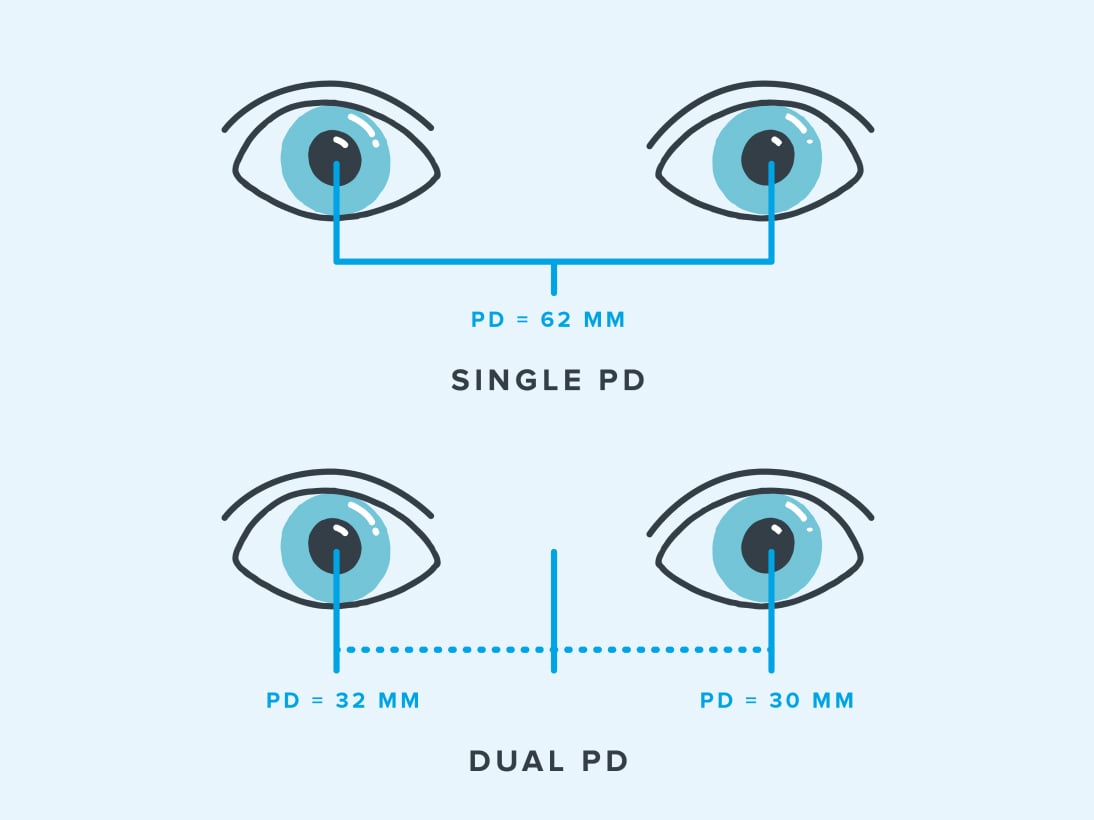
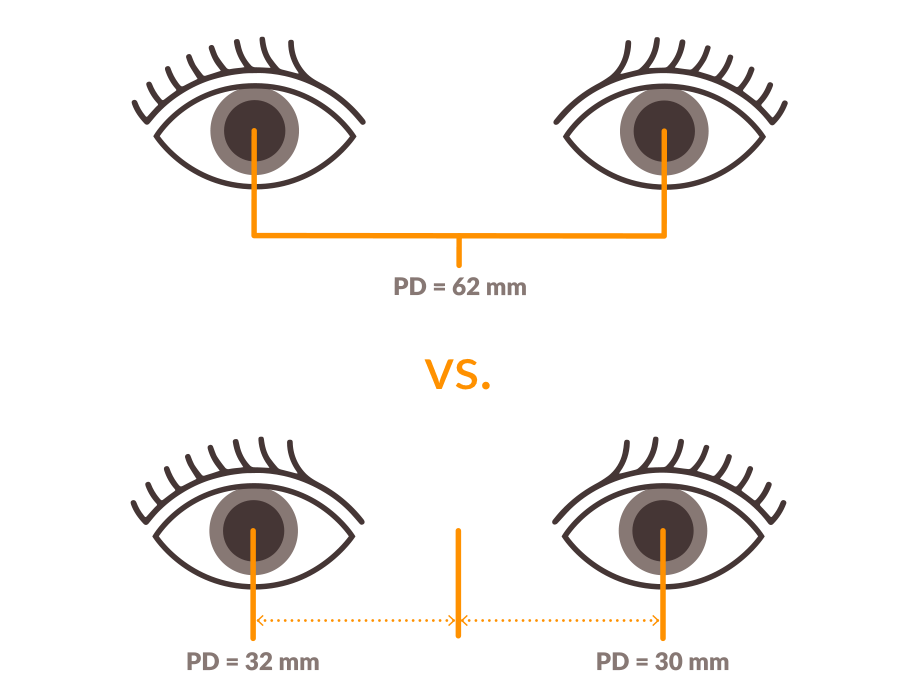
At its core, PD is the distance, typically measured in millimeters (mm), from the center of one pupil to the center of the other. For some applications, particularly when vision correction is asymmetrical, PD might be specified as two measurements: the distance from the center of the nose to each pupil (mono PD). The precision of this measurement is paramount because it dictates how corrective lenses or digital displays are aligned with a user’s eyes. In traditional eyewear, an incorrect PD can lead to prism effect, causing eye strain, headaches, blurred vision, and general discomfort as the eyes struggle to compensate for misalignment. The optical center of each lens must align directly with the center of each pupil to provide optimal vision.

The Human Element in Digital Optics
In the burgeoning fields of VR and AR, the significance of PD escalates dramatically. These technologies rely on presenting digital content directly to the user’s eyes, often through lenses that magnify and focus pixels from a small screen. If the interpupillary distance (IPD, often used interchangeably with PD in this context) of a VR headset’s lenses does not match the user’s PD, the visual experience can be severely compromised. Users may experience image blur, double vision, nausea, disorientation, and an overall reduction in immersion. The goal of VR and AR is to create seamless, believable digital environments, and an accurate PD is a linchpin in achieving this human-computer symbiosis.
Unpacking the Average PD: Global Statistics and Individual Variation
While PD is a highly individualized measurement, there are well-documented averages that provide a useful benchmark for design and manufacturing. However, relying solely on averages can be problematic for personalized technologies, underscoring the need for customization.
The Typical Range and Its Significance
The average adult PD typically falls within a range of 54 mm to 74 mm. For most adults, the average PD is approximately 62 mm to 64 mm. This range is crucial for manufacturers designing “one-size-fits-most” solutions, such as non-adjustable VR headsets or over-the-counter reading glasses. Pediatric PDs are generally smaller, reflecting the smaller facial structures of children, often ranging from 43 mm to 58 mm.
These averages are derived from extensive research and clinical measurements across diverse populations. They inform initial product specifications and serve as a starting point for adjustable systems. For instance, many VR headsets offer a mechanical or software-based IPD adjustment that covers the most common adult PD range, aiming to accommodate the vast majority of users.
Factors Influencing PD and Measurement Accuracy
Several factors can influence an individual’s PD, including age, ethnicity, and even the distance at which a person is viewing an object (near PD vs. far PD). Near PD, used for reading glasses, is typically 2-3 mm less than far PD, used for distance vision, because the eyes converge slightly when focusing on closer objects.
The accuracy of PD measurement is critical. Historically, opticians used a pupillometer or a simple ruler to measure PD. While these methods are effective, the human element can introduce slight variations. The rise of digital tools and automated systems aims to enhance this precision, providing consistent and reliable measurements that are vital for both optical prescriptions and high-performance tech applications. An error of even a single millimeter can degrade the user experience in a finely tuned optical system.
PD’s Pivotal Role in Immersive Technologies: VR, AR, and Beyond
The quest for truly immersive and comfortable digital experiences hinges significantly on matching display optics to the user’s unique physiological parameters, with PD being foremost among them.
Achieving Visual Comfort and Fidelity in Virtual Reality
In VR, a mismatch between a user’s PD and the headset’s interpupillary distance (IPD) setting creates an uncomfortable viewing experience. When the lenses are misaligned with the eyes, users are forced to converge or diverge their eyes unnaturally to fuse the stereoscopic images presented by the display. This constant strain leads to eye fatigue, headaches, and simulator sickness, which manifests as nausea and disorientation.
Modern VR headsets like the Meta Quest series, Valve Index, and HTC Vive integrate mechanical or software-based IPD adjustments, allowing users to fine-tune the lens separation to their specific PD. High-end systems often feature precision mechanisms, sometimes even motor-driven, to ensure optimal alignment. This adjustability is a key differentiator, enhancing user comfort, minimizing visual artifacts, and ultimately deepening the sense of presence and immersion within virtual environments. Without correct PD alignment, even the most graphically stunning VR experience can be ruined.
AR Overlays and the Challenge of Seamless Integration
Augmented reality presents a unique set of challenges related to PD. Unlike VR, where the entire field of view is digital, AR overlays digital information onto the real world. For AR glasses or headsets, the projected digital content must appear stable and correctly positioned within the user’s real-world view. If the PD is incorrect, the digital overlay might appear misaligned, “floating” incorrectly, or causing parallax errors that break the illusion of integration.
The precision required for AR is arguably even higher than VR, as the user’s brain is constantly comparing digital projections with real-world objects. A seamless AR experience demands not just accurate PD, but also highly sophisticated eye-tracking and calibration systems that dynamically adjust content presentation based on the user’s gaze and head movements. Achieving this “digital perfect vision” in AR is a significant hurdle for widespread adoption, and accurate PD measurement is a foundational step.
Impact on Advanced Display Systems and User Experience
Beyond dedicated VR/AR headsets, PD also has implications for other advanced display systems. Large-format 3D displays, specialized simulation environments, and even some next-generation personalized monitors could benefit from PD-aware technologies. For example, a future where multiple users share a large screen, each viewing personalized, gaze-contingent content, would necessitate precise knowledge of each user’s PD and head position to deliver an optimal, parallax-free visual. The overall user experience across all these platforms is dramatically enhanced when the display technology is perfectly calibrated to the individual user’s unique ocular parameters.
Innovating with PD: Customization, Ergonomics, and Future Tech Horizons
The ongoing integration of PD data into technological development is driving innovation across hardware design, software algorithms, and user-centric ergonomics.
Personalized Hardware Design and AI-Driven Adjustments
The future of personal computing and immersive tech points towards highly customized hardware. This could mean 3D-printed headset frames perfectly contoured to an individual’s face, or dynamically adjustable lens systems that automatically detect and set the user’s PD. AI and machine learning algorithms are beginning to play a role in this, using facial recognition and eye-tracking data to estimate PD and optimize display settings in real-time. This level of personalization moves beyond generic “one-size-fits-all” approaches, delivering unparalleled comfort and visual performance. Such advancements will be particularly beneficial in professional applications, such as medical visualization, engineering design, and pilot training, where precision and prolonged comfort are non-negotiable.
Enhancing Performance and Reducing Eye Strain
Correct PD alignment directly translates to reduced eye strain and improved performance in tasks requiring sustained visual attention. In gaming, professional design, or virtual training simulations, minimizing visual fatigue allows users to engage longer and more effectively. For enterprise VR applications, where users may spend hours in virtual environments, an accurately calibrated PD system can prevent discomfort, enhance productivity, and improve user adoption rates. The ergonomic benefits extend to better concentration, faster reaction times, and a more natural interaction with digital content.
The Future of Eye-Tracking and Adaptive Displays
PD is inherently linked to the advancements in eye-tracking technology. When a system knows a user’s PD, it can more accurately track their gaze, infer their intent, and adapt content accordingly. This opens doors for foveated rendering in VR (where only the fovea’s gaze point is rendered at full resolution), dynamic depth of field, and intuitive user interfaces controlled by eye movements. Adaptive displays, which adjust brightness, color temperature, and focus based on where and how a user is looking, will also leverage precise PD information. The synergy between PD, eye-tracking, and adaptive display technologies promises a future of truly intelligent and responsive visual experiences that seamlessly integrate with human physiology.
Accurate PD Measurement: Empowering Users and Developers with Digital Tools
The critical nature of PD has spurred the development of various measurement methods, from traditional clinical approaches to modern digital solutions.
Smartphone Apps and Online Solutions
The ubiquity of smartphones has led to a proliferation of apps and online tools that claim to measure PD. These often utilize the phone’s camera, sometimes requiring a standard-sized object (like a credit card or a ruler) for scale reference. While convenient and often free, the accuracy of these methods can vary significantly. Factors such as camera quality, lighting conditions, user technique, and calibration of the app itself can influence the result. They can be a good starting point for estimation, especially for non-prescription applications or personal curiosity, but should be approached with caution for precise optical needs.
Professional Measurement: Still the Gold Standard
For the highest level of accuracy, particularly for prescription eyewear, professional measurement by an optometrist or ophthalmologist remains the gold standard. These professionals use specialized devices like digital pupillometers, which provide highly precise measurements by pinpointing the exact center of each pupil. Their expertise also accounts for nuances like near vs. far PD, and potential variations in facial anatomy. This clinical precision ensures that corrective lenses are manufactured and fitted to exacting standards, providing optimal vision correction and comfort.
Implications for DIY vs. Clinical Approaches
The choice between DIY digital tools and professional measurement often depends on the application. For casual use of a VR headset where a millimeter or two of error might be tolerable, a smartphone app might suffice for an initial setting. However, for prescription lenses, premium VR/AR experiences, or applications where prolonged use and precision are paramount, investing in a professional PD measurement is highly recommended. As technology advances, we may see more integrated and accurate self-measurement tools directly within devices, but for now, understanding the limitations and advantages of each method is key to making informed decisions for personalized digital and optical experiences.
aViewFromTheCave is a participant in the Amazon Services LLC Associates Program, an affiliate advertising program designed to provide a means for sites to earn advertising fees by advertising and linking to Amazon.com. Amazon, the Amazon logo, AmazonSupply, and the AmazonSupply logo are trademarks of Amazon.com, Inc. or its affiliates. As an Amazon Associate we earn affiliate commissions from qualifying purchases.