
Determining the average part-time hours is not merely a matter of looking at a clock; it is a critical calculation that influences tax brackets, eligibility for employer-sponsored benefits, and long-term wealth accumulation. In the modern financial landscape, the definition of “part-time” varies significantly depending on whether you are consulting the Internal Revenue Service (IRS), the Department of Labor (DOL), or the Affordable Care Act (ACA) guidelines. Understanding these nuances is essential for any professional looking to optimize their income-to-effort ratio or for business owners structuring their labor costs.
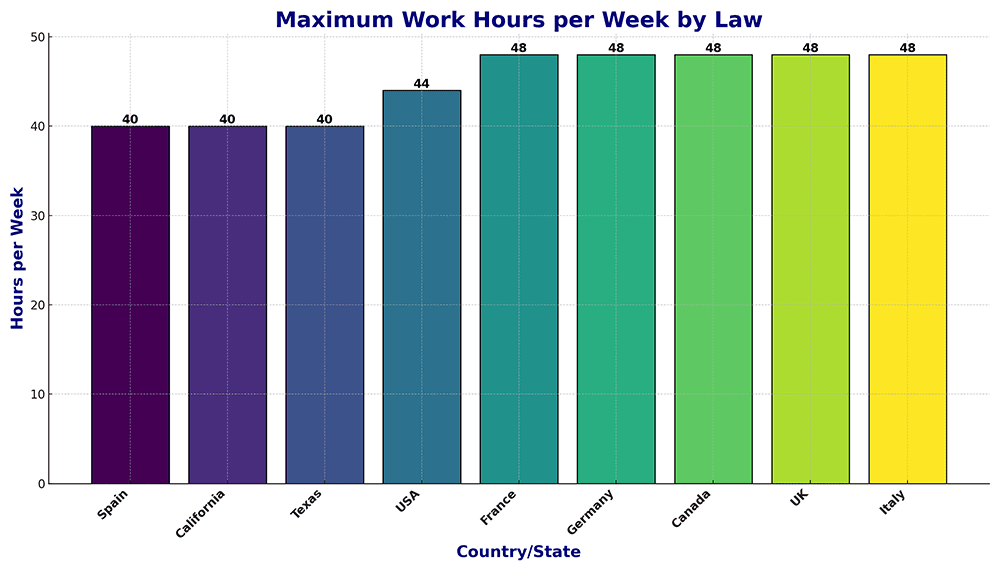
Generally, in the United States, the Bureau of Labor Statistics (BLS) defines a part-time worker as someone who usually works fewer than 35 hours per week. However, the practical application of this definition fluctuates between 20 and 34 hours depending on the industry and specific corporate policies. For the savvy financial planner or side-hustler, the goal is rarely just to find the “average” number of hours, but rather to identify the “sweet spot”—the number of hours that maximizes take-home pay while maintaining eligibility for crucial financial protections.
Defining Part-Time Work: Legal Standards and Financial Realities
The legal definition of part-time work is surprisingly fluid. Unlike the minimum wage, there is no federal mandate in the Fair Labor Statistics Act (FLSA) that defines exactly how many hours constitute part-time versus full-time employment. This allows employers a high degree of flexibility, but it also places the burden of due diligence on the employee to understand how their hours impact their financial health.
The IRS vs. The ACA: Differing Definitions
For tax and benefit purposes, the definitions shift. Under the Affordable Care Act (ACA), an employee is considered full-time if they average at least 30 hours of service per week, or 130 hours of service per month. This is a critical threshold for both workers and business owners. If a company has more than 50 full-time equivalent employees, they are mandated to provide health insurance to those working 30+ hours.
From a personal finance perspective, working 29 hours versus 30 hours can be the difference between receiving a subsidized health plan from an employer and having to pay out-of-pocket on a state exchange. When calculating the “average” part-time hours, one must account for this 30-hour cliff. Many corporations intentionally cap part-time roles at 28 or 29 hours to avoid these benefit triggers, which effectively sets the “corporate average” for part-time work in the retail and hospitality sectors.
Industry Standards and Labor Statistics
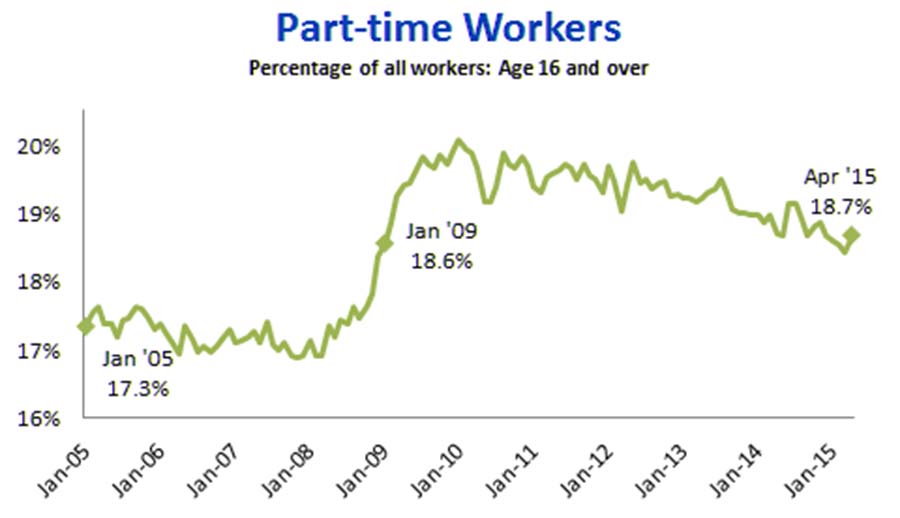
According to recent data from the BLS, the average part-time employee in the private sector works approximately 25 to 27 hours per week. This number fluctuates based on economic conditions. During periods of economic contraction, the average hours often rise as companies replace full-time roles with part-time positions to save on benefit costs. Conversely, in a tight labor market, part-time hours may decrease as workers gain more leverage to demand higher hourly rates for fewer hours.
The Financial Strategy of Part-Time Employment
Choosing to work part-time is often a strategic financial decision rather than a necessity. Whether it is a “Barista FIRE” strategy (working part-time after reaching a level of financial independence to cover basic expenses) or a tactical side hustle to accelerate debt repayment, the hours worked must be viewed through the lens of Return on Investment (ROI).
Maximizing Hourly Rates in a Gig Economy
In the realm of side hustles and the gig economy, “average hours” are often secondary to “peak earning hours.” A part-time consultant or freelancer might work only 15 hours a week but generate a higher net income than a 40-hour salaried employee in a mid-level administrative role. To optimize part-time income, one should focus on high-leverage hours. This involves identifying times when demand for a service—such as specialized software auditing, financial consulting, or even high-end tutoring—is at its peak.
For those using part-time work to supplement a primary income, the goal is to ensure that the additional hours do not push the individual into a significantly higher tax bracket where the marginal utility of the extra work diminishes. Strategic part-time workers often cap their hours specifically to stay within a lower tax threshold or to qualify for certain tax credits, such as the Earned Income Tax Credit (EITC).
Benefit Thresholds: The Hidden Cost of Working Too Few Hours
The financial downside of falling below the “average” part-time threshold is the loss of the “hidden salary”—benefits. Employer-sponsored 401(k) matches, health insurance premiums, and paid time off can account for an additional 30% to 40% of a worker’s total compensation. If a worker averages 20 hours a week but receives no benefits, their effective hourly rate is significantly lower than a worker doing 30 hours with a full benefits package.
When evaluating a part-time role, it is vital to calculate the “total compensation” rather than the “sticker price” of the hourly wage. A $25/hour job with no benefits may actually be less lucrative than a $20/hour job that offers a 5% 401(k) match and access to a group health plan.
Strategic Side Hustling: Using Part-Time Hours for Wealth Building
For many, part-time hours are the engine of wealth building outside of a 9-to-5 career. This “active” income can be funneled directly into “passive” income vehicles like brokerage accounts, real estate, or high-yield savings.
Tax Implications of Secondary Income Streams
When part-time hours are worked as a 1099 contractor (self-employed) rather than a W-2 employee, the financial calculations change. Self-employed individuals are responsible for both the employer and employee portions of Social Security and Medicare taxes, totaling roughly 15.3%.
However, this also opens the door to significant tax deductions. Working part-time as a business owner allows for the deduction of home office expenses, equipment, and even a portion of health insurance premiums. In this context, the “average hours” are less important than the “billable hours.” A business owner might spend 20 hours a week on their venture, but if 15 of those hours are billable at a high rate, the financial viability of the part-time schedule is confirmed.
Diversifying Income via Part-Time Commitments
The primary financial risk of a full-time job is “single-point-of-failure” risk. If you lose that one job, 100% of your income vanishes. Strategic part-time work allows an individual to diversify their income streams. Working 20 hours at a stable firm and 15 hours on a personal business provides a financial safety net. If one stream dries up, the other can often be scaled to fill the gap. This diversification is a hallmark of modern financial resilience.
Managing Benefits and Retirement on a Part-Time Schedule
A common misconception is that part-time workers cannot save for retirement through institutional channels. Recent legislative changes have significantly altered this reality, making part-time hours more valuable for long-term financial planning.
The SECURE Act and 401(k) Eligibility
The Setting Every Community Up for Retirement Enhancement (SECURE) Act and its successor, SECURE 2.0, have drastically expanded 401(k) access. As of 2024, employers are generally required to allow “long-term, part-time workers” to participate in their 401(k) plans. To qualify, an employee must have worked at least 500 hours per year for three consecutive years (reduced to two years under SECURE 2.0).
A worker averaging just 10 hours a week will meet this 500-hour threshold. This means that even a modest part-time commitment can now be a vehicle for tax-advantaged retirement savings and, in many cases, employer matching contributions. This makes the “average part-time hours” a gateway to compound interest that was previously reserved for the full-time workforce.
Health Insurance Alternatives for Part-Time Workers
If part-time hours fall below the 30-hour ACA threshold, workers must look toward alternative financial structures for healthcare. Health Savings Accounts (HSAs) are particularly effective for part-time earners. By pairing a high-deductible health plan (HDHP) with an HSA, a part-time worker can shield a portion of their income from taxes while building a portable medical nest egg. Since HSA contributions are “above-the-line” deductions, they lower the worker’s Adjusted Gross Income (AGI), which can potentially qualify them for more substantial subsidies on the health insurance marketplace.
Long-Term Financial Planning for the Part-Time Professional
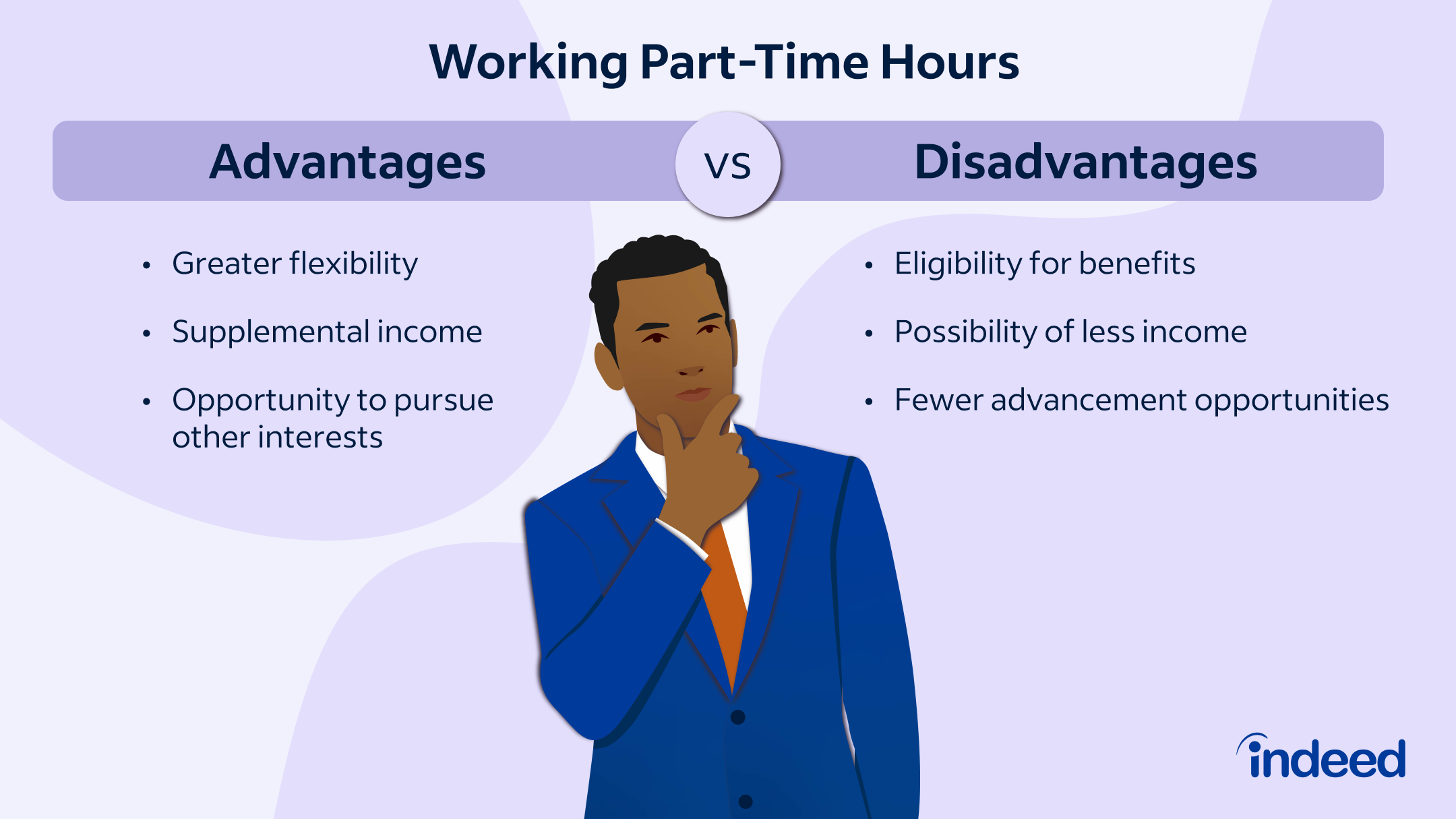
Transitioning to or maintaining a part-time schedule requires a rigorous look at the opportunity cost. While the average part-time hours provide flexibility and time wealth, they can also lead to a “wage penalty” over a multi-decade career.
Calculating the Opportunity Cost
The opportunity cost of part-time work is the delta between what you earn now and what you could have earned in a full-time, upwardly mobile career path. For a professional in their 30s, working 25 hours a week instead of 45 might result in a 50% reduction in current income, but it could also result in a 300% reduction in future retirement savings due to the loss of compounding and career advancement.
To mitigate this, part-time workers should ensure their hourly rate is significantly higher than the prorated full-time equivalent, or they should use their “saved” hours to invest in assets that appreciate. If the extra 15 hours a week are spent managing a rental property or developing a proprietary software tool, the long-term financial trajectory may actually exceed that of a full-time employee.
Preparing for a Lean Retirement
For those who choose a part-time lifestyle permanently, the financial plan must be robust. Social Security benefits are calculated based on the highest 35 years of earnings. Consistent part-time work may result in lower “average indexed monthly earnings,” leading to a smaller Social Security check in the future.
To counter this, part-time professionals must be more aggressive with their private savings. Utilizing Roth IRAs, where contributions are made after-tax but growth is tax-free, is often the best strategy for part-time workers who are currently in a lower tax bracket but expect to have significant assets (or higher tax rates) in the future.
Ultimately, the “average part-time hours” is a metric that tells only half the story. Whether it is 20, 30, or 34 hours, the value of that time is determined by how it is leveraged within a broader financial framework. By understanding the legal thresholds of the ACA, the retirement protections of the SECURE Act, and the tax implications of various employment structures, an individual can turn “part-time” hours into a full-scale financial success.
aViewFromTheCave is a participant in the Amazon Services LLC Associates Program, an affiliate advertising program designed to provide a means for sites to earn advertising fees by advertising and linking to Amazon.com. Amazon, the Amazon logo, AmazonSupply, and the AmazonSupply logo are trademarks of Amazon.com, Inc. or its affiliates. As an Amazon Associate we earn affiliate commissions from qualifying purchases.