
For the average consumer, the national gas price is more than just a number on a roadside marquee; it is a pulse check on the broader economy and a critical variable in the monthly household budget. Whether you are a daily commuter, a small business owner managing a fleet, or an investor tracking inflationary trends, understanding the “what” and the “why” behind gas price fluctuations is essential for sound financial planning.
The national average gas price is a weighted average of what consumers pay at the pump across the United States. While this figure provides a high-level snapshot of energy costs, the financial reality behind that number involves complex global supply chains, geopolitical maneuvering, and local fiscal policies. To manage your personal and business finances effectively, you must look beyond the daily ticker and analyze the underlying forces that move the needle.
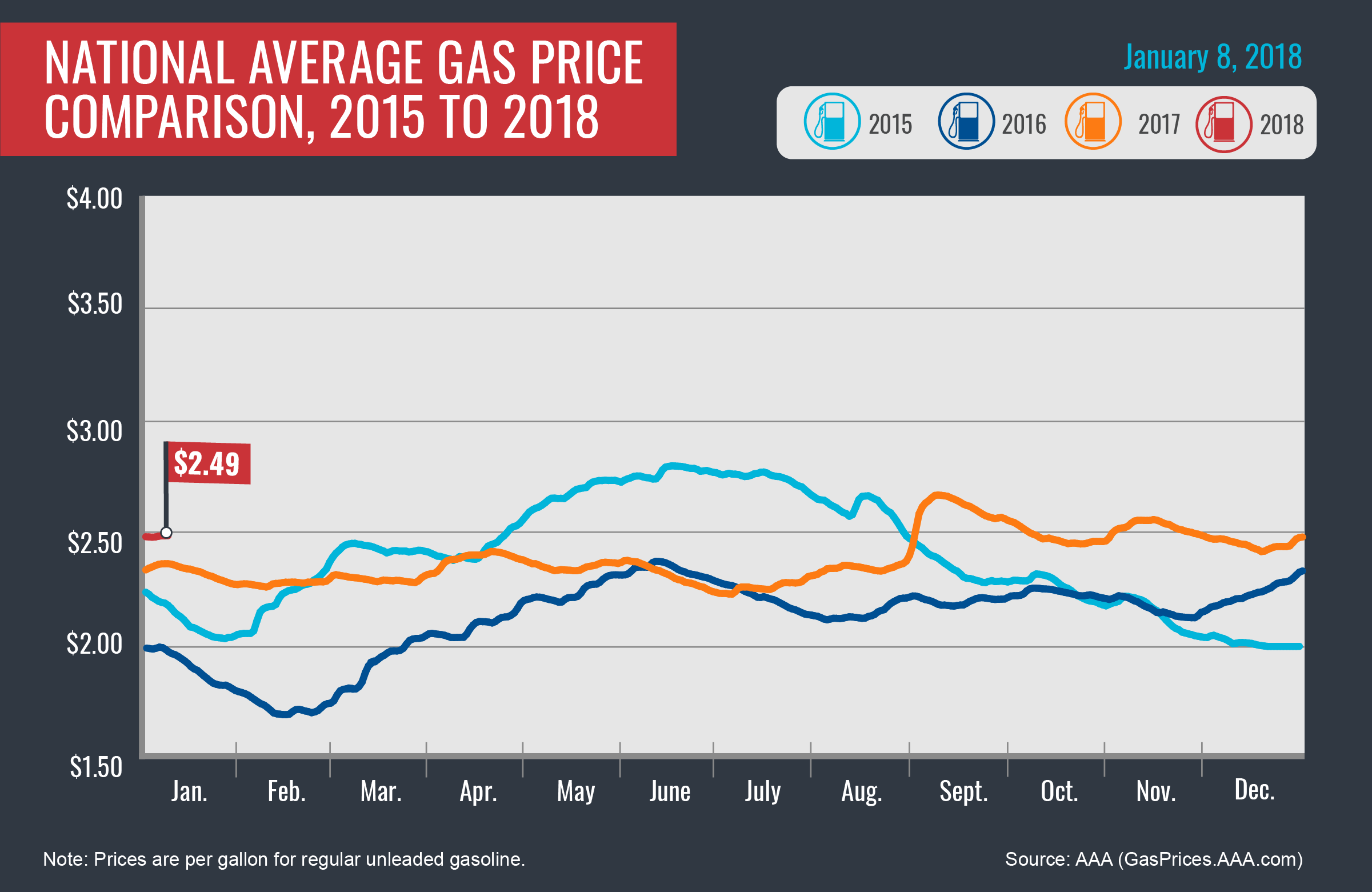
The Financial Mechanics Behind the Pump: Why Prices Fluctuate
To understand the average national gas price, one must first deconstruct the cost of a single gallon. According to the U.S. Energy Information Administration (EIA), the retail price of gasoline is generally comprised of four main components: the cost of crude oil, refining costs and profits, distribution and marketing costs, and taxes.
Crude Oil Costs and Global Markets
Crude oil is the largest contributor to the price of gasoline, often accounting for 50% to 60% of the total cost at the pump. Because oil is a globally traded commodity, its price is dictated by international supply and demand. Factors such as OPEC+ production quotas, geopolitical instability in oil-producing regions, and global economic growth projections all play a role. When the price per barrel of West Texas Intermediate (WTI) or Brent crude rises, the national average for gas inevitably follows. For the individual, this means your local commute is directly tethered to events happening thousands of miles away.
Refining and Distribution Margins
After crude oil is extracted, it must be refined into gasoline. Refining margins—the difference between the cost of crude and the price of the finished product—fluctuate based on refinery capacity and seasonal demand. For instance, the transition from “winter blend” to “summer blend” gasoline often causes a price spike in the spring. Summer blends are more expensive to produce but are required by environmental regulations to reduce smog. Additionally, distribution costs involve the logistics of moving fuel via pipelines, trucks, and barges. Disruptions in these channels, such as pipeline maintenance or extreme weather events, can create localized price surges that pull the national average upward.
The Role of State and Federal Taxes
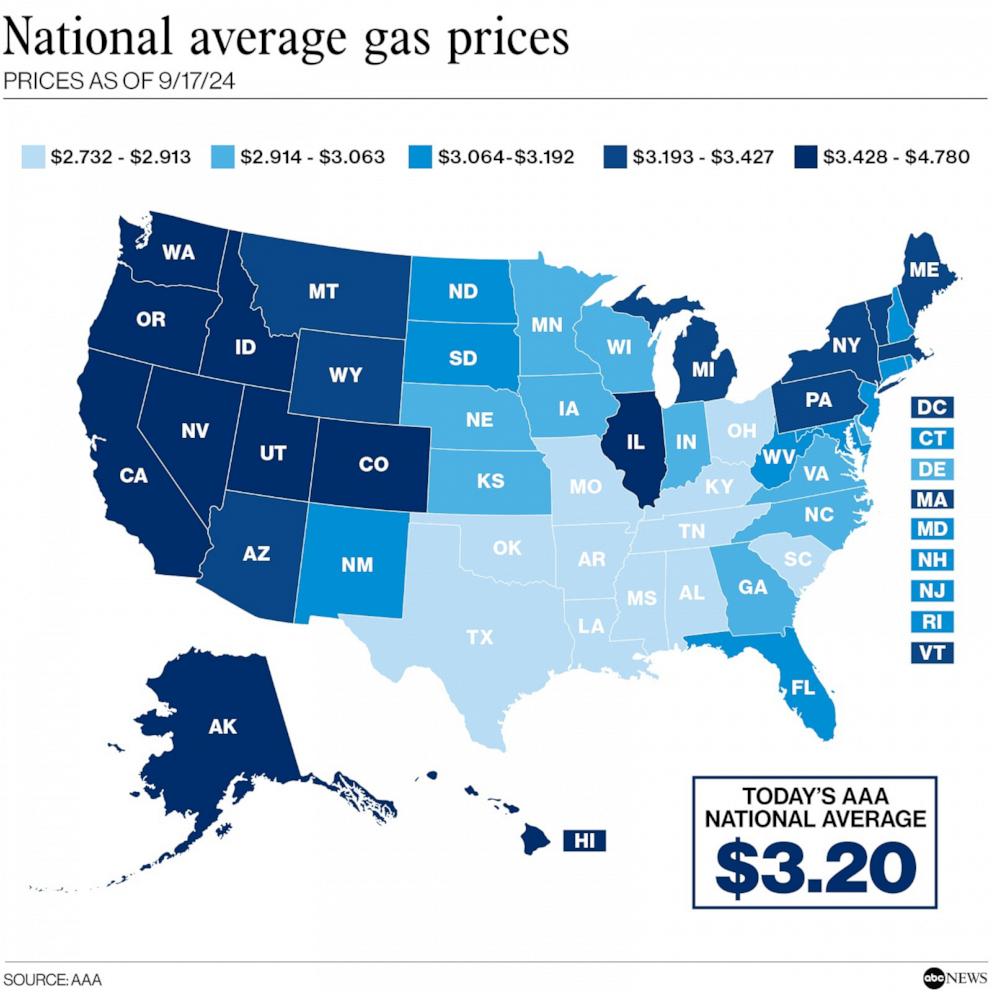
While the federal excise tax on gasoline has remained steady at 18.4 cents per gallon for decades, state taxes vary significantly. This is why the “average” national price can be misleading; a driver in California may pay significantly more than a driver in Mississippi due to state-level environmental fees and sales taxes. From a personal finance perspective, knowing your state’s tax structure helps you understand the “floor” of your local gas prices, below which the price is unlikely to drop regardless of global oil market crashes.
The Impact of Fuel Costs on Your Personal Budget
For most Americans, gasoline is a “non-discretionary” or “sticky” expense. Unlike dining out or streaming services, which can be cut immediately during a financial pinch, the need to get to work or transport goods remains constant. This makes gas price volatility a significant risk factor for household liquidity.
Gas as a Non-Discretionary Expense
When the national average gas price rises by $0.50 per gallon, the impact on a household that consumes 100 gallons a month is an immediate $50 reduction in monthly cash flow. For those living paycheck to paycheck, this “gas tax” directly cannibalizes savings or spending on other essentials. To mitigate this, savvy budgeters utilize “sinking funds”—setting aside a small surplus during months when gas is cheap to cover the inevitable spikes during the summer travel season or periods of geopolitical unrest.
The Secondary Inflation Effect
High gas prices do not just affect your car; they affect everything you buy. Because the U.S. economy relies heavily on trucking for the “last mile” of delivery, high fuel costs lead to “fuel surcharges” by logistics companies. These costs are eventually passed down to the consumer in the form of higher prices for groceries, clothing, and consumer electronics. This is why economists watch the national gas average as a leading indicator of the Consumer Price Index (CPI). When energy prices rise, broad-based inflation often follows, devaluing your purchasing power across the board.
Calculating Your Personal Fuel Inflation Rate
To truly master your money, you should calculate your personal fuel inflation rate. By tracking your total fuel spend as a percentage of your gross income over several months, you can identify how sensitive your lifestyle is to energy markets. If gas takes up more than 5% of your take-home pay, it may be time to consider structural changes, such as telecommuting, carpooling, or diversifying your transport options to protect your financial ceiling.
Strategic Financial Tools to Counteract Rising Gas Prices
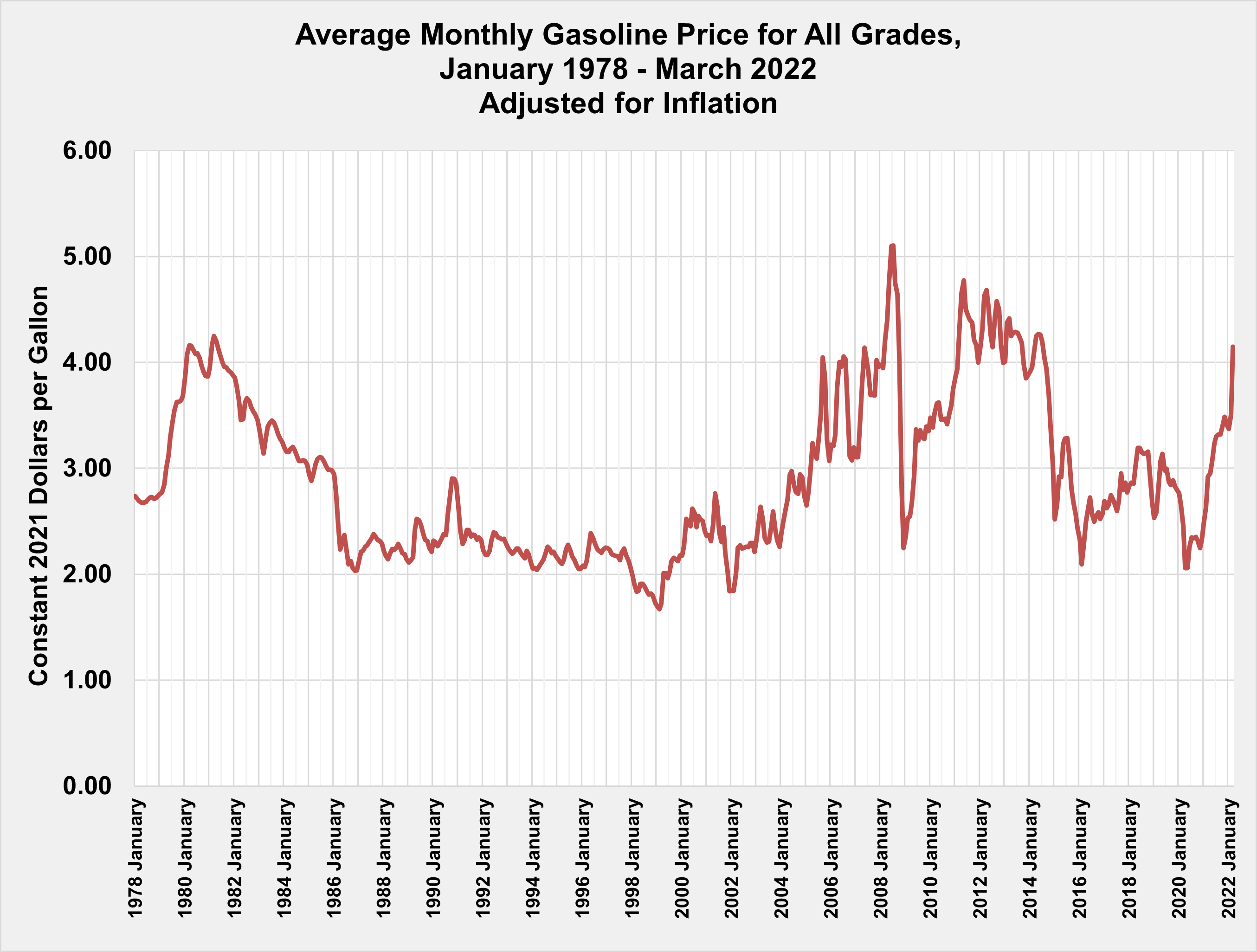
While you cannot control the global oil market, you can control how you interact with it. In the modern financial ecosystem, there are numerous tools designed to soften the blow of high gas prices and even turn fuel spending into a source of rewards.
Maximizing Cashback and Reward Systems
Credit cards specifically tailored for gas stations are one of the most effective ways to hedge against high prices. Many premium cards offer 3% to 5% cashback on fuel purchases. If the national average is $3.50, a 5% cashback rate effectively lowers your price to $3.32. When combined with station-specific loyalty programs (like those offered by Shell, ExxonMobil, or BP), consumers can often stack discounts to save $0.15 to $0.25 per gallon.
Leveraging Technology for Comparative Shopping
In the age of the smartphone, paying the “average” price is often an unforced error. Apps like GasBuddy, Waze, and Google Maps provide real-time pricing data for stations in your immediate vicinity. Often, stations just a few blocks apart can have a price disparity of $0.20 or more. For a 15-gallon tank, that is a $3 difference per fill-up. While $3 may seem negligible, for a driver who fills up weekly, that represents over $150 in annual savings—money that could be redirected into a high-yield savings account or an IRA.
High-Yield Strategies for Business Owners and Side Hustlers
For those in the gig economy—such as Uber, Lyft, or DoorDash drivers—gas prices are a direct business expense. In this context, managing fuel costs is about protecting profit margins. Using fuel-tracking software to ensure every cent is accounted for is vital for tax deductions. The IRS provides a standard mileage rate (which usually increases when gas prices rise), but for some high-consumption vehicles, tracking actual expenses might yield a larger tax benefit. Business owners should also consider fleet fuel cards, which offer bulk discounts and detailed reporting to prevent unauthorized spending.
Investing in Energy: Hedging Against Future Price Hikes
If high gas prices are hurting your wallet, one advanced financial strategy is to “hedge” your personal exposure by investing in the energy sector. By owning a piece of the companies that produce and refine oil, you can potentially offset the increased cost at the pump with capital gains and dividends from your investment portfolio.
Energy Sector Stocks and ETFs
When gas prices rise, the profit margins for upstream oil producers and integrated energy giants typically expand. Investing in broad Energy Select Sector SPDR ETFs (like XLE) or individual “Supermajors” allows your portfolio to benefit from the same market forces that are increasing your cost of living. If your energy stocks go up while your gas bill increases, you have created a natural hedge that stabilizes your overall net worth.
Commodity Futures and Risk Management
While trading oil futures is generally too volatile for the average retail investor, understanding how the futures market works can provide insight into where the national average is headed. If the “forward curve” for oil shows higher prices in six months, it is a signal to lock in travel budgets or consider purchasing fuel-efficient assets sooner rather than later.
Diversification in a Volatile Market
It is important to remember that the energy sector is notoriously cyclical. A portfolio overly concentrated in oil can suffer during an economic downturn when demand collapses. A balanced approach—combining energy investments with defensive sectors—ensures that you are protected regardless of whether the national gas price is $2.00 or $5.00.
Long-Term Financial Planning in a Shifting Energy Landscape
As we look toward the future, the “average national gas price” may become a less dominant metric in personal finance as the world pivots toward electrification. However, this transition itself requires careful financial planning and a “Total Cost of Ownership” (TCO) mindset.
The Total Cost of Ownership: Internal Combustion vs. EV
The decision to switch to an Electric Vehicle (EV) is often driven by the desire to escape the volatility of gas prices. When calculating the financial viability of an EV, you must look at the “break-even” point. If the national average for gas stays high, the payback period for the higher upfront cost of an EV shortens. Conversely, if gas prices remain low, the internal combustion engine (ICE) may remain the more cost-effective choice for several more years.
Tax Incentives and Infrastructure Savings
For those looking to exit the gas market entirely, federal and state tax credits can significantly lower the barrier to entry. From a wealth-building perspective, investing in home infrastructure—like solar panels and Level 2 charging stations—can turn a variable transportation cost (gas) into a fixed, or even depreciating, home utility cost.
In conclusion, the average national gas price is more than a statistic; it is a dynamic force that influences every corner of your financial life. By understanding the components of fuel costs, leveraging technology to minimize expenses, and using the investment markets to hedge against volatility, you can transform from a passive consumer into a proactive manager of your personal energy economy. Whether the price at the pump goes up or down, your financial strategy should be built to withstand the fluctuations.
aViewFromTheCave is a participant in the Amazon Services LLC Associates Program, an affiliate advertising program designed to provide a means for sites to earn advertising fees by advertising and linking to Amazon.com. Amazon, the Amazon logo, AmazonSupply, and the AmazonSupply logo are trademarks of Amazon.com, Inc. or its affiliates. As an Amazon Associate we earn affiliate commissions from qualifying purchases.