
In the dynamic world of personal finance, few numbers hold as much significance for the average consumer as the mortgage rate. It’s not just a statistic; it’s a critical component that dictates affordability, monthly payments, and the long-term financial health of homeowners and aspiring buyers alike. Understanding what constitutes the “average” rate today, and more importantly, what influences it, is paramount for making informed real estate decisions. This article delves into the current mortgage market, dissecting the factors at play, and offering insights for navigating this complex financial landscape.
Understanding Mortgage Rates: More Than Just a Number
The journey to homeownership often begins with a fundamental question: what will my mortgage cost? The answer primarily revolves around the mortgage interest rate, but there’s a nuanced distinction to be made between the advertised rate and the true cost of borrowing.
The Basics of Mortgage Rates
At its core, a mortgage rate is the interest charged by a lender for borrowing money to purchase a home. It’s expressed as a percentage of the loan amount and is paid by the borrower periodically, typically monthly, over the life of the loan. This rate directly impacts your monthly mortgage payment, as a higher rate means more interest paid over time, and thus a larger monthly outlay for the same loan principal. For instance, even a quarter-point difference can translate into thousands of dollars saved or spent over a 30-year mortgage term. The advertised “average rate” is usually a composite, reflecting typical rates offered by various lenders for a standard 30-year fixed-rate conventional mortgage to a borrower with good credit.
Fixed vs. Adjustable Rates
Mortgages generally come in two primary forms: fixed-rate and adjustable-rate mortgages (ARMs).
- Fixed-Rate Mortgages (FRMs): As the name suggests, the interest rate on an FRM remains constant for the entire duration of the loan. This offers predictability and stability in monthly payments, making budgeting easier and protecting borrowers from potential interest rate increases in the future. The most common fixed-rate terms are 15-year and 30-year mortgages, though other durations exist.
- Adjustable-Rate Mortgages (ARMs): ARMs, conversely, feature an initial fixed-rate period (e.g., 3, 5, 7, or 10 years), after which the rate adjusts periodically based on a predetermined index (like the Secured Overnight Financing Rate – SOFR) plus a margin set by the lender. While ARMs often start with lower interest rates than FRMs, their unpredictable nature means monthly payments can increase significantly if interest rates rise. They can be attractive for borrowers who plan to sell or refinance before the fixed-rate period ends, or those who anticipate a future decrease in interest rates.
APR vs. Interest Rate
It’s crucial to distinguish between the nominal interest rate and the Annual Percentage Rate (APR).
- Interest Rate: This is the percentage of the principal balance that the lender charges for the use of the money. It solely reflects the cost of borrowing the principal.
- Annual Percentage Rate (APR): The APR provides a more comprehensive measure of the total cost of a loan. It includes not only the interest rate but also most of the other costs associated with the mortgage, such as points, broker fees, and other charges. Because it incorporates these additional costs, the APR is almost always higher than the nominal interest rate. When comparing loan offers, the APR is often a better metric for understanding the true “all-in” cost of a mortgage.
Key Factors Influencing Today’s Mortgage Rates
Mortgage rates don’t exist in a vacuum; they are a direct reflection of broader economic conditions and specific market dynamics. Understanding these influences is key to interpreting current rates and anticipating future movements.
Economic Indicators
Several macroeconomic data points significantly shape the trajectory of mortgage rates:
- Inflation: High inflation erodes the purchasing power of money over time. Lenders, to protect their returns, typically demand higher interest rates during inflationary periods. This is a primary driver of rate increases, as seen in recent years.
- Job Reports: Strong employment figures, indicating a robust economy, can signal potential inflationary pressures, leading to higher rates. Conversely, weak job growth might suggest a slowing economy, potentially pushing rates down.
- Gross Domestic Product (GDP): A healthy and growing GDP usually correlates with higher consumer spending and economic activity, which can lead to higher interest rates as demand for capital increases.
- Consumer Confidence: High consumer confidence can spur spending and borrowing, contributing to economic expansion and potentially higher rates.
Federal Reserve Policy
The Federal Reserve plays a pivotal, albeit indirect, role in influencing mortgage rates. While the Fed does not directly set mortgage rates, its actions significantly impact the broader financial markets:
- Federal Funds Rate: The Fed’s primary tool is the federal funds rate, which is the target rate for overnight borrowing between banks. When the Fed raises this rate, it becomes more expensive for banks to borrow money, and these higher costs are often passed on to consumers through higher interest rates on various loans, including mortgages.
- Quantitative Tightening/Easing: The Fed’s balance sheet policies, such as buying or selling Treasury bonds and mortgage-backed securities (MBS), also affect long-term interest rates. Selling these assets (quantitative tightening) can increase bond yields, which in turn can push mortgage rates higher.
The Bond Market
Mortgage rates are closely tied to the bond market, particularly the yield on the 10-year Treasury note.
- Treasury Yields: Mortgage rates tend to move in tandem with 10-year Treasury yields because mortgage-backed securities (MBS) — which lenders package and sell to investors — compete with Treasury bonds for investor dollars. When Treasury yields rise, MBS must offer higher yields to remain competitive, thus pushing mortgage rates up.
- Investor Demand: The demand for mortgage-backed securities from investors also plays a role. Higher demand for MBS can lead to lower yields and thus lower mortgage rates, while lower demand can have the opposite effect.
Lender-Specific Factors
Beyond the broader economic landscape, individual borrower characteristics and lender policies also influence the rate you qualify for:
- Credit Score: A higher credit score (e.g., 740+) signals a lower risk to lenders, typically qualifying borrowers for the best available rates. Lower scores will result in higher rates to compensate for increased risk.
- Down Payment: A larger down payment reduces the loan-to-value (LTV) ratio, signifying less risk for the lender. Borrowers with substantial down payments (e.g., 20% or more) often secure more favorable rates.
- Loan Type: Different mortgage products (e.g., FHA, VA, USDA, conventional) come with their own risk profiles and associated rate structures.
- Loan-to-Value (LTV) Ratio: This ratio compares the loan amount to the home’s appraised value. A lower LTV (meaning a larger down payment) generally results in a better interest rate.
Navigating the Current Mortgage Market Landscape
The mortgage market is a living entity, constantly evolving. Staying abreast of current trends and understanding expert forecasts is essential for making timely decisions.
Recent Trends and Historical Context
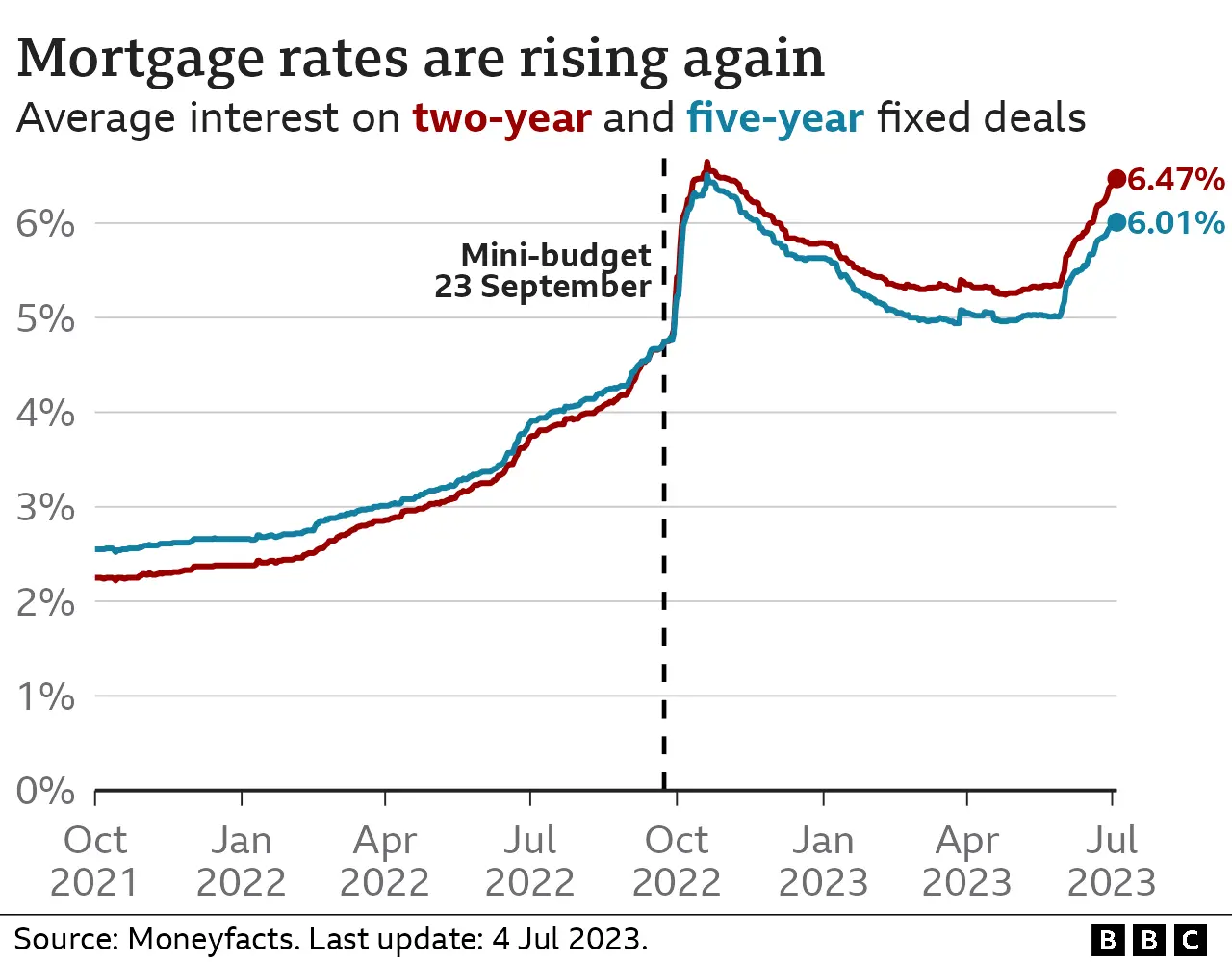
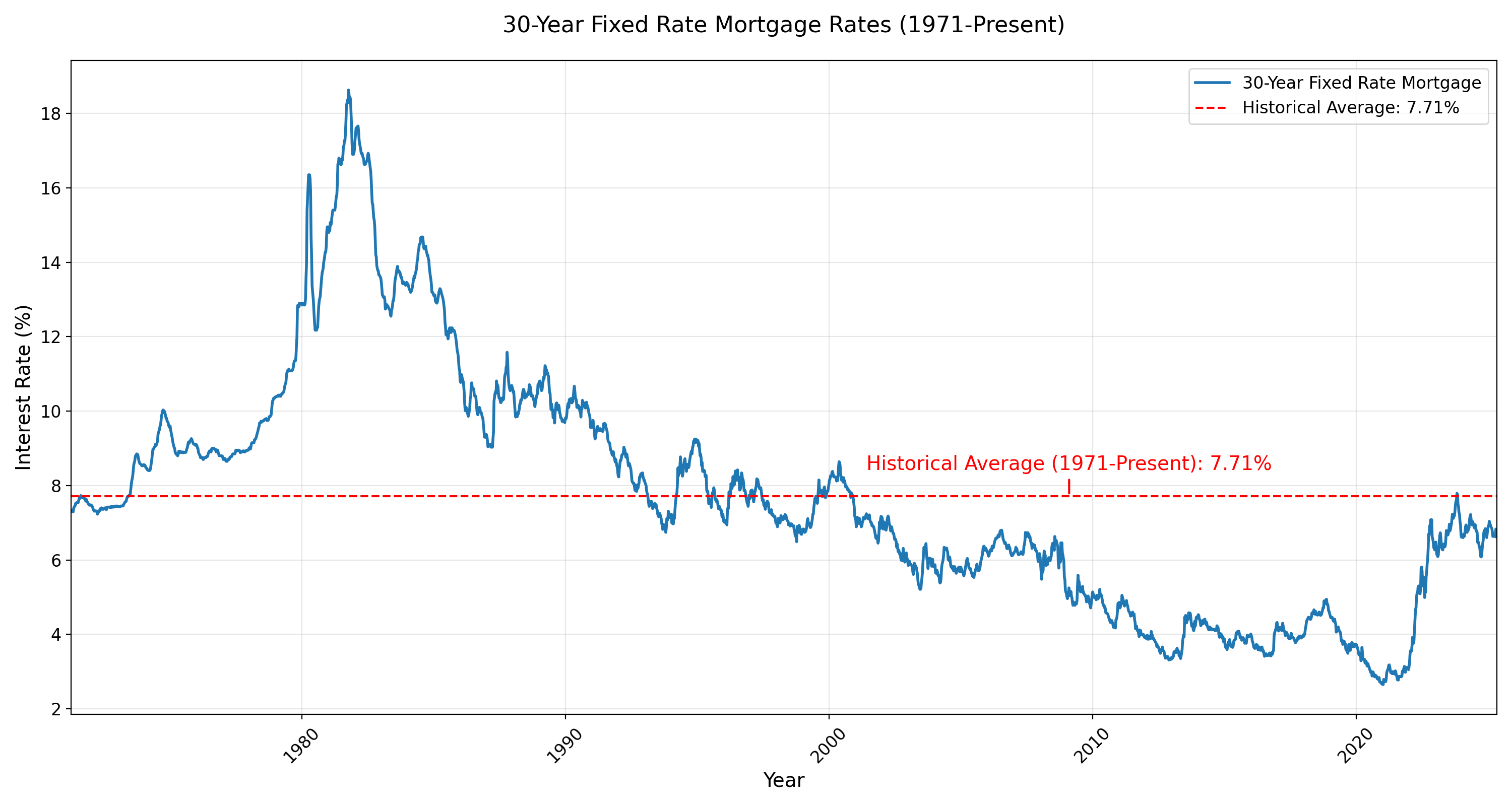
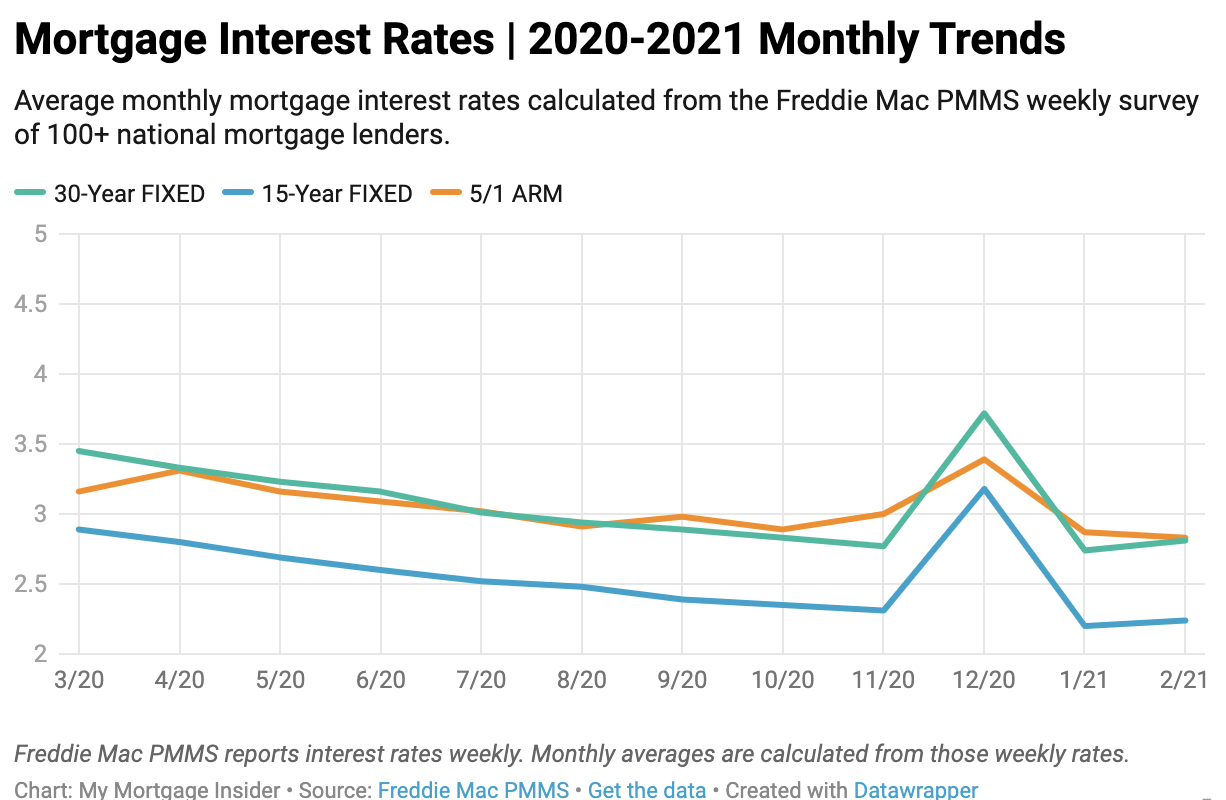
The average mortgage rate today is a snapshot in time, but it’s best understood within its historical context. Following a period of historically low rates during and after the COVID-19 pandemic, driven by aggressive monetary easing, rates have experienced a significant climb. This surge has been primarily in response to central banks battling persistent inflation. While current rates may seem high compared to the sub-3% rates of a few years ago, they are still below the long-term historical average, which often hovered around 7-8% in previous decades. Recent trends show volatility, with rates fluctuating based on inflation reports, employment data, and the Federal Reserve’s stance on monetary policy.
Forecasting Future Movements
Forecasting mortgage rates is notoriously difficult, as it involves predicting complex economic variables. However, financial institutions and economists generally offer outlooks based on prevailing data. Many experts predict that if inflation continues to moderate, and the Federal Reserve halts or even begins to cut interest rates, mortgage rates could see a gradual decline. However, significant drops back to pandemic-era lows are unlikely in the near term. Factors like geopolitical events, energy prices, and global economic stability can also introduce unforeseen volatility. Aspiring homeowners should monitor these forecasts but understand they are projections, not guarantees.
Regional Variations and Loan Types
While national averages provide a general benchmark, actual rates can vary significantly.
- Regional Differences: Local economic conditions, competition among lenders in a specific area, and even the type of property can influence rates. Major metropolitan areas with high competition might offer slightly different rates compared to rural markets.
- Loan Product Specifics: FHA, VA, and USDA loans, designed to make homeownership more accessible, often have different rate structures compared to conventional loans. For example, VA loans typically offer some of the most competitive rates due to government backing. Jumbo loans, for amounts exceeding conventional limits, also have distinct rate considerations.
Strategies for Securing the Best Mortgage Rate
Even in a challenging rate environment, proactive steps can help you secure a more favorable mortgage rate.
Improving Your Financial Profile
Lenders reward low-risk borrowers. Focusing on these areas can pay dividends:
- Boost Your Credit Score: Pay bills on time, reduce credit card balances, and avoid opening new credit accounts before applying for a mortgage. A higher score directly translates to better rates.
- Reduce Your Debt-to-Income (DTI) Ratio: Lenders look at how much of your gross monthly income goes towards debt payments. Aim for a DTI below 43%, ideally even lower, to appear less risky.
- Increase Your Down Payment: A larger down payment reduces the loan amount and the lender’s risk, often resulting in a better interest rate and potentially avoiding private mortgage insurance (PMI).
Shopping Around for Lenders
This is perhaps the most critical step. Many borrowers make the mistake of going with the first lender they speak to.
- Get Quotes from Multiple Lenders: Contact at least three to five different lenders – including banks, credit unions, and mortgage brokers – to compare offers. Rates can vary significantly, even on the same day.
- Compare APRs, Not Just Interest Rates: Remember, APR gives you the full cost of the loan, including fees. Use it as your primary comparison tool.
- Don’t Overlook Mortgage Brokers: Brokers can access multiple lenders and potentially find a better deal than going directly to a single bank.
Considering Points and Fees
- Discount Points: These are upfront fees paid to the lender at closing in exchange for a lower interest rate over the life of the loan. One point typically costs 1% of the loan amount. You need to calculate the “break-even point” to determine if buying down the rate makes financial sense for your intended loan duration.
- Origination Fees and Other Costs: Be mindful of all closing costs. While some fees are unavoidable, comparing these across lenders can help you save money.
When to Lock In Your Rate
Once you find a rate you’re comfortable with, consider locking it in.
- Rate Lock: This guarantees a specific interest rate for a set period (e.g., 30, 45, or 60 days) while your loan processes. This protects you if rates rise during this time.
- Floating vs. Locking: If you anticipate rates might fall, you could choose to “float” your rate, but this carries the risk of rates increasing. Most financial advisors recommend locking when you find a favorable rate, especially in volatile markets.
Beyond the Rate: The True Cost of a Mortgage
While the interest rate is central, it’s merely one piece of the puzzle. The true cost of homeownership involves various other components that demand attention.
Closing Costs and Fees
These are the upfront expenses you pay when finalizing your mortgage and taking ownership of the property. They typically range from 2% to 5% of the loan amount and can include:
- Lender Fees: Origination fees, underwriting fees, application fees.
- Third-Party Fees: Appraisal fees, inspection fees, title insurance, legal fees, survey fees.
- Prepaid Items: Escrow deposits for property taxes and homeowner’s insurance. These costs add a significant chunk to the initial investment beyond the down payment.
Property Taxes and Insurance
These are ongoing expenses that homeowners must budget for:
- Property Taxes: Levied by local government, these taxes are typically collected by the mortgage lender through an escrow account and paid on your behalf. They can fluctuate and significantly impact your monthly payment.
- Homeowner’s Insurance: Protects your home and belongings from damage due to fire, theft, natural disasters, and other perils. Lenders require it, and it’s also often paid through escrow.
- Private Mortgage Insurance (PMI): If your down payment is less than 20% on a conventional loan, lenders will typically require PMI to protect themselves in case you default. This is an additional monthly cost that can add hundreds to your payment.
The Long-Term Financial Impact
A mortgage is a long-term commitment. Over 15 or 30 years, the total interest paid can be substantial, often exceeding the original principal amount.
- Total Interest Paid: A seemingly small difference in the interest rate can lead to tens or even hundreds of thousands of dollars in extra interest paid over the life of a 30-year mortgage.
- Equity Building: While interest is a cost, mortgage payments also contribute to building equity in your home, which is a significant wealth-building tool.
- Opportunity Cost: Consider what else you could do with the money spent on a mortgage. While homeownership has its benefits, it also ties up capital that could be invested elsewhere.
Understanding “what is the average mortgage rate today” is just the starting point. A holistic view, encompassing economic drivers, lender practices, personal financial health, and the full spectrum of costs, is essential for navigating the mortgage market effectively and making a financially sound decision for your future.
aViewFromTheCave is a participant in the Amazon Services LLC Associates Program, an affiliate advertising program designed to provide a means for sites to earn advertising fees by advertising and linking to Amazon.com. Amazon, the Amazon logo, AmazonSupply, and the AmazonSupply logo are trademarks of Amazon.com, Inc. or its affiliates. As an Amazon Associate we earn affiliate commissions from qualifying purchases.