
The mortgage interest rate is perhaps the most significant number in a homebuyer’s financial life. It dictates not just the monthly payment, but the total cost of a home over several decades. When people ask, “What is the average interest rate on a mortgage?” they are often looking for a simple percentage. However, the answer is a complex intersection of global economics, central bank policy, and individual financial health. Understanding this average requires looking beyond the daily headlines to comprehend the mechanics of the lending market and the variables that move the needle for the individual borrower.
Understanding the Current Landscape of Mortgage Interest Rates
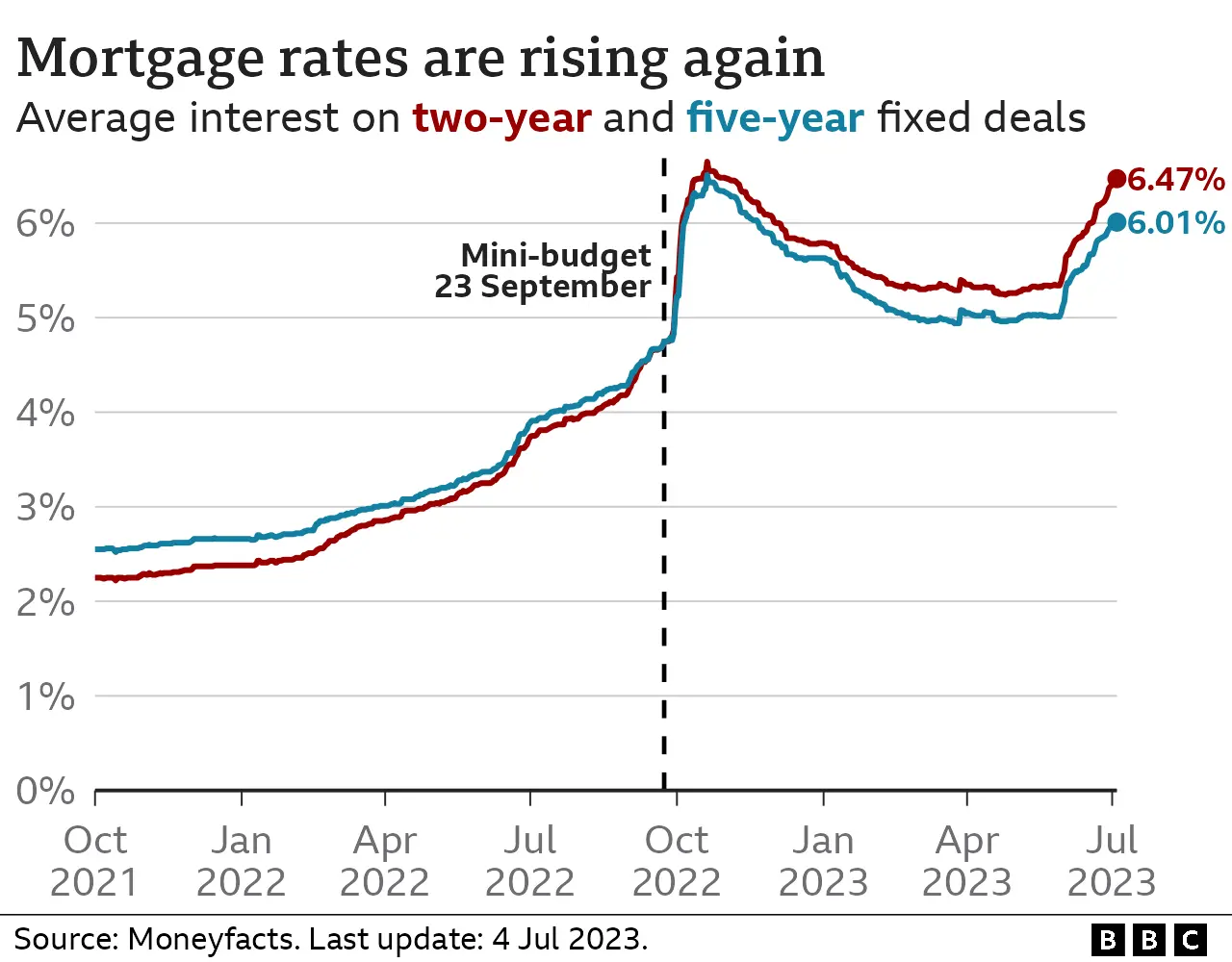
The average interest rate on a mortgage is a benchmark that fluctuates daily based on the activity in the secondary mortgage market. When we speak of the “average,” we are typically referring to the rate offered to a borrower with a prime credit score (usually 740 or higher) for a 30-year fixed-rate mortgage with a 20% down payment.
The Difference Between Quoted Rates and APR
One of the first hurdles for any prospective homeowner is distinguishing between the interest rate and the Annual Percentage Rate (APR). The interest rate is the cost you pay each year to borrow the money, expressed as a percentage. The APR, however, is a broader measure of the cost of a mortgage because it includes the interest rate plus other costs such as broker fees, points, and some closing costs. While the average interest rate might be 6.5%, the APR could be 6.8%. For a true comparison of loan products, the APR provides a more accurate picture of the total financial obligation.
Why “Average” Is a Moving Target
Market averages are reported by organizations like Freddie Mac through their Primary Mortgage Market Survey (PMMS). These figures represent the national consensus, but they are not universal. Rates can vary significantly by geography, the type of institution (credit union vs. national bank), and the specific timing of the application. In a volatile economic environment, the “average” rate can shift by 25 to 50 basis points (0.25% to 0.50%) within a single week, influenced by economic reports on employment, consumer spending, and manufacturing.
Economic Drivers: What Moves the Needle on Mortgage Rates?
Mortgage rates do not exist in a vacuum. They are deeply sensitive to the broader economic climate and are often viewed as a barometer for the health of the national economy.
The Role of the Federal Reserve
A common misconception is that the Federal Reserve sets mortgage rates. In reality, the Fed sets the federal funds rate—the rate at which commercial banks borrow from each other overnight. While this does not directly dictate mortgage rates, it influences the entire interest rate environment. When the Fed raises rates to combat inflation, it becomes more expensive for banks to borrow money, which in turn leads to higher interest rates for consumers on everything from credit cards to home loans.
Inflation and the 10-Year Treasury Yield
Inflation is the primary enemy of fixed-income investments like mortgage-backed securities (MBS). If inflation is high, the purchasing power of the future interest payments on a mortgage is eroded. To compensate for this risk, investors demand higher yields. Mortgage rates tend to track the yield on the 10-year Treasury note very closely. Historically, there is a “spread” of about 1.7 to 2 percentage points between the 10-year Treasury yield and the 30-year fixed mortgage rate. When market uncertainty increases, this spread can widen, pushing mortgage rates higher even if Treasury yields remain stable.
Secondary Mortgage Market Dynamics
Most mortgages are not held by the bank that originated them. Instead, they are packaged into Mortgage-Backed Securities (MBS) and sold to investors on the secondary market. The appetite of these investors—which include pension funds, insurance companies, and international banks—determines the pricing of mortgages. If investors are risk-averse, they will demand higher interest rates to justify the purchase of these securities.
Personal Financial Factors That Determine Your Specific Rate
While the national average serves as a baseline, your personal financial profile determines whether you will pay the average, a premium above it, or a discount below it. Lenders use a process called “risk-based pricing” to determine the interest rate for a specific borrower.
Credit Scores and Risk Tiers
Your FICO score is the single most influential personal factor in determining your interest rate. Lenders categorize borrowers into “tiers.” A borrower with a score of 800 might qualify for a rate that is a full percentage point lower than a borrower with a score of 640. Over the life of a 30-year loan, that one-percent difference can equate to tens of thousands of dollars in interest. Maintaining a clean credit history, low credit utilization, and a long track record of on-time payments is the most effective way to secure a rate below the national average.
Loan-to-Value (LTV) Ratios and Down Payments
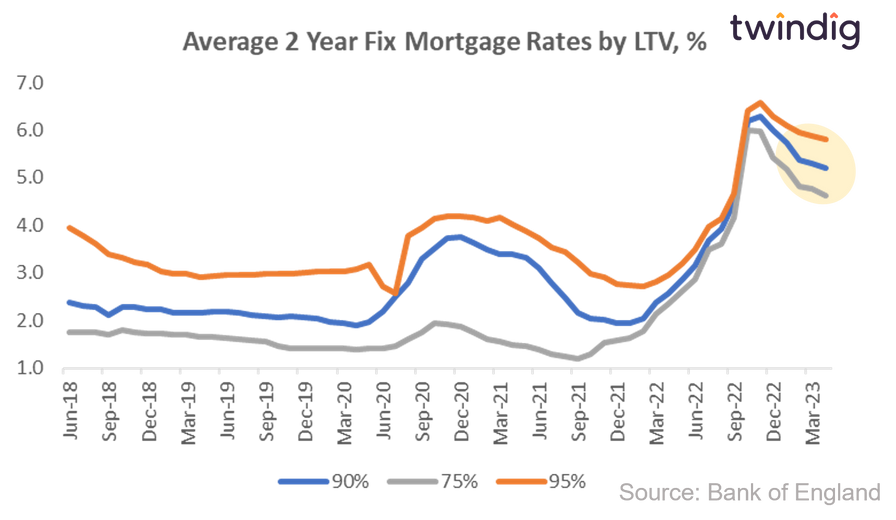
The amount of equity you bring to the transaction significantly affects your risk profile. The Loan-to-Value (LTV) ratio is the amount of the loan compared to the value of the home. A 20% down payment (80% LTV) is the traditional benchmark for the best rates. If you put down less than 20%, lenders often charge a higher interest rate and require Private Mortgage Insurance (PMI) because the loan is considered higher risk. Conversely, putting down 30% or 40% can sometimes shave a few more basis points off the rate.
Debt-to-Income (DTI) Ratios
Lenders also look at your Debt-to-Income ratio, which measures how much of your monthly gross income goes toward debt payments. While a high DTI might not always result in a higher interest rate (it more often results in a loan denial), it can affect the loan products you qualify for. Borrowers with lower DTI ratios are seen as more financially stable and are often eligible for the most competitive “teaser” rates and promotional programs.
Navigating Different Loan Products and Their Interest Profiles
The “average mortgage rate” usually refers to the 30-year fixed-rate mortgage, but there are various other products that offer different interest rate structures.
Fixed-Rate vs. Adjustable-Rate Mortgages (ARMs)
The 30-year fixed-rate mortgage is the gold standard for stability, as the interest rate never changes. However, for those looking for a lower initial rate, an Adjustable-Rate Mortgage (ARM) might be an option. ARMs typically offer a lower “teaser” rate for an initial period (3, 5, 7, or 10 years). After that period, the rate adjusts annually based on a market index. The average rate for a 5/1 ARM is usually lower than the 30-year fixed rate, making it attractive for buyers who plan to sell or refinance before the adjustment period begins.
Government-Backed Loans: FHA, VA, and USDA
The federal government insures certain types of loans to encourage homeownership. FHA loans, backed by the Federal Housing Administration, often have lower interest rates than conventional loans for borrowers with lower credit scores. However, they come with permanent mortgage insurance premiums that can make the APR higher. VA loans, available to veterans and active-duty service members, often offer some of the lowest interest rates on the market with no down payment requirement, making them a powerful financial tool for those who qualify.
Jumbo Loans vs. Conforming Loans
Conforming loans are those that meet the dollar limits set by the Federal Housing Finance Agency (FHFA). Loans that exceed these limits are known as Jumbo loans. Historically, Jumbo loans carried higher interest rates because they could not be sold to Fannie Mae or Freddie Mac. However, in recent years, the gap has narrowed, and at times, Jumbo rates have actually been lower than conforming rates because of the high credit quality of the borrowers seeking these larger loans.
Strategies to Secure a Lower Mortgage Rate in Today’s Market
In a high-interest-rate environment, savvy financial planning can help you beat the average and secure a more affordable loan.
The Power of Rate Locking
Because rates fluctuate daily, a quote you receive on Monday might be gone by Friday. A rate lock is a guarantee from the lender that they will honor a specific interest rate for a set period, typically 30 to 60 days. Locking in a rate when you see a dip in the market can protect you from sudden spikes while your loan is in underwriting.
Buying Down the Rate with Discount Points
Borrowers have the option to pay “points” at closing to lower their interest rate. One point typically costs 1% of the loan amount and reduces the interest rate by approximately 0.25%. This is essentially “prepaying” interest. This strategy makes sense if you plan to stay in the home for a long time—usually seven years or more—allowing you to reach the “break-even point” where the monthly savings exceed the upfront cost of the points.

The Importance of Shopping Around
Perhaps the most overlooked strategy is simply shopping around. Studies have shown that borrowers who get at least three to five quotes can save thousands of dollars over the life of the loan. Different lenders have different overhead costs and different “appetites” for risk. A local credit union may offer a more competitive rate than a national retail bank to attract local depositors. By comparing Loan Estimates (a standard three-page form), you can see the transparent breakdown of rates and fees, allowing you to leverage one offer against another to secure the best possible deal.
aViewFromTheCave is a participant in the Amazon Services LLC Associates Program, an affiliate advertising program designed to provide a means for sites to earn advertising fees by advertising and linking to Amazon.com. Amazon, the Amazon logo, AmazonSupply, and the AmazonSupply logo are trademarks of Amazon.com, Inc. or its affiliates. As an Amazon Associate we earn affiliate commissions from qualifying purchases.