
The skilled trades have undergone a significant cultural and economic Renaissance over the last decade. As the cost of traditional four-year degrees continues to skyrocket, many individuals are looking toward vocational careers that offer high entry-level pay, job security, and the potential for entrepreneurial growth. Welding stands at the forefront of this movement. Often described as the “glue” that holds the modern world together, welding is a critical component of infrastructure, manufacturing, aerospace, and energy.
However, for those considering this career path, the primary question remains: What is the average income of a welder, and what is the true ceiling for earning potential in this field? From entry-level shop work to high-stakes underwater projects, the financial landscape of welding is diverse, offering a range of salary outcomes based on specialization, geography, and business acumen.
Understanding the Baseline: National Averages and Entry-Level Expectations
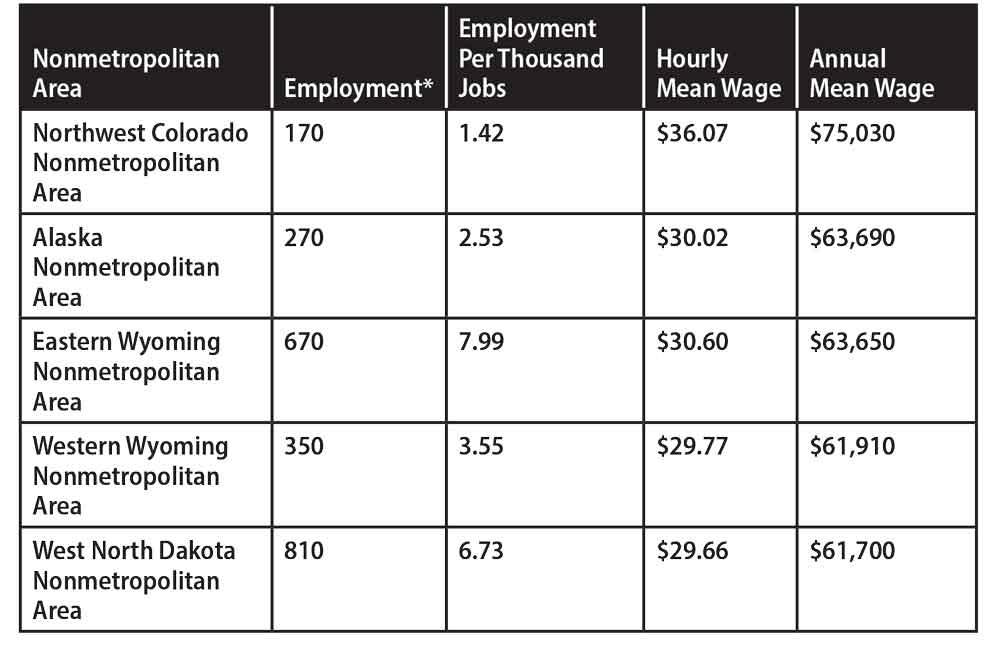
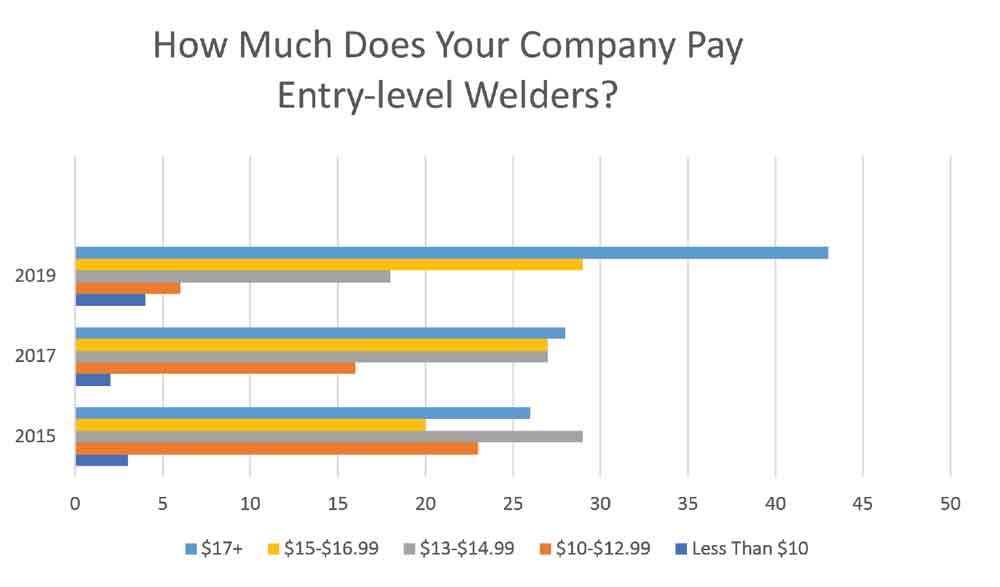
According to data from the Bureau of Labor Statistics (BLS) and various labor market analytics, the median annual wage for welders, cutters, solderers, and brazers typically hovers around $47,500 to $50,000. While this represents the middle of the pack, it does not tell the full story. The entry-level “helper” or apprentice might start closer to $35,000, whereas a seasoned veteran in a specialized field can easily clear six figures.
The income of a welder is rarely a static number. Unlike many corporate roles with fixed annual raises, welding compensation is heavily influenced by “clock hours” and project-based incentives.
The Role of Experience and Apprenticeships
In the welding world, your “hands-on” time is your greatest asset. An entry-level welder just out of trade school possesses the foundational knowledge of MIG (Metal Inert Gas) and TIG (Tungsten Inert Gas) welding but lacks the “arc time” required for high-precision industrial work. During the first two to five years, income growth is typically rapid as the welder moves from basic structural work to more complex alloy joining.
Hourly vs. Salary Models
Most welders are paid on an hourly basis. This is a crucial distinction for personal finance planning. In a robust economy, overtime is abundant. It is not uncommon for industrial welders to work 50 to 60 hours a week, significantly inflating their gross income through time-and-a-half pay. Conversely, during economic downturns, hours may be capped, making it essential for welders to maintain a healthy emergency fund.
Key Factors That Dictate Earning Potential
Two welders with the exact same skill set can earn vastly different incomes based on where they live and which industry they serve. Understanding these variables is key to maximizing one’s financial trajectory in the trade.
Geographic Influence and Cost of Living
Geography plays a massive role in welder compensation. States with high industrial activity or energy production, such as Texas, Louisiana, and Alaska, often offer higher-than-average wages. For example, a welder in Alaska may earn a premium due to the harsh working conditions and the specialized nature of pipeline maintenance. However, it is vital to weigh these higher wages against the cost of living in those regions. A $70,000 salary in a rural Midwestern town often provides more “disposable” income than an $85,000 salary in a coastal metropolitan hub.
Industry Specialization
The industry you choose to weld for is perhaps the largest variable in your income.
- Manufacturing: Usually offers the lowest starting pay but the highest stability. These are often “controlled environment” jobs with consistent hours.
- Construction: Offers higher pay but is subject to seasonal fluctuations and project timelines.
- Pipe Welding: This is widely considered one of the most lucrative paths. Pipe welders working on oil and gas pipelines or in nuclear power plants often earn between $70,000 and $120,000 annually, depending on their ability to pass stringent X-ray tests on their welds.
The Impact of Certifications
In the world of professional welding, certifications are the equivalent of a university degree. The American Welding Society (AWS) offers various certifications that prove a welder’s proficiency in specific positions and with specific materials. A Certified Welding Inspector (CWI), for instance, moves away from the torch and into a quality control role. CWIs can command salaries ranging from $80,000 to over $150,000, as they are responsible for the safety and integrity of massive infrastructure projects.
High-Earning Specializations: Reaching the Six-Figure Mark
For those motivated by high financial returns, certain “niche” welding sectors offer extraordinary pay. These roles often involve higher risk, specialized environments, or extreme travel requirements.

Underwater Welding
Perhaps the most storied “high-pay” job in the trade, underwater welding (or hyperbaric welding) is both dangerous and technically demanding. These professionals are commercial divers first and welders second. While entry-level underwater welders may start at $50,000, experienced divers working on offshore oil rigs or inland dam repairs can earn between $100,000 and $200,000 per year. It is important to note that this career often has a shorter “shelf life” due to the physical toll on the body.
Traveling Welders and “Road Warriors”
The “road warrior” lifestyle is a common path to wealth in welding. Traveling welders move from project to project—often referred to as “shutdowns” or “turnarounds” in the industrial sector. Because these jobs require the welder to live away from home, companies pay a “Per Diem.”
Per diem is a daily allowance for lodging and food that is typically non-taxable. If a welder earns $35 an hour plus a $150 daily per diem, their “take-home” pay increases dramatically. Many traveling welders use this strategy to front-load their savings, working intensely for six months and taking the rest of the year off.
Aerospace and Exotic Metals
Welding components for rockets, satellites, or high-performance aircraft requires a level of precision that few possess. Working with “exotic” metals like titanium, inconel, or magnesium requires specialized TIG welding skills. Because the margin for error is zero, aerospace welders are paid a premium for their steady hands and technical knowledge.
Welding as a Business: The Path to Entrepreneurship
While being an employee offers stability, the highest income potential in welding lies in business ownership. Many welders transition from “working for the man” to “owning the rig.”
The Owner-Operator Model
In many industrial sectors, particularly pipeline and heavy equipment repair, welders operate as independent contractors. An “owner-operator” owns their own truck, welding machine, and tools. Instead of an hourly wage, they charge a “rig rate.” This rate covers both the welder’s labor and the rental of their equipment. Rig rates can range from $60 to over $120 per hour. While the overhead (fuel, insurance, equipment maintenance) is high, the net profit for a disciplined owner-operator can significantly exceed a standard salary.
Custom Fabrication and Side Hustles
The versatility of welding allows for creative side hustles. From building custom off-road vehicle bumpers to ornamental iron gates for luxury homes, a welder with a small home shop can generate significant secondary income. This “micro-business” approach allows welders to diversify their income streams, protecting them from fluctuations in the primary industrial market.
Scaling to a Full-Scale Fabrication Shop
The final stage of financial growth is moving from a solo operator to a shop owner with employees. By managing a team and taking on large-scale fabrication contracts, a welder moves from selling their own time to leveraging the time of others. This is where “income” transforms into “wealth,” though it requires a shift in focus from technical welding skills to business management, bidding, and financial strategy.
Financial Planning and Long-Term Stability for Welders
Because welding is a physically demanding trade, long-term financial success requires more than just a high annual income; it requires smart money management and an exit strategy.
Managing Variable Income
For welders in construction or pipeline work, income can be “feast or famine.” During a busy season, a welder might bring home $3,000 a week, only to face a two-month gap between projects. Professional welders must adopt a “percentage-based” budgeting system rather than a fixed one. Saving a high percentage of “overtime” and “per diem” pay is essential for weathering the slow periods.
Investing in Physical Longevity
In the context of personal finance, a welder’s body is their primary income-producing asset. Investing in high-quality Personal Protective Equipment (PPE)—such as PAPR (Powered Air Purifying Respirator) helmets to protect the lungs and ergonomic equipment to protect the back—is a financial decision. A welder who retires early due to injury loses hundreds of thousands of dollars in potential career earnings.
The ROI of Trade Education
When calculating the “average income,” one must also consider the “cost of entry.” Compared to a four-year university degree that may cost $100,000 or more, a welding certification program at a community college or vocational school often costs between $3,000 and $15,000. This low debt-to-income ratio allows welders to begin building net worth much earlier in life than many of their white-collar counterparts.
The average income of a welder is a starting point, not a destination. With a median salary that competes well with many entry-level professional roles, the true value of a welding career lies in its scalability. Whether through specialized certifications, the “road warrior” lifestyle of traveling shutdowns, or the transition into business ownership, welding provides a clear and accessible pathway to financial independence for those willing to put in the work and master the craft.
aViewFromTheCave is a participant in the Amazon Services LLC Associates Program, an affiliate advertising program designed to provide a means for sites to earn advertising fees by advertising and linking to Amazon.com. Amazon, the Amazon logo, AmazonSupply, and the AmazonSupply logo are trademarks of Amazon.com, Inc. or its affiliates. As an Amazon Associate we earn affiliate commissions from qualifying purchases.