
The phrase “cost of living” is a ubiquitous term in financial discourse, yet its meaning is often generalized, masking a complex interplay of economic factors, geographic variations, and individual choices. Far from being a static figure, the average cost of living is a dynamic benchmark that quantifies the total expenses required to maintain a certain standard of living in a specific location. Understanding this average is crucial for everyone, from individuals planning their personal budgets to policymakers shaping urban development and economists analyzing market trends.
At its core, the cost of living encompasses the expenditures on essential goods and services that households routinely incur. These typically include housing, food, transportation, healthcare, and other fundamental necessities. However, calculating a truly universal “average” is challenging because these costs fluctuate dramatically based on where one lives, how one lives, and even the broader economic climate. This article aims to demystify the average cost of living, breaking down its components, exploring the myriad factors that influence it, and offering practical strategies for both understanding and managing your personal financial landscape.

Deconstructing the Cost of Living: Key Components
To grasp the average cost of living, it’s essential to dissect the primary categories that constitute household expenditure. While the exact weighting of each category can vary, these elements consistently form the backbone of any budget.
Housing: The Largest Expenditure
For most individuals and families, housing represents the single largest monthly expense. This category includes rent or mortgage payments, property taxes (for homeowners), home insurance, and utilities such as electricity, gas, water, and internet services. The cost of housing is profoundly influenced by location; urban centers and desirable neighborhoods typically command significantly higher prices than suburban or rural areas. Factors like square footage, the number of bedrooms, and the age and condition of the property also play a crucial role. Fluctuations in interest rates and housing market demand can cause substantial shifts in this component over time, making it a critical variable in the overall cost of living.
Transportation: Getting Around
Whether it’s commuting to work, running errands, or leisure travel, transportation is an unavoidable expense for most. This category encompasses car payments, fuel, vehicle insurance, maintenance, and public transportation fares (buses, trains, subways). For those without personal vehicles, ride-sharing services and taxis also contribute. The average cost of transportation is heavily influenced by geography and lifestyle. Densely populated cities with robust public transport systems might allow residents to forgo car ownership, significantly reducing costs. Conversely, those in sprawling suburban or rural areas often depend on private vehicles, incurring higher fuel and maintenance expenses.
Food: A Daily Necessity
Food costs are a fundamental component of living expenses, covering groceries for home cooking and dining out. The average expenditure on food can vary widely based on dietary preferences, family size, cooking habits, and local grocery prices. Organic produce, specialty items, and frequent restaurant meals will naturally increase this component. Conversely, meal planning, cooking at home, buying in bulk, and opting for store-brand products can help reduce food-related expenses. Food prices are also susceptible to inflation, supply chain issues, and seasonal availability, making them a dynamic part of the cost of living.
Healthcare: An Essential Investment
Healthcare expenses are a significant and often unpredictable part of the cost of living, particularly in countries without universal healthcare systems. This category includes health insurance premiums, deductibles, co-pays, prescription medications, and out-of-pocket medical services. The average cost can vary dramatically based on age, health status, chosen insurance plan, and the specific healthcare system of a region or country. In some nations, government-funded healthcare significantly reduces individual out-of-pocket expenses, while in others, such as the United States, healthcare costs can be a major financial burden for many households.
Other Essential Expenses
Beyond the major categories, numerous other expenses contribute to the overall cost of living. These include clothing and personal care items (toiletries, haircuts), communication services (mobile phone plans), education (tuition fees, school supplies, student loan payments), and childcare. For many, debt repayments (credit cards, personal loans), entertainment, and savings contributions are also considered essential for maintaining financial well-being and a desired quality of life. Understanding and tracking these “miscellaneous” costs is vital, as they can quickly accumulate and significantly impact the overall budget.
Factors Influencing the Average Cost of Living
The notion of a single “average cost of living” is largely a statistical abstraction. In reality, this average is shaped by a multitude of interacting factors, making it highly localized and personalized.
Geographic Location: Where You Live Matters Most
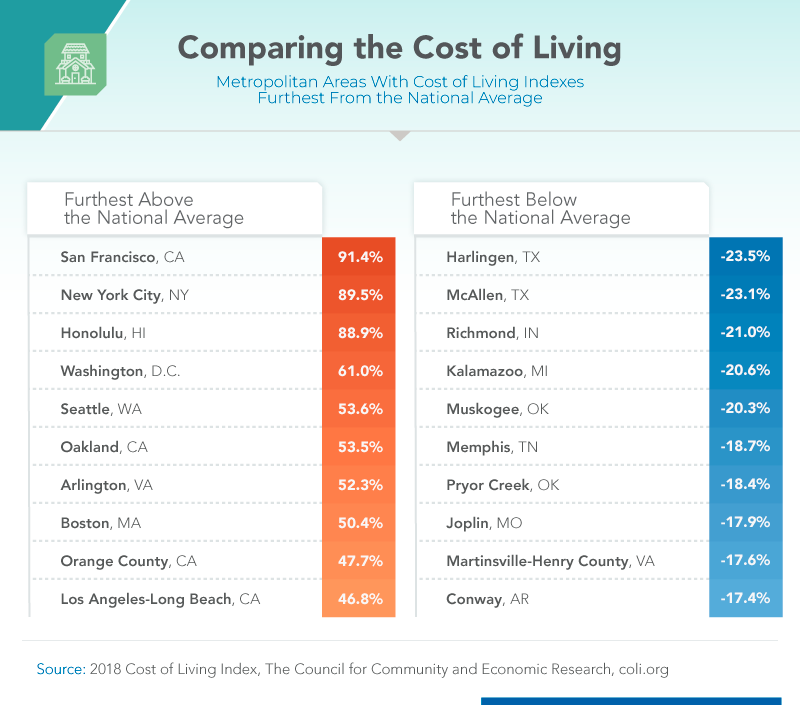
The most significant determinant of the cost of living is geographic location. Major metropolitan areas like New York City, London, Tokyo, or Zurich consistently rank among the most expensive cities globally due to high demand for housing, goods, and services. Conversely, smaller towns or rural areas typically offer a lower cost of living, primarily driven by more affordable housing. Even within a single country, there can be vast differences between states, provinces, or regions. This disparity is often linked to job opportunities, population density, economic prosperity, and local government policies that influence everything from property taxes to public transit funding.
Lifestyle Choices: Your Spending Habits
While some expenses are unavoidable, many aspects of the cost of living are directly tied to individual lifestyle choices. A person who dines out frequently, travels extensively, subscribes to multiple streaming services, and prioritizes luxury goods will naturally have a higher cost of living than someone who cooks at home, opts for free entertainment, and prefers a more minimalist approach. The “average” lifestyle is hard to define, and personal preferences dictate a significant portion of discretionary spending, which, while not strictly essential, contributes to one’s perceived standard of living.
Household Composition: Who You Live With
The size and structure of a household profoundly impact the average cost of living. A single individual typically has different expenses than a couple, and a family with children faces additional costs for childcare, education, clothing, and food. Multi-generational households or those with roommates can often split fixed costs like rent and utilities, thereby reducing the per-person average. The age and needs of dependents also factor in; for example, infants require specialized supplies, while teenagers might have higher food and entertainment demands.
Economic Conditions: Broader Influences
Macroeconomic factors play a crucial role in shaping the cost of living. Inflation, which is the rate at which the general level of prices for goods and services is rising, directly impacts how much everyday items cost. Interest rates influence mortgage payments and the cost of borrowing money. The strength of the local job market, wage levels, and overall economic growth can also affect the affordability of living, as higher wages in a region might offset higher expenses, leading to a comparable or even better quality of life despite a higher nominal cost.
Calculating Your Personal Cost of Living
Understanding the “average” is useful, but calculating your personal cost of living is paramount for effective financial management. This involves a systematic approach to tracking and analyzing your income and expenditures.
Budgeting: The Foundation of Financial Awareness
The most effective way to determine your personal cost of living is through diligent budgeting. This process involves tracking all your income sources and every penny you spend over a period, typically a month. Tools range from simple spreadsheets and pen-and-paper journals to sophisticated budgeting apps like Mint, YNAB (You Need A Budget), or Personal Capital. Categorizing your expenses (e.g., housing, groceries, transport, entertainment) allows you to see exactly where your money is going and identify areas for potential savings. A clear budget provides a realistic snapshot of your financial reality, moving beyond abstract averages.
Differentiating Needs vs. Wants
A critical step in calculating and managing your cost of living is to distinguish between needs and wants. Needs are essential expenditures required for survival and basic comfort (e.g., shelter, food, basic utilities, healthcare). Wants are discretionary expenses that improve quality of life but are not strictly necessary (e.g., dining out, subscriptions, vacations, luxury items). A common guideline, such as the 50/30/20 rule, suggests allocating 50% of income to needs, 30% to wants, and 20% to savings and debt repayment. This framework helps individuals assess if their spending aligns with their financial goals and if their personal cost of living is sustainable.
Utilizing Online Resources and Calculators
While personal budgeting provides precise data, online cost of living calculators can offer valuable context and comparative insights. Websites like Numbeo, Expatistan, and various government economic agencies provide data comparing the cost of living between different cities and countries. These tools often use indices to compare prices of consumer goods and services, including groceries, restaurants, transportation, and utilities. While useful for general guidance and relocation planning, it’s crucial to remember that these calculators provide averages and may not perfectly reflect your unique lifestyle or specific consumption patterns. They serve as a good starting point for understanding regional differences.
Strategies for Managing and Reducing Your Cost of Living
Once you understand your personal cost of living, you can employ various strategies to manage it effectively and, where desired, reduce it. Financial freedom often comes from optimizing expenses rather than solely increasing income.
Smart Housing Decisions
Given that housing is often the largest expense, making smart decisions here can yield significant savings. This might involve choosing to rent instead of own (or vice versa, depending on market conditions and personal circumstances), living in a more affordable neighborhood or city, downsizing to a smaller property, or taking on roommates to split costs. For homeowners, refinancing a mortgage when interest rates drop or challenging property tax assessments can also provide relief.
Optimizing Transportation
Reducing transportation costs can involve a mix of behavioral changes and strategic investments. Embracing public transportation, carpooling, walking, or biking for short distances can significantly cut down on fuel and maintenance expenses. If a car is necessary, opting for a fuel-efficient vehicle or even a hybrid/electric car can lead to long-term savings. Reviewing car insurance policies periodically to ensure you’re getting the best rates is also a wise practice.
Savvy Food Management
Food expenses are highly controllable. Meal planning, cooking at home more frequently, and preparing your own lunches for work can drastically reduce dining-out costs. Strategic grocery shopping, such as buying generic brands, purchasing items on sale, utilizing coupons, and buying in bulk for non-perishable goods, are effective ways to save. Furthermore, reducing food waste through proper storage and creative meal preparation can make your grocery budget go further.
Controlling Discretionary Spending
Managing “wants” is crucial for overall cost of living reduction. This involves setting limits on entertainment, dining out, impulse purchases, and subscription services. Seeking free or low-cost alternatives for leisure activities (e.g., public parks, libraries, free community events) can provide enjoyment without breaking the bank. Regular reviews of subscriptions and memberships can help eliminate unused services.
Building an Emergency Fund and Investing
While not directly reducing immediate costs, building an emergency fund (3-6 months of living expenses) provides a crucial financial safety net, preventing debt accumulation during unforeseen circumstances. Similarly, consistent investing in diverse assets is a long-term strategy to grow wealth, allowing your money to outpace inflation and potentially offset future increases in the cost of living, ensuring sustained financial stability.
The Broader Economic Implications and Future Outlook
Understanding the average cost of living extends beyond personal finance; it has significant implications for economic policy, urban planning, and societal well-being.
Inflation and Its Impact
Inflation is perhaps the most critical macroeconomic factor constantly reshaping the cost of living. As prices rise, the purchasing power of money diminishes, meaning that the same income buys fewer goods and services over time. Persistent inflation necessitates wage increases, benefits adjustments, and careful investment strategies to maintain living standards. Governments and central banks closely monitor inflation rates, using monetary policy tools to manage price stability, which directly influences the affordability of daily life for citizens.
The Gig Economy and Side Hustles
In response to rising costs and the desire for greater financial flexibility, the gig economy and side hustles have become increasingly prevalent. Many individuals supplement their primary income through freelancing, ride-sharing, online sales, or consulting. This trend allows people to earn additional funds to meet higher living expenses, pay down debt, or build savings, often providing a crucial buffer against the pressures of an increasing cost of living, particularly in high-cost areas.
Policy and Urban Planning
The cost of living is also a central concern for urban planners and policymakers. Decisions regarding affordable housing initiatives, public transportation infrastructure, zoning laws, and tax policies can all profoundly impact the affordability of a city or region. Sustainable urban development often seeks to balance economic growth with maintaining an accessible and affordable cost of living for diverse populations, preventing issues like gentrification and displacement. Future outlooks suggest that as populations continue to concentrate in urban centers, innovative policy solutions will be essential to manage the ever-present challenge of rising living costs.

Conclusion
The average cost of living is far more than a simple number; it’s a dynamic reflection of economic realities, geographic influences, and personal choices. While global or national averages provide a useful contextual framework, understanding your personal cost of living is the cornerstone of effective financial planning. By deconstructing your expenses into their fundamental components, recognizing the factors that drive their fluctuations, and proactively employing strategies to manage and optimize your spending, you can navigate the complexities of modern financial life with greater confidence and control. The journey to financial well-being is an ongoing one, but with a clear grasp of your cost of living, you are well-equipped to make informed decisions that shape your financial future.
aViewFromTheCave is a participant in the Amazon Services LLC Associates Program, an affiliate advertising program designed to provide a means for sites to earn advertising fees by advertising and linking to Amazon.com. Amazon, the Amazon logo, AmazonSupply, and the AmazonSupply logo are trademarks of Amazon.com, Inc. or its affiliates. As an Amazon Associate we earn affiliate commissions from qualifying purchases.