
In the dynamic landscape of personal finance, understanding the true cost of vehicle ownership is more crucial than ever. For many, a car payment represents one of the most significant recurring monthly expenses after housing. As we navigate 2024, a confluence of economic factors, from persistent inflation to fluctuating interest rates and evolving supply chains, continues to shape the automotive market. Prospective car buyers and current owners alike are keenly observing these trends, seeking clarity on what constitutes an “average” car payment and, more importantly, how to manage this financial commitment effectively. This article delves into the current state of car payments, dissecting the myriad factors influencing them, and offering insights into making financially sound decisions in today’s complex auto market.

The Current Landscape of Car Payments in 2024
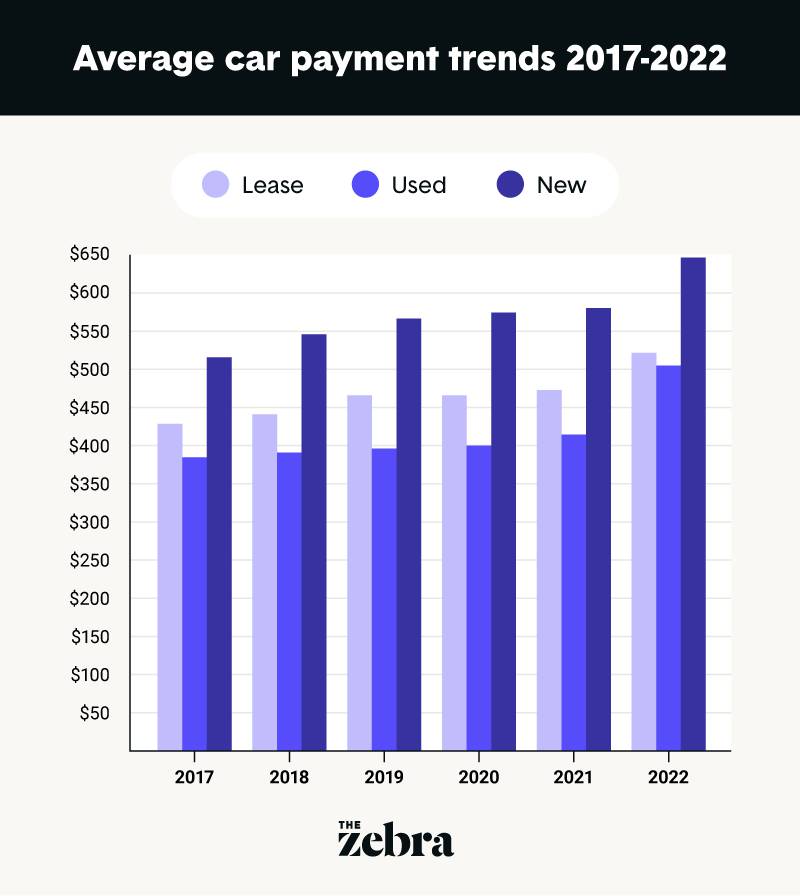
The notion of an “average” car payment can be deceptive, as it’s a figure heavily influenced by a multitude of variables. However, market analyses and reports from major credit bureaus and automotive industry data providers consistently offer snapshots of these averages. In 2024, preliminary data and continuing trends from late 2023 suggest that car payments remain elevated compared to pre-pandemic levels, driven by higher vehicle prices, increased interest rates, and longer loan terms.
New vs. Used Car Payments: A Clear Divide
Historically, the distinction between financing a new car versus a used car has been stark, and 2024 is no exception. New vehicles, with their higher sticker prices and often more attractive financing incentives from manufacturers, still command significantly larger monthly payments. Conversely, used cars, while generally more affordable upfront, have seen their prices surge in recent years due to supply shortages and increased demand, narrowing the gap somewhat.
- New Car Payments: For a new vehicle purchase in 2024, the average monthly payment is estimated to hover around $730 to $760. This figure can fluctuate based on the segment (e.g., luxury sedans versus economy SUVs), but it reflects the impact of elevated MSRPs and the prevailing interest rate environment. Buyers are often stretching loan terms to 72 or even 84 months to make these payments more manageable, which ultimately increases the total cost of the vehicle due to more interest paid over time.
- Used Car Payments: The average monthly payment for a used vehicle in 2024 typically falls in the range of $530 to $560. While lower than new car payments, this average has seen substantial increases over the past few years. The used car market continues to be influenced by residual demand from buyers priced out of the new car market and the lingering effects of earlier production shortfalls.
These averages represent a broad spectrum. Factors like the specific vehicle model, trim level, optional features, and geographical location can cause significant deviations. It’s crucial for consumers to understand that these are benchmarks, not definitive figures for every transaction.
Key Drivers Behind the Numbers
Several macroeconomic and industry-specific factors are converging to dictate these average payments:
- Inflation and Vehicle Prices: Persistent inflationary pressures have translated into higher manufacturing costs, which automakers pass on to consumers. The average transaction price for both new and used vehicles has seen a steady ascent, directly impacting the principal amount financed.
- Interest Rates: The Federal Reserve’s actions to combat inflation through interest rate hikes have had a direct and significant impact on auto loan rates. Higher APRs mean more interest paid over the life of the loan, pushing monthly payments upwards even if the vehicle price remains constant.
- Supply and Demand Dynamics: While new car inventory has slowly improved from its pandemic-era lows, certain popular models and segments still face supply constraints. This imbalance keeps prices firm, giving dealers less incentive to offer deep discounts. The used car market also feels these ripples, as fewer new cars sold previously means fewer trade-ins entering the used market later.
- Loan Term Lengths: To mitigate the impact of higher prices and interest rates on monthly budgets, lenders and buyers are increasingly opting for longer loan terms. While this reduces the monthly outlay, it considerably increases the total interest paid over the life of the loan and raises the risk of negative equity (owing more than the car is worth).
Dissecting the Factors That Shape Your Car Payment
While the averages provide a general overview, your individual car payment will be a highly personalized figure, a product of several critical financial and transactional elements. Understanding these factors is paramount for any savvy car buyer.
The Unyielding Influence of Interest Rates
The Annual Percentage Rate (APR) on your auto loan is arguably the most significant determinant of your monthly payment, outside of the vehicle’s price. A higher interest rate means a larger portion of your monthly payment goes towards interest, rather than reducing the principal.
- Credit Score Connection: Your credit score is the primary gatekeeper for the interest rate you qualify for. Lenders use it as a proxy for your creditworthiness and risk. Borrowers with excellent credit (e.g., FICO scores typically above 720-740) will secure the lowest available rates, while those with lower scores will face significantly higher APRs.
- Market Conditions: Beyond your personal credit, the broader economic environment and the Federal Reserve’s monetary policy decisions heavily influence the baseline interest rates. Even borrowers with pristine credit will pay more when overall rates are high.
Loan Term Length: A Double-Edged Sword
The duration over which you agree to repay your loan – commonly 60, 72, or 84 months – plays a critical role in shaping your monthly payment.
- Lower Monthly Payments, Higher Total Cost: Extending the loan term reduces your monthly payment, making a more expensive car appear affordable. However, this convenience comes at a significant cost: you pay more in total interest over the life of the loan. For example, a $30,000 loan at 6% APR over 60 months results in a total interest of approximately $4,800. The same loan over 84 months yields roughly $7,000 in interest, an increase of over $2,000.
- Increased Risk of Negative Equity: Longer loan terms also increase the likelihood of being “upside down” on your loan, meaning your outstanding loan balance exceeds the car’s market value. This can be problematic if you need to sell or trade in the vehicle before the loan is fully repaid.
Down Payment and Trade-In Value: Your Immediate Leverage
The amount of money you put down upfront, either through a cash down payment or the value of a trade-in vehicle, directly reduces the principal amount you need to finance.
- Direct Principal Reduction: A larger down payment or a valuable trade-in immediately lowers your loan amount, which in turn reduces your monthly payments and the total interest you’ll pay. Financial experts often recommend aiming for at least 10-20% of the vehicle’s purchase price as a down payment for new cars, and perhaps even more for used cars, to mitigate depreciation and reduce financial risk.
- Improved Loan-to-Value (LTV): A substantial down payment also improves your loan-to-value ratio, making you a less risky borrower in the eyes of lenders and potentially qualifying you for better interest rates.
Credit Score: The Ultimate Predictor
As mentioned, your credit score is foundational. It’s a numerical representation of your financial history and reliability, influencing not just the interest rate but sometimes even the availability of certain loan products.
- Credit Tiers: Lenders typically categorize borrowers into credit tiers (e.g., excellent, good, fair, poor), with each tier corresponding to a specific range of interest rates. Moving from a “good” score to an “excellent” score can save you thousands over the life of an auto loan.
- Beyond the Score: While the numerical score is key, lenders also look at other aspects of your credit report, such as your payment history, credit utilization, length of credit history, and types of credit accounts. A diverse and well-managed credit portfolio generally leads to better terms.
Strategies for Smarter Car Financing in 2024
Given the current financial landscape, strategic planning is essential to secure a car payment that aligns with your financial goals and avoids undue strain on your budget.
Pre-Approval: Your Negotiating Power
Before even stepping foot into a dealership, consider getting pre-approved for an auto loan from your bank, credit union, or an online lender.
- Know Your Rate: Pre-approval gives you a concrete interest rate and maximum loan amount, allowing you to shop for a car with a clear budget in mind.
- Haggling Advantage: Armed with a pre-approval, you can negotiate with dealerships not just on the car’s price but also on their financing offers. If the dealer can’t beat your pre-approved rate, you already have a fallback.
- Focus on the Car Price: It shifts your focus from the monthly payment (which dealers often manipulate with extended terms) to the actual sale price of the vehicle.
Optimizing Your Down Payment and Trade-In
Maximizing your upfront contribution is one of the most effective ways to lower your monthly payment and overall interest costs.
- Save Aggressively: Prioritize saving for a substantial down payment. Even an extra few hundred or thousand dollars upfront can make a noticeable difference over a multi-year loan.
- Research Trade-In Value: Before visiting a dealer, research your current car’s trade-in value using resources like Kelley Blue Book (KBB) or Edmunds. This prevents you from being low-balled and helps you understand the equity you have in your current vehicle. Consider selling your old car privately if you can get a better price than the dealership offers for a trade-in, provided you have the time and patience.
Navigating Loan Terms Wisely
While longer loan terms offer lower monthly payments, exercise caution.
- Balance Budget with Total Cost: Aim for the shortest loan term you can comfortably afford. A 60-month loan is often a good balance for new cars, while 36-48 months might be ideal for used cars to minimize interest and negative equity risk.
- Understand Total Cost: Always ask to see the total interest paid over the life of the loan for different term lengths. This transparency helps you make an informed decision beyond just the monthly figure.
The Power of Improving Your Credit Score
If your credit score is less than ideal, taking steps to improve it before applying for a car loan can yield significant savings.
- Review Your Credit Report: Obtain a free copy of your credit report from AnnualCreditReport.com and check for errors. Dispute any inaccuracies.
- Pay Bills on Time: Payment history is the biggest factor in your credit score. Make all payments, especially on existing debts, punctually.
- Reduce Debt: Lowering your credit card balances and other outstanding debts can improve your credit utilization ratio, positively impacting your score.
- Avoid New Credit Applications: Limit applying for new credit accounts in the months leading up to a car purchase, as each application can temporarily ding your score.
Beyond the Payment: Understanding Total Cost of Ownership
Focusing solely on the monthly car payment can lead to an incomplete picture of a vehicle’s true financial impact. The “total cost of ownership” encompasses all expenses associated with owning and operating a vehicle over its lifespan.
Insurance, Maintenance, and Fuel: The Hidden Expenses
These often-overlooked costs can significantly add to your monthly outlays.
- Insurance Premiums: Newer, more expensive, or sportier vehicles typically come with higher insurance premiums. Get insurance quotes before finalizing a purchase to avoid sticker shock. Your driving record, age, and location also play a big role.
- Maintenance and Repairs: Every car requires regular maintenance (oil changes, tire rotations, brake service). As vehicles age, repair costs tend to increase. Research a car’s reliability ratings and average maintenance costs for its make and model. Luxury and performance vehicles often have significantly higher service expenses.
- Fuel Costs: With volatile fuel prices, a car’s fuel efficiency directly impacts your monthly budget. Consider your typical commute and annual mileage when evaluating models with different MPG ratings. Electric vehicles (EVs) have different “fueling” costs (electricity), which should also be factored in.
Depreciation: A Silent Wealth Drain
Depreciation is the decline in a vehicle’s value over time. It’s an often-ignored cost because it doesn’t manifest as a monthly bill, but it’s a real financial loss.
- New Cars Depreciate Faster: New cars depreciate the most rapidly in their first few years. Understanding a car’s depreciation rate is crucial, especially if you plan to trade it in or sell it relatively soon.
- Impact on Equity: High depreciation can contribute to negative equity, making it harder to sell or trade your car without incurring a financial loss. Choosing models known for holding their value better can be a wise financial move.
Forecasting Future Trends and Making Informed Decisions
The automotive financial landscape is always evolving. Staying abreast of broader economic trends and sector-specific developments can help you make more astute financial decisions.
Economic Outlook and Its Impact on Auto Loans
Looking ahead, the direction of interest rates will continue to be a dominant factor. Should inflation cool further, the Federal Reserve might consider rate cuts, which could eventually translate to lower auto loan rates. Conversely, a resurgence in inflation could lead to continued high rates. Consumer confidence and employment levels also play a role, as a strong economy generally encourages more car purchases, while a downturn can dampen demand and potentially lead to more attractive deals for buyers.
The Rise of EVs and Their Financing Implications
The accelerating transition to electric vehicles (EVs) is another trend to watch. While EVs often have higher upfront purchase prices, government incentives (like federal tax credits) and lower “fuel” and maintenance costs can make their total cost of ownership competitive. Financing for EVs might also see specialized products and rates as lenders adapt to this segment. Buyers should factor in the cost of charging infrastructure installation at home if considering an EV.
Personal Financial Health Check Before Buying
Ultimately, the “average” car payment is a useful benchmark, but your personal financial situation should dictate what you can truly afford.
- Budgeting Rule of Thumb: Many financial advisors suggest that your total car-related expenses (payment, insurance, fuel, maintenance) should not exceed 10-15% of your gross monthly income. This ensures you have ample funds for other financial goals, savings, and emergencies.
- Emergency Fund: Ensure you have a robust emergency fund before taking on a significant new debt like a car loan. This protects you if unexpected expenses arise or if your income changes.
- Long-Term Goals: Consider how a car payment fits into your broader financial picture, including retirement savings, homeownership goals, and other investments. Don’t let a car payment derail your long-term financial aspirations.
In conclusion, while the average car payment in 2024 reflects a challenging financial environment for vehicle buyers, informed decision-making remains your most powerful tool. By understanding the key factors influencing payments, employing smart financing strategies, and considering the total cost of ownership, consumers can navigate the market with confidence, securing a vehicle that meets their needs without compromising their financial well-being.
aViewFromTheCave is a participant in the Amazon Services LLC Associates Program, an affiliate advertising program designed to provide a means for sites to earn advertising fees by advertising and linking to Amazon.com. Amazon, the Amazon logo, AmazonSupply, and the AmazonSupply logo are trademarks of Amazon.com, Inc. or its affiliates. As an Amazon Associate we earn affiliate commissions from qualifying purchases.