
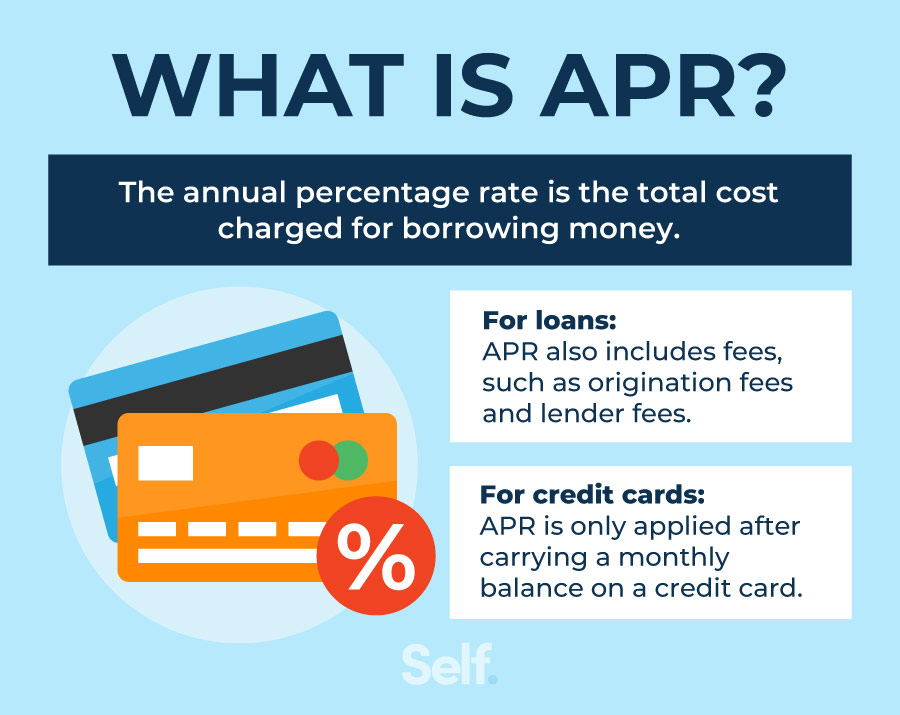
The term Annual Percentage Rate, or APR, is one of the most fundamental concepts in personal and business finance, yet it’s often misunderstood or oversimplified. At its core, APR represents the total annual cost of borrowing money, encompassing not just the interest rate but also most other fees and charges associated with the loan. While the question “what is the average APR?” seems straightforward, the answer is anything but simple. There isn’t a single, universal average APR. Instead, it’s a dynamic figure that fluctuates wildly depending on a myriad of factors, including the type of financial product, the borrower’s creditworthiness, prevailing economic conditions, and even the specific lender.
Understanding the nuances of APR is crucial for anyone looking to borrow money, whether for a credit card, a mortgage, an auto loan, or a business venture. A seemingly small difference in APR can translate into thousands of dollars over the lifetime of a loan, significantly impacting your financial health. This comprehensive guide will demystify APR, explore the various “average” rates across different financial products, and arm you with the knowledge to secure the most favorable terms for your borrowing needs.
Deconstructing APR: More Than Just an Interest Rate
To truly grasp what an “average APR” signifies, we must first dissect its components and differentiate it from the more commonly understood interest rate. APR is designed to provide a more holistic and comparable measure of borrowing costs.
APR vs. Interest Rate: The Key Difference
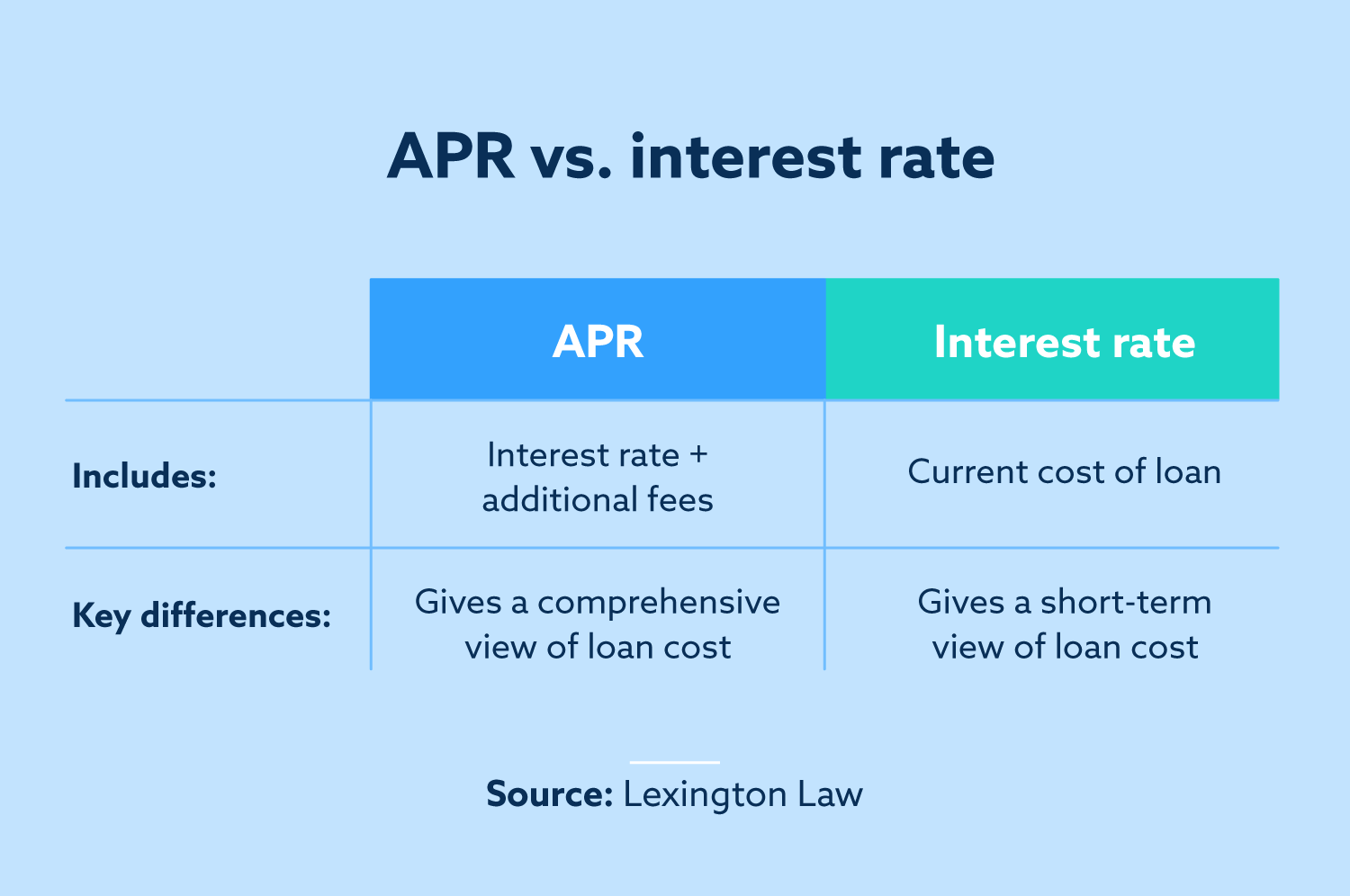
Many people mistakenly use the terms APR and interest rate interchangeably, but they are distinct. The interest rate is simply the percentage charged by the lender for the use of the principal amount borrowed. It’s the cost you pay on the outstanding balance of your loan or credit card.
The Annual Percentage Rate (APR), on the other hand, provides a more complete picture of the total cost of borrowing over a year. It includes the stated interest rate plus most other fees and charges that a borrower pays to obtain the loan. These fees can include origination fees, discount points, closing costs (for mortgages), and even some types of mortgage insurance premiums. By consolidating these costs into a single percentage, APR offers a standardized way to compare different loan offers, making it a powerful tool for consumer protection and informed decision-making. For instance, two loans might advertise the same interest rate, but one could have significantly higher fees, resulting in a higher APR and thus a higher overall cost to the borrower.
Components That Influence APR Calculation
The calculation of APR is complex because it aggregates various costs. Understanding these components helps explain why APRs can differ so much, even for similar products.
-
Principal Interest Rate: This is the base rate charged on the borrowed funds. It’s the most significant component and often the primary determinant of your monthly payment.
-
Lender Fees: These can include application fees, loan origination fees (a charge for processing the loan), underwriting fees, and document preparation fees. Lenders use these fees to cover their administrative costs and generate profit.
-
Broker Fees: If you use a mortgage broker or a loan broker, their fees for facilitating the loan are often rolled into the APR.
-
Discount Points: These are upfront payments made to the lender at closing in exchange for a lower interest rate over the life of the loan. While they reduce the interest rate, the cost of the points themselves is factored into the APR calculation, increasing it initially.
-
Mortgage Insurance Premiums: For mortgages, especially those with down payments less than 20%, private mortgage insurance (PMI) or FHA mortgage insurance premiums (MIP) are often required. While the monthly premiums are sometimes paid separately, some or all of these costs can be included in the APR calculation, particularly the upfront premiums.
The inclusion of these various fees ensures that the APR gives you the truest annual cost of borrowing, allowing for a more accurate apples-to-apples comparison between different lenders.
The Dynamic Landscape of Average APRs Across Financial Products
Since APR varies based on the type of loan, it’s more accurate to discuss average APRs within specific financial product categories rather than a single, universal average. Each product carries different levels of risk for the lender, demands different terms, and caters to different borrower profiles.
Credit Cards: A Spectrum of Risk and Reward
Credit card APRs are notoriously diverse, reflecting the wide range of creditworthiness among consumers and the different features credit cards offer. They are typically unsecured loans, meaning there is no collateral backing the debt, which inherently makes them riskier for lenders and thus generally carry higher APRs.
-
For excellent credit scores (760+): Prime credit card APRs can range from 15% to 20%, sometimes lower for introductory offers or specific balance transfer cards. These rates are usually tied to the Prime Rate, a benchmark interest rate.
-
For good to average credit scores (670-759): Most general-purpose credit cards fall into this category, with APRs typically ranging from 18% to 25%.
-
For fair to poor credit scores (below 670): Subprime or secured credit cards can have significantly higher APRs, often upwards of 25% to 36%. Lenders charge these higher rates to offset the increased risk of default.
Factors influencing credit card APRs include the card type (rewards, cash back, travel, balance transfer), whether it’s an introductory offer, and the issuer’s specific pricing model.
Mortgages: Long-Term Commitments, Nuanced Rates
Mortgages represent one of the largest financial commitments most people make, and their APRs are typically much lower than credit cards because they are secured loans (the property itself acts as collateral). However, comparing mortgage APRs requires careful attention due to the inclusion of closing costs.
-
Fixed-Rate Mortgages (FRM): The interest rate remains constant for the life of the loan. Average 30-year fixed mortgage APRs can range from 6% to 8%, fluctuating with economic conditions, particularly Treasury yields. 15-year fixed mortgages generally have slightly lower interest rates but can have similar or slightly higher APRs if fees are spread over a shorter period, or lower if the rate discount is substantial.
-
Adjustable-Rate Mortgages (ARM): These loans have a fixed interest rate for an initial period (e.g., 3, 5, 7, or 10 years) and then adjust periodically based on a benchmark index. Initial APRs for ARMs are often lower than fixed-rate mortgages but carry the risk of future rate increases.
Key factors include your credit score, loan-to-value (LTV) ratio (influenced by your down payment), the loan term (15-year vs. 30-year), and broader economic conditions set by the Federal Reserve. The difference between the nominal interest rate and the APR for mortgages can be substantial due to closing costs like origination fees, title insurance, and appraisal fees.
Personal Loans: Bridging the Gap
Personal loans are typically unsecured, offering a lump sum of money that is repaid in fixed installments. They are often used for debt consolidation, home improvements, or unexpected expenses.
-
APRs for personal loans generally fall between 6% and 36%.
-
For excellent credit: Borrowers with high credit scores and stable income can qualify for APRs in the single digits, often 6% to 12%.
-
For average credit: Rates typically range from 12% to 25%.
-
For fair to poor credit: Borrowers with lower credit scores may face APRs at the higher end of the spectrum, sometimes reaching 25% to 36%, especially from online lenders or those specializing in subprime credit.
Factors like loan amount, loan term, and the lender type (banks, credit unions, online lenders) also play a significant role.
Auto Loans: Securing Your Ride
Auto loans are secured loans, with the vehicle serving as collateral, which helps keep their APRs generally lower than unsecured personal loans or credit cards.
-
New Car Loans: For borrowers with excellent credit, APRs can be as low as 2% to 7%. For average credit, rates typically range from 7% to 12%.
-
Used Car Loans: Because used cars are considered riskier (depreciation, potential issues), their APRs are generally higher than new car loans, often ranging from 5% to 15% for good credit and higher for lower credit scores.
Other factors include the loan term (longer terms usually mean higher overall interest paid, sometimes with slightly higher APRs), the down payment amount, and whether you finance through the dealership or a third-party lender.
Business Loans: Fueling Growth
Business loan APRs are even more variable, depending on the type of loan (term loan, line of credit, SBA loan, merchant cash advance), the business’s age and revenue, and the owner’s personal credit history.
-
SBA Loans (e.g., 7(a) loans): These often have competitive APRs, typically ranging from 6% to 10%, due to government guarantees that reduce lender risk.
-
Traditional Bank Term Loans: For established businesses with strong financials, APRs can be in the 5% to 12% range.
-
Online Lenders/Alternative Financing: These options can offer faster funding but often come with higher APRs, ranging from 10% to 50% or even higher, especially for newer businesses or those with less robust credit.
The risk profile of the business, collateral offered, and the loan’s specific terms are paramount in determining the APR.
Factors Shaping Your Individual APR
While understanding the average APRs for different products is a good starting point, the rate you actually receive is highly individualized. Several critical factors converge to determine your specific APR.
Your Credit Score: The Ultimate Gatekeeper
Your credit score (FICO or VantageScore) is arguably the most influential factor in determining the APR you’re offered. It’s a numerical representation of your creditworthiness, reflecting your history of borrowing and repayment.
-
Higher Credit Scores (720+): Indicate a lower risk to lenders. Borrowers with excellent credit are consistently offered the lowest APRs because they have a proven track record of timely payments and responsible credit management.
-
Lower Credit Scores (below 670): Signal higher risk. Lenders compensate for this increased risk by charging higher APRs. This is why individuals with fair or poor credit often find themselves paying significantly more for the same loan amount. Maintaining a strong credit history—paying bills on time, keeping credit utilization low, and avoiding excessive new credit applications—is paramount for securing favorable APRs.
Economic Environment and Market Rates
The broader economic climate plays a substantial role in setting overall lending rates, which in turn affect APRs.
-
Federal Reserve Policy: The Federal Reserve’s target for the federal funds rate indirectly influences the Prime Rate, a benchmark rate that many consumer loans (like credit cards and some personal loans) are tied to. When the Fed raises rates to combat inflation, borrowing costs generally rise across the board. Conversely, when the Fed lowers rates to stimulate economic growth, APRs tend to decrease.
-
Inflation: High inflation can lead to higher interest rates as lenders seek to maintain the real value of their returns.
-
Economic Growth: A strong economy might see more demand for loans, potentially allowing lenders to charge slightly higher rates, though it also indicates lower default risk.
Loan Term and Amount: Duration and Scale
The duration of your loan and the principal amount you borrow also contribute to your personalized APR.
-
Loan Term: Shorter loan terms often come with slightly lower APRs because the lender’s risk exposure is reduced over a shorter period. However, shorter terms also mean higher monthly payments. Longer terms, while offering lower monthly payments, can sometimes have slightly higher APRs or result in significantly more total interest paid over the life of the loan.
-
Loan Amount: For some loans, particularly smaller personal loans, very small amounts might have disproportionately high APRs due to fixed administrative costs. For larger loans like mortgages, the amount can influence the lender’s risk assessment and thus the APR.
Lender Type and Competition
Not all lenders are created equal. Different types of financial institutions have varying business models, overheads, and risk appetites, which translate into different APR offerings.
-
Traditional Banks: Often cater to borrowers with strong credit and may offer competitive rates for established customers.
-
Credit Unions: Member-owned institutions that often provide more competitive rates and personalized service due to their non-profit structure.
-
Online Lenders: Can offer quick approvals and cater to a wider range of credit scores, but their APRs can vary wildly, from highly competitive to significantly higher for riskier borrowers.
-
Peer-to-Peer (P2P) Lenders: Connect borrowers directly with individual investors; rates are determined by the market and borrower risk.
Shopping around and comparing offers from multiple lender types is a vital strategy for securing the best possible APR.
Strategies for Securing the Best Possible APR
Armed with a deep understanding of APR and its drivers, you can proactively implement strategies to improve your chances of securing the most favorable borrowing terms.
Cultivate Excellent Credit Health
This is the cornerstone of securing low APRs. Your credit score is a dynamic entity, and consistent responsible financial behavior can significantly improve it over time.
-
Pay All Bills On Time: Payment history is the single most important factor in your credit score. Even one late payment can have a detrimental effect.
-
Keep Credit Utilization Low: Aim to use no more than 30% of your available credit on revolving accounts (like credit cards). Lower is better.
-
Minimize New Credit Inquiries: While shopping for a loan within a short window (e.g., 14-45 days for mortgages or auto loans) is usually counted as a single inquiry, opening too many new accounts in a short period can signal risk.
-
Monitor Your Credit Report: Regularly check your credit reports from all three major bureaus (Experian, Equifax, TransUnion) for errors. Disputing inaccuracies can quickly boost your score.
Shop Around and Compare Offers
Never accept the first loan offer you receive. Different lenders will assess your risk differently and have varying pricing structures.
-
Get Multiple Quotes: For any significant loan (mortgage, auto, personal, business), apply to several different lenders. Use pre-qualification tools, which often involve a soft credit pull that doesn’t impact your score, to get an idea of rates.
-
Focus on the APR, Not Just the Interest Rate: As discussed, the APR provides the true cost of borrowing, including fees. Make sure you compare the actual APRs provided in loan disclosures, not just advertised interest rates.
-
Read the Fine Print: Understand all terms and conditions, including any prepayment penalties, late fees, or other charges that might not be included in the APR.
Understand and Negotiate Fees
Many loan fees, especially on mortgages, are negotiable. Reducing these fees directly lowers your APR.
-
Ask for an Itemized List of Fees: Insist on seeing a detailed breakdown of all costs associated with the loan.
-
Question Fees: Don’t be afraid to ask what each fee is for and if it can be reduced or waived. Lenders often have some flexibility, particularly if they know you are comparing offers.
-
Consider a “No-Closing-Cost” Option: While this usually means a slightly higher interest rate, it can be beneficial if you plan to move or refinance soon. However, ensure the higher interest rate doesn’t outweigh the savings on upfront fees over your planned ownership period.
Consider a Shorter Loan Term (If Feasible)
If your budget allows for higher monthly payments, opting for a shorter loan term (e.g., a 15-year mortgage instead of a 30-year) can often result in a lower interest rate and a lower overall APR. This is because the lender’s risk is lower over a shorter period. You’ll also pay significantly less in total interest over the life of the loan.
Explore Secured vs. Unsecured Loans
If you have assets that can be used as collateral, a secured loan will almost always offer a lower APR than an unsecured loan because the lender’s risk is mitigated. For instance, using a car title for a personal loan or a home for a HELOC (Home Equity Line of Credit) can result in much more favorable terms. Always weigh the risks of putting your assets up as collateral.
The Importance of APR in Your Financial Decision-Making
Beyond simply identifying an “average” rate, a thorough understanding of APR is a cornerstone of intelligent financial management. It empowers you to make borrowing decisions that align with your long-term financial goals and avoid costly mistakes.
Empowering Informed Choices
APR is designed to be your most comprehensive tool for comparing the true cost of borrowing. It allows you to look beyond superficial interest rates and uncover hidden fees that can significantly inflate the total expense of a loan. By focusing on APR, you gain clarity and confidence in evaluating different offers, ensuring you select the loan that is genuinely the most cost-effective for your specific situation. This transparency is crucial in a complex financial landscape.
Long-Term Financial Impact
The impact of APR, even differences of just a fraction of a percentage point, can be profound over the life of a loan. On a large, long-term loan like a mortgage, a 0.5% difference in APR can translate into tens of thousands of dollars in additional interest paid over 30 years. For credit cards, a high APR can quickly lead to an accumulating debt spiral if balances are not paid in full each month. Understanding this long-term impact is essential for effective budgeting, debt management, and achieving your financial goals, whether it’s saving for retirement, buying a home, or funding a child’s education.
Beyond APR: Other Considerations
While APR is arguably the most important metric, it’s not the only factor to consider when choosing a loan. A truly informed decision requires a holistic view.
-
Customer Service: The responsiveness and helpfulness of a lender can significantly impact your borrowing experience.
-
Flexibility: Does the loan offer flexible payment options, or the ability to defer payments if you face a temporary hardship?
-
Prepayment Penalties: Some loans charge a fee if you pay off the principal early. This can negate some of the benefits of a lower APR if you plan to pay off your debt ahead of schedule.
-
Ease of Application Process: While not a cost factor, a streamlined and transparent application process can save you time and stress.
-
Additional Benefits: For credit cards, rewards programs, sign-up bonuses, and travel perks can add significant value that might offset a slightly higher APR, especially if you pay your balance in full each month.
The “best” loan is the one that offers a competitive APR, aligns with your financial capacity, and comes with terms and services that meet your individual needs.
Conclusion
The quest to identify “the average APR” reveals a sophisticated interplay of financial products, economic forces, and individual circumstances. There is no single average because APR is a highly dynamic figure, meticulously calculated to reflect the total annual cost of borrowing for a specific product, offered to a particular borrower, under prevailing market conditions. From the high-risk, high-reward landscape of credit cards to the long-term commitments of mortgages and the growth engines of business loans, average APRs span a broad spectrum.
Crucially, understanding the factors that shape your individual APR—primarily your credit score, but also market rates, loan terms, and lender choices—empowers you. By proactively cultivating excellent credit health, diligently shopping around for multiple offers, and meticulously reviewing all loan terms and fees, you can significantly influence the APR you receive. Focusing on APR rather than just the interest rate is an act of financial wisdom, ensuring you make informed choices that protect your pocketbook in both the short and long term. In the journey toward financial well-being, comprehending and strategically navigating APR is not just an advantage—it’s a necessity.
aViewFromTheCave is a participant in the Amazon Services LLC Associates Program, an affiliate advertising program designed to provide a means for sites to earn advertising fees by advertising and linking to Amazon.com. Amazon, the Amazon logo, AmazonSupply, and the AmazonSupply logo are trademarks of Amazon.com, Inc. or its affiliates. As an Amazon Associate we earn affiliate commissions from qualifying purchases.