
The German Autobahn is often whispered about in automotive circles as the last frontier of pure driving freedom—a place where the “speed limit” is a suggestion rather than a rule. However, to the technologist and the engineer, the Autobahn is less about lawlessness and more about one of the world’s most sophisticated examples of Intelligent Transport Systems (ITS). The question “What is the Autobahn speed limit?” cannot be answered with a single number; instead, it is answered by a complex web of sensors, algorithms, and real-time data processing that governs one of the most efficient transit networks on the planet.
As we move toward a future of autonomous mobility and smart cities, the technology managing the Autobahn’s variable speed zones serves as a blueprint for global infrastructure. This article explores the high-tech ecosystem that monitors, regulates, and facilitates high-speed travel across Germany’s federal highway system.
The Architecture of Variable Speed Technology
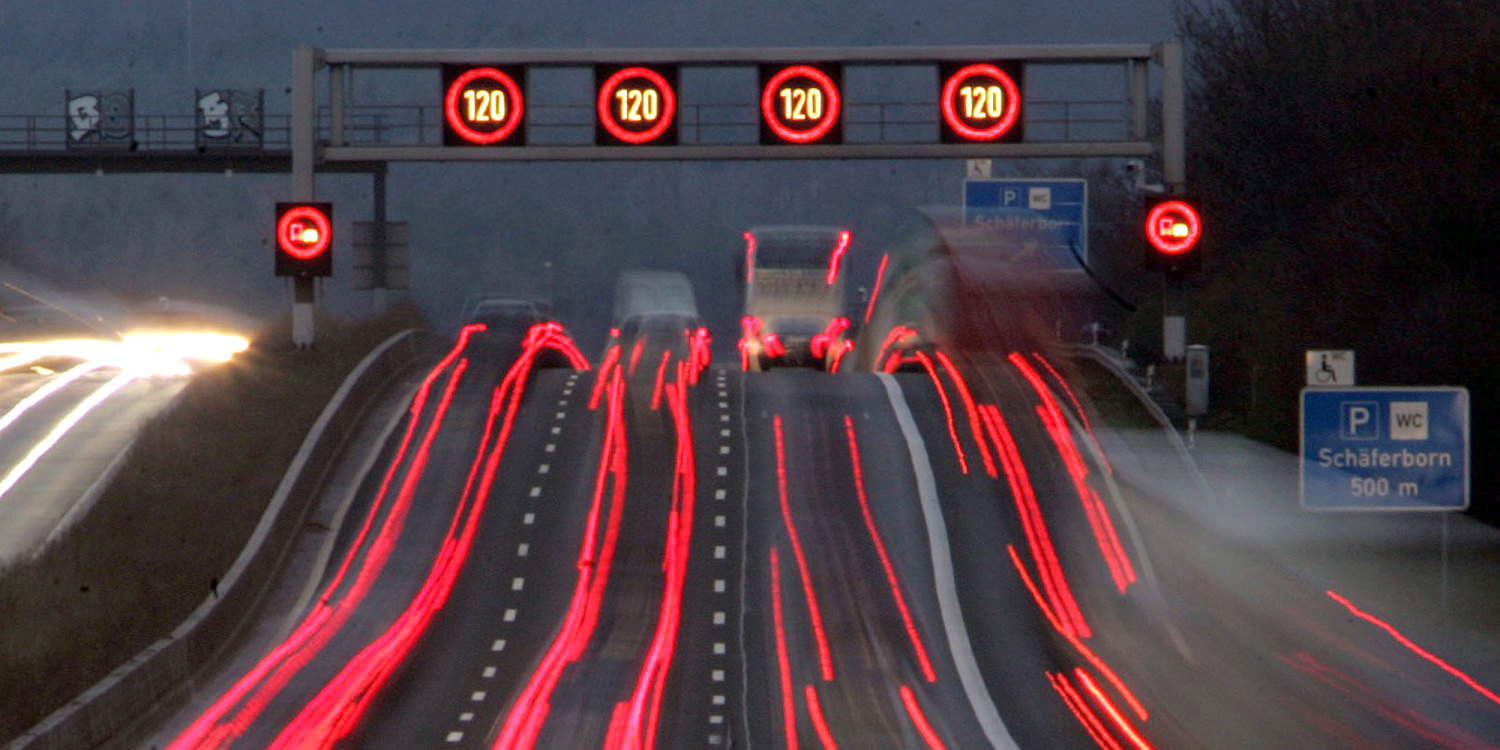
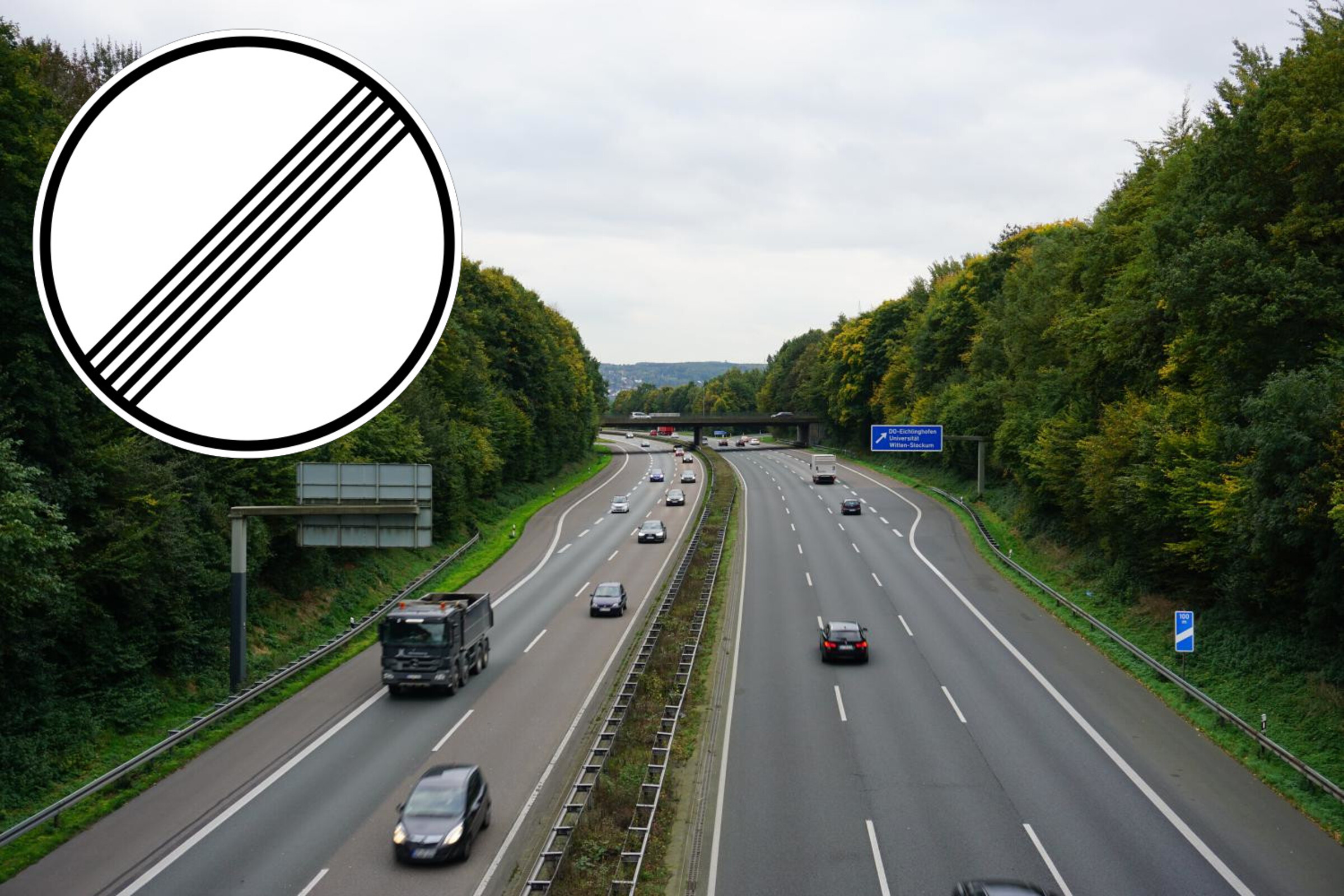
While roughly 70% of the Autobahn has no permanent speed limit (aside from a “recommended” speed of 130 km/h), the remaining 30% is governed by some of the most advanced traffic management hardware in existence. These sections are not static; they are dynamic environments where the “limit” changes based on atmospheric conditions, traffic density, and construction data.
Telematics and Real-Time Traffic Management
The backbone of the Autobahn’s regulatory system is a network of telematics. Thousands of overhead gantries, known as Streckenbeeinflussungsanlagen (SBA), act as the visual interface for a massive data-gathering operation. Beneath the asphalt and mounted on these gantries are induction loops and radar sensors that measure “occupancy” and “flow.”
These sensors feed real-time data into regional traffic control centers. When the software detects a “shockwave”—a sudden slowdown caused by a bottleneck—it automatically triggers a lower speed limit on the preceding gantries to prevent a pile-up. This tech-driven approach to speed limits optimizes throughput, ensuring that the “limit” is always perfectly calibrated to the road’s current capacity.
Dynamic Speed Control Systems and Environmental Sensors
Beyond traffic flow, the Autobahn uses environmental technology to dictate speed. Weather stations integrated into the highway network monitor ambient temperature, precipitation, and surface moisture. If the system detects hydroplaning conditions (Aquaplaning), the digital signs instantly shift from “unrestricted” to a mandatory limit (often 80 or 100 km/h).
This is a far cry from traditional road signs. These are IoT (Internet of Things) devices that communicate with a centralized cloud. By utilizing predictive algorithms, the system can even lower speeds in anticipation of fog or ice, using historical data and current meteorological feeds to maintain safety without human intervention.
Engineering for Velocity: Vehicle Tech and Safety Systems
The “speed limit” on the Autobahn is also an engineering boundary. To navigate a road where speeds can exceed 250 km/h, the vehicles themselves must serve as highly advanced mobile computing platforms. The interaction between the car’s internal tech and the road’s infrastructure is what makes high-speed travel viable.
Advanced Driver Assistance Systems (ADAS) at High Speeds
At 200 km/h, a human driver covers over 55 meters per second. Human reaction time is simply too slow to manage sudden hazards at these velocities. Consequently, the technology within the cars—specifically Advanced Driver Assistance Systems (ADAS)—has evolved to meet the demands of the Autobahn.
Modern German engineering focuses heavily on “Autobahn Assist” features. These systems use a combination of LIDAR, long-range radar, and stereoscopic cameras to “see” hundreds of meters ahead. Adaptive Cruise Control (ACC) in these vehicles is specifically tuned for high-speed differentials, capable of identifying a slow-moving truck in the right lane and pre-loading the braking system long before the driver perceives a threat.
Aerodynamics and Performance Computing
Speed limits are often governed by the physical limitations of the vehicle. As velocity increases, the software managing the car’s aerodynamics must work in overdrive. Many high-performance vehicles engineered for the Autobahn feature active aerodynamics—spoilers and flaps that adjust their angle based on real-time speed data provided by the car’s ECU (Engine Control Unit).
Furthermore, “speed limiters” are a crucial piece of software tech. Most German manufacturers voluntarily cap their vehicles at 250 km/h. This isn’t just a legal precaution; it is a technical one. It ensures that the tires and cooling systems operate within a specific thermal envelope. The technology manages the heat generated by friction and combustion, ensuring that “limitless” speed does not result in mechanical failure.

The Infrastructure of the Future: V2X Communication
The future of the Autobahn speed limit lies in V2X (Vehicle-to-Everything) communication. We are transitioning from a world where a driver looks at a sign to a world where the road talks directly to the car’s computer.
Intelligent Transport Systems (ITS) and Edge Computing
The next generation of Autobahn technology involves “Edge Computing” nodes placed along the highway. These nodes process data locally to reduce latency. In a V2X scenario, if a car three kilometers ahead loses traction and its Electronic Stability Control (ESC) activates, that data is instantly broadcasted to all following vehicles.
In this context, the “speed limit” becomes a digital instruction sent directly to the car’s drivetrain. The car could automatically reduce its speed or alert the driver to an upcoming hazard before the hazard is even visible. This level of integration effectively turns the entire highway into a single, synchronized machine.
The Role of 5G and Low-Latency Networks
To facilitate this, Germany is investing heavily in 5G corridors along major Autobahn routes. 5G is essential because of its ultra-low latency. For a vehicle traveling at high speeds, a delay of even a few milliseconds in receiving a “new speed limit” or “hazard ahead” notification can be the difference between safety and a collision.
The integration of 5G allows for “platooning” tech, where trucks or cars can follow each other at high speeds with minimal gaps, managed by a collective AI. In this tech-heavy future, the concept of a static speed limit becomes obsolete, replaced by a fluid, AI-managed velocity stream.
Surveillance and Enforcement Tech in Restricted Zones
Where speed limits do exist on the Autobahn, they are enforced by some of the world’s most sophisticated surveillance technology. Because of the high speeds involved, traditional “radar traps” are often insufficient; instead, Germany employs advanced automated systems.
AI-Driven Incident Detection
Modern Autobahn cameras do more than just snap photos of license plates. They use AI-driven video analytics to detect incidents in real-time. If a vehicle stops in a breakdown lane or if debris falls onto the road, the AI recognizes the pattern and immediately alerts the traffic control center.
The system can then automatically adjust the digital speed limit signs on the gantries for several kilometers leading up to the incident. This “closed-loop” tech system ensures that enforcement and safety management happen at the speed of light, rather than waiting for a human operator to notice a problem.
Automated Enforcement in Restricted Zones
In sections with permanent or temporary limits (such as construction zones), “Section Control” technology is increasingly used. Rather than measuring speed at a single point, this technology records a vehicle’s entry and exit points in a specific zone and calculates the average speed.
This requires high-speed data processing and Automatic Number Plate Recognition (ANPR). It is a purely technological solution to a human problem, ensuring that drivers adhere to safety protocols in high-risk areas. The data is encrypted and processed according to strict digital security standards, balancing enforcement with the rigorous privacy laws for which Germany is known.
Conclusion: The Silicon Road
The answer to “What is the Autobahn speed limit?” is that the limit is a dynamic variable in a massive, real-time calculation. The Autobahn is not a relic of a pre-regulatory era; it is a high-tech laboratory for the future of transportation. Through the use of telematics, V2X communication, and AI-driven enforcement, the Autobahn proves that high speeds can be managed safely when backed by robust technology.
As we look toward the horizon, the “limit” will continue to be defined by the capabilities of our software and the speed of our networks. The Autobahn remains a testament to the idea that with the right technology, the boundaries of human mobility can be pushed further, faster, and more safely than ever before.
aViewFromTheCave is a participant in the Amazon Services LLC Associates Program, an affiliate advertising program designed to provide a means for sites to earn advertising fees by advertising and linking to Amazon.com. Amazon, the Amazon logo, AmazonSupply, and the AmazonSupply logo are trademarks of Amazon.com, Inc. or its affiliates. As an Amazon Associate we earn affiliate commissions from qualifying purchases.